Like
Share
멍실장
고양이 망막 변성·노화성 망막 변화 관리 추천 BEST와 고르는 기준 총정리

Veterinarian’s Top 7 Tips for Managing Age-Related Feline Retinal Degeneration — Selection Criteria

Eye HealthTop PicksMeongsiljang Veterinary Advisory Board

Age-related feline retinal degeneration can lead to vision loss. Proper care and the right choice of supplements are essential.

What Is Feline Retinal Degeneration and Age-Related Retinal Changes?
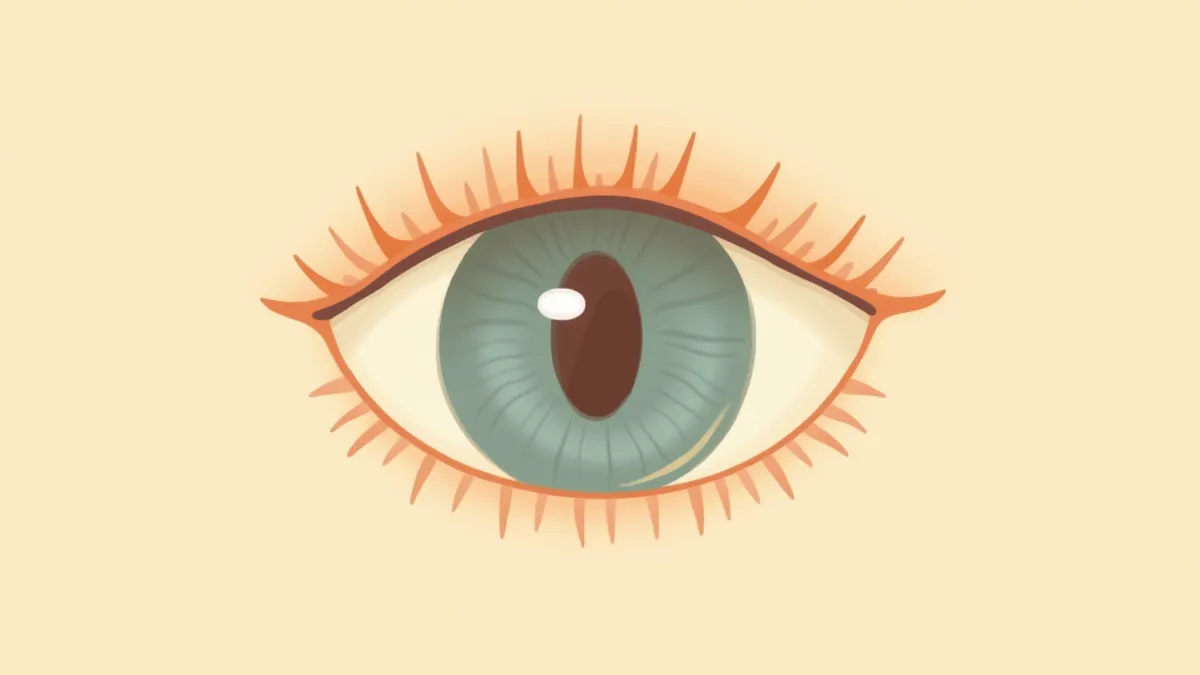
An anatomical illustration showing the retinal structure of a cat’s eye
Feline retinal degeneration is a progressive condition in which the retina’s light-sensitive cells (photoreceptors) gradually lose function and die, leading to vision loss. Rather than being simply a result of aging, it is primarily linked to taurine deficiency or hereditary conditions such as progressive retinal atrophy (PRA). - Retinal degeneration: Vision loss develops slowly, with key signs including night blindness (difficulty seeing in low light) and pupil dilation (mydriasis). - Main causes: A diet lacking in taurine (such as feeding dog food or an inappropriate vegetarian diet), genetic factors, and high blood pressure can all contribute to retinal damage. - Early management: Early detection through veterinary care is essential to preserving remaining vision. - Prevention-focused approach: Combining a balanced, taurine-rich diet with regular eye examinations offers the greatest benefit.

Selection Criteria: Ingredients Effective for Retinal Health
When choosing supplements to support your cat’s retinal health, it’s important to carefully evaluate the ingredients. From a veterinary perspective, taurine is the most clearly essential nutrient for feline retinal health. Understanding the role of each ingredient and consulting with your veterinarian before making a choice is crucial.
Taurine: An essential amino acid for cats, taurine is vital for maintaining normal retinal structure and function (a daily intake of approximately 110 mg/kg is recommended). Prolonged deficiency can lead to retinal degeneration.
Balanced Diet: Dog food or improperly formulated diets can cause taurine deficiency and should be avoided.
Lutein and Zeaxanthin: While often mentioned as general antioxidants, their effectiveness in preventing feline retinal degeneration has not yet been established, so they should only be considered as supplementary options.
Omega-3, Vitamin E, and Ascorbic Acid: These are sometimes cited for their antioxidant properties or benefits to cell membrane health, but their specific effects in cats are difficult to confirm, so veterinary consultation is necessary.
A bottle of cat eye health supplement and its shining ingredient particles

BEST 1: Lutein + Zeaxanthin-Enhanced Feline Eye Supplement

This product is a feline eye health supplement containing lutein and zeaxanthin. - Lutein: While known as an antioxidant, its effectiveness in slowing feline retinal degeneration has not yet been sufficiently proven. - Zeaxanthin: An antioxidant often discussed alongside lutein; consider it only as a supplementary aid. - Cat-friendly flavor: The strong aroma makes it palatable for most cats. - Administration: You can give one tablet daily with meals. Please consult your veterinarian to determine the appropriate duration of use. - Additional considerations: Above all, a balanced diet with adequate taurine is fundamental for retinal health. Do not rely solely on this product; be sure to combine its use with regular eye examinations.
A cat happily enjoying its retinal protective supplement.

BEST 2: Omega-3 + Antioxidant Complex Feline Eye Supplement
This is a comprehensive supplement that combines omega-3 fatty acids with various antioxidants. - Omega-3: While often discussed for its role in cell membrane health, its effectiveness in alleviating retinal degeneration in cats remains inconclusive. - Antioxidant Complex: These ingredients are considered as supportive measures against oxidative stress. - Ease of Administration: The product comes in convenient tablet form. - Duration of Use: Each package contains 60 tablets, providing approximately two months' supply. - Additional Considerations: A balanced diet with adequate taurine is essential. If you notice any changes in your pet's vision, seek veterinary care immediately. Consistent monitoring and regular check-ups are key.
A bottle of cat eye supplement containing omega-3 ingredients

BEST 3: Comprehensive Feline Retinal Protection Supplement
This comprehensive supplement is formulated to broadly support feline eye health. - Lutein and Zeaxanthin: While often cited as antioxidants, their efficacy in preventing retinal degeneration in cats has not been established. - Omega-3 Fatty Acids: These are considered as a supportive measure for cell membrane health. - Vitamin E and Ascorbic Acid: Although these are antioxidants, their specific effects in cats are difficult to definitively determine. - Key Considerations: The most critical factor is a balanced diet with adequate taurine. The liquid form is convenient for mixing into meals or administering directly, and this supply lasts for 120 days. However, supplements alone cannot guarantee vision health, so veterinary consultation and regular check-ups are essential.
A scene of a cat drinking a liquid supplement for retinal protection.

Comparison Table of BEST 1–3 Products

ItemBEST 1BEST 2BEST 3
Main IngredientsLutein, zeaxanthinOmega-3, antioxidant complexLutein, zeaxanthin, omega-3, vitamin E, ascorbic acid
FormCapsuleCapsuleLiquid
Daily Dosage1 tablet1 tablet1 sachet
Quantity90 days60 days120 days
Recommended Age10 years and older8 years and older7 years and older

Supplements are an auxiliary measure, and the foundation of feline retinal health is a balanced diet with sufficient taurine. The ingredients and ages in the table are for product-information reference only and do not guarantee efficacy, so always decide after consulting your veterinarian and combine this with regular eye check-ups.

Precautions: Do Not Overdose

It’s important to follow the recommended dosage for supplements. Giving more than the prescribed amount won’t enhance the benefits and may cause side effects like gastrointestinal upset, depending on the ingredients. Don’t adjust the dose on your own; let your veterinarian determine whether your cat should take the supplement and at what dosage, based on their weight and overall health. If your cat is currently taking other medications, be sure to inform your vet, as there may be potential drug interactions.

Usage Tips: How to Maximize Effectiveness

To get the most out of the supplement, consistency is key. - Administer at the same time each day: Giving it at a consistent time helps build a routine and reduces the chance of missed doses. - Give with meals: This improves absorption and enhances effectiveness. - Monitor regularly: Keep a close eye on any changes in your cat’s vision and record your observations. - Share updates with your veterinarian: Be sure to mention these observations during vet visits. Early detection is the first step in effective management. - Improve living conditions: Minimize dark areas and provide a stable, secure environment.
A calendar to track your cat’s eye supplement schedule

Reviewed by a veterinarian

Dr. Tony — Punnawat Phongkittirak

Dr. Tony — Punnawat Phongkittirak

Veterinarian

A veterinarian who majored in veterinary medicine at Khon Kaen University, Thailand, and completed the IVSA program at North Carolina State University in the United States. Drawing on clinical experience at animal hospitals, he works in the pet healthcare field and is dedicated to building a digital care environment that connects pet parents with veterinarians.

Frequently Asked Questions

Is feline retinal degeneration curable?
Once retinal cells are damaged, they rarely recover, making a complete cure difficult. However, if the cause is clear—such as taurine deficiency—early dietary correction can slow or even halt the progression of the condition. That’s why early detection and prompt veterinary care are so important.
At what age should I start managing it?
Retinal degeneration isn’t just an age-related issue—it can also occur in young pets due to taurine deficiency or genetic factors. Rather than focusing on a specific age, consult your veterinarian promptly if you notice vision problems such as night blindness or changes in the pupils.
Will giving nutritional supplements improve my pet’s vision?
Once vision loss has occurred, it is difficult to reverse. The foundation is a balanced diet that provides adequate taurine, and supplements should be used as a complementary aid after consulting with your veterinarian.
Can it be taken with other medications?
Depending on the ingredients, this product may interact with other medications. Please inform your veterinarian of all medications your pet is currently taking and consult with them before administering this product alongside other treatments.
Can I stop giving my pet supplements?
Instead of stopping on your own, consult with your veterinarian to make the decision. In particular, ensuring adequate taurine intake through diet is fundamental to maintaining retinal health.

Share

Related Guides

References

[1] Gelatt KN, MacKay EO. Distribution of intraocular pressure in dogs. Vet Ophthalmol 1998;1(2–3):109–14.

[2] Ettinger SJ, Feldman EC, Côté E. Textbook of veterinary internal medicine: diseases of the dog and the cat. 8th ed. St. Louis, MO: Elsevier; 2017.

[3] Tilley LP, Smith FWK, Tilley LP. Blackwell’s five-minute veterinary consult: canine and feline. 4th ed. Ames, IA: Blackwell; 2007.

This information is based on veterinary literature and does not replace diagnosis or treatment. Please consult a veterinarian for specific health concerns.

Metapet Co., Ltd. | CEO: Park Sung-yong | Business Reg. No. 417-88-02562 | Seoul, South Korea | Customer Center

Age-Related Feline Retinal Degeneration: Vet's Top 7 Tips | Meongsiljang