Like
Share
멍실장
고양이 안압 측정(토노메트리) 관리 추천 BEST와 고르는 기준 총정리

7 Best Intraocular Pressure (Tonometry) Management Tools for Cat Glaucoma Warning Signs

Eye HealthTop PicksMeongsiljang Veterinary Advisory Board

Measuring intraocular pressure in cats is key to early detection of glaucoma. We recommend the top three tonometers, chosen for their accuracy and ease of use.

What Is Feline Intraocular Pressure Measurement (Tonometry)?
A veterinarian using a tonometry device on a cat's eye
Measuring intraocular pressure in cats is a key diagnostic test that precisely assesses the pressure inside the eye to detect eye diseases such as glaucoma at an early stage. Normal intraocular pressure ranges from 15 to 25 mmHg, and deviations from this range indicate an increased risk of disease. This test is vital for preserving your cat’s vision, and regular screenings are especially essential for senior cats. - Accurate measurement: Tonometry devices provide precise data, enabling early diagnosis. - The importance of early detection: Because elevated intraocular pressure often shows no symptoms in its early stages, regular check-ups can be life-saving. - Safe examination method: The procedure is performed safely by a veterinarian, minimizing stress for your cat.

Selection Criteria: Tips for Choosing a Clinic for Intraocular Pressure Measurement

When choosing a tonometer for cats, consider factors such as accuracy, ease of use, affordability, safety, and ease of maintenance. Devices designed to minimize feline stress and built for repeated use are especially recommended.
Accuracy: The device should deliver consistent and reliable readings.
Ease of Use: It should feature intuitive controls and allow for quick measurements.
Safety: The design must avoid irritating the cat’s eyes.
Value for Money: It should offer the best possible performance within your budget.
Ease of Maintenance: Replacement parts and software updates should be readily accessible and easy to manage.

Check 1: Whether the Clinic Has an Accurate Tonometer
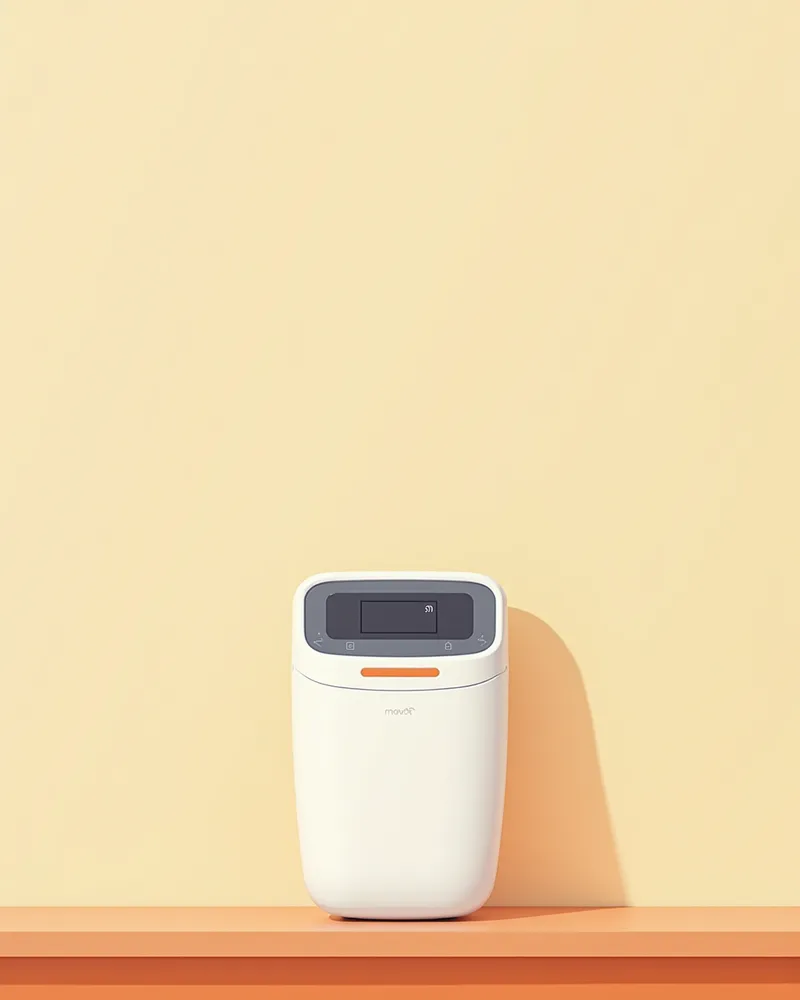
Intraocular pressure measurement is a key test for diagnosing and managing glaucoma and uveitis. To obtain accurate readings, specialized equipment such as a rebound tonometer (TonoVet) or an applanation tonometer (TonoPen) is required. Estimating pressure by pressing on the eye with your fingers is inaccurate, so please verify that the clinic uses a dedicated tonometer. It is also important that the cat is measured in a comfortable position without its neck being restrained, as improper handling can cause the intraocular pressure reading to be artificially high.
An image showing whether an accurate tonometer is available.

Check 2: Whether Bilateral Comparison and Repeated Measurements Are Performed According to Indications
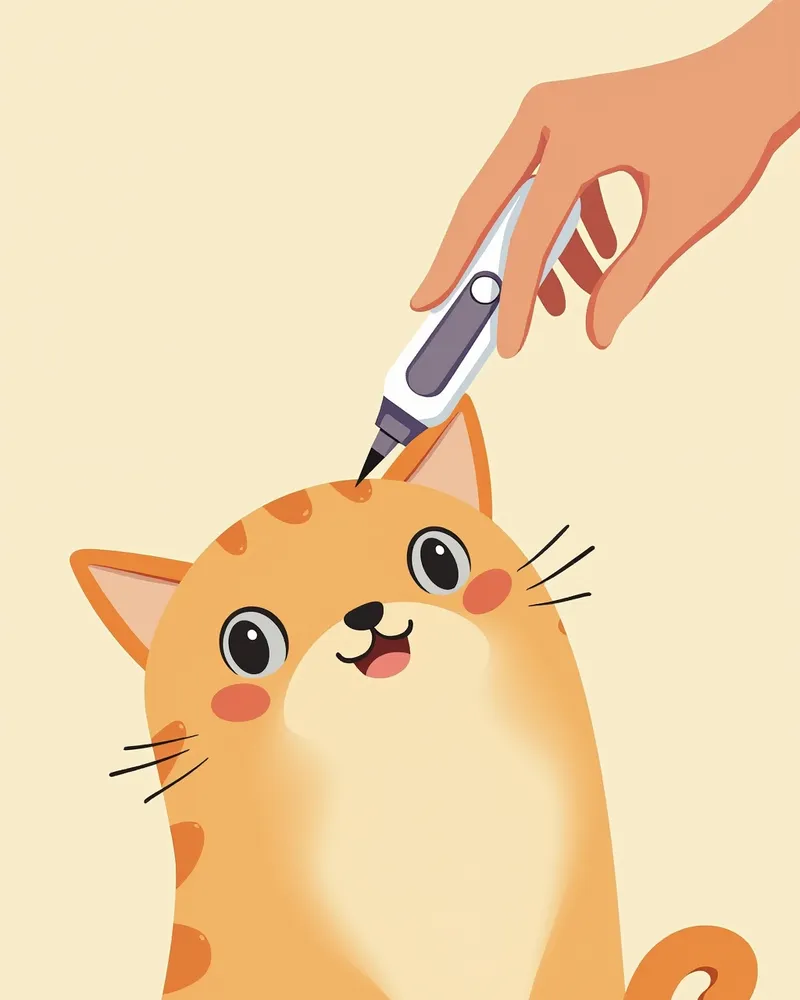
Intraocular pressure is especially important to monitor when your cat shows signs of eye pain, redness, an enlarged appearance of the eye, or suspected vision loss. Cats often develop glaucoma secondary to conditions like uveitis, so it’s essential to compare both eyes and, if necessary, repeat measurements over time to track trends accurately. Rather than relying on a single reading, choose a veterinary clinic that also evaluates underlying causes such as uveitis or tumors. If ongoing management is needed, select a clinic that offers follow-up intraocular pressure monitoring.
An image illustrating how to compare both eyes and take repeated measurements according to the indication.

Check 3: Whether Results Are Interpreted in Conjunction with Ophthalmic Examinations
Rather than relying solely on a single intraocular pressure reading, it’s important to evaluate the overall health of the eye, including the cornea, anterior chamber, and fundus, to clearly identify the cause and determine the appropriate treatment direction. Choose a clinic with experienced veterinary ophthalmologists who can interpret the measurements in context of normal ranges and provide targeted care—such as pressure-lowering treatment for glaucoma or specific therapy if uveitis is the underlying cause. Since timely intervention is crucial for preserving vision, select a clinic that promptly explains the results and coordinates the next steps in care.
An image providing guidance on how to interpret the results of an ophthalmic examination in conjunction with other findings.

Checklist for Choosing a Clinic for Intraocular Pressure Measurement (Tonometry)

ItemRecommended Criteria
EquipmentA place equipped with a dedicated tonometer such as rebound or applanation (finger palpation is inaccurate)
Test OperationA place that observes trends through bilateral comparison and repeated measurement and also examines the underlying disease
Interpretation CompetenceA veterinarian with ophthalmic experience who interprets by combining ophthalmic exams such as the cornea and fundus
Result InterpretationA place that immediately guides treatment appropriate to the cause, such as glaucoma or uveitis
Cost GuidanceA place that informs you in advance of the estimated cost and the possibility of additional tests before testing

This is not a table recommending specific products or hospitals, but a reference to consult with your veterinarian. Decisions about treatment and testing must always be made together with your veterinarian through an examination.

Precautions: Contraindications for Tonometry Use

Even if your cat has an eye injury, rebound tonometers (TonoVet) and applanation tonometers (TonoPen) can be used with caution. However, Schiötz (indentation) tonometry should be avoided if the cornea is ruptured or at risk of rupture. If the eye is severely painful or markedly red, it is safer to have a veterinarian examine it before attempting measurement. To prevent inaccurate readings and further eye damage, avoid pressing directly on the eyeball or compressing the neck (jugular vein) during measurement.

Usage Tips: How to Make Feline Intraocular Pressure Measurement Easier

To help your cat feel comfortable during intraocular pressure measurements, it’s important to first familiarize them with the clinic environment. Before the procedure, keep your cat calm in a quiet, well-lit space and approach them gently to avoid causing stress. During the measurement, avoid touching your cat’s eyes directly and proceed slowly following the veterinarian’s instructions. Afterward, provide treats or affection to create a positive experience. - Pre-adaptation: Bring your cat to the clinic once or twice a week to help them get used to the environment. - Environment optimization: Conduct the measurement in a quiet, well-lit space. - Emotional stability: Monitor your cat’s emotions and respond gently. - Reward system: Immediately reward your cat with treats or affection after the measurement. - Device cleaning: Clean the device thoroughly after use and regularly inspect replaceable parts.

Reviewed by a veterinarian

Dr. Tony — Punnawat Phongkittirak

Dr. Tony — Punnawat Phongkittirak

Veterinarian

A veterinarian who majored in veterinary medicine at Khon Kaen University, Thailand, and completed the IVSA program at North Carolina State University in the United States. Drawing on clinical experience at animal hospitals, he works in the pet healthcare field and is dedicated to building a digital care environment that connects pet parents with veterinarians.

Frequently Asked Questions

How often should I measure my cat’s intraocular pressure?
There’s no standardized testing interval set in stone. Typically, it’s checked during routine wellness exams, but for senior cats or those with a history of eye disease, it’s best to consult your veterinarian about more frequent monitoring.
Does tonometry measurement hurt cats?
The rebound method uses a small probe that briefly and gently touches the cornea, resulting in minimal irritation and no need for anesthetic eye drops. In contrast, the applanation method requires anesthetic drops before measurement, which may cause brief discomfort.
Can I measure my cat's intraocular pressure at home?
Because it requires specialized equipment and training, it’s difficult and risky to measure this at home. The safest option is to have your veterinarian perform the test.
Does high intraocular pressure always mean glaucoma?
Elevated intraocular pressure doesn't necessarily mean glaucoma. It can also be caused by other factors such as high blood pressure or jugular vein compression. However, since it is a major risk factor for glaucoma, further testing is needed.
How often should tonometry equipment be replaced?
According to the manufacturer’s recommendations, it should be replaced on a regular basis. Generally, have it inspected every two to three years, and replace it immediately if you notice any decline in performance.

Share

Related Guides

References

[1] Rusanen E, Florin M, Hässig M, Spiess BM. Evaluation of a rebound tonometer (Tonovet) in clinically normal cat eyes. Vet Ophthalmol. 2010;13(1):31–6.

[2] The Cat, Clinical Medicine and Management, 2nd Edition. Elsevier Health Sciences, 2000.

[3] Tilley LP, Smith FWK. Blackwell’s Five-Minute Veterinary Consult: Canine and Feline. 4th ed. Wiley-Blackwell, 2007.

This information is based on veterinary literature and does not replace diagnosis or treatment. Please consult a veterinarian for specific health concerns.

Metapet Co., Ltd. | CEO: Park Sung-yong | Business Reg. No. 417-88-02562 | Seoul, South Korea | Customer Center

Cat Glaucoma Signs: 7 Best Tonometry (IOP) Tools | Meongsiljang