
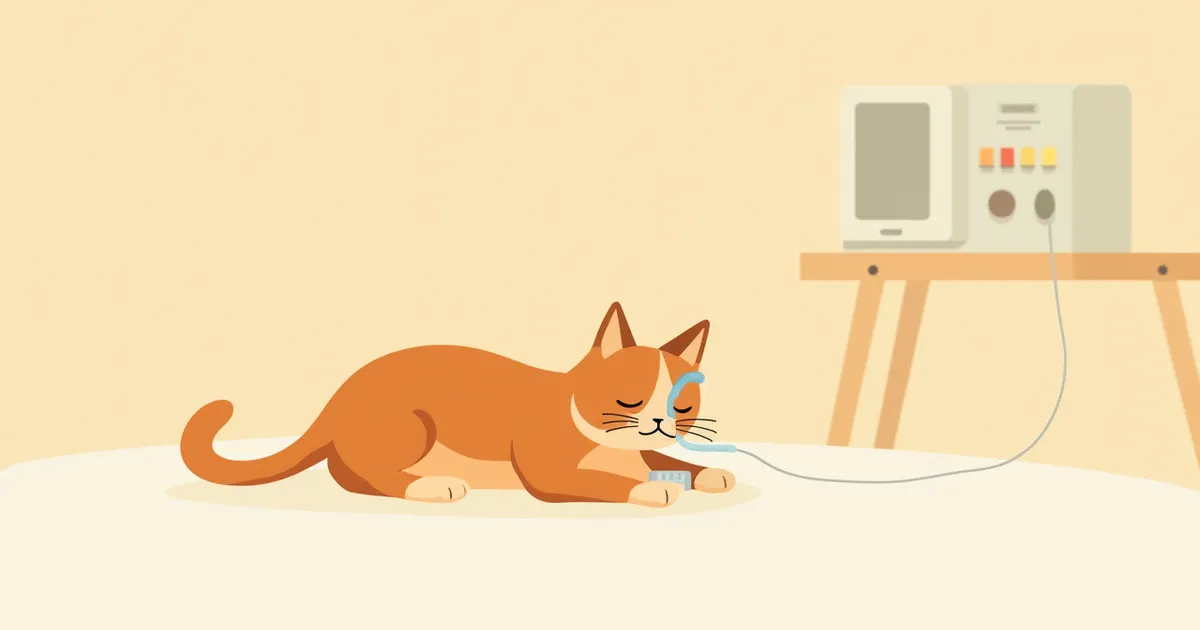
Top Recommended Cat Oxygen Therapy Management Products and Selection Criteria
Oxygen therapy is a life-saving treatment for cats experiencing respiratory distress. Choosing the right equipment and management approach is essential.
What Is Feline Oxygen Therapy?
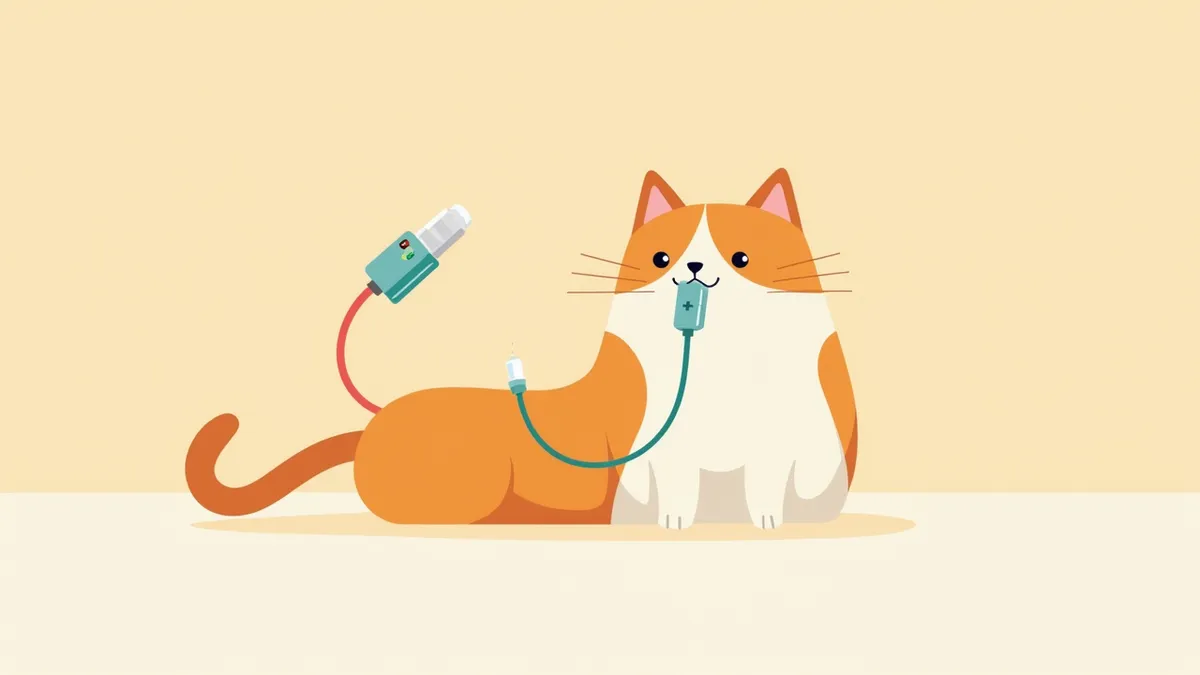
Four Selection Criteria

BEST 1: PetOnix Oxygen Mask Set

BEST 2: Lakes Oxygen Inhalator

BEST 3: CatCare Oxygen Capsules

Comparison Table of BEST 1–3 Products
| Item | Petonix Mask | Rakes Inhaler | CatCare Capsule |
|---|---|---|---|
| Oxygen Concentration Adjustment Range | 40–100% | 40–100% | 40–100% |
| Ease of Use | High | Medium | High |
| Portability | Low | Low | High |
| Price Range | Medium | High | Low |
| Additional Features | Automatic pressure control | Digital monitoring | Simple pump method |
Prices are 2024 averages. We recommend choosing after consulting your veterinarian.
Precautions and Contraindications
Oxygen therapy should only be administered under the direction of a veterinarian. Excessive oxygen supply, particularly high-concentration oxygen exceeding 60% for more than 8 to 12 hours, can lead to oxygen toxicity. Therefore, the oxygen concentration and duration of administration must be carefully adjusted by a veterinarian based on the patient’s condition. If your cat shows signs of anxiety or resistance, stop the treatment immediately and consult your veterinarian. Oxygen equipment should be cleaned and inspected regularly. It is recommended to wash the mask and tubing daily and replace the filter every three months.
Usage Tips and Maintenance

Reviewed by a veterinarian

Dr. Tony — Punnawat Phongkittirak
VeterinarianA veterinarian who majored in veterinary medicine at Khon Kaen University, Thailand, and completed the IVSA program at North Carolina State University in the United States. Drawing on clinical experience at animal hospitals, he works in the pet healthcare field and is dedicated to building a digital care environment that connects pet parents with veterinarians.
Reviewed 2026-06-29
Frequently Asked Questions
When should oxygen therapy be started?
Can I administer oxygen therapy at home?
My cat is anxious about wearing an oxygen mask.
How often should oxygen therapy equipment be cleaned?
My cat isn’t eating while receiving oxygen therapy.
Share
Related Guides

Top Recommended Feline Bronchodilators and Selection Criteria: A Complete Guide

Best Recommendations and Selection Criteria for Monitoring Your Cat’s Respiratory Rate (RR) During Sleep for Heart Care

Best Recommendations and Selection Criteria for Monitoring Your Dog’s Respiratory Rate (RR) During Sleep for Heart Care

7 Key Points for Emergency Management of Canine Congestive Heart Failure Recommended by Veterinarians

7 Key Management Strategies and Selection Criteria for Canine Bradycardia and Atrioventricular Block According to Veterinarians

6 Key Management Strategies for Feline Ventricular Septal Defect (VSD) Recommended by Veterinarians

Cat Heart Disease Red Flags: Top 5 Sleep Respiratory Rate Monitors and Measurement Methods

Top 7 Essential HCM Management Products for Cats Recommended by Veterinarians

Top 5 Feline HCM Genetic Test Kits Recommended by Veterinarians and Selection Criteria
7 Key Management Points for Feline Aortic Thromboembolism Warned by Veterinarians
References
[1] Feline Emergency and Critical Care Medicine, 2nd Ed. 2023. Elsevier.
[2] The Cat, Clinical Medicine and Management, 2nd Edition. 2022. Wiley-Blackwell.
[3] Applied Veterinary Clinical Nutrition, 2nd Ed. 2021. Elsevier.