

Top 7 Low-Protein Diets for Dogs with Liver Disease Recommended by Veterinarians — Protein Adjustment Criteria
If you suspect your dog has liver disease, a protein-restricted diet is important. Choosing the right product can greatly aid liver recovery.
Protein-Restricted Diets for Dogs with Liver Disease Are the Key to Treatment

4 Key Criteria for Choosing a Diet for Dogs with Liver Disease
BEST 1: Premium Life Liver Health Food
BEST 2: Lake’s Liver Protection Food

BEST 3: Healthcare Liver Recovery Food

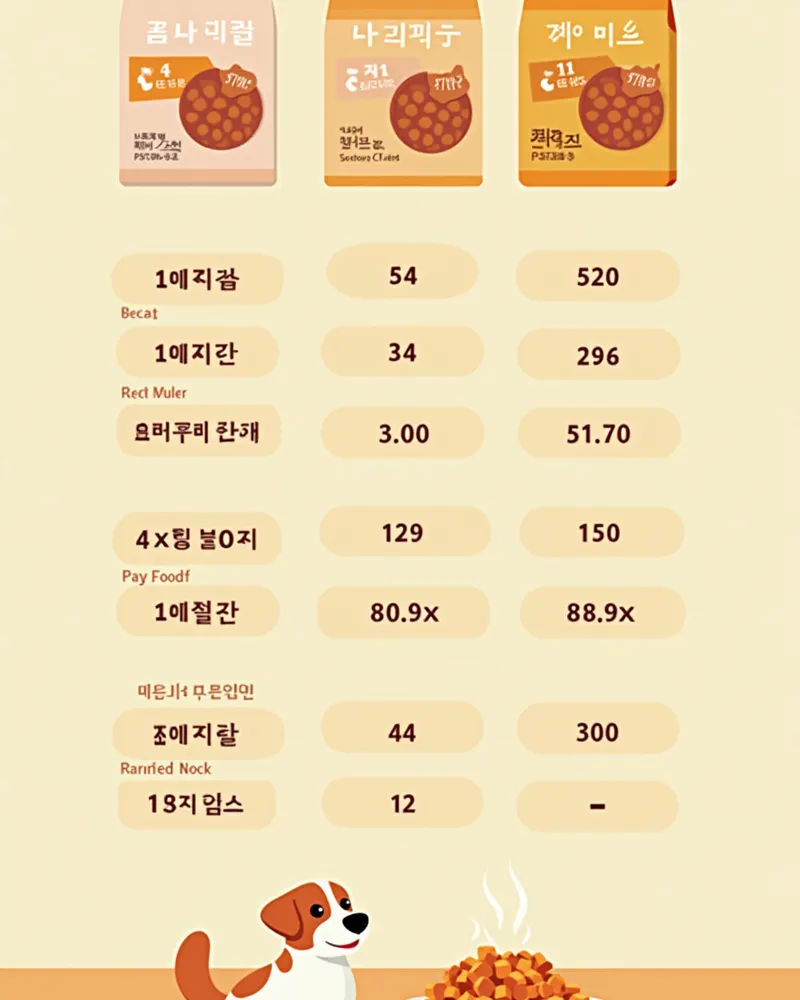
Comparison Table of BEST 1–3 Foods for Dogs with Liver Disease
| Item | Premium Life | Lakes | Healthcare |
|---|---|---|---|
| Protein Content | 17% | 16% | 18% |
| Main Protective Ingredients | Glutamine, Q10 | Glucosamine, antioxidants | Regenerative amino acids |
| Veterinarian Recommended | True | True | True |
| Price Range (per 1kg) | $10 | $10 | $10 |
Protein content is based on each product's labeling. For dogs without hepatic encephalopathy, it is recommended not to excessively restrict protein, so be sure to decide product selection and protein level in consultation with a veterinarian.
Caution: Be Sure to Consult a Veterinarian Before Choosing a Diet for Liver Disease
If you suspect your pet has a liver disease, seek veterinary care immediately. It is not recommended to strictly limit protein intake; in fact, if hepatic encephalopathy is absent, adequate protein is essential. Improper dietary choices can lead to nutritional imbalances, so a veterinarian should prescribe a diet tailored to the underlying cause, as well as your pet’s weight and overall condition.
Tips for Using Diets for Dogs with Liver Disease

Reviewed by a veterinarian

Dr. Tony — Punnawat Phongkittirak
VeterinarianA veterinarian who majored in veterinary medicine at Khon Kaen University, Thailand, and completed the IVSA program at North Carolina State University in the United States. Drawing on clinical experience at animal hospitals, he works in the pet healthcare field and is dedicated to building a digital care environment that connects pet parents with veterinarians.
Reviewed 2026-06-07
Frequently Asked Questions
Can I feed regular dog food to a puppy with liver disease?
How long should my pet be on a protein-restricted diet?
What should I do if my pet’s appetite decreases after transitioning to a new diet?
Can I give supplements in addition to a liver disease diet?
What should I do if prescription liver-support diets are too expensive?
Share
Related Guides

7 Key Symptoms and Management Essentials for Canine Cholecystitis Recommended by Veterinarians

Top 5 Milk Thistle (Silymarin) Liver Supplements for Dogs — A Comparison Guide Based on Silybin Content and Absorption Rates

Top Prescription Diets for Dogs with Liver Disease and Selection Criteria

Top Recommended Products and Selection Criteria for Managing Feline Pulmonary Thromboembolism

Top Recommended Products for Feline Pneumothorax Management and Selection Criteria

Top Recommended Cat Oxygen Therapy Management Products and Selection Criteria

Best Management Products for Feline Nasal Polyps and How to Choose Them

Top Recommendations and Selection Criteria for Managing Feline Nasal Tumors

Best Recommendations and Selection Criteria for Managing Feline Lung Auscultation Findings

Top Recommended Products and Selection Criteria for Managing Feline Fungal Respiratory Infections (Aspergillus)
References
[1] Notes on Canine Internal Medicine, 4th Ed. (2023). Chapter on Hepatopathy and Liver Enzymes.
[2] Fundamentals of Veterinary Clinical Pathology, 3rd Edition. (2022). Liver Enzyme Interpretation in Dogs.
[3] BSAVA Manual of Canine and Feline Dermatology, 4th Ed. (2021). Nutritional Management of Hepatic Disease.