Like
Share
멍실장
고양이 흡입 스테로이드 치료(고양이) 관리 추천 BEST와 고르는 기준 총정리

Top 3 Recommendations and Selection Criteria for Feline Inhaled Steroid Therapy

RespiratoryTop PicksMeongsiljang Veterinary Advisory Board

Inhaled steroid therapy is a cornerstone in managing feline asthma and inflammatory lung diseases. Here’s a guide to choosing effective, safe products, along with our top three recommendations.

What Is Feline Inhaled Steroid Therapy?

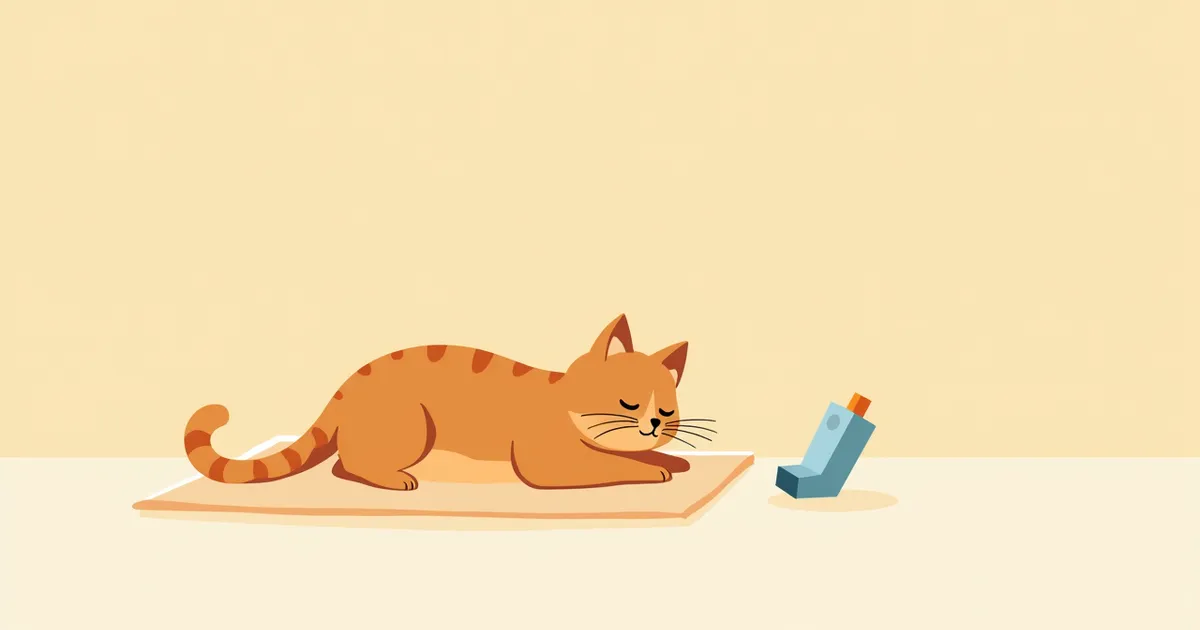
The mechanism of inhaled steroid therapy, which delivers medication directly to a cat’s lungs
Feline inhaled steroid therapy delivers steroids directly to the lungs to reduce airway inflammation and manage symptoms of respiratory conditions such as asthma and chronic bronchitis. Because the medication acts locally in the airways, systemic effects are minimized, making it well-suited for long-term inflammation control; as a result, it is increasingly recommended as the first-line option over oral steroids. However, during severe acute exacerbations, oral steroids or emergency interventions may still be necessary. This treatment helps alleviate symptoms such as coughing, difficulty breathing, and wheezing. Using an inhaler with a spacer and mask ensures effective drug delivery to the lungs, while gradual desensitization training is essential to help your cat become comfortable with the process. Regular administration and veterinary check-ups are crucial to monitor treatment response. This therapy must always be administered under the guidance of a qualified veterinarian.

Key Considerations When Evaluating Inhaled Steroid Therapy
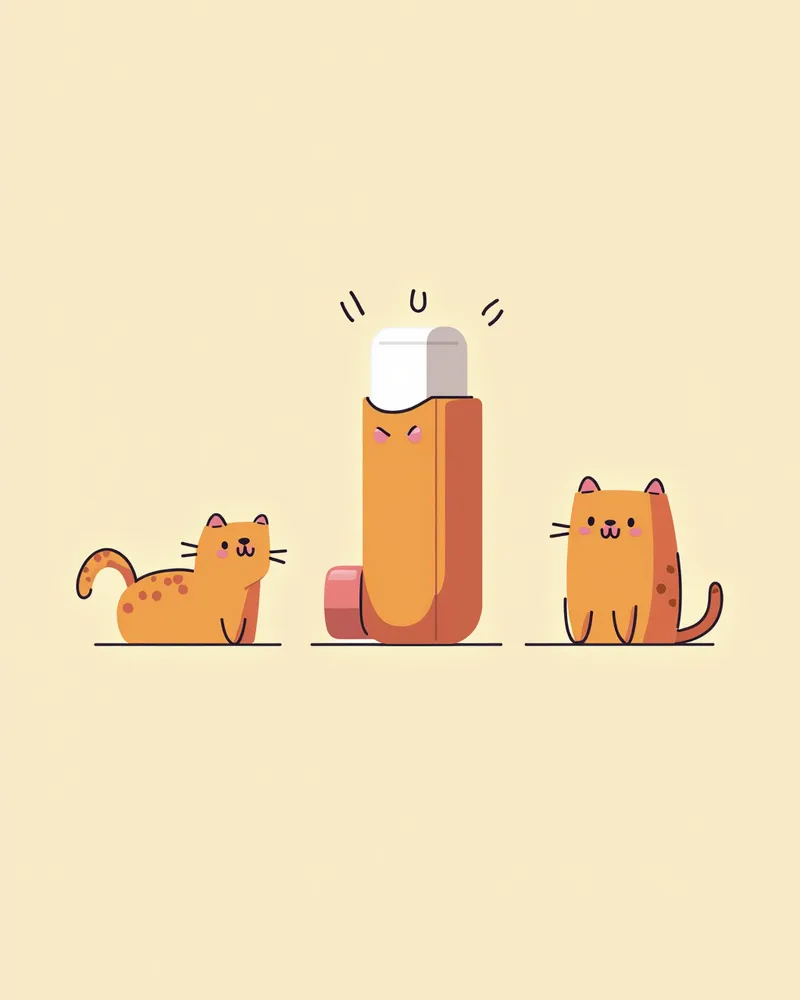
When choosing an inhalation steroid product for cats, efficacy and safety are the most important factors. Be sure to check the following four criteria:
Drug delivery to the lungs: Look for a design that ensures the medication reaches the airways and lungs effectively, rather than depositing in the mouth or throat. However, since the optimal dose for inhaled steroids in cats has not yet been clearly established, always follow your veterinarian’s prescribed dosage.
Inhaler design: The mask should fit snugly over the cat’s nose and mouth, and the connection to the spacer should be secure, ensuring ease of use for your cat.
Minimizing side effects: Choose a device designed to reduce systemic absorption, thereby lowering the risk of side effects.
Ease of use: The product should have a simple design that facilitates regular, consistent administration.
Comparing the design differences of cat inhalation steroid treatment devices

Key Point 1: What Is the Treatment and Why Is It Used?

Inhaled steroids are a treatment for feline asthma and chronic bronchitis that helps reduce airway inflammation. The medication is delivered directly to the lungs using a specialized inhaler, spacer, and cat-specific mask. Because the drug acts directly on the airways, it has fewer systemic side effects compared to oral steroids. However, it is essential to confirm the diagnosis of asthma through proper testing when symptoms like coughing or wheezing are present, and use the medication only under veterinary prescription. The success of this treatment largely depends on both the cat’s and owner’s adaptation to the therapy and proficiency in using the equipment.
What is this treatment, and why is it used? Related guide image

Key Point 2: Proper Technique and Consistency Are Essential

Inhalation therapy involves placing a mask over your cat’s nose and mouth so they inhale the medication with each breath, which means some initial acclimation training is necessary. Keep sessions short and calm, using treats to create positive associations and gradually build familiarity. Even if symptoms appear to have resolved, continue the treatment exactly as prescribed to keep inflammation under control; do not stop it on your own. To ensure proper technique, ask your veterinarian or clinic staff to demonstrate how to use the inhaler. If your cat struggles to adapt, the clinic can provide additional training support or stress-reduction strategies.
Proper use and consistency are key. See the related guide images.

Key Point 3: Monitor for Emergency Signs and Schedule Regular Evaluations

Inhaled steroids are maintenance medications that help control inflammation, but they do not provide immediate relief during emergencies such as sudden paroxysmal coughing or severe respiratory distress, which require prompt, separate intervention. If your pet is breathing with an open mouth and struggling for air, seek veterinary care immediately. On a day-to-day basis, monitor the frequency of coughing and breathing patterns to assess treatment response, and regularly review the medication dosage with your veterinarian. It is helpful to approach asthma with the understanding that it is a condition managed through consistent care to reduce flare-ups, rather than one that can be completely cured. In some cases, once the treatment effect has stabilized, the dosage may be gradually reduced after a period of long-term maintenance.
Keep an eye on emergency signs and schedule regular check-ups. Refer to the related guide image.

Important Facts About Inhaled Steroid Therapy

ItemKey points
Treatment overviewAn inhaler + spacer + mask directly calms airway inflammation (asthma, chronic bronchitis)
AdvantagesLess systemic impact than oral steroids, potentially reducing the risk of side effects
How to useRequires acclimation training; use consistently as prescribed, do not discontinue arbitrarily, and regular medication and testing checks are essential
Emergency signsRespiratory distress such as paroxysmal coughing or open-mouth breathing warrants an immediate hospital visit
ManagementObserve coughing and breathing and check the dose regularly; the dose can be gradually adjusted according to treatment response

This is not a table recommending specific products or hospitals, but a reference for when you consult your veterinarian. Treatment and testing decisions must always be made together with your veterinarian through an examination.

Caution: Side Effects May Occur with Overdose or Improper Use

Proper dosage and technique are crucial when administering inhaled steroids to cats. Prolonged or excessive use of steroids can increase the risk of side effects such as diabetes mellitus and congestive heart failure. In particular, oral steroids may cause polydipsia (excessive thirst) and polyuria (frequent urination). It is essential to learn how to use the inhaler directly from your veterinarian or clinic, and regular check-ups are necessary to adjust the dosage and monitor for adverse effects. Since inhalation therapy often requires long-term management, careful medication adherence and ongoing monitoring are essential.

Tips for Helping Your Cat Accept Inhaler Use

Successful management of inhaled steroid therapy for cats requires both training and environmental adjustments.
When to start training: Begin gradually once symptoms are stable.
Reward-based training: Create positive associations by offering treats or playtime after inhalation.
Quiet environment: Administer the medication in a calm, quiet space to minimize stress.
Regular check-ups: Periodically monitor lung function with your veterinarian, and assess medication adherence and any potential side effects.
A cat receiving a reward after using the inhaler.

Reviewed by a veterinarian

Dr. Tony — Punnawat Phongkittirak

Dr. Tony — Punnawat Phongkittirak

Veterinarian

A veterinarian who majored in veterinary medicine at Khon Kaen University, Thailand, and completed the IVSA program at North Carolina State University in the United States. Drawing on clinical experience at animal hospitals, he works in the pet healthcare field and is dedicated to building a digital care environment that connects pet parents with veterinarians.

Frequently Asked Questions

When should treatment with inhaled corticosteroids begin in cats?
If symptoms persist or abnormalities are detected in lung function tests, your veterinarian will determine the appropriate time to begin treatment. Even when symptoms are mild, early intervention to control inflammation can be beneficial.
What should I do if my cat coughs after using an inhaler?
A temporary cough is a common reaction after using an inhaler. If it persists, consult your veterinarian, as medication adjustments may be necessary.
How should I clean the nebulizer?
Wash with water once a week and store in a dry place. For cleaning instructions, refer to the product manual.
What should I do if my cat refuses to use the inhaler?
Avoid forcing your pet; instead, use reward-based training to create positive experiences. Your veterinarian can help you adjust the training methods as needed.
Do cats need to stay on inhaled steroid therapy for life?
Your veterinarian will adjust the treatment duration based on the severity of the condition and your pet’s response. Once symptoms stabilize, the dosage may be gradually reduced, and discontinuation may be considered after a maintenance period.

Share

Related Guides

References

[1] BSAVA Manual of Canine and Feline Dermatology, 4th Ed, 2021

[2] Handbook of Veterinary Pharmacology, 2020

[3] Veterinary Workbook of Small Animal Clinical Cases, 2019

This information is based on veterinary literature and does not replace diagnosis or treatment. Please consult a veterinarian for specific health concerns.

Metapet Co., Ltd. | CEO: Park Sung-yong | Business Reg. No. 417-88-02562 | Seoul, South Korea | Customer Center

Feline Inhaled Steroid Therapy: Top 3 Picks & How to Choose | Meongsiljang