Like
Share
멍실장
고양이 요관 결석 고양이 관리 추천 BEST와 고르는 기준 총정리

Feline Ureteral Stones: Best Management Recommendations and Selection Criteria

UrinaryTop PicksMeongsiljang Veterinary Advisory Board

Feline ureteral stones are a serious condition that can cause acute pain and pose a risk of kidney damage. Effective management and appropriate product selection can improve survival rates.

Feline Ureteral Stones Are a Serious Acute Condition
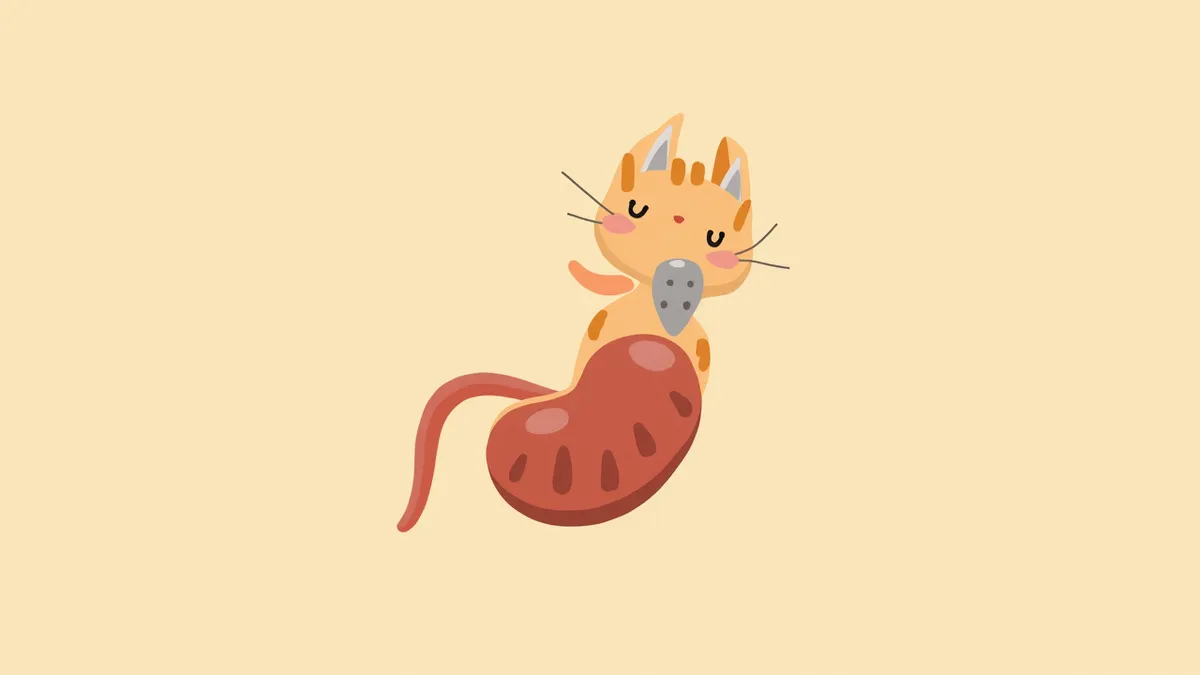
Anatomical location of feline urethral calculi
Feline ureteral obstruction is a condition in which stones block the ureter, preventing urine from flowing from the kidneys to the bladder. When the ureter is blocked, urine backs up into the kidneys, potentially causing kidney damage and elevated blood waste products (azotemia). Ureteral obstruction is relatively common in cats and is a key differential diagnosis to consider when azotemia is detected. Complete urinary tract obstruction, in which the cat attempts to urinate but produces no urine, is a life-threatening emergency due to electrolyte and acid-base imbalances, so seeking veterinary care immediately is crucial. The risk increases with the severity and duration of the blockage, making early diagnosis and appropriate treatment essential for improving survival rates. Work closely with your veterinarian to develop a treatment plan and implement long-term management strategies to prevent recurrence. Ultimately, early detection and prompt intervention are the most critical factors.

Selection Criteria: Four Key Factors

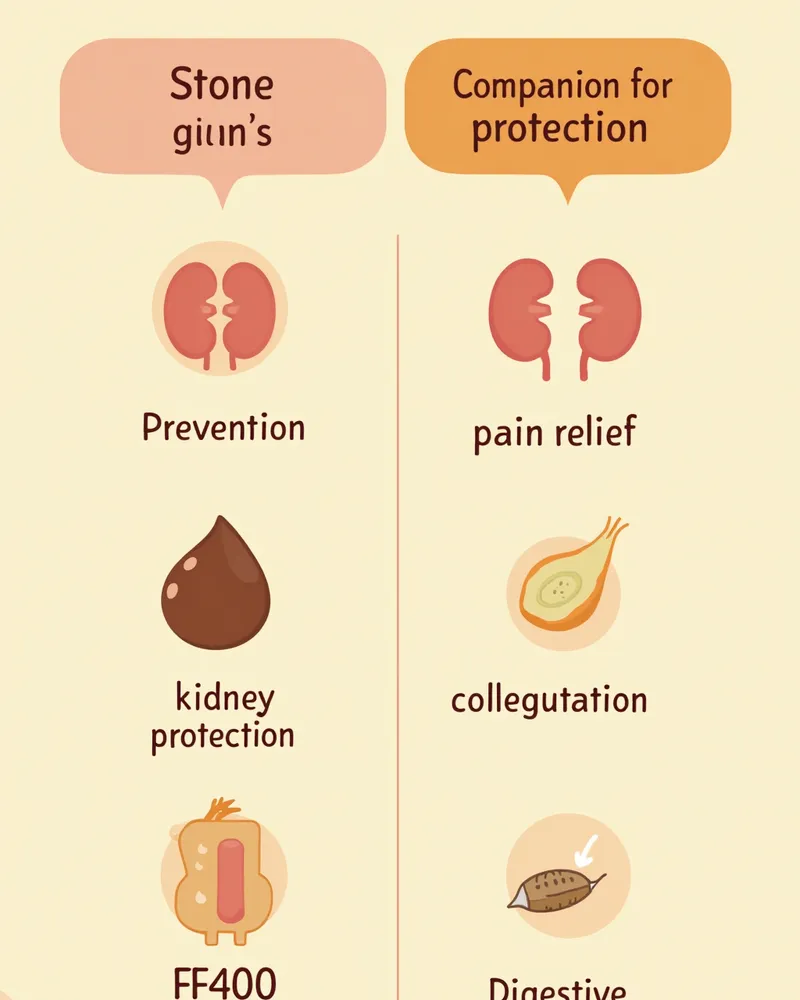
When choosing a urinary stone management product for your cat, focus on three core functions: stone prevention, increased water intake, and kidney protection. For stone prevention, regulating urine pH and concentration is key, so foods that help alkalize urine and are moderate in calcium, oxalate, sodium, and protein can be beneficial. Diets formulated to prevent calcium oxalate stones often include ingredients like potassium citrate to help alkalize the urine. The foundation for both kidney protection and stone prevention is increasing water intake through wet (canned) food, which helps lower urine specific gravity below 1.030. However, pain and inflammation should be addressed through veterinary diagnosis and treatment, not products alone. Management should be tailored to your cat’s individual health status, and it is safest to consult your veterinarian before selecting any product.
How to choose a product for managing feline urethral stones

BEST 1: Premium Feline Ureteral Stone Prevention Food
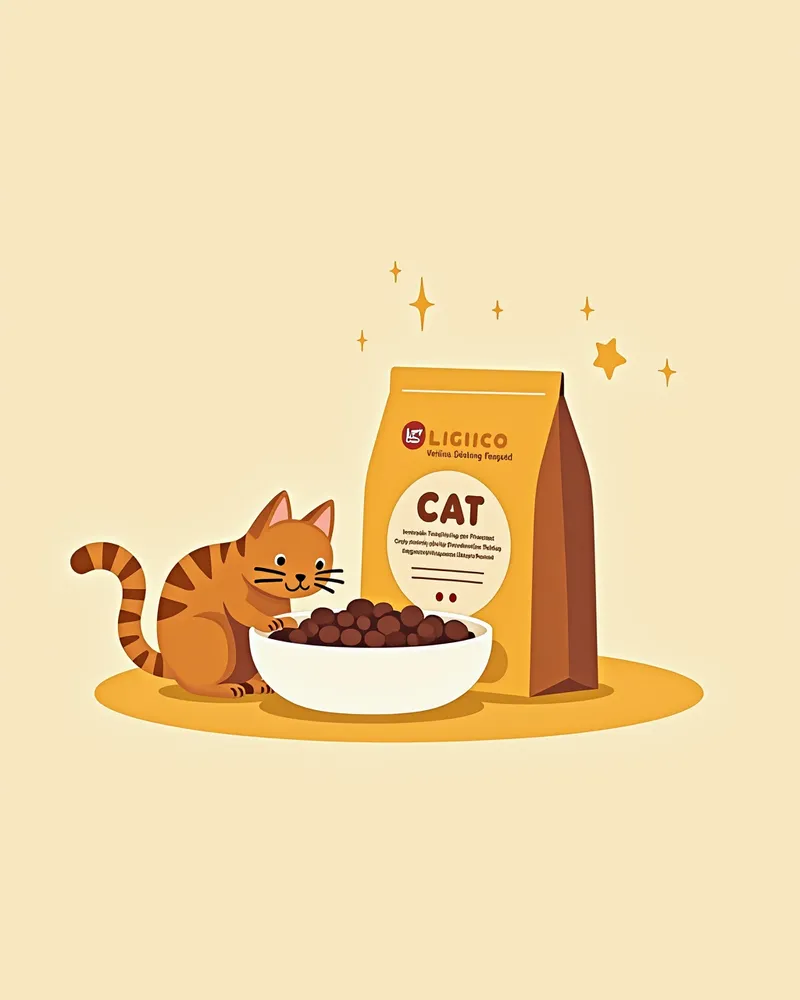
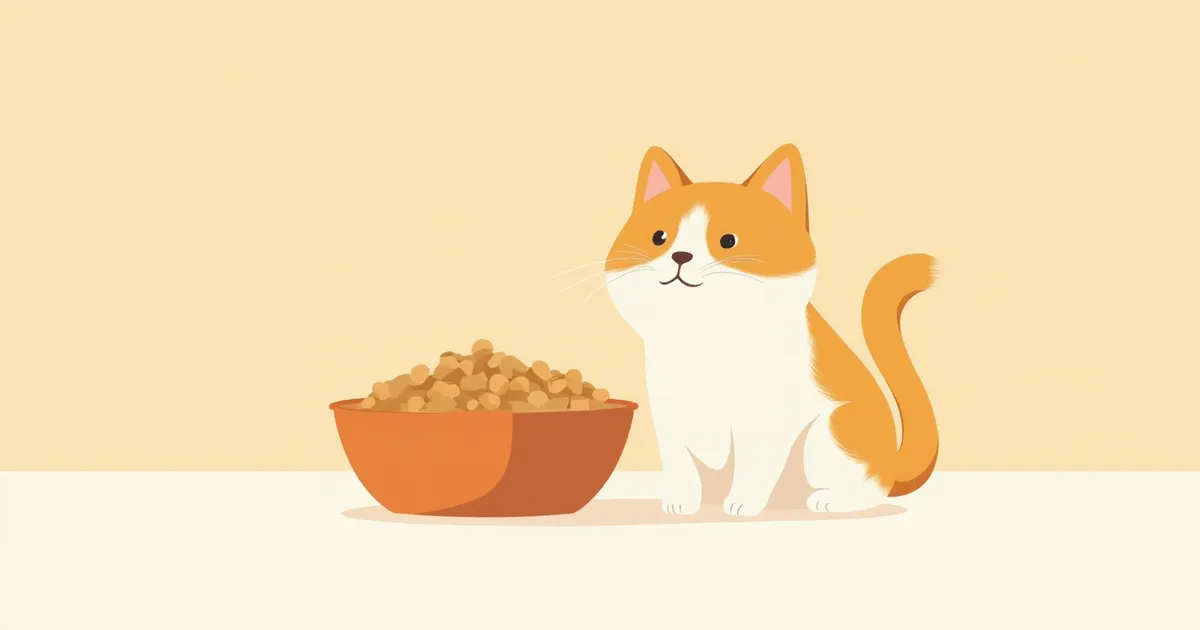
This food is specially formulated to stably adjust the acidity (pH) of urine toward the alkaline side and naturally encourage water intake through its high-moisture (canned) form. It features a balanced combination with moderate levels of calcium, oxalate, and sodium, as well as appropriate protein levels, to reduce kidney burden. Additionally, it contains alkalizing ingredients like potassium citrate, which can help lower the risk of stone recurrence. However, remember that calcium oxalate stones cannot be dissolved through diet, so prevention is key. When switching foods, transition gradually and follow your veterinarian's advice. Be sure to carefully review the product's ingredient list and nutritional information.
BEST 1 Urinary Tract Stone Prevention Diet

BEST 2: Moisture-Supplementing Paté Snack

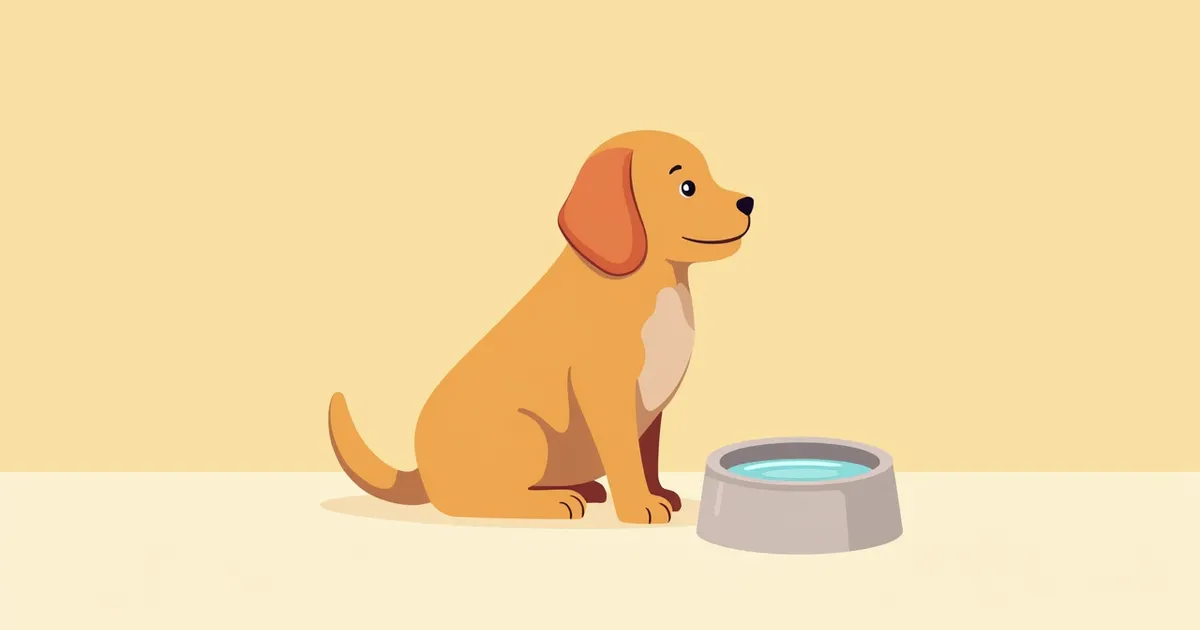
This snack effectively hydrates cats that don’t drink enough water. Its high moisture content helps dilute urine and lower specific gravity, which can reduce the risk of stone formation. Cats love its taste and texture, making it easy to feed. Follow the product guidelines to maintain an appropriate daily intake of 1–2 pieces. Increasing water intake is a key part of urinary tract health management, especially for cats that don’t drink enough water. We also recommend using canned (high-moisture) food, placing multiple water bowls around the house, and using a flowing water fountain. It’s convenient to offer as a treat, but consistent care is essential.
Top 2 Hydration-Boosting Snacks

BEST 3: Supplement with Kidney-Protective Ingredients
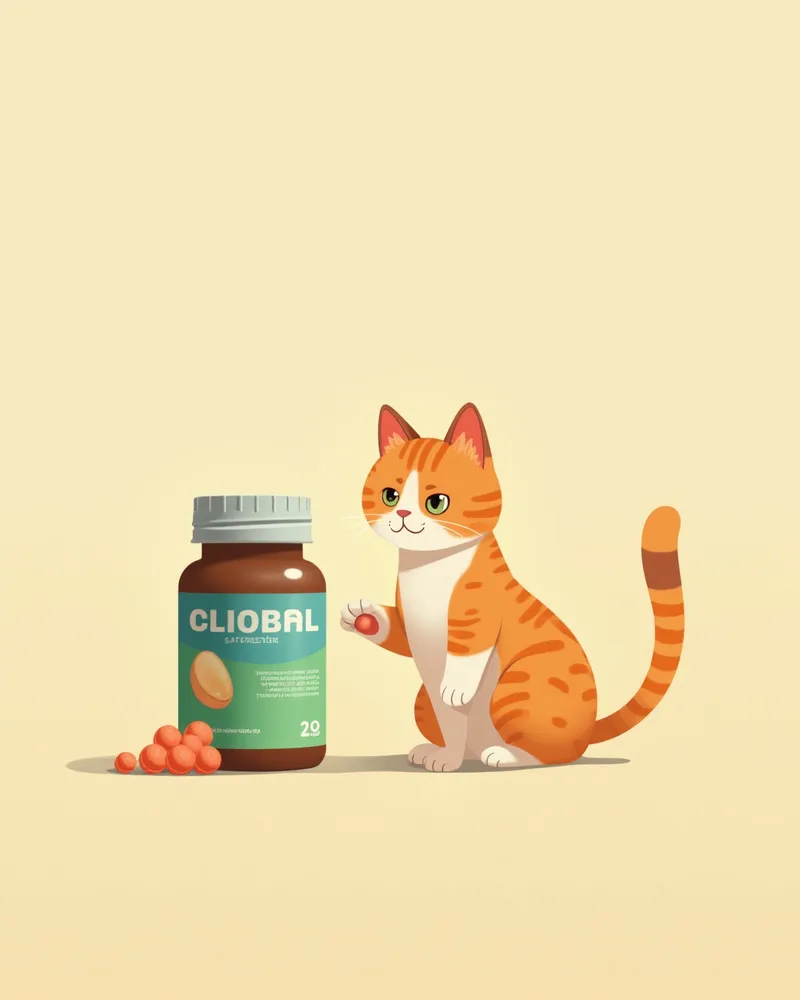
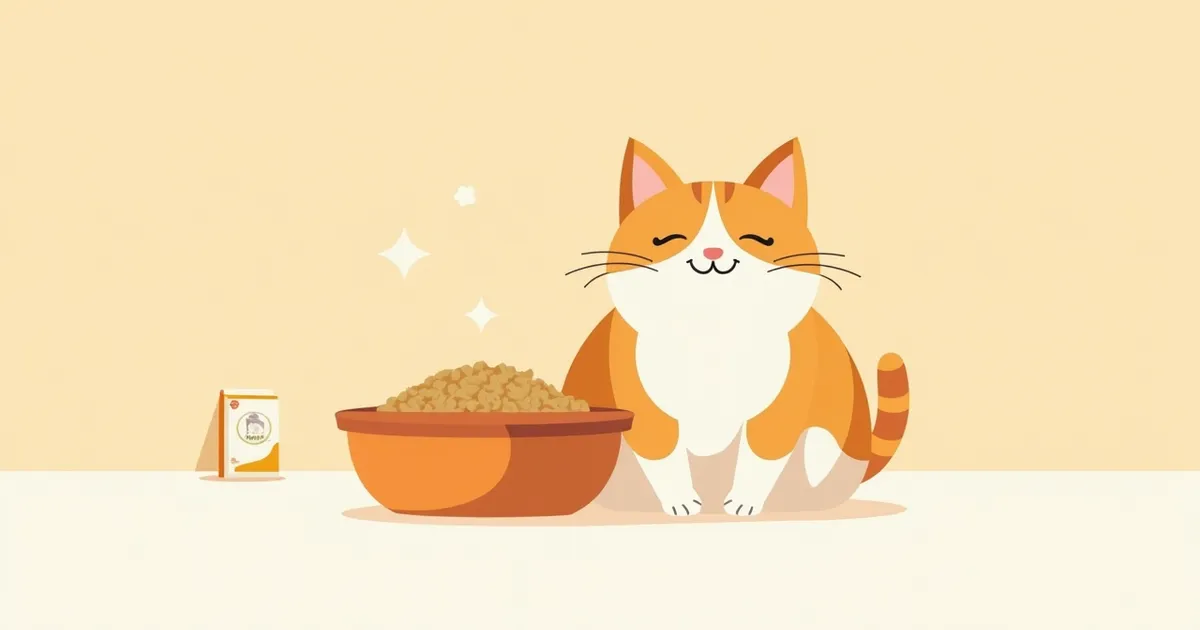
Supplements are supportive aids and cannot replace primary treatment. Glucosamine has been studied in the context of managing feline idiopathic cystitis, so it may be considered as a supportive measure for urinary tract mucosal health. Regarding kidney health, there are reports that antioxidants such as vitamins E and C, and beta-carotene, may help maintain function by reducing oxidative stress in chronic kidney disease. However, these effects are supportive in nature, and potential interactions with other medications must be assessed on a case-by-case basis; therefore, always consult your veterinarian before administration. Since supplements are ultimately just supportive tools, they should be used alongside primary treatment and consistent kidney health management.
Top 3 Kidney Support Supplements

Comparison Table of BEST 1–3 Products

ItemBEST 1 FoodBEST 2 SnackBEST 3 Supplement
Key IngredientsLow calcium & low oxalate, pH regulator (potassium citrate), appropriate protein85% water, raw meat extractGlucosamine, antioxidants (vitamin E·C, beta-carotene)
Main EffectsStone prevention, urine alkalinization & concentration controlHydration, maintenance of urinary healthSupport for urinary and kidney health
Feeding MethodDaily meal replacement1–2 pieces/day as a snack1 capsule per day, with meals
Additional BenefitsSuitable for long-term use, high cat preferenceEncourages increased water intakeSupplementary support role, useful for long-term management

Use after consulting with a veterinarian is recommended. In case of acute symptoms, an immediate hospital visit is necessary.

Caution: Immediate Veterinary Visit Is Essential for Acute Symptoms

If your cat is straining to urinate but producing no urine, or showing signs of severe pain, it could be a medical emergency caused by a urinary blockage. A complete urinary obstruction can be life-threatening due to dangerous imbalances in electrolytes and acid-base levels, so it is crucial to seek veterinary care immediately. Delaying treatment can lead to permanent kidney damage.

Usage Tip: Long-Term Management Is Key
Consistent care remains essential even after stones have been treated. Calcium oxalate stones are known to frequently recur within two years, making prevention of recurrence particularly important. When changing diets, transition gradually and focus on increasing water intake by feeding wet (high-moisture) food. Adequate hydration is crucial for urinary tract health, as it dilutes the urine and lowers specific gravity; however, the target intake amount may vary depending on your cat’s condition. Schedule regular check-ups to monitor urinary tract health and closely observe any changes in your cat’s eating habits. If sudden urinary difficulties or pain occur, seek veterinary care immediately. Maintaining open communication with your veterinarian and flexibly adjusting the management plan is key to preventing recurrence.
Tips for Managing Feline Urethral Stones

Reviewed by a veterinarian

Dr. Tony — Punnawat Phongkittirak

Dr. Tony — Punnawat Phongkittirak

Veterinarian

A veterinarian who majored in veterinary medicine at Khon Kaen University, Thailand, and completed the IVSA program at North Carolina State University in the United States. Drawing on clinical experience at animal hospitals, he works in the pet healthcare field and is dedicated to building a digital care environment that connects pet parents with veterinarians.

Frequently Asked Questions

Can feline urethral stones be completely cured?
While the stones themselves can be removed, the high risk of recurrence makes long-term management essential. In particular, calcium oxalate stones cannot be dissolved through diet and require physical removal, with recurrence within two years being quite common.
Is kibble alone enough?
While diet is fundamental, combining it with increased water intake yields even better results. A comprehensive approach is key for long-term management.
How can I encourage my pet to drink more water?
Feeding canned (high-moisture) food, placing multiple water bowls around the house, and using a flowing water fountain can all help increase your pet’s water intake.
When should I give my pet supplements?
Administer once daily with food, following your veterinarian’s instructions. Consult your vet before using this medication alongside other drugs to ensure safety.
What is the most important thing in preventing recurrence?
Increasing water intake and regular check-ups are the most important, and dietary management along with ongoing communication with your veterinarian is also essential.

Share

Related Guides

References

[1] The Cat, Clinical Medicine and Management, 2nd Edition. Elsevier, 2023.

[2] Feline Emergency and Critical Care Medicine, 2nd Ed. Wiley-Blackwell, 2021.

[3] Plumb's Veterinary Drug Handbook, 9th Edition. Wiley-Blackwell, 2022.

This information is based on veterinary literature and does not replace diagnosis or treatment. Please consult a veterinarian for specific health concerns.

Metapet Co., Ltd. | CEO: Park Sung-yong | Business Reg. No. 417-88-02562 | Seoul, South Korea | Customer Center

Feline Ureteral Stones: Best Management & Criteria | Meongsiljang