Like
Share
멍실장
고양이 신장 기능 혈액검사(BUN·Cr·SDMA) 관리 추천 BEST와 고르는 기준 총정리

5 Key Indicators for Cat Kidney Blood Tests Recommended by Veterinarians — BUN, Creatinine, and SDMA

KidneyTop PicksMeongsiljang Veterinary Advisory Board

Blood tests that include BUN, creatinine, and SDMA are essential for accurately assessing your cat’s kidney function. These tests help detect and manage early-stage kidney disease.

What Is a Cat Kidney Function Blood Test (BUN, Cr, SDMA)?
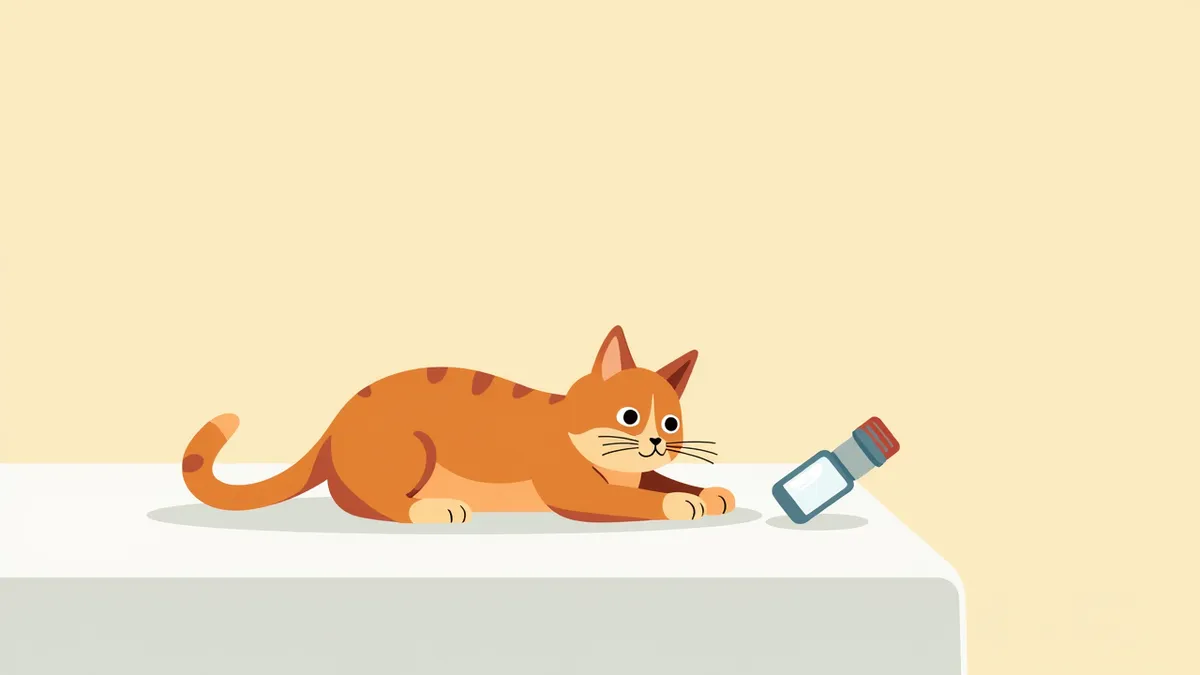
A cat undergoing a blood draw as part of a kidney function test.
A feline kidney function blood test evaluates whether the kidneys are functioning normally by measuring BUN, creatinine (Cr), and SDMA levels. These three indicators reflect the kidneys' ability to eliminate waste products. In particular, SDMA can detect early kidney damage, providing more sensitive information than traditional tests. Because feline kidney disease often shows no symptoms in its early stages, regular testing is crucial.

Selection Criteria: Tips for Choosing a Clinic for Kidney Blood Tests

When choosing a blood test for your cat’s kidney function, there are four key things to check. First, make sure the test includes SDMA. Tests that only measure BUN and creatinine may miss early kidney damage. Second, check how long the test takes. To quickly detect changes in kidney function, results should be available within 24 hours. Third, compare the cost of the test. Since regular testing is repeated, consider the long-term expenses. Fourth, confirm whether the testing facility is recommended by your veterinarian. Professional facilities provide higher accuracy.
The veterinarian is analyzing the cat’s kidney test results.

Check 1: Whether a Kidney Panel Including SDMA Is Available

While blood tests for kidney function typically include BUN and creatinine, these markers often rise only after kidney function has significantly declined. SDMA, on the other hand, reflects decreased kidney function at an earlier stage, so it’s beneficial to choose a clinic that offers a kidney panel including SDMA. This is especially important for senior cats or those prone to chronic kidney disease, as early detection is key. Be sure to confirm which markers are included in the test before your visit.
An informational image showing whether you can view a kidney panel that includes SDMA.

Check 2: Whether Hydration Status and Urinalysis Are Considered Together
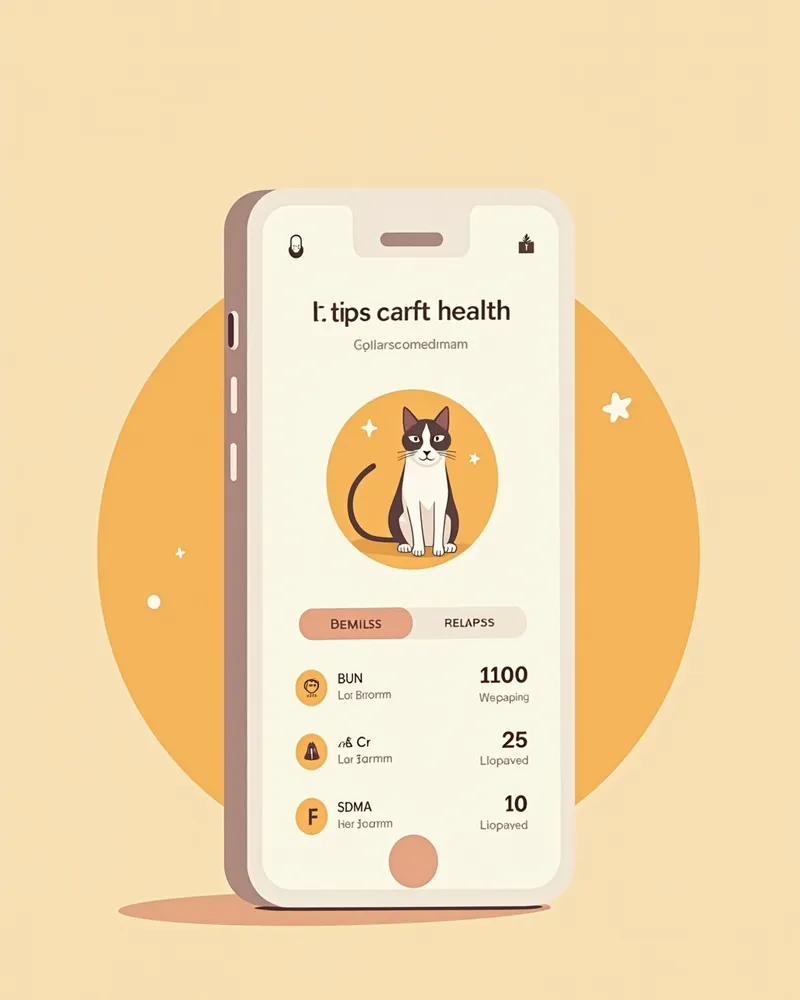
Blood test results can vary depending on hydration status and whether the patient is fasting, so it’s important to interpret them in the context of the animal’s hydration at the time of testing. Additionally, kidney function should be assessed not only through blood tests but also with urine tests such as urine specific gravity and urine protein-to-creatinine ratio (UPC) for accurate evaluation. Choosing a clinic that offers both kidney blood tests and urine tests, and can also perform blood pressure measurements when needed, allows for a more comprehensive assessment of kidney health.
An informational image explaining how hydration status and urinalysis are considered together.

Check 3: Whether Results Are Interpreted and Tracked According to IRIS Staging
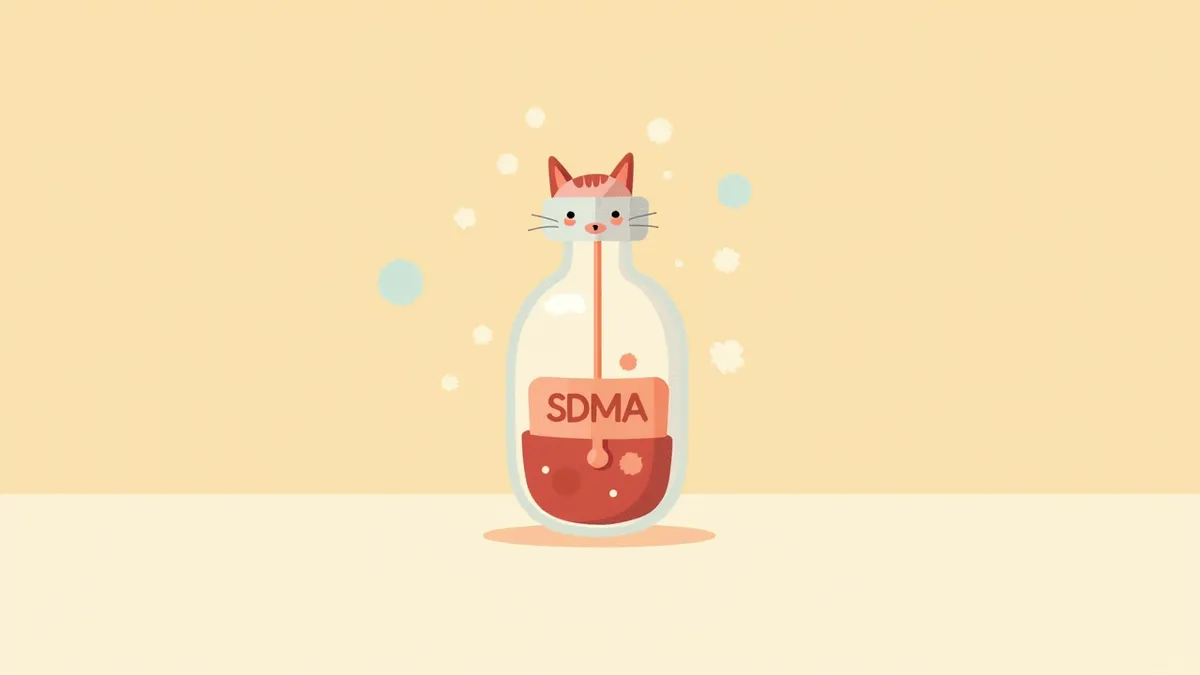
An image explaining how to interpret and monitor based on IRIS stages
With kidney disease, tracking how values change over time is more important than looking at a single set of results. It’s best to choose a clinic where the veterinarian classifies your pet’s current condition according to international IRIS staging guidelines, compares it with previous test results to explain the rate of progression, and provides guidance on dietary, fluid, and medication management tailored to those values while also scheduling the next follow-up tests. With such comprehensive care, chronic kidney disease can be managed stably.

Checklist for Choosing a Clinic for Kidney Function Blood Tests

ItemRecommended Criteria
Test ItemsA facility that examines a renal panel including SDMA in addition to BUN and creatinine
Testing OperationA facility that considers hydration status and also examines urinalysis such as urine specific gravity and proteinuria
Interpretation CapabilityA veterinarian who classifies and interprets kidney status based on IRIS staging criteria
Result InterpretationA facility that explains the rate of progression and management direction by comparing with previous values
Cost InformationA facility that informs you in advance of expected costs and the possibility of additional tests before the exam

This is not a table recommending specific products or clinics, but criteria to reference when consulting your veterinarian. Always make treatment and testing decisions together with your veterinarian through an examination.

Caution: Always Consult Your Veterinarian When Interpreting Test Results

BUN, creatinine, and SDMA levels can vary significantly depending on a cat’s age, hydration status, and diet, so they should never be interpreted in isolation. In particular, SDMA is not specific to kidney disease alone; it can also rise due to prerenal causes like dehydration, postrenal causes such as urinary tract obstruction, or other conditions including growth phases, infections, and tumors. Therefore, an elevated SDMA level does not automatically indicate kidney disease. A definitive diagnosis should only be made by a veterinarian after a comprehensive evaluation of the cat’s overall health.

Usage Tip: Maintain Kidney Health with Regular Screenings
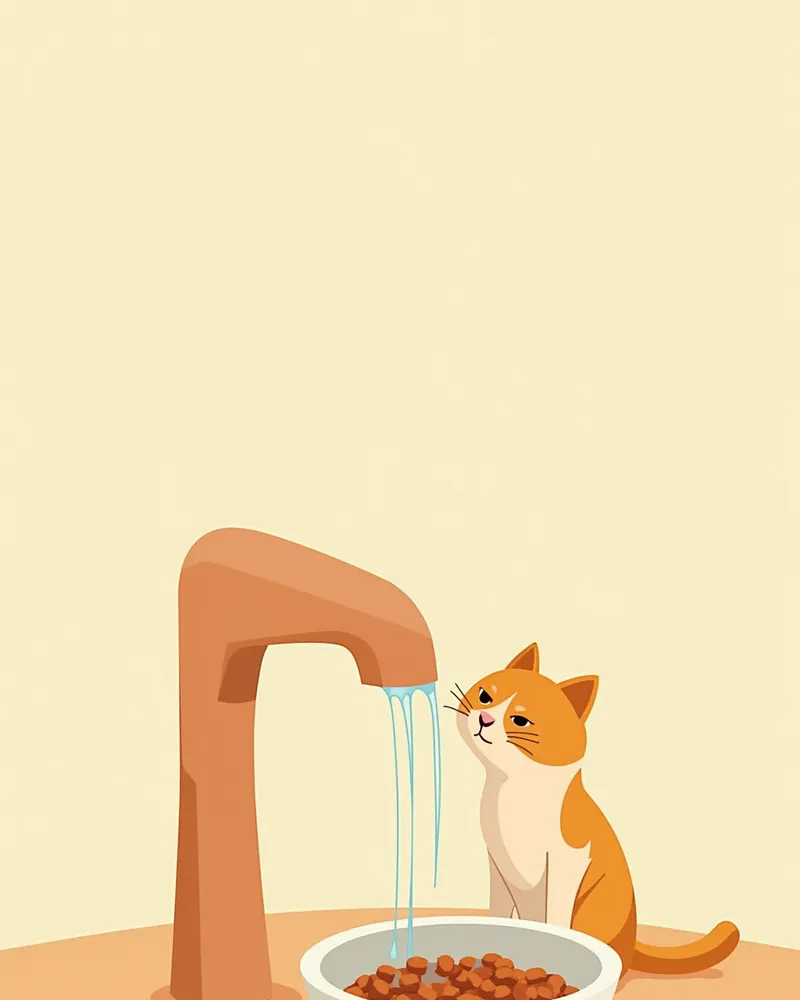
To consistently monitor your cat’s kidney function, we recommend blood tests at least once or twice a year. Regular kidney screenings are especially important for senior cats aged seven and older. For the most accurate results, kidney markers should be measured while your cat is fasting, calm, and well-hydrated. Please bring your cat in after withholding food but allowing normal water intake to ensure they are hydrated and relaxed. This approach helps improve the accuracy of the test results. Be sure to follow your veterinarian’s recommendations regarding dietary adjustments or increased water intake based on the results. - Regular Check-ups: Recommended at least once or twice a year, with more frequent monitoring advised for senior cats aged seven and older. - Fasting: Withhold food before the test, but provide water as usual to prevent dehydration. - Hydration: Increase water intake after the test as directed by your veterinarian. - Dietary Management: Switching to a specialized diet formulated for kidney health can be beneficial.
A cat drinking water and canned food

Reviewed by a veterinarian

Dr. Tony — Punnawat Phongkittirak

Dr. Tony — Punnawat Phongkittirak

Veterinarian

A veterinarian who majored in veterinary medicine at Khon Kaen University, Thailand, and completed the IVSA program at North Carolina State University in the United States. Drawing on clinical experience at animal hospitals, he works in the pet healthcare field and is dedicated to building a digital care environment that connects pet parents with veterinarians.

Frequently Asked Questions

When is the best time to have a cat’s kidney function blood test?
For senior cats aged seven and older, regular kidney function tests are recommended. Even younger cats should have their kidneys checked about once a year. If your cat has an unstable health condition or underlying diseases, your veterinarian may advise more frequent testing.
Why is the SDMA test important?
SDMA levels begin to rise when kidney function has declined by about 40%, reflecting reduced kidney function earlier than creatinine, which typically doesn’t increase until approximately 75% of kidney function is lost. As a result, SDMA is a more sensitive marker that can help detect kidney issues at an early stage, even when BUN and creatinine levels remain within the normal range.
Should my pet avoid eating or drinking before the test?
Kidney function tests are more accurate when performed while your pet is fasting, calm, and well-hydrated. Before the test, keep your pet fasting but allow them to drink water as usual to prevent dehydration. However, if your pet’s health condition is poor, adjustments can be made after consulting with your veterinarian.
What should I do if the results come back abnormal?
Be sure to follow your veterinarian’s recommendations for additional testing, dietary management, and medication. The earlier kidney disease is detected and managed, the better you can control the factors that drive its progression.
My cat is afraid of exams. What should I do?
Our veterinarians provide compassionate care and help ensure your cat feels comfortable during examinations. Some clinics even offer a quiet, calming space for your pet before the check-up.

Share

Related Guides

References

[1] Catherine E. Langston et al. (2023) Small Animal Critical Care Medicine, 3rd Edition. Elsevier.

[2] The Cat, Clinical Medicine and Management, 2nd Edition (2022). Elsevier.

[3] Plumb's Veterinary Drug Handbook, 9th Edition (2023). Wiley.

This information is based on veterinary literature and does not replace diagnosis or treatment. Please consult a veterinarian for specific health concerns.

Metapet Co., Ltd. | CEO: Park Sung-yong | Business Reg. No. 417-88-02562 | Seoul, South Korea | Customer Center

5 Key Cat Kidney Blood Test Markers: BUN, Creatinine & SDMA | Meongsiljang