Like
Share
멍실장
고양이 다낭성 신장 질환 관리 추천 BEST와 고르는 기준 총정리

7 Best PKD Management Products for Cats Recommended by Veterinarians — From Symptoms to Care

KidneyTop PicksMeongsiljang Veterinary Advisory Board

Feline polycystic kidney disease is a chronic condition caused by genetic factors, and early detection along with proper management can significantly extend your cat’s lifespan. Choosing tailored care products and the right diet is key.

Feline Polycystic Kidney Disease Is a Genetic Chronic Condition
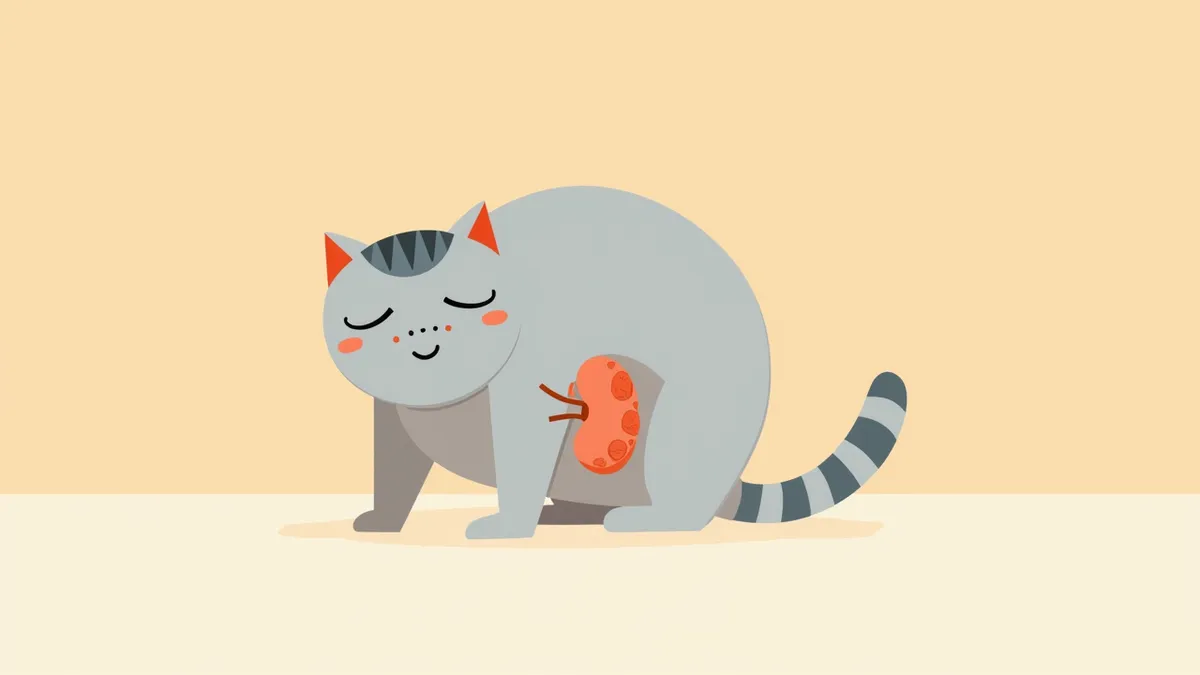
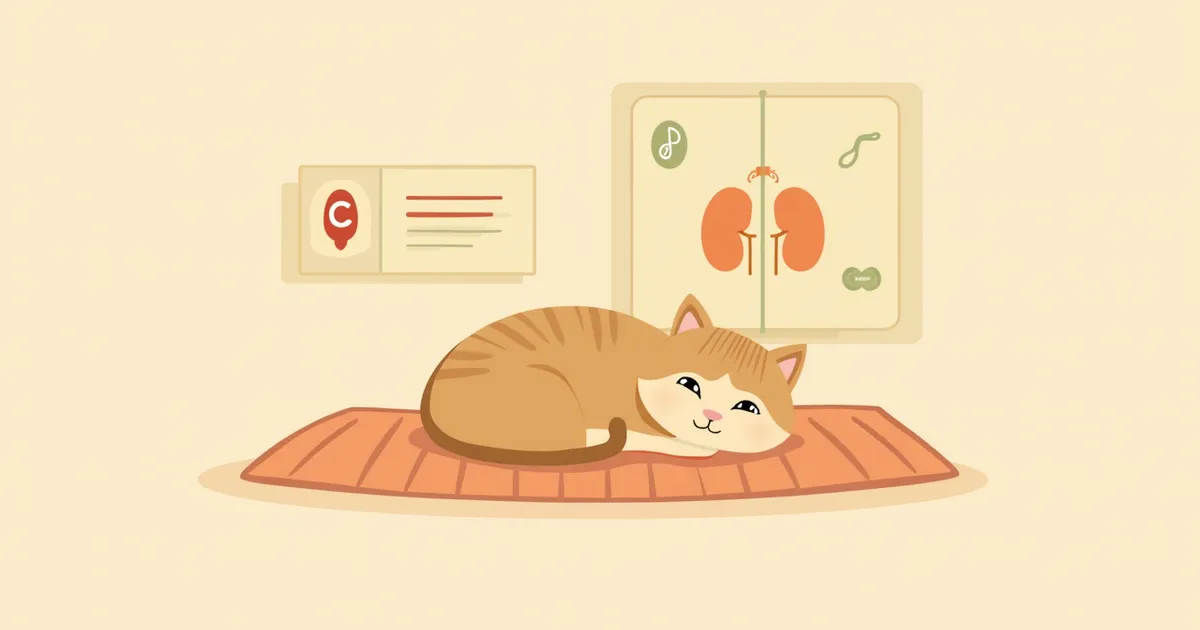
Image of cysts within the kidneys in feline polycystic kidney disease
Feline polycystic kidney disease (PKD) is a chronic condition primarily caused by genetic factors, in which multiple cysts develop in the kidneys, leading to a gradual decline in kidney function. It is inherited in an autosomal dominant pattern in certain breeds, such as Persians, and kidney dysfunction typically becomes apparent in middle-aged cats or older. - Protecting kidney function: Prescription renal diets containing antioxidants like omega-3 fatty acids and vitamin E may help reduce oxidative stress and support kidney health. - The importance of dietary management: Dietary control, including the use of prescription renal diets, is known to help extend survival time and improve quality of life in cats with chronic kidney disease. - Regular check-ups are essential: Work with your veterinarian to monitor your cat’s condition through regular check-ups, including blood tests, urinalysis, and blood pressure measurements, so that any changes can be addressed early. - Beware of genetic predisposition: Breeds with a known genetic predisposition, such as Persians, require particularly careful management. Consistent daily care plays a significant role in maintaining your cat’s quality of life.

There Are 4 Key Criteria for Choosing
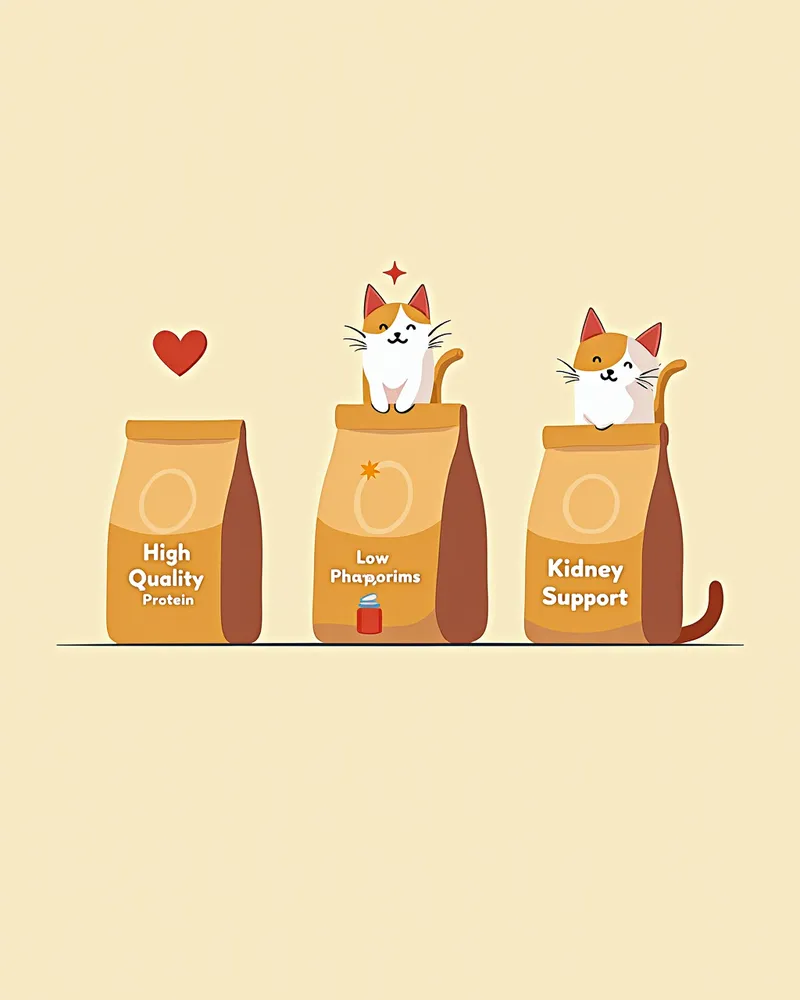
When choosing a management product for cats with polycystic kidney disease, it’s helpful to check a few key criteria. - Kidney-supporting ingredients: Products containing omega-3 fatty acids and antioxidants such as vitamins E and C may help reduce oxidative stress. - Protein quality and quantity: Opt for products that moderately reduce protein levels while using high-quality animal-based proteins. - Phosphorus control: Excessive phosphorus intake can strain the kidneys, so a renal prescription diet with reduced phosphorus content is beneficial. - Cat’s eating preferences: A product with appealing taste and texture reduces refusal, and wet (canned) food can help increase water intake. Considering all these factors together enables effective management.
Criteria for selecting management products for feline polycystic kidney disease

BEST 1: Food with Enhanced Kidney-Protecting Ingredients

BEST 1 is a renal prescription diet designed to protect kidney function by reducing phosphorus and protein levels to minimize the burden on the kidneys. It also contains antioxidants such as omega-3 fatty acids and vitamin E, which may help reduce oxidative stress. The appealing flavor, soft kibble texture, and wet food format—beneficial for hydration—can help reduce meal refusal. Renal prescription diets are among the most commonly recommended management strategies by veterinarians and are well-suited for long-term care. Their formulation is tailored to support kidney health, making them widely applicable in the management of chronic kidney disease.
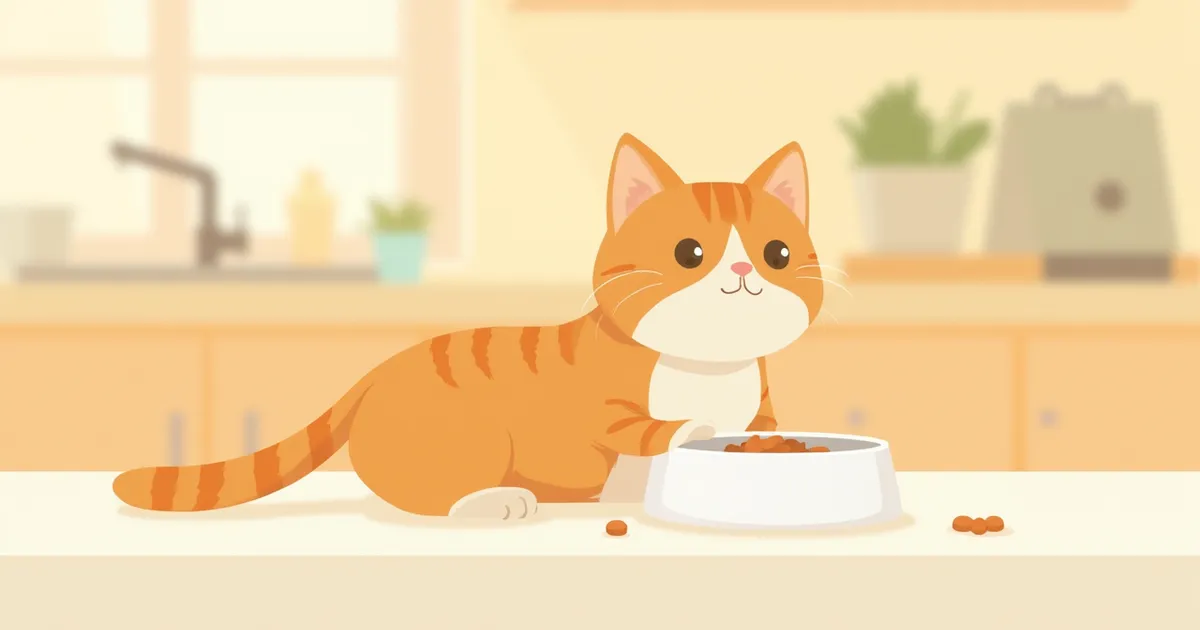
Image of the best kidney-supporting pet food

BEST 2: Nutritional Supplement for Improving Kidney Function
BEST 2 is a nutritional supplement focused on supporting kidney health, containing antioxidant ingredients such as omega-3 fatty acids, vitamin E, and vitamin C. These ingredients are known to help reduce oxidative stress and protect kidney cells. It is best to administer the appropriate amount with meals, following the product label and your veterinarian’s guidance. Choosing a product formulated in a form that is easy for your cat to consume will make administration much smoother. However, supplements do not replace fundamental care such as kidney-prescription diets or fluid management, so they should only be used as an adjunct; excessive administration can actually place an additional burden on the kidneys. Ideally, these supplements should be used in conjunction with your veterinarian’s guidance.
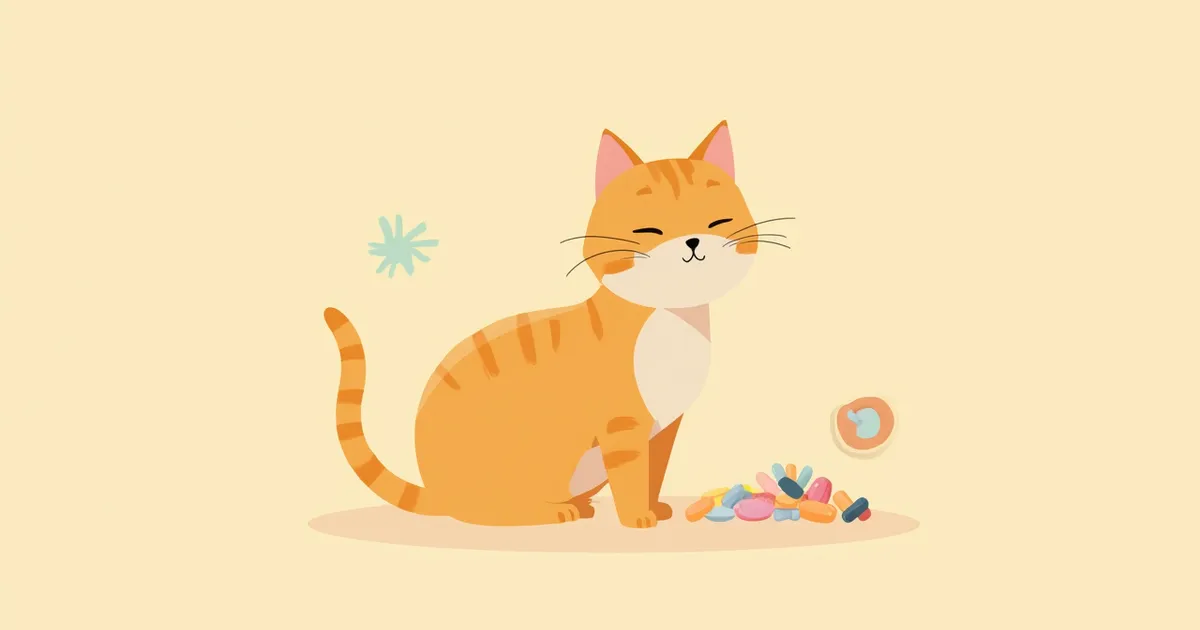
Image of the top two kidney-support supplements

BEST 3: Petrid Water Bowl for Hydration
The BEST 3 is a Petrid water bowl specially designed to increase your cat's water intake. - Promotes hydration: Its low height and wide opening allow cats to drink comfortably. - Prevents water evaporation: The Petrid structure slows down evaporation, keeping the water fresh for longer. - Encourages natural drinking behavior: It gently guides the flow of water, encouraging cats to drink more frequently. - Easy to maintain: Refilling and cleaning are both simple and convenient. - Essential for cats with kidney disease: This product is a must-have for managing hydration in cats with kidney conditions.
Top 3 Pet Food Water Bowls for Hydration

Comparison Table of BEST 1–3 Products

ItemBEST 1 FoodBEST 2 SupplementBEST 3 Water Fountain
Main IngredientsLow phosphorus/low protein, omega-3, vitamin EOmega-3, vitamin E, vitamin CWater-flow control technology, durable material
Main EffectsReduces kidney burden, supplements nutritionRelieves oxidative stress, protects cellsIncreases water intake, prevents dehydration
Usage MethodOnce a day with mealsAmount per label/veterinarian guidance, with mealsFill the fountain with water and run the automatic cycle
Price RangeModerateLowModerate

Use recommended after consulting a veterinarian. Adjustment needed depending on the cat's condition.

Caution: Side Effects May Occur with Overconsumption

Overfeeding supplements or food can put a strain on the kidneys. In particular, if phosphorus and protein intake are not properly managed, the condition can worsen. A veterinarian should determine the appropriate amount based on your pet’s weight and overall health. Self-prescribing is strictly prohibited.

Usage Tips: Combine with Daily Care

Managing feline polycystic kidney disease (PKD) requires more than just using a product; it must be integrated into your daily care routine. First, increase your cat’s water intake and ensure regular weight checks and veterinary examinations. To reduce stress, provide a quiet environment and maintain consistent feeding times. Frequently change the water in the bowl and always ensure fresh, clean water is available. Closely monitor any changes in your cat’s behavior, and consult your veterinarian immediately if you notice any abnormal signs. Consistent management is key, and combining it with the appropriate product can significantly enhance its effectiveness.
Daily Tips for Managing Feline Polycystic Kidney Disease

Reviewed by a veterinarian

Dr. Tony — Punnawat Phongkittirak

Dr. Tony — Punnawat Phongkittirak

Veterinarian

A veterinarian who majored in veterinary medicine at Khon Kaen University, Thailand, and completed the IVSA program at North Carolina State University in the United States. Drawing on clinical experience at animal hospitals, he works in the pet healthcare field and is dedicated to building a digital care environment that connects pet parents with veterinarians.

Frequently Asked Questions

Is polycystic kidney disease treatable?
There is no specific cure to eliminate polycystic kidney disease itself, so the key is supportive management of the associated chronic kidney disease. Consistent care, including dietary adjustments and adequate hydration, can help improve quality of life and extend survival time. It’s important to work with your veterinarian to develop a tailored management plan.
Will my cat refuse to eat if I change its food?
Changes should be made gradually. Mixing the old and new food in a 70:30 ratio and transitioning slowly will help your cat adapt more easily.
How long should I continue giving my pet nutritional supplements?
There’s no set timeframe for this. It’s often given consistently as part of managing chronic conditions. Your veterinarian will determine whether it’s necessary and for how long, based on regular check-ups.
Why is a water bowl important?
Cats with kidney disease need plenty of water, so it’s essential to keep fresh water available at all times. Offering running water or using wider bowls—options some cats prefer—can encourage them to drink more naturally.
What should I do if I’m raising my cat with other cats?
It is best to keep sick cats separate from others. To minimize stress and ensure safety, provide them with their own food and water bowls.

Share

Related Guides

References

[1] Feldman, B. et al. (2020) Feline Chronic Kidney Disease: Pathogenesis, Diagnosis, and Management. Journal of Feline Medicine and Surgery, 22(3), 215–228.

[2] The Cat, Clinical Medicine and Management, 2nd Edition. (2021) Chapter 35: Renal Disease in Cats. Elsevier Health Sciences.

[3] American Association of Feline Practitioners (AAFP). (2023) Feline Chronic Kidney Disease Guidelines. Journal of Feline Medicine and Surgery, 25(1), 3–18.

This information is based on veterinary literature and does not replace diagnosis or treatment. Please consult a veterinarian for specific health concerns.

Metapet Co., Ltd. | CEO: Park Sung-yong | Business Reg. No. 417-88-02562 | Seoul, South Korea | Customer Center

Vet's Top 7 PKD Management Products for Cats: Symptoms to Care | Meongsiljang