Like
Share
멍실장
고양이 백합 신독성 고양이 관리 추천 BEST와 고르는 기준 총정리

7 Best Emergency Management Products for Cat Lily Nephrotoxicity Recommended by Veterinarians and Selection Criteria

KidneyTop PicksMeongsiljang Veterinary Advisory Board

Lilies are plants that are fatally toxic to cats, causing severe kidney damage. This article outlines management products and selection criteria to help you prepare for lily poisoning.

Cat Lily Nephrotoxicity Is an Emergency Condition Requiring Immediate Veterinary Visit
A cat undergoing a veterinary examination, with lily plants in the background.
Lilies are plants that are fatally toxic to cats, causing severe kidney damage. Species in the Lilium and Hemerocallis genera, such as tiger lilies, Asiatic lilies, and daylilies, are dangerous, with toxicity present in all parts of the plant, including leaves, flowers, and pollen. Initial symptoms such as vomiting, loss of appetite, and lethargy typically appear within 6 to 12 hours of ingestion, followed by progression to acute kidney injury. - Lily Poisoning: Even a small amount of lily ingestion or merely licking pollen can cause a rapid decline in kidney function in cats, with symptoms including vomiting, dehydration, and loss of appetite. - Emergency Response: Immediate veterinary care is crucial for saving your cat’s life. Do not attempt to induce vomiting at home or force water or medication. Seek veterinary attention without delay. Gastric decontamination (inducing vomiting or gastric lavage) should only be performed by a veterinarian within 6 hours of ingestion to ensure safety. - Prevention is Key: Keep lilies out of reach of cats and exercise caution with bouquets or indoor potted plants. Prompt action determines survival rates.

Selection Criteria: Key Elements of Lily Poisoning Response Products
There is no specific antidote or home "neutralizing product" for lily poisoning. Therefore, before choosing any products, it is most important to understand the priority of evidence-based treatments. The key points are: prompt veterinary visit, veterinarian-guided gastrointestinal decontamination, and intravenous fluid therapy.
Early gastrointestinal decontamination: If performed within 6 hours of ingestion, a veterinarian may induce vomiting or perform gastric lavage, and administer activated charcoal with a laxative if necessary. Activated charcoal is not a household item but a treatment used at the veterinarian's discretion.
Intravenous fluid therapy: This is the most critical treatment to reduce kidney damage. Typically, fluids are administered at diuretic levels for about 48 hours while monitoring urine output.
Kidney function monitoring: Baseline kidney values are checked upon arrival, then rechecked at 24 and 48 hours to assess recovery progress.
Prompt veterinary care is the top priority: Immediate veterinary attention after ingestion is more crucial than any supplement and significantly affects the prognosis. Delaying treatment beyond 18 hours often leads to acute kidney injury.
Do not attempt home treatment: Do not induce vomiting at home or rely on unproven products.
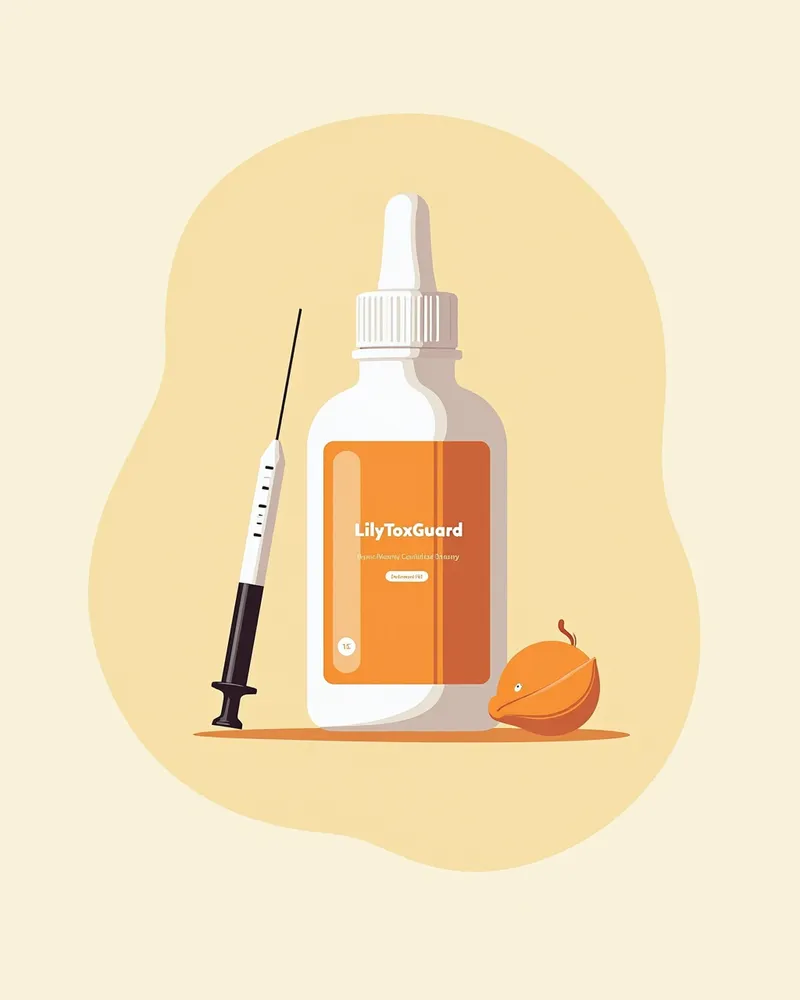
Image of a liquid supplement bottle for cats and a syringe

BEST 1: Lilytox Guard Liquid

Lilytox Guard Liquid is a product that highlights activated charcoal as its main ingredient, which is related to the use of activated charcoal in the "gastrointestinal decontamination" stage of lily poisoning. However, activated charcoal is not a detoxifying agent for home use alone; it is a treatment administered by a veterinarian within 6 hours of ingestion, along with induced vomiting and gastric lavage, based on their assessment. Therefore, regardless of whether you have the product on hand, the most important first step is to go to the clinic immediately.
Role of Activated Charcoal: It may help reduce the absorption of toxins remaining in the gastrointestinal tract (there is no cited evidence for specific adsorption rates or duration of action).
Timing of Administration: It should be used under veterinary guidance within 6 hours of ingestion.
Not an Antidote: There is no specific antidote for lily poisoning, so activated charcoal is only a supportive treatment.
Kidney-Protecting Ingredients: The effect of glucosamine and amino acids on regenerating kidney cells has not been confirmed by textbook evidence.
The Key is Fluid Therapy: The most important treatment to prevent actual kidney damage is intravenous fluid therapy at the clinic.
A cat drinking liquid supplements from a syringe

BEST 2: Catlyfree Capsules

Catlyfree capsules are marketed as supporting kidney recovery through a complex of glucosamine and amino acids. However, veterinary textbooks do not support the claim that this complex regenerates kidney cells damaged by lily poisoning. The cornerstone of recovery from lily toxicity is not supplements, but aggressive intravenous fluid therapy and close monitoring of kidney function at a veterinary clinic.
Actual Recovery Treatment: Intravenous fluids are typically administered to maintain diuresis for 48 hours, with urine output and kidney values rechecked at 24 and 48 hours.
Severe Cases: If oliguria or anuria develops, the prognosis worsens, and some cases may require hemodialysis.
Recovery Period: It can take 10 to 14 days or longer for the renal tubules to regenerate.
Prognosis: The prognosis is good if aggressive treatment begins within 18 hours, but delays can result in chronic kidney damage.
Limitations of Supplements: Capsule-based supplements cannot replace professional veterinary care.
An image of a Catlyfree capsule bottle alongside a cat.

BEST 3: LilyCare Powder

LilyCare Powder is a flavored supplement marketed as a daily preventive against lily poisoning. However, the claim that routinely feeding this powder can "pre-adsorb toxins and prevent poisoning" in the event of lily exposure is unsupported by evidence. The most reliable way to prevent lily poisoning is not through supplements, but by ensuring cats have no access to lilies at all.
True Prevention: The best approach is to keep lilies out of your home and garden. Avoid planting lilies in areas accessible to outdoor cats.
Even Small Amounts and Pollen Are Dangerous: Ingesting leaves or merely licking pollen can cause poisoning, which cannot be prevented by "preventive powders."
No Antidote Exists: There is no specific antidote for lily poisoning, so it cannot be prevented by pre-administering supplements.
Immune Support Claims Are Unsubstantiated: There is no evidence that vitamin complexes can prevent lily-induced nephrotoxicity.
What to Do After Exposure: If you suspect your cat has ingested any part of a lily, seeking immediate veterinary care is the only appropriate response.
An image showing LiliCare powder mixed into cat food

Comparison of Products BEST 1–3: Efficacy, Administration, and Price Criteria

ItemLilytox Guard LiquidCatfree CapsuleLilycare Powder
Main IngredientsActivated charcoal, adsorbentGlucosamine, amino acid complexMeat-flavored powder, vitamin complex
Claimed UseEarly response to poisoning (related to activated charcoal)Supporting recovery after poisoningFor daily prevention
Evidence-based AssessmentActivated charcoal is part of veterinarian-performed gastrointestinal decontamination, not a home stand-alone antidoteNo evidence for kidney cell regeneration effectNo evidence for pre-adsorption of toxins or preventive effect
Administration MethodSyringe administrationCapsule ingestionMixed into food/water
Price (per 1 month)About $20About $30About $20
Recommended ResponseIn any case, an immediate hospital visit comes firstProfessional treatment (fluids) comes first; supplements cannot replace itFor prevention, removing lilies comes first

There is no specific antidote or verified home neutralizing/preventive product for lily poisoning. No product can replace an immediate hospital visit and the veterinarian's gastrointestinal decontamination and intravenous fluid therapy. The medical effects of the above products have not been confirmed by textbook evidence, so be sure to consult a veterinarian.

Important: Visiting the Vet Within 1 Hour of Lily Ingestion Saves Lives

Lily poisoning typically causes early symptoms such as vomiting and loss of appetite within 6 to 12 hours of ingestion, progressing to acute kidney damage. If treatment is delayed by more than 18 hours, the kidney damage becomes irreversible, and the mortality rate is very high once kidney failure occurs. Therefore, if there is any possibility your pet has ingested a lily, seek immediate veterinary care even if no symptoms are present. At the clinic, treatment within 6 hours of ingestion includes gastrointestinal decontamination (inducing vomiting or gastric lavage), activated charcoal administration, intravenous fluid therapy, and monitoring of kidney function.

Usage Tips: Practical Guide to Preventing Cat Lily Poisoning
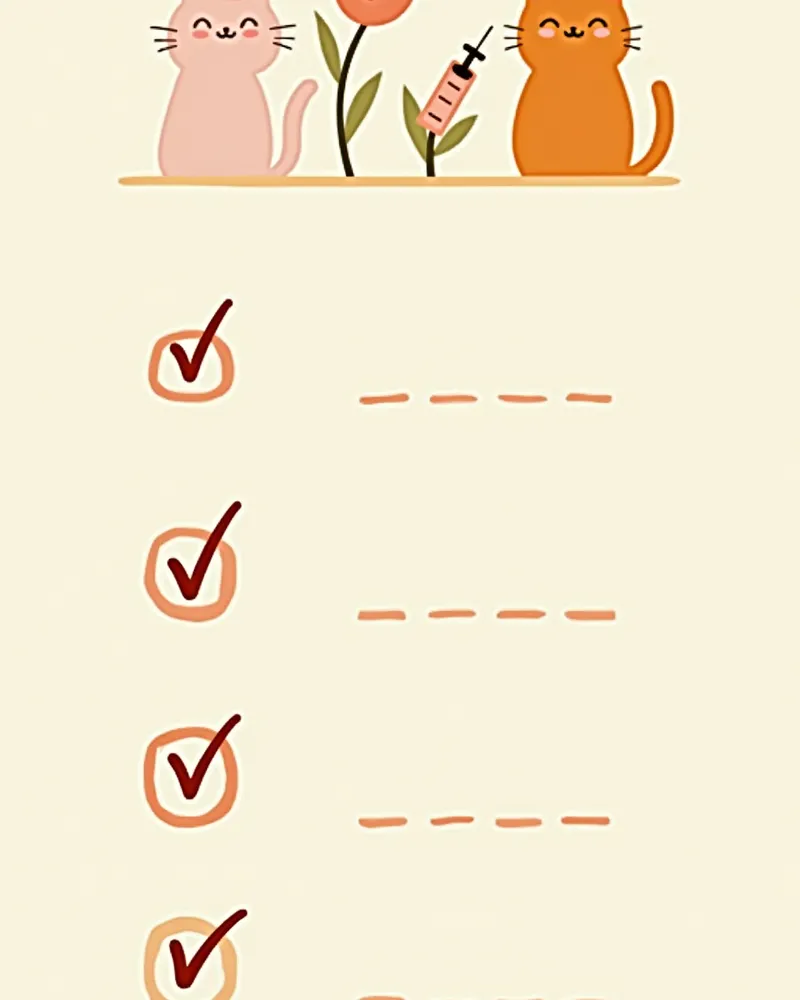
The most reliable way to prevent lily poisoning is to keep lilies out of your home entirely. If you’d like to have flowers, place them in a high location where your cat cannot reach them, or keep them inside a dedicated cage. If you notice your cat licking or eating any part of a lily, contact your veterinarian immediately. Treatment is most effective when administered in the early stages of poisoning.
Establish lily-free zones: Avoid placing lilies in areas your cat frequently visits, such as near windows or in the living room.
Prepare feline supplements in advance: Keep products like LilyTox Guard Liquid or CatLilyFree Capsules on hand at home.
Save emergency contacts: Always have your veterinarian’s and the clinic’s emergency contact information readily available.
Identify lily species: All types of lilies, including Tiger Lily, Asiatic Lily, and Easter Lily, are dangerous to cats.
Educate your household: Ensure everyone in your home understands the risks associated with lilies.
Lily Poisoning Prevention Checklist Image

Reviewed by a veterinarian

Dr. Tony — Punnawat Phongkittirak

Dr. Tony — Punnawat Phongkittirak

Veterinarian

A veterinarian who majored in veterinary medicine at Khon Kaen University, Thailand, and completed the IVSA program at North Carolina State University in the United States. Drawing on clinical experience at animal hospitals, he works in the pet healthcare field and is dedicated to building a digital care environment that connects pet parents with veterinarians.

Frequently Asked Questions

My pet ingested lilies two hours ago. Is it still okay if we don’t go to the vet?
No. Lily poisoning causes progressive kidney damage over time, so even if more than two hours have passed, you should take your pet to the vet immediately. Early treatment significantly improves the chances of recovery.
Are there other plants besides lilies that are dangerous to cats?
That’s correct, but only specific types of lilies are lethal to cats. Tiger lilies, Asiatic lilies, and Easter lilies from the Lilium genus, as well as daylilies from the Hemerocallis genus, can cause acute kidney injury in cats. Many plants with “lily” in their name that do not belong to these two genera are not nephrotoxic and typically cause only gastrointestinal symptoms. The truly dangerous lilies are toxic in all parts, including the leaves, flowers, and pollen.
Is it dangerous if my cat eats even a small amount of lily?
Yes, even a tiny amount of lily can cause fatal kidney damage. Chewing the leaves or merely licking the pollen can lead to poisoning, so immediate veterinary care is essential.
Is recovery possible after lily poisoning?
Yes, with early arrival at the clinic and appropriate treatment, recovery is possible. However, if oliguria or anuria develops, or if treatment is delayed, kidney function may be permanently impaired.
What kind of supplements are good for preventing lily poisoning?
There are no proven home remedies to prevent or neutralize lily poisoning. The most effective prevention is to remove lilies from your home and garden so your cat cannot access them. If you suspect your cat has ingested any part of a lily, do not rely on home products—seek immediate veterinary care. Treatment involves gastrointestinal decontamination and intravenous fluid therapy administered by a veterinarian.

Share

Related Guides

References

[1] Langston CE. Acute renal failure caused by lily ingestion in six cats. Am Vet Med Assoc 2002;220(1):49-52.

[2] Hadley RM, Richardson JA, Gwaltney-Brant SM. A retrospective study of daylily toxicosis in cats. Vet Hum Toxicol 2003;45(1):38-9.

[3] Blackwell's Five-Minute Veterinary Consult Clinical Companion, Small Animal Toxicology, 3rd Edition. 2023.

This information is based on veterinary literature and does not replace diagnosis or treatment. Please consult a veterinarian for specific health concerns.

Metapet Co., Ltd. | CEO: Park Sung-yong | Business Reg. No. 417-88-02562 | Seoul, South Korea | Customer Center

Vet's Top 7 Emergency Products for Cat Lily Nephrotoxicity | Meongsiljang