Like
Share
멍실장
고양이 지방 저장 세포 활성화 관리 추천 BEST와 고르는 기준 총정리

7 Key Management Strategies for Feline Hepatic Fibrosis (Fat-Storing Cell Activation) Highlighted by Veterinarians

Liver HealthTop PicksMeongsiljang Veterinary Advisory Board

Activation of fat-storing cells in the liver is an early stage of hepatic fibrosis, making proper management essential. Here are the key criteria for selecting appropriate nutrition, diet, and supplements.

Activation of Fat-Storing Cells in Cats Is an Early Signal of Hepatic Fibrosis
A cat undergoing a veterinary examination
Feline hepatic lipidosis, also known as idiopathic hepatic lipidosis, is a common liver condition in cats characterized by the excessive accumulation of neutral fats within hepatocytes. As these cells swell with fat, their internal function declines and bile flow becomes stagnant, leading to impaired liver function. Because early stages often present no obvious symptoms, the condition is easily overlooked; however, loss of appetite or rapid weight loss can serve as critical warning signs. Liver fibrosis progresses separately as a consequence of chronic inflammation. - Intrahepatic fat accumulation: Known causes include protein deficiency, excessive mobilization of peripheral fat, increased fat synthesis, and inhibited fat oxidation, making early management essential. - Nutritional management: Nutritional therapy is the primary treatment for feline hepatic lipidosis, with adequate protein and energy intake being key to recovery. Restricting protein excessively can actually delay healing. - Supplement selection: Antioxidants such as vitamin E and SAMe (a glutathione precursor) are used as adjunctive therapies. Early detection and consistent nutritional care play a vital role in protecting liver function.

Selection Criteria: Choose Based on Efficacy and Safety
When selecting supplements for managing feline hepatic lipidosis, it’s important to consider the scientific evidence behind the ingredients, their safety, and how easy they are for cats to consume. However, keep in mind that according to veterinary textbooks, the primary treatment for feline hepatic lipidosis is not supplementation, but nutritional therapy that provides adequate protein and energy. Supplements play only a supportive role.
Contains antioxidant ingredients: Look for products that include components like vitamin E and SAMe, which help replenish glutathione and reduce oxidative damage.
Adequate protein and energy: Rather than restricting protein, providing sufficient protein is key to reducing fat accumulation in the liver.
Cat-friendly formulation: Liquid or jelly forms are easier for cats to consume.
No additives or preservatives: Products with minimal risk of side effects are preferred.
Based on these criteria, we’ve compared some recommended products.
Bottle of liver health supplement for cats

BEST 1: Pet Health Liver Health Capsules (Omega-3 Focused)
This product is primarily formulated with omega-3 fatty acids. While omega-3s have been evaluated as a supportive therapy for skin inflammatory conditions, there is currently insufficient textbook evidence to support their use in inhibiting fat-storing cells or reducing fat accumulation in feline hepatic lipidosis (fatty liver disease). Therefore, in liver management, priority should be given to adequate protein and energy intake, along with antioxidant supplements such as vitamin E and SAMe. The product is designed in capsule form for easy administration. Please adhere to the dosage recommended by your veterinarian based on your cat’s body weight, and avoid excessive fish oil supplementation, as it may be detrimental.
Liver health capsules for cats

BEST 2: Life Care Liver Protection Jelly (Enhanced Antioxidant Ingredients)

This jelly uses broccoli extract and lutein as its antioxidant ingredients. However, there is currently insufficient direct textbook evidence to confirm that these ingredients are effective in improving feline hepatic lipidosis. - Antioxidant Support: In feline hepatic lipidosis, secondary oxidative damage caused by glutathione depletion is a significant factor. Therefore, antioxidants that help replenish glutathione, such as vitamin E or SAMe, may aid in protecting hepatocytes. - Supportive Role: Supplements cannot replace nutritional therapy, which is the primary treatment for hepatic lipidosis, and should be viewed strictly as an adjunctive measure. - Additive-Free Formulation: We prioritize your cat’s safety by using pure ingredients without preservatives or artificial flavors. - Convenient Treat Format: Easy to administer one piece per day, this format minimizes refusal and allows cats to consume it naturally. Please consult your veterinarian before use.
Cat liver-support gel product

BEST 3: Pet Plus Liver Health Liquid (Fatty Acid Balance Adjustment)
This liquid supplement contains omega-3 and omega-6 fatty acids. However, since there is currently no definitive evidence establishing the optimal ratio of omega-6 to omega-3 for dogs and cats, we do not consider "ratio adjustment" to be the key to its effectiveness. - Supportive nutritional aid: Fatty acids serve as supportive nutrients only; the primary treatment for feline hepatic lipidosis is nutritional therapy that provides adequate protein and energy. - Liquid form: The liquid format is easy for cats to consume, and its mild scent helps minimize refusal. - Weight-based dosing: Dosage can be adjusted according to body weight, allowing for personalized care. - Antioxidant support: Using this product alongside antioxidants such as vitamin E or SAMe may help reduce oxidative damage. We recommend consulting your veterinarian before use.
Liquid liver health supplement for cats

Comparison Table of BEST 1–3 Products

ItemBEST 1 (Capsule)BEST 2 (Jelly)BEST 3 (Liquid)
Main IngredientsOmega-3 fatty acidsBroccoli extract, luteinContains omega-3 and omega-6
FormulationCapsuleJellyLiquid
Ease of IntakeModerateHighHigh
SafetyAdditive-freePreservative-freeAdditive-free
Recommended TimingAs an adjunct to nutritional managementFor adjunctive management of oxidative damageFor adjunctive management of hepatic lipidosis

Supplements are an adjunct, and the first-line treatment for feline hepatic lipidosis is nutritional therapy that provides sufficient protein and energy. The veterinarian adjusts the dosage according to weight and condition.

Caution: Overdosing May Increase Liver Burden

Supplements should only be given under a veterinarian’s guidance. Overdosing can strain the liver and potentially worsen your pet’s condition. In particular, excessive administration of fat-based supplements like fish oil or cod liver oil can deplete vitamin E levels, leading to inflammation of fat tissues known as panniculitis, so caution is essential. Additionally, since capsules may be difficult for cats to swallow, always consult your veterinarian before administering them.

Usage Tips: Consistent Management Is Key
Managing feline hepatic lipidosis requires long-term nutritional and lifestyle care rather than short-term supplement use. Combining a diet that provides adequate protein and energy with appropriate supplements can be helpful.
Dietary management: Instead of restricting protein, choose a balanced diet that supplies sufficient protein and energy. Avoid fasting or rapid weight loss, as these can trigger hepatic lipidosis.
Regular check-ups: Perform regular liver function tests (ALT, AST).
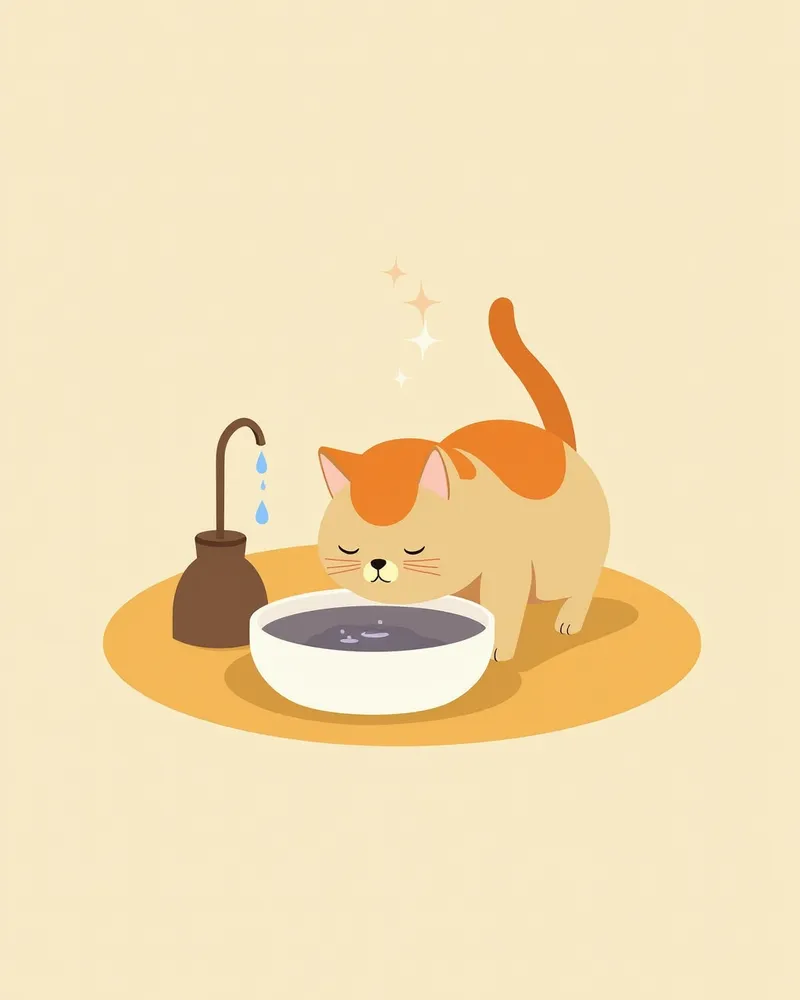
Adequate hydration: Correcting dehydration is a key goal in treating hepatic lipidosis, so encourage frequent water intake to maintain hydration.
Stress management: Since stress can affect a cat’s appetite, provide a stable and calm environment.
Consistently maintaining these habits will support recovery.
A cat drinking water

Reviewed by a veterinarian

Dr. Tony — Punnawat Phongkittirak

Dr. Tony — Punnawat Phongkittirak

Veterinarian

A veterinarian who majored in veterinary medicine at Khon Kaen University, Thailand, and completed the IVSA program at North Carolina State University in the United States. Drawing on clinical experience at animal hospitals, he works in the pet healthcare field and is dedicated to building a digital care environment that connects pet parents with veterinarians.

Frequently Asked Questions

How many times a day should I give my pet the supplement?
Veterinarians recommend administering this product once or twice daily, depending on your pet’s weight and overall health. Please consult the product label and discuss with your veterinarian to determine the appropriate dosage.
Will giving supplements help improve liver function more quickly?
Supplements can support improved liver function, but they don’t provide immediate results. You’ll need to administer them consistently for at least two to three months before seeing any noticeable benefits.
Do all cats need to take supplements?
No. Whether it’s necessary depends on liver function test results and your veterinarian’s assessment. Healthy cats don’t need to take it separately.
Can supplements and medications be taken together?
Yes, some supplements can interact with medications. Be sure to inform your veterinarian before giving them to your pet.
Will cats readily eat the jelly-type supplement?
Most cats enjoy the taste and eat it readily. Start by offering about half the recommended amount. If your cat refuses it, try switching to a different product.

Share

Related Guides

References

[1] Kienzle, E. (1989). Investigations on intestinal and intermediary metabolism of carbohydrates in the house cat (Felis catus). J. Anim. Physiol. Anim. Nutr.

[2] Parsons, D., et al. (1985). Dynamic exercise training in foxhounds. II. Analysis of skeletal muscle. J. Appl. Physiol.

[3] Carlson, S. E., et al. (1992). Effect of vegetable and marine oils in preterm infant formula on blood arachidonic and docosahexaenoic acids. J. Pediatr.

This information is based on veterinary literature and does not replace diagnosis or treatment. Please consult a veterinarian for specific health concerns.

Metapet Co., Ltd. | CEO: Park Sung-yong | Business Reg. No. 417-88-02562 | Seoul, South Korea | Customer Center

7 Key Ways to Manage Feline Hepatic Fibrosis (Stellate Cells) | Meongsiljang