
The Ultimate Guide to Managing Cat Litter Box Aversion: Recommended Products and Selection Criteria
We’ve compiled a comprehensive guide based on veterinary behavioral science, covering the causes of litter box avoidance in cats, how to choose the right litter box and litter, and a routine for maintaining cleanliness.
Litter Box Aversion in Cats Is Not a Bad Habit
Checklist for Causes of Litter Box Aversion
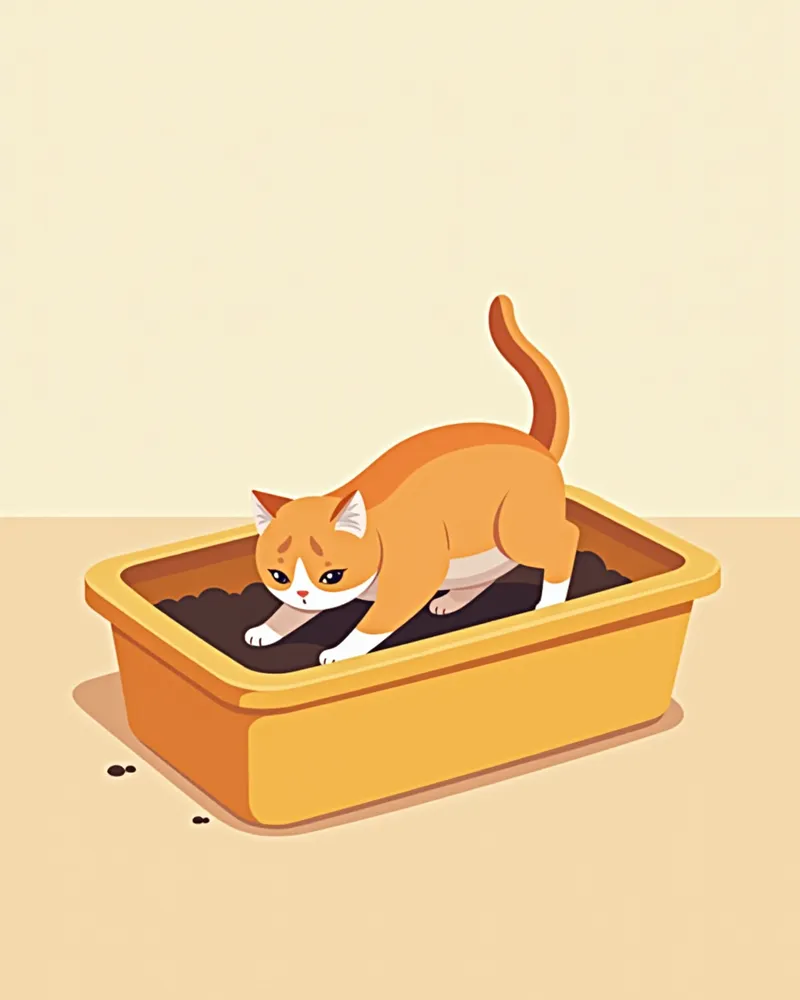
Visit the Vet First If You See These Symptoms
If your pet has suddenly started avoiding the litter box or is showing any of the following symptoms, it may not be a behavioral issue but rather a sign of illness. Please visit a veterinary clinic within 24 hours. - A sudden decrease in urine output or no urine at all - Straining for a long time in the litter box with no result - Blood in the urine - Vomiting or diarrhea occurring alongside other symptoms - Loss of appetite and lethargy
Three Criteria for Choosing a Recommended Litter Box

Comparison of Pros and Cons by Litter Box Type
| Item | Open type | Semi-enclosed type | Enclosed type |
|---|---|---|---|
| Ventilation | Good | Fair | Poor |
| Litter scatter prevention | Low | Medium | High |
| Odor blocking (for owner) | Low | Medium | High |
| Risk of cat avoidance | Varies by individual | Varies by individual | Varies by individual |
| Senior cat accessibility | Good | Fair | Poor |
| Recommended for | Most cats | Cats that dig a lot in the litter | When the owner is sensitive to odor |
This table summarizes general management aspects such as ventilation, litter scatter, and accessibility. Since the risk of avoidance by type is strongly influenced by each cat's individual preference, choose while observing your own cat's reactions.
Pros and Cons by Litter Type and How to Transition

Principles for the Number and Placement of Litter Boxes
Cleanliness Maintenance Routine — How Often?
Consider Pheromone Products If Aversion Persists for More Than Two Weeks
If your pet continues to avoid the litter box for more than two weeks despite environmental improvements, try placing a synthetic pheromone diffuser near the area. Veterinary behavior textbooks recommend it as a supportive calming aid. However, pheromones alone have limited effectiveness if the underlying cause isn’t addressed. If symptoms persist, consulting a veterinary behavior specialist is advisable.
Reviewed by a veterinarian

Dr. Tony — Punnawat Phongkittirak
VeterinarianA veterinarian who majored in veterinary medicine at Khon Kaen University, Thailand, and completed the IVSA program at North Carolina State University in the United States. Drawing on clinical experience at animal hospitals, he works in the pet healthcare field and is dedicated to building a digital care environment that connects pet parents with veterinarians.
Reviewed 2026-06-01
Frequently Asked Questions
My pet has suddenly started avoiding the litter box. Where should I start checking?
My cat stopped using the litter box after I switched to a new type of litter. What should I do?
Do I really need to use a litter box cover (lid)?
My cat is urinating right next to the litter box. Why is this happening?
It seems like my senior cat is suddenly having trouble finding the litter box.
Share
Related Guides

7 Behavioral Enrichment Strategies for Mental Stimulation Recommended by Veterinarians

Top 5 Calming Supplements for Dogs and Cats in 2026

L-Theanine Effects and Calming Support

5 Vet-Recommended Homemade Recovery Meals for Dogs with Diarrhea — Chicken Breast & Pumpkin

Top 5 Senior Dog Treats for 2026 — Softness & Functional Benefits

Top 5 Probiotics for Puppy Diarrhea in 2026 — Strains for Acute vs. Chronic Diarrhea
Top 5 Recommended Cognitive Supplements for Cats in 2026
Top 5 Large Cat Breeds
Top 5 Short-Legged Cat Breeds
Top 5 Recommended Pet Tartar Control Products for 2026
References
[1] Overall KL, Introduction to Animal Behavior and Veterinary Behavioral Medicine, Chapter 13 — Elimination Behaviors
[2] Little S, The Cat: Clinical Medicine and Management, 2nd Edition, Chapter 16 — Behavioral Disorders