
Top Recommended Cat Pheromone Therapy Products and Selection Criteria: A Complete Guide
Feline pheromone therapy is a behavioral medicine approach that uses synthetic versions of the pheromones cats naturally produce to help reduce stress, anxiety, and marking behaviors.
What is Feline Pheromone Therapy?
Behavioral Issues Effective with Pheromone Therapy
Core 1: What Are Synthetic Pheromones and When Do They Help?
If You Notice These Symptoms, Visit the Vet Before Using Pheromones
If you notice any of the following symptoms alongside behavioral changes, please consult your veterinarian before using pheromone products. If there is an underlying medical cause, pheromones will not resolve the issue and may even delay diagnosis. • Sudden onset of urine marking or elimination outside the litter box • Lethargy accompanied by decreased appetite or vomiting • Hair loss due to excessive grooming • Sudden increase in aggression
Key Points for Using Pheromone Products
| Item | Key points |
|---|---|
| Product nature | Diffusers/sprays with facial-pheromone-like ingredients; supportive tools, not medication |
| Helpful situations | Relieving environmental stress such as moving, new environments, multi-cat conflict, and vet visits |
| How to use | Use consistently in the space where the cat stays; effects vary by individual |
| Limitations | Does not resolve the root cause; needs to be combined with environmental improvements |
| Consultation | Consult a veterinarian if problem behavior is severe or persistent |
This is not a table recommending specific products or devices, but key points to reference for home care. Always consult a veterinarian for interpreting measurements and making treatment decisions.
Core 2: Understand Expectations, Proper Use, and Limitations
How to Properly Use a Diffuser
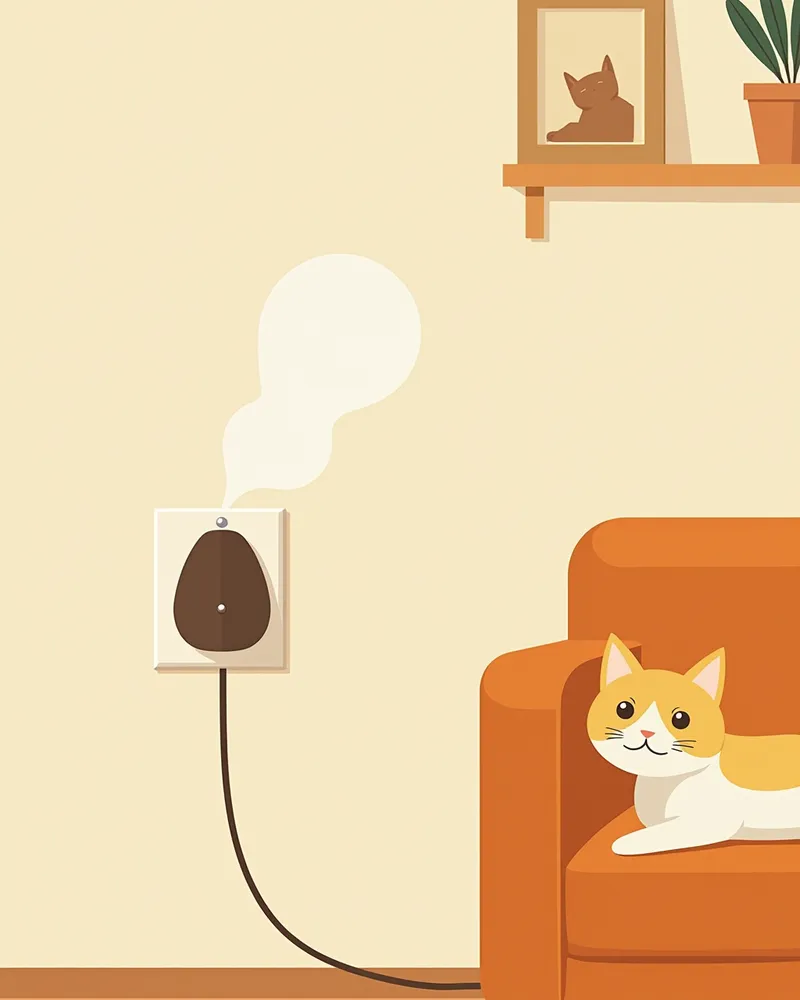
Important Points to Remember When Using Pheromone Products
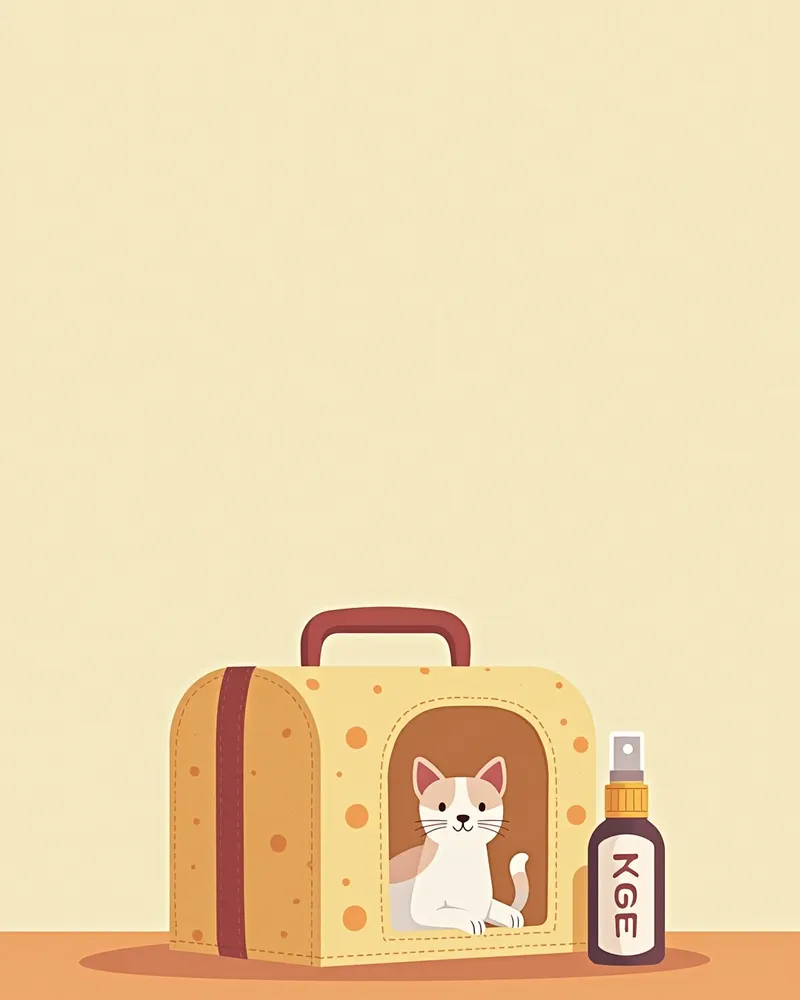
• Cat pheromone products do not affect other animals, such as humans and dogs. • Cat and dog pheromone products contain different active ingredients, so using them interchangeably will not be effective. • Aromatherapy and essential oil air fresheners can be toxic to cats and should never be used as substitutes for pheromone products. • The market also contains imitation products with insufficient clinical evidence. It is best to verify that the brand is recommended by veterinary behavior specialists.
Reviewed by a veterinarian

Dr. Tony — Punnawat Phongkittirak
VeterinarianA veterinarian who majored in veterinary medicine at Khon Kaen University, Thailand, and completed the IVSA program at North Carolina State University in the United States. Drawing on clinical experience at animal hospitals, he works in the pet healthcare field and is dedicated to building a digital care environment that connects pet parents with veterinarians.
Reviewed 2026-06-01
Frequently Asked Questions
Won’t a pheromone diffuser make my cat sleepy or dazed?
Can I spray it directly on my cat's body?
I’ve been using it for a month, but I haven’t seen any effect at all. What should I do?
If I have multiple cats, is one diffuser enough?
Can I use pheromone therapy alongside behavior modification?
Share
Related Guides
7 Behavioral Enrichment Strategies for Mental Stimulation Recommended by Veterinarians
Top 5 Calming Supplements for Dogs and Cats in 2026
L-Theanine Effects and Calming Support
Top Recommended Products for Managing Feline Idiopathic Cystitis and Selection Criteria
Top Recommended Products and Selection Criteria for Managing Feline Dysuria (Straining to Urinate)
Top Recommended Products and Selection Criteria for Managing Feline Calcium Oxalate Uroliths
Top Recommended Feline Bladder Ultrasound Management Tools and Selection Criteria
Top Recommended Products and Selection Criteria for Managing Feline Bladder Polyps and Growths
Top Recommendations and Selection Criteria for Feline Bladder Nerve Stimulation Therapy
Top Recommended Products and Selection Criteria for Managing Feline Amyloid Nephropathy
References
[1] Frank DF, Brady MA, Brady MA. Urine spraying in cats: presence of concurrent disease and effects of a pheromone treatment. Applied Animal Behaviour Science. 1999.
[2] Mills DS, White JC. Long-term follow up of the effect of a pheromone product on feline spraying. Veterinary Record. 2000.
[3] Pageat P, Gaultier E. Current research in canine and feline pheromones. Veterinary Clinics of North America: Small Animal Practice. 2003.
[4] Gaultier E, Pageat P, Tessier Y. Effect of a feline appeasing pheromone analogue on manifestations of stress in cats during transport. Proceedings of the International Congress of Veterinary Behavioural Medicine. 1998.
[5] Little S, editor. The Cat: Clinical Medicine and Management, 2nd Edition. Chapter 16: Behavior Problems. Elsevier. 2022.
[6] Crowell-Davis SL, Murray T, de Souza Dantas LM. Introduction to Animal Behavior and Veterinary Behavioral Medicine. Chapter 11. Wiley-Blackwell. 2019.