Like
Share
멍실장
강아지 안검외반(눈꺼풀 뒤집힘) 관리 추천 BEST와 고르는 기준 총정리

Veterinarian-Recommended Top 7 Eye Care Products for Canine Ectropion (Eyelid Turning Outward)

Eye HealthTop PicksMeongsiljang Veterinary Advisory Board

Ectropion in dogs is a condition where the eyelid turns outward, causing irritation to the eye, and certain breeds are at higher risk due to their genetic predisposition. Choosing appropriate care products and treatments is essential for managing this condition effectively.

Canine ectropion is a condition where the eyelid turns outward, causing irritation to the eye
Symptoms of canine ectropion, a condition where the eyelid turns outward
Ectropion in dogs is a condition where the eyelid margin turns outward, exposing the conjunctiva. It commonly occurs in large breeds with loose facial skin, such as Bloodhounds, Saint Bernards, Newfoundlands, and Cocker Spaniels. Continuous exposure of the conjunctiva to air can impair proper tear drainage, leading to excessive tearing (epiphora) and potentially resulting in chronic conjunctivitis or exposure keratitis. However, compared to entropion, ectropion carries a relatively lower risk of progressing to severe corneal damage. Nevertheless, ongoing exposure and irritation can increase discomfort and inflammation, so keeping the area around the eyes clean and providing consistent lubrication and protective care is helpful. It is best to consult with a veterinarian before symptoms worsen, as management may require medication or surgical correction depending on the case. Establishing an appropriate care plan through veterinary examination is essential.

Good to Know: Managing Canine Ectropion (Eyelid Turning Outward)
When choosing a product to manage your dog’s ectropion, prioritize ingredient stability, non-irritating properties, and tear film protection. It’s essential to select a product that suits your dog’s breed characteristics and the severity of their symptoms.
Ingredient stability: The product should contain ingredients with a low risk of causing allergies.
Non-irritating: It must be gentle and cause no stinging or discomfort when it comes into contact with the eyes.
Tear film protection: It helps maintain eye moisture and shields against external irritants.
Absorption: The formula should absorb quickly without leaving a sticky residue.
Storage stability: The product should be formulated to withstand heat and light.
Applying tear stain cream to a puppy

Good to Know 1: What is Ectropion?

Ectropion is a condition in which the eyelid margin turns outward, exposing the conjunctiva. It most commonly affects the lower eyelid and is often congenital (genetic) in breeds with loose skin around the eyes, such as Bloodhounds, Saint Bernards, Newfoundlands, and Cocker Spaniels. It can also develop later in life or occur secondary to trauma, scarring, or overcorrection during surgery for entropion. Continuous exposure of the conjunctiva to air can impair tear drainage, leading to excessive tearing and chronic keratitis, conjunctivitis, or keratoconjunctivitis. Therefore, if your dog develops increased tearing, frequently rubs its eyes, or has recurrent eye discharge, prompt veterinary evaluation is recommended to assess the eyelid condition and check for corneal damage.
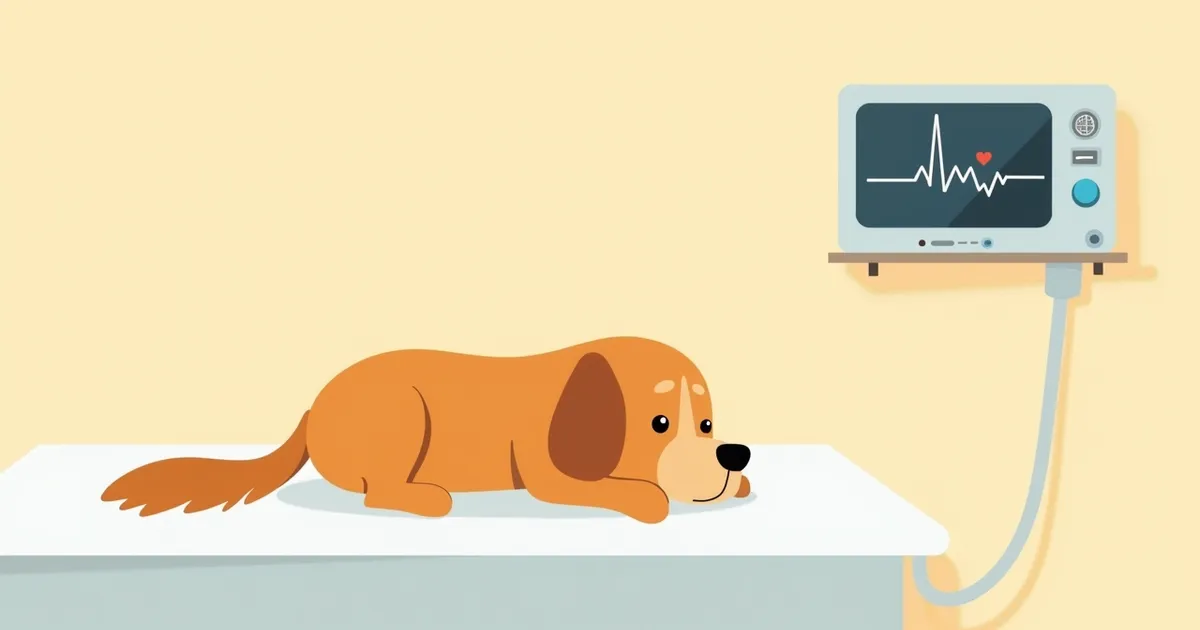
What is ectropion? Related guide image

Good to Know 2: Diagnosis and Treatment Options

Veterinarians use a slit-lamp examination and fluorescein staining to check for corneal surface damage, assess the degree of eyelid inversion and exposure, and determine the appropriate treatment plan. For mild cases, conservative treatment is first attempted using anti-inflammatory medications and lubricating/protective eye drops (such as artificial tears) to manage inflammation, dryness, and exposure. However, if significant secondary conditions like keratitis or ulcers develop due to exposure, or if the inversion is severe, surgical correction of the eyelid (such as wedge resection or V-Y plasty) may be necessary to return it to its normal position. Surgery is typically performed once the eyelids have reached a mature form, with the specific method and extent determined by a veterinary ophthalmologist based on eyelid structure, age, and symptom severity. Pet owners should not choose treatment methods on their own.
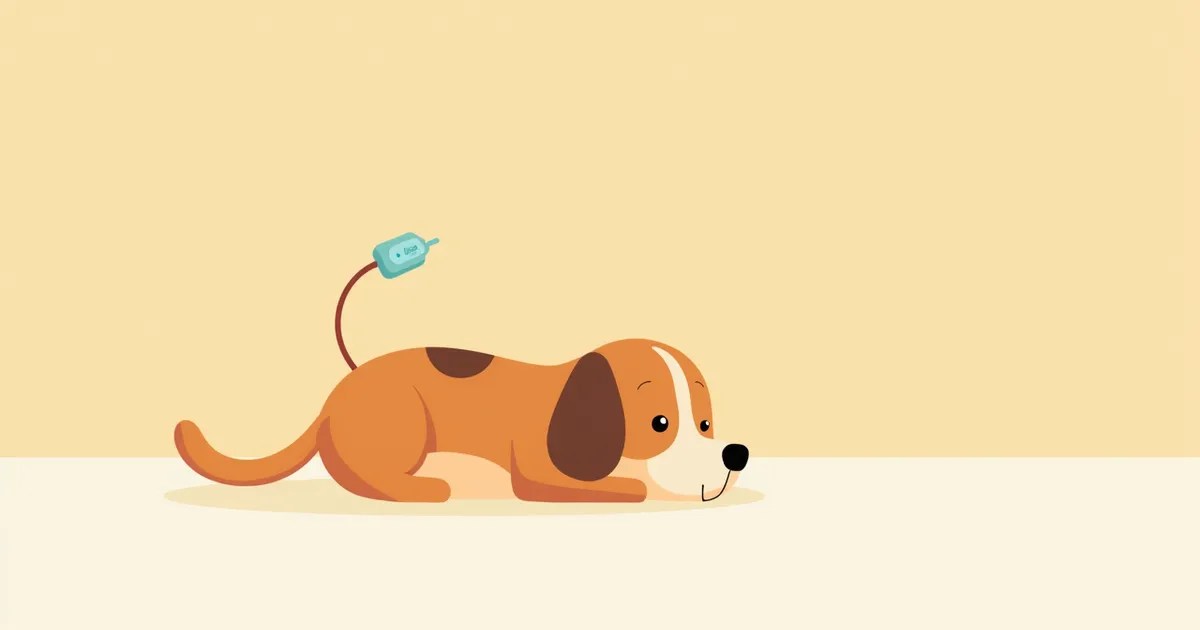
An informational image about diagnosis and treatment options

Good to Know 3: Daily Care and Precautions

After surgery, keep the e-collar on to prevent your pet from scratching or rubbing their eyes. Administer the prescribed eye drops exactly as directed in terms of frequency and duration; stopping them prematurely can lead to recurrence or worsen corneal damage. During recovery, avoid dusty environments, strong winds, and swimming. Monitor for changes in eye discharge, redness, or tear production daily, and contact your veterinarian immediately if you notice any abnormalities. Do not use over-the-counter eye drops or unverified supplements without veterinary guidance, as they may exacerbate symptoms. Always follow your veterinarian’s instructions for proper care.
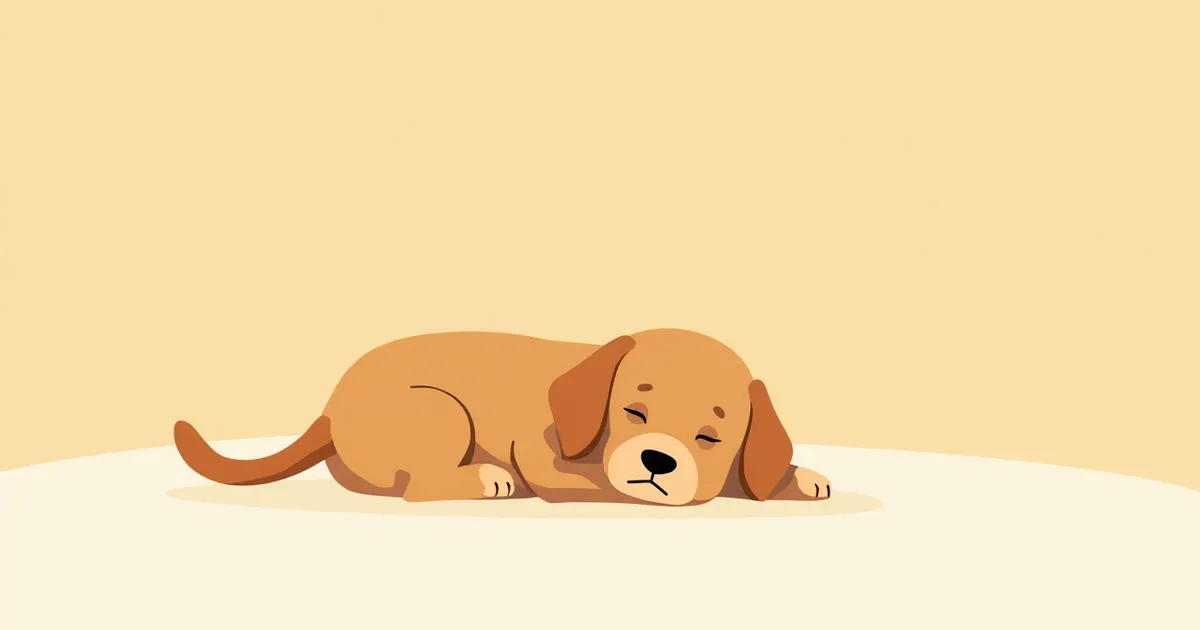
Guidance image on daily care and precautions

Canine Ectropion (Eyelid Turning Outward): What Owners Should Know

ItemKey Points
ConditionOutward turning of the eyelid, exposing the conjunctiva
CausesCongenital breed traits (loose facial skin), aging, trauma, scarring (cicatrix)
DiagnosisAssess corneal damage with slit-lamp and fluorescein staining examinations
TreatmentAnti-inflammatory and lubricating eye drops for mild cases; eyelid plastic surgery for severe cases
CautionDo not use medications arbitrarily; management under veterinary prescription is essential

This is not a table recommending specific products or clinics, but a reference for when you consult a veterinarian. Treatment and testing decisions must always be made together with a veterinarian through an examination.

Caution: Stop Use Immediately If Eye Irritation Occurs

If your pet’s eyes become red or itchy after using the product, stop using it immediately and consult your veterinarian. There is an increased risk of infection.

Tips for Managing Canine Ectropion
Consistent daily habits are key to managing your dog’s ectropion. Here are some practical tips you can incorporate into your routine.
Clean around the eyes: Gently wipe the area around your dog’s eyes once a day with a soft cloth.
Avoid physical irritation: Regularly groom the fur around the eyes to prevent it from getting into the eyes.
Control humidity: Maintain indoor humidity levels between 40% and 60%.
Regular check-ups: Have your veterinarian examine your dog’s eyes every three months.
Dietary adjustments: Choose dog food rich in antioxidants.
Cleaning around your dog's eyes

Reviewed by a veterinarian

Dr. Tony — Punnawat Phongkittirak

Dr. Tony — Punnawat Phongkittirak

Veterinarian

A veterinarian who majored in veterinary medicine at Khon Kaen University, Thailand, and completed the IVSA program at North Carolina State University in the United States. Drawing on clinical experience at animal hospitals, he works in the pet healthcare field and is dedicated to building a digital care environment that connects pet parents with veterinarians.

Frequently Asked Questions

Can ectropion be managed without surgery?
In mild cases, symptoms can often be relieved with anti-inflammatory and lubricating eye drops (such as artificial tears) along with proper care of the area around the eyes. However, if there are corneal complications due to exposure or if the condition is severe, surgical correction of the eyelids may be necessary.
How many times a day should I use the tear stain cream?
It varies by product. Generally, it is recommended to use it 2 to 3 times a day. Be sure to check the product instructions.
Which breeds are more prone to ectropion?
This condition is commonly seen in large breeds with loose facial skin, such as Bloodhounds, Saint Bernards, Newfoundlands, and Cocker Spaniels. In breeds with abundant facial skin, like the Saint Bernard, it can manifest as "diamond eye," a combination of entropion and ectropion.
Can using tear stain cream incorrectly cause problems?
If your pet experiences eye irritation or itching, discontinue use immediately and consult your veterinarian.
Is ectropion hereditary?
Yes, ectropion is classified as a hereditary eyelid condition, and certain breeds have a higher genetic predisposition. It’s important to check breed-specific traits before adopting.

Share

Related Guides

References

[1] Gelatt KN et al. (2013) Veterinary Ophthalmology, 2nd ed. Wiley-Blackwell, Oxford, UK.

[2] Côté E. (2015) Clinical Veterinary Advisor: Dogs and Cats, 3rd ed. Elsevier Mosby.

[3] Ny Y et al. (2006) Medial canthoplasty for epiphora in dogs: a retrospective study of 23 cases. J Am Anim Hosp Assoc, 42:435–439.

This information is based on veterinary literature and does not replace diagnosis or treatment. Please consult a veterinarian for specific health concerns.

Metapet Co., Ltd. | CEO: Park Sung-yong | Business Reg. No. 417-88-02562 | Seoul, South Korea | Customer Center

Vet-Recommended Top 7 Eye Care Tips for Dogs with Ectropion | Meongsiljang