Like
Share
멍실장
강아지 만성 기침 감별 진단 관리 추천 BEST와 고르는 기준 총정리

Top Recommended Management Strategies and Selection Criteria for Differential Diagnosis of Chronic Cough in Dogs

RespiratoryTop PicksMeongsiljang Veterinary Advisory Board

Accurately identifying the cause is key to treating chronic cough in dogs. Here are the top three diagnostic tests and management strategies for differential diagnosis.

The Key to Differential Diagnosis of Chronic Cough in Dogs is Accurate Identification of the Cause

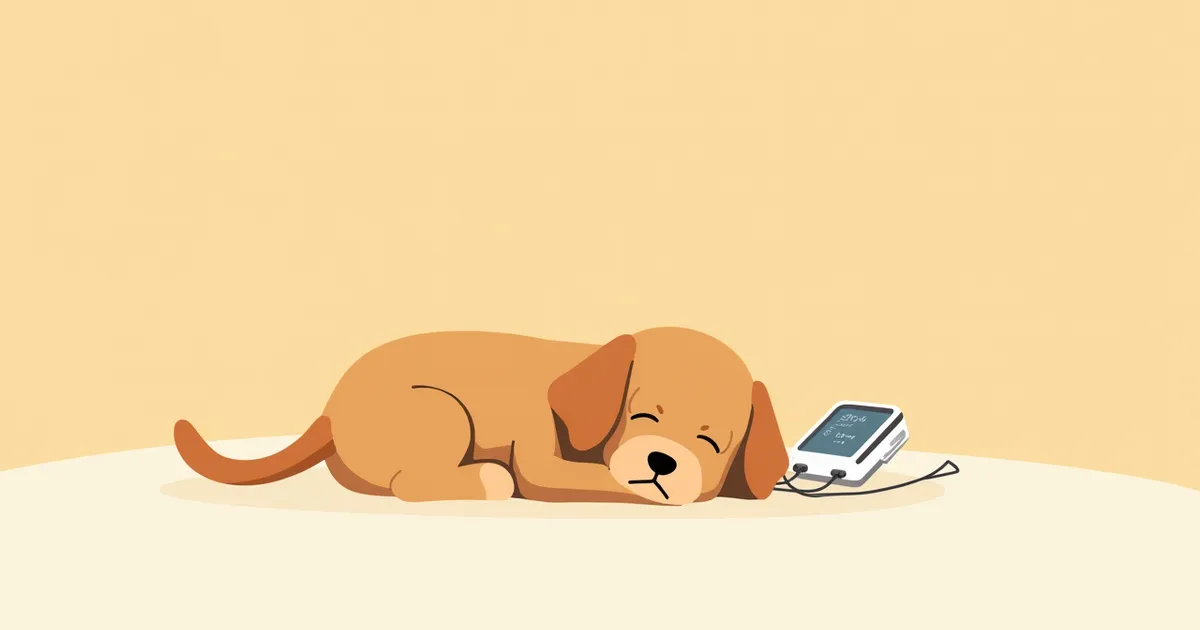
A veterinary examination scene for diagnosing chronic cough in dogs
A chronic cough in dogs is defined as a cough lasting more than two weeks. Without identifying the exact cause, treatment becomes difficult. Various potential causes—such as bronchitis, pneumonia, heart disease, and tracheobronchomegaly—must be ruled out, making thorough differential diagnosis essential. This process requires a veterinarian’s professional assessment and diagnostic testing. An accurate diagnosis forms the foundation for developing an effective treatment plan and directly impacts improving your dog’s quality of life. Therefore, a systematic approach from the outset is crucial.

Selection Criteria: Tips for Choosing a Clinic for Differential Diagnosis of Chronic Cough
To accurately diagnose chronic cough in dogs, we need to consider several factors. For an accurate diagnosis, we must take into account the type of test, cost, burden on the patient, accuracy, and accessibility. A comprehensive evaluation of each factor is essential for effective management.
Blood tests: A basic test to assess overall health and check for inflammation.
Chest X-ray: An essential test to identify structural abnormalities in the trachea and lungs.
Bronchial biopsy: When a definitive diagnosis is needed, tissue samples are collected for detailed pathological analysis.
Cough provocation test: A method that induces coughing to observe the response and help identify the cause.
Echocardiogram: An important test to evaluate heart function and detect any abnormalities.
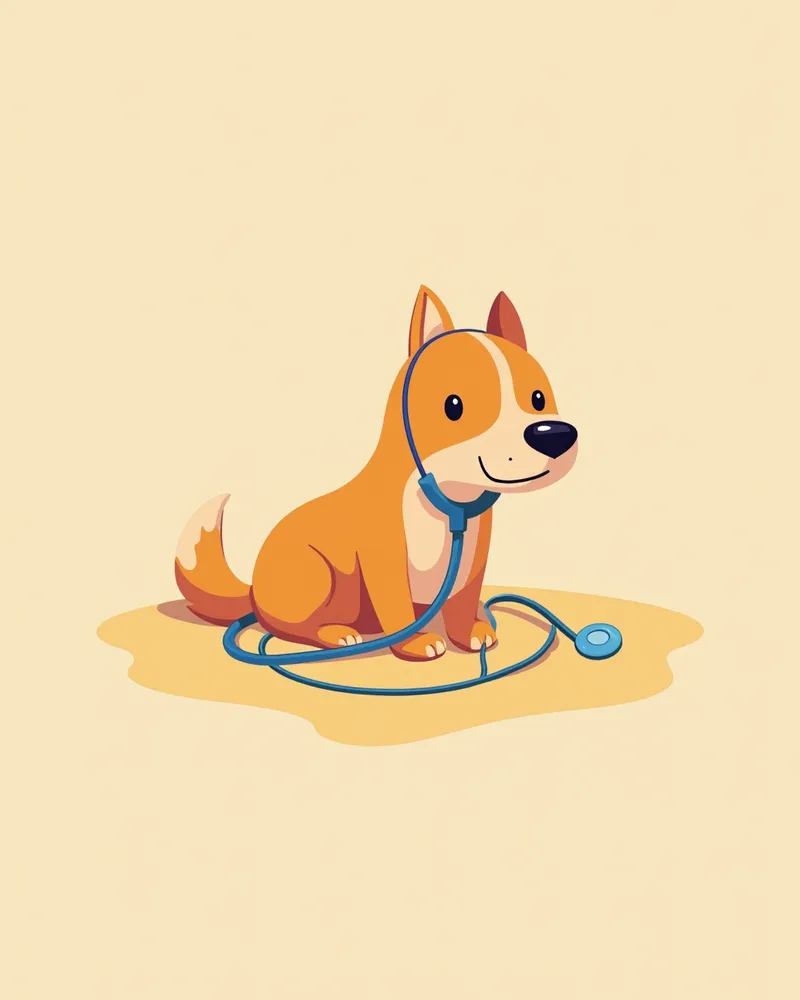
A scene showing a veterinary auscultation exam to diagnose a dog’s cough.

Check 1: Whether Step-by-Step Differential Testing is Systematically Conducted

Chronic coughing can stem from a variety of causes, making it difficult to pinpoint the exact issue with just one test. A step-by-step approach is essential, starting with chest X-rays, cardiac evaluations, and blood work, then expanding the scope of testing as needed. Look for a clinic that carefully asks about the nature and duration of the cough, as well as any accompanying symptoms, and tailors the diagnostic plan accordingly. Choose a veterinary practice that methodically rules out common causes first, rather than recommending excessive tests right away.
A scene of a tracheoscopy examination for diagnosing canine tracheal collapse

Check 2: Whether Causes Such as Asthma, Heart Disease, and Infections Are Differentiated
Chronic bronchitis is one of the most common causes of chronic coughing in dogs, but there are many other potential causes, including heart disease, lung infections, parasites, and foreign bodies. Since asthma is primarily a feline condition, it’s more appropriate to first investigate other causes, such as chronic bronchitis, in dogs. Because treatment varies significantly depending on the underlying cause, it’s best to choose a veterinary clinic that can perform both cardiac evaluations and respiratory examinations. If the cause remains unclear after routine tests, it’s also helpful to confirm whether the clinic can proceed to advanced diagnostics, such as bronchoscopy.
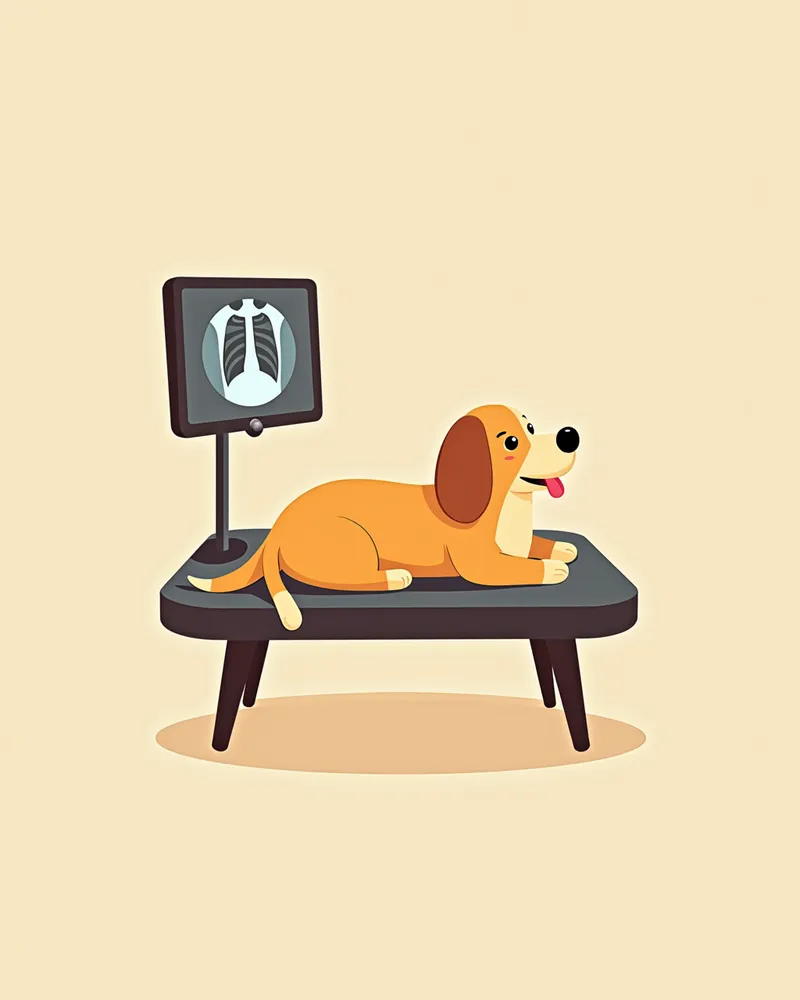
A scene of chest X-ray imaging for diagnosing infectious cough in dogs

Check 3: Whether Cause-Specific Treatment and Environmental Management Are Guided
Proper care after the examination is crucial for your dog’s well-being. Your dog may experience temporary fatigue or coughing following the procedure. The key to effective care lies in minimizing stress and optimizing the environment.
Maintain a comfortable environment: Use an air purifier and avoid exposure to cigarette smoke and perfumes.
Minimize stress: Allow your dog to rest in a quiet space.
Adjust diet: Offer soft food to reduce digestive burden.
Adhere to medication instructions: Administer medications exactly as directed by your veterinarian.
Scene of a bronchial biopsy test when the cause of a dog's cough is unknown

Checklist for Selecting a Clinic for Differential Diagnosis of Chronic Cough

ItemRecommended Criteria
Test OperationsA clinic that differentiates step by step, starting from chest X-ray, cardiac evaluation, and bloodwork
Diagnostic ScopeA clinic that can evaluate multiple causes together, such as bronchitis, heart disease, and infection
Interpretation CapabilityA veterinarian who identifies the cause by comprehensively considering the cough pattern and test results
Result InterpretationA clinic that guides cause-specific treatment and environmental management to reduce irritants
Cost GuidanceA clinic that informs you in advance of expected costs and the possibility of additional tests before testing

This is not a table recommending specific products or clinics, but a reference for consulting with your veterinarian. Always make treatment and testing decisions together with your veterinarian through an examination.

Caution: Early Diagnosis Is Essential If Coughing Persists

If your dog’s cough persists for more than two weeks, it’s important to have them examined to identify the underlying cause. Left untreated, it can lead to impaired lung function. Seek veterinary care immediately if the cough is accompanied by difficulty breathing, weight loss, or decreased appetite.

Four Post-Examination Care Tips

Proper care for your dog after the examination is essential. Your dog may experience temporary fatigue or coughing following the test. The key to effective care lies in minimizing stress and optimizing the environment.
Maintain a comfortable environment: Use an air purifier and avoid exposure to cigarette smoke and perfumes.
Minimize stress: Allow your dog to rest in a quiet space.
Adjust diet: Offer soft food to reduce strain on the digestive system.
Adhere to medication instructions: Administer medications exactly as directed by your veterinarian.
A scene of a safe walk for managing a dog's cough

Reviewed by a veterinarian

Dr. Tony — Punnawat Phongkittirak

Dr. Tony — Punnawat Phongkittirak

Veterinarian

A veterinarian who majored in veterinary medicine at Khon Kaen University, Thailand, and completed the IVSA program at North Carolina State University in the United States. Drawing on clinical experience at animal hospitals, he works in the pet healthcare field and is dedicated to building a digital care environment that connects pet parents with veterinarians.

Frequently Asked Questions

When should you take your dog to the vet for coughing?
If your pet’s cough persists for more than two weeks, or is accompanied by difficulty breathing, weight loss, or decreased appetite, please visit the clinic immediately.
Is the cough-induction test painful?
The procedure is non-invasive and can be performed without anesthesia. Your dog may experience a brief coughing fit, but there will be minimal discomfort.
Is a bronchial biopsy dangerous?
Although anesthesia carries some risks, the procedure can be performed safely by a qualified veterinarian, and complications are rare.
Is a dog’s cough related to its age?
Yes, senior dogs are at a higher risk for tracheal dilation and lung diseases. The underlying causes can also vary depending on the dog's age.
Are there any home care methods I can try if my pet starts coughing?
Using an air purifier, avoiding smoking, maintaining a quiet environment, and reducing stress can all be helpful.

Share

Related Guides

References

[1] Smith, P. (2023). The dog with kennel cough. In 100 Top Consultations in Small Animal General Practice. Elsevier.

[2] Veterinary Workbook of Small Animal Clinical Cases (2022). Case 42: Canine respiratory infections and chronic cough. Wiley-Blackwell.

[3] Canine and Feline Respiratory Medicine, 3rd Edition (2021). Chapter 5: Tracheal collapse and chronic airway disease. Elsevier.

This information is based on veterinary literature and does not replace diagnosis or treatment. Please consult a veterinarian for specific health concerns.

Metapet Co., Ltd. | CEO: Park Sung-yong | Business Reg. No. 417-88-02562 | Seoul, South Korea | Customer Center

Chronic Cough in Dogs: Best Differential Diagnosis Tests | Meongsiljang