Like
Share
멍실장
고양이 새끼 고양이 구충 시기 관리 추천 BEST와 고르는 기준 총정리

The Best Kitten Deworming Schedule, Management Tips, and Selection Criteria: A Complete Guide

Infection/ParasitesTop PicksMeongsiljang Veterinary Advisory Board

Kitten are particularly susceptible to parasitic infections in their early weeks of life, making regular deworming essential. Choosing the right timing and products can support their healthy growth.

Kitten Deworming Schedule Management: A Healthy Start
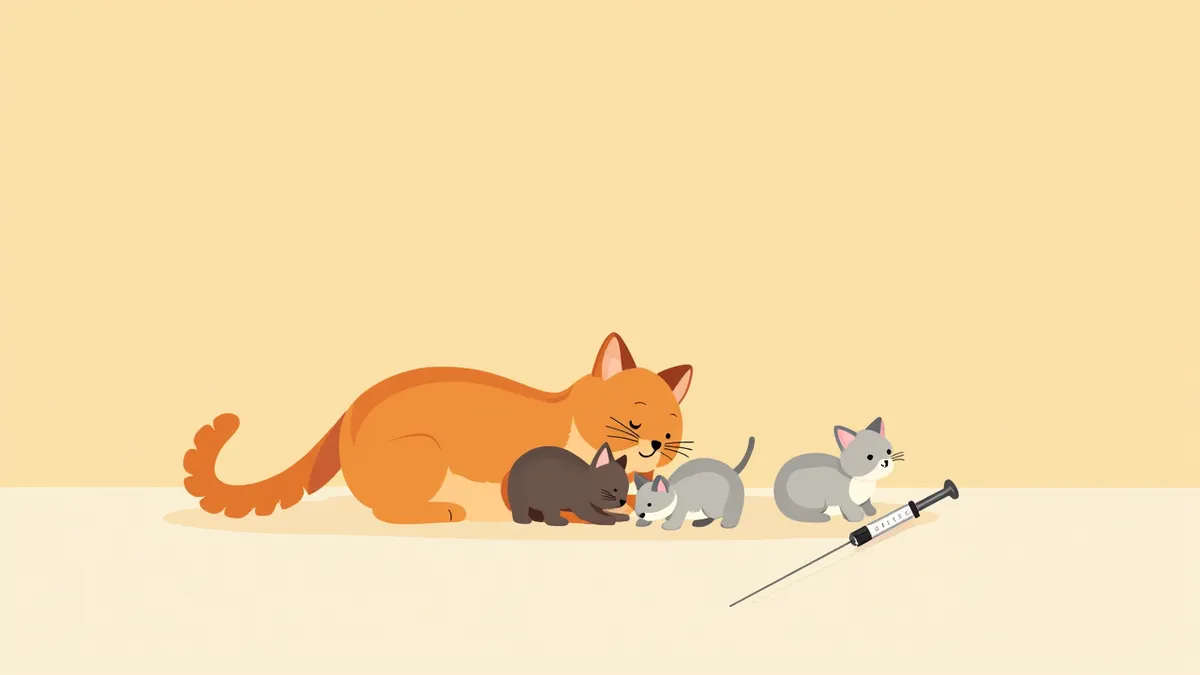
A mother cat giving birth to her kittens, with a deworming medication on the table.
Kittens are highly susceptible to parasitic infections early in life, and roundworm larvae can even be transmitted from mother to kitten through breast milk. Therefore, deworming is recommended to begin at 3 weeks of age, administered every two weeks until 9 weeks of age, and then monthly until 6 months of age. During the first year of life, it is advisable to perform fecal examinations 2–4 times to provide age-appropriate, tailored care. - Deworming schedule: It is recommended to deworm every two weeks from 3 to 9 weeks of age, and then once a month from 9 weeks until 6 months of age. - Safety: Choose products with stable ingredients that are recommended by veterinarians. - Spectrum of efficacy: Opt for products that effectively eliminate common parasites such as roundworms, hookworms, and nematodes. - Ease of administration: Consider formulations that are easy for kittens to consume, such as liquids, sticks, or capsules. - Veterinarian-recommended products: Prioritize products with proven safety and efficacy.

5 Selection Criteria: Tips for Choosing Safe and Effective Products

When choosing a dewormer, consider your pet’s breed, age, weight, and the type of parasite. To ensure both safety and effectiveness, prioritize products recommended by your veterinarian. It’s also important to check whether the active ingredients are well-absorbed and whether the product has minimal side effects.
Safety first: Choose products with ingredients that have fewer side effects.
Age-appropriate: Select products approved for use in pets aged 3 weeks and older.
Weight-based dosing: Opt for products that allow dosage adjustment according to your pet’s weight.
Broad-spectrum coverage: Look for products that eliminate multiple parasite types, such as roundworms, hookworms, and nematodes, in a single treatment.
Form factor: Consider forms that are easy for your pet to take, such as liquids, capsules, or chewable sticks.
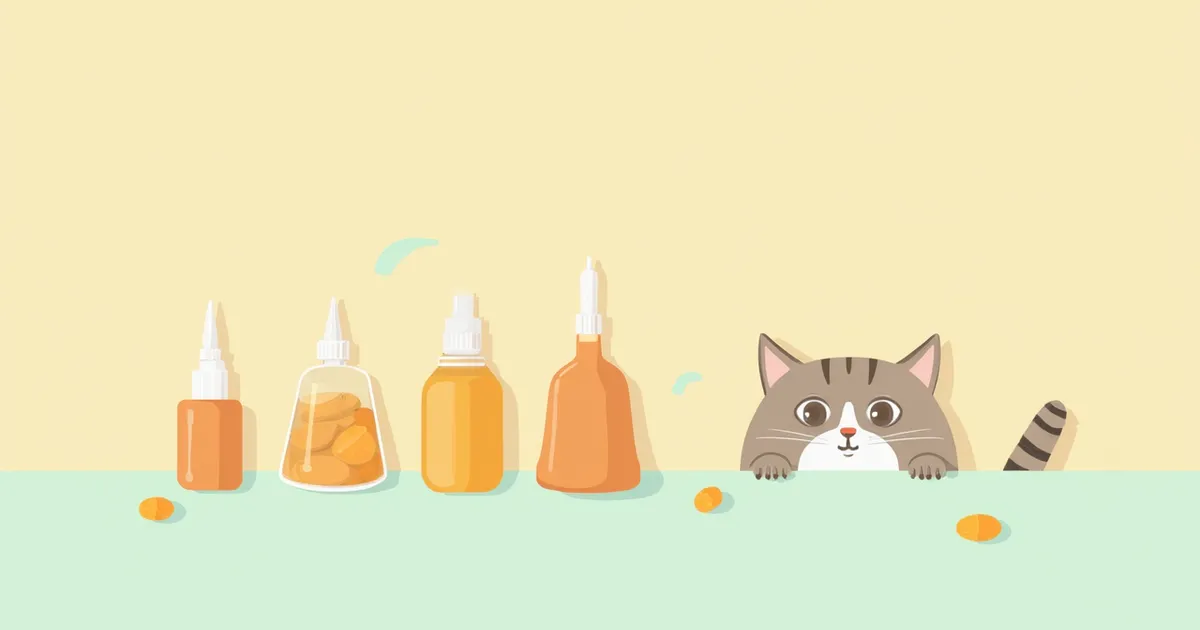
Cat dewormers come in liquid, capsule, and syringe forms.

BEST 1: Profarmide Liquid Dewormer (Usable from 3 Weeks of Age)
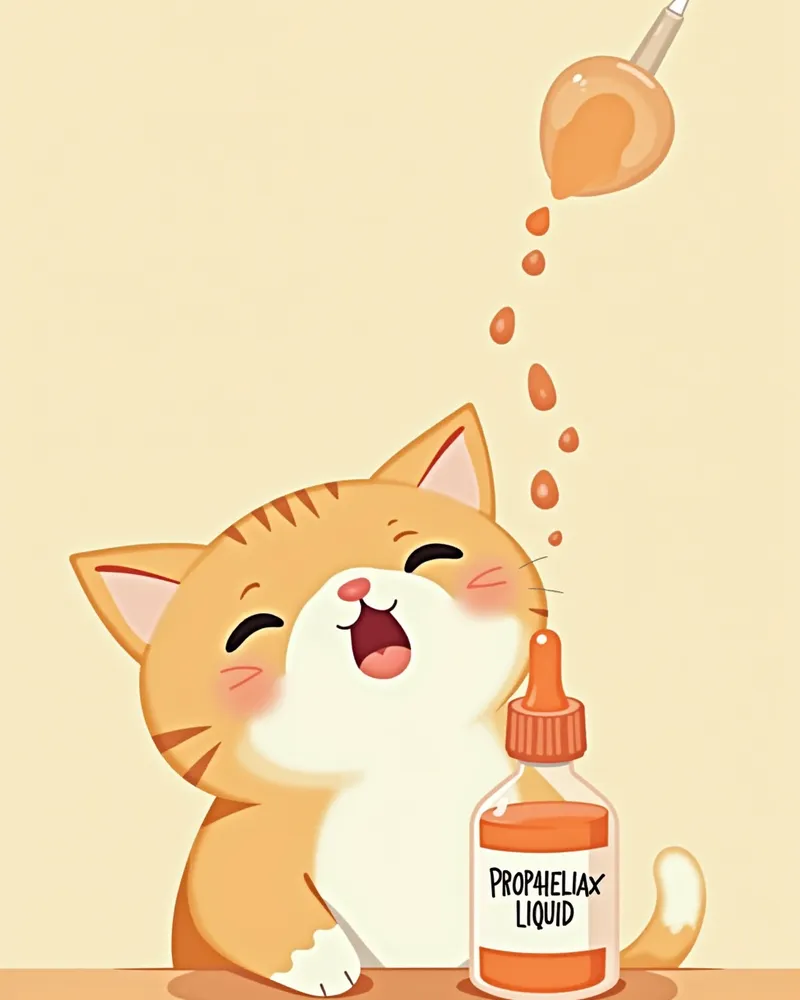
This liquid dewormer is suitable for kittens from 3 weeks of age and is designed to be gentle on their stomachs. - Active Ingredients: The deworming agent works by paralyzing the nervous system of parasites, effectively eliminating roundworms, hookworms, and nematodes. - Liquid Formulation: Its easy-to-administer consistency allows for simple dosing using a syringe-like applicator. - Proven Safety: Recommended by veterinarians, this product has a low incidence of side effects after administration. - Dosing Schedule: Administer every two weeks from 3 to 9 weeks of age, then once monthly until the kitten reaches 6 months old. - Parasite Prevention: By blocking internal parasites from an early stage, it supports healthy growth and development.
A kitten drinking liquid dewormer as it’s being dripped into its mouth

BEST 2: Capsule Dewormer with Probiotics (Usable from 6 Weeks of Age)

This product is virtually odorless and palatable, making it easy for kittens to consume. It can be used from 8 weeks of age and is conveniently administered in stick form. - Odorless design: Formulated with minimal scent to accommodate cats’ sensitivity to odors. - Palatable formula: The taste is optimized so that even kittens can eat it without hesitation. - Effective parasite control: Highly effective against major parasites, without causing lethargy after administration. - Easy administration: The stick format allows for easy hand-feeding or mixing into food. - Supports gut health: With minimal side effects, it helps maintain a stable intestinal environment. This is an ideal choice for cats that are sensitive to smells or have picky eating habits.
A kitten with its paw resting on a capsule.

BEST 3: Odorless Stick Dewormer (Usable from 8 Weeks of Age)

This product is virtually odorless and palatable, making it easy for kittens to take. - Odor-free design: Formulated with cats’ sensitivity to smells in mind, it has almost no scent, reducing the likelihood of refusal. - Stick format: Easy to hold and administer by hand, simplifying dosing. - Effective against parasites: Highly effective against major parasites such as roundworms and hookworms. - Maintains activity levels: Cats remain active after administration, allowing their daily routines to continue naturally. - Suitable for cats 8 weeks and older: Safe for use from 8 weeks of age onward, based on the topical formulation. - Cat-friendly formula: Specifically designed to minimize stress on the stomach.
A kitten happily eating a deworming stick.

Comparison Table of BEST 1–3 Dewormers

ItemProduct NameUsable TimingFormMain ParasitesAdditional Effects
BEST 1: Proparmide LiquidProparmide LiquidFrom 3 weeksLiquidRoundworms, hookworms, nematodesFew side effects
BEST 2: Probiotics CapsuleProbiotics CapsuleFrom 6 weeksCapsuleRoundworms, hookworms, nematodesSupports gut health
BEST 3: Odorless StickOdorless StickFrom 8 weeksStickAll major parasitesGood taste, easy to administer

Selected based on veterinarian-recommended products; administer according to weight and age. Deworming every 2 weeks is recommended for kittens 3–9 weeks old, then once a month until 6 months of age, and it is advisable to perform 2–4 fecal examinations during the first year of life.

Caution: Overdosing on Dewormers is Dangerous

Deworming medications should only be administered at the correct dosage as directed by a veterinarian. Overdosing can lead to side effects such as vomiting, diarrhea, and lethargy. Dosage adjustment is especially important for kittens with low body weight, so always consult your veterinarian before use.

Usage Tips: Manage Deworming Schedule and Environment Together

For 2–3 days after giving deworming medication, it’s important to carefully manage your pet’s feces and keep their environment clean. Clean daily to prevent parasite eggs from spreading, and change the litter box frequently. Keeping a regular deworming schedule helps you stay on track, and working with your veterinarian to set up a management plan is a great approach.
Record the schedule: Note the deworming date in a notebook or app.
Clean the environment: Remove feces daily and replace the litter.
Consult your veterinarian: Have your pet’s health checked regularly.
Monitor for side effects: Visit the clinic immediately if any unusual symptoms appear after administration.
A calendar showing deworming schedules and litter box cleaning tools

Reviewed by a veterinarian

Dr. Tony — Punnawat Phongkittirak

Dr. Tony — Punnawat Phongkittirak

Veterinarian

A veterinarian who majored in veterinary medicine at Khon Kaen University, Thailand, and completed the IVSA program at North Carolina State University in the United States. Drawing on clinical experience at animal hospitals, he works in the pet healthcare field and is dedicated to building a digital care environment that connects pet parents with veterinarians.

Frequently Asked Questions

Should I deworm a two-week-old kitten?
No, two weeks of age is too early to start deworming. It’s safer to begin at three weeks, and then continue every two weeks until nine weeks of age. Please consult your veterinarian before administering any medication.
Is it okay to give deworming medication every week?
No, administering it weekly is too frequent. For puppies aged 3 to 9 weeks, deworming is recommended every two weeks; thereafter, monthly deworming is advised until they reach six months of age. Please follow the instructions on the product label or your veterinarian's guidance.
What should I do if my pet has diarrhea after taking deworming medication?
Mild diarrhea may be temporary, but if it persists or becomes severe, it could be a side effect. Stop giving the medication and consult your veterinarian right away.
Should I deworm kittens that are still nursing?
Yes. Since roundworm larvae can be transmitted through breast milk, deworming is recommended starting at three weeks of age, and it’s important to treat the mother cat as well.
Is it okay for my pet to play right after taking deworming medication?
While there’s no strict evidence that you must limit your pet’s activity after deworming, it’s a good idea to avoid strenuous exercise right after giving the medication and keep an eye on how they’re feeling. If you notice any side effects such as vomiting, diarrhea, or lethargy, contact your veterinarian immediately.

Share

Related Guides

References

[1] The Cat, Clinical Medicine and Management, 2nd Edition. Elsevier, 2023.

[2] Principles and Practices of Canine and Feline Clinical Parasitic Diseases. Wiley-Blackwell, 2022.

[3] American Association of Feline Practitioners (AAFP). Feline Wellness Guidelines, 2023.

This information is based on veterinary literature and does not replace diagnosis or treatment. Please consult a veterinarian for specific health concerns.

Metapet Co., Ltd. | CEO: Park Sung-yong | Business Reg. No. 417-88-02562 | Seoul, South Korea | Customer Center

Best Deworming Schedule for Kittens: A Monthly Care Guide | Meongsiljang