Like
Share
멍실장
고양이 이(사면발이) 감염 관리 추천 BEST와 고르는 기준 총정리

Top Recommended Products and Selection Criteria for Managing Cat Lice (Felicola subrostratus) Infestations

Infection/ParasitesTop PicksMeongsiljang Veterinary Advisory Board

Cat lice (a parasitic infestation) is a highly contagious condition that causes hair loss and itching. We’ve compiled a guide to effective treatment products and how to choose the right one.

Cat Lice (Felicola subrostratus) Infestation Is a Highly Contagious Parasitic Condition

Itchy symptoms caused by a cat flea (four-legged parasite) infestation
Cat lice (specifically the species Felicola subrostratus) are biting lice that primarily infest the face, back, and ears of cats, potentially causing itching, dandruff, and hair loss. These parasites are host-specific and are mainly transmitted through direct physical contact between cats. Although they do not survive long in the environment, they can still spread if items like bedding or combs are shared, so maintaining cleanliness is recommended. In the early stages, symptoms may include mild itching and rough, dry fur, but if left untreated, excessive scratching can lead to skin abrasions and wounds. Infection can be confirmed by examining the fur for small, yellowish, moving nits or eggs (nits) firmly attached to hair shafts, or through microscopic examination at a veterinary clinic.

Key Facts: Managing Cat Lice (Felicola subrostratus) Infestations

When choosing a lice control product for your cat, consider its effectiveness against parasites, the safety of its ingredients for cats, and the ease of application. Products that minimize skin irritation are preferred. In particular, veterinarian-prescribed topical parasiticides are both safe and effective. Lice are generally susceptible to most insecticides, and topical treatments containing isoxazolines or fipronil are known to be effective options. However, since application methods and precautions vary by product, it is best to consult your veterinarian before selecting one.
Comparison image of cat dental (four-legged) infection management products

Key Fact 1: What Is the Condition and How Urgent Is It?
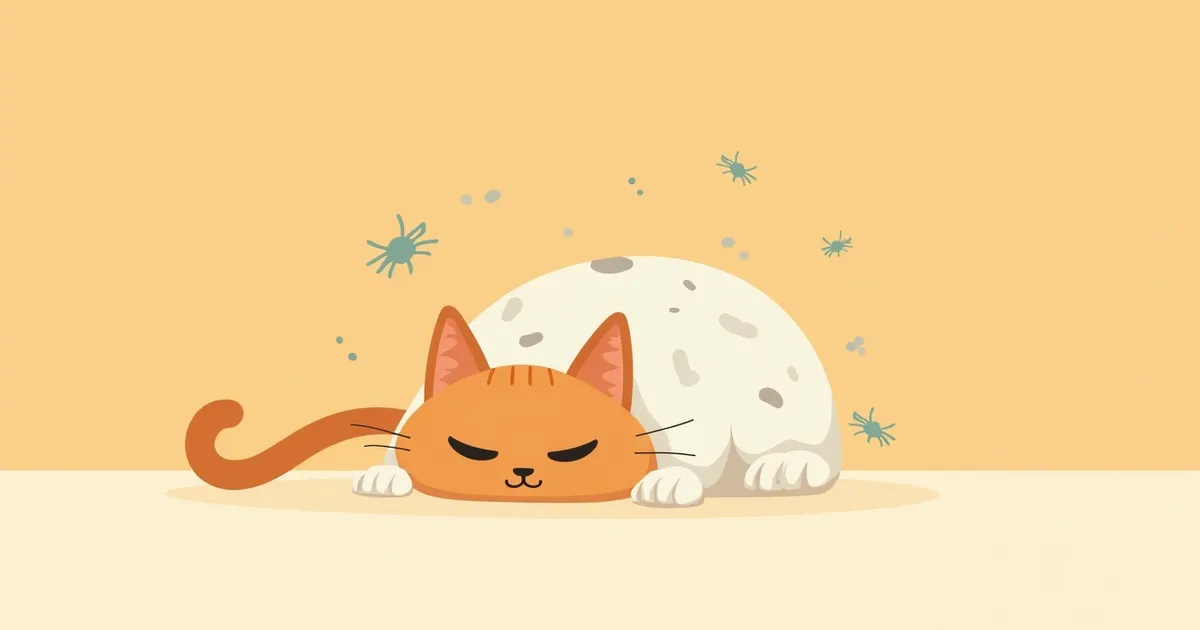
Feline lice infestation is an external parasitic condition caused by Felicola subrostratus, which lives on a cat’s fur and skin. Common symptoms include itching, dandruff, hair loss, and excessive grooming. This condition is more common in kittens, senior cats, or those with weakened health, as well as in multi-cat households. It can also be more severe in cats with long or matted fur. While it is contagious, it is not a life-threatening emergency. However, if left untreated, scratching can lead to secondary skin infections. If you notice visible lice or eggs (nits), it’s best to consult your veterinarian.
What is the condition and how urgent is it? Related guidance image

Key Fact 2: Diagnosis and Treatment Options

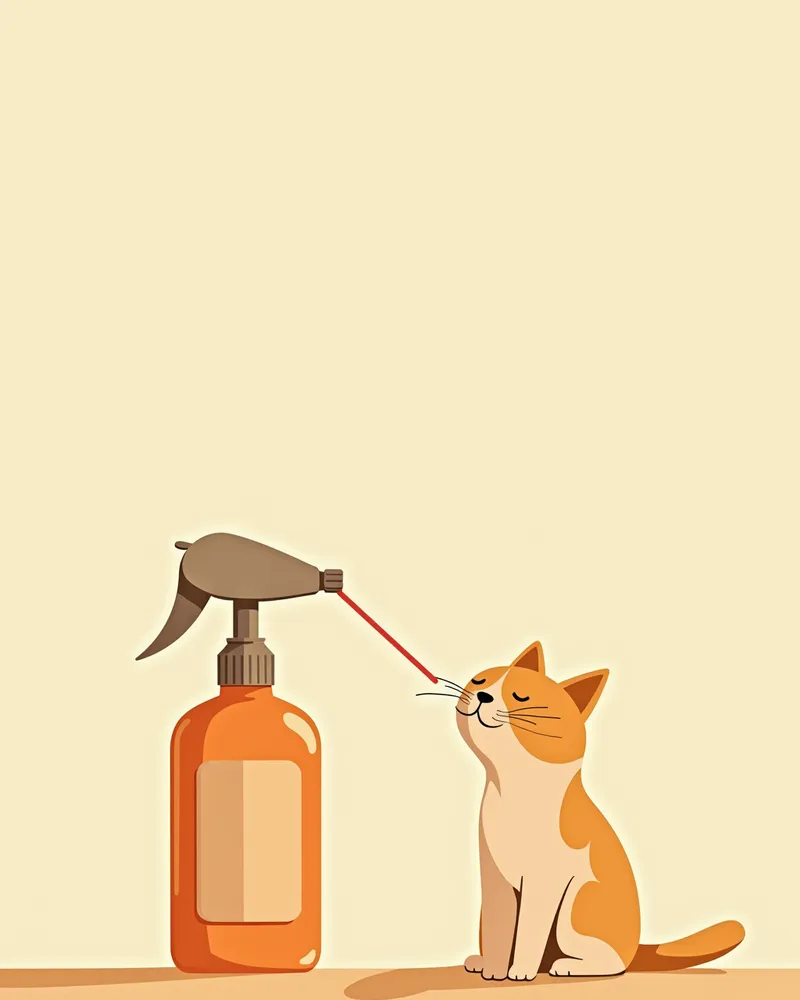
Diagnosing a lice infestation in cats involves visually inspecting the fur for lice or eggs, or confirming their presence through microscopic examination at a veterinary clinic. Treatment begins with bathing and combing to remove matted fur and debris, followed by the use of veterinarian-prescribed external parasiticides (insecticides). Depending on the product formulation and severity of the infestation, sprays or spot-on (topical) treatments may be used. Treatment may need to be repeated, and it is advisable to treat all cats living in the same household simultaneously. To avoid ineffectiveness or adverse reactions, always use these products under veterinary guidance.
What are the diagnostic and treatment options? Related guide image

Key Fact 3: Management, Precautions, and Preventing Reinfection
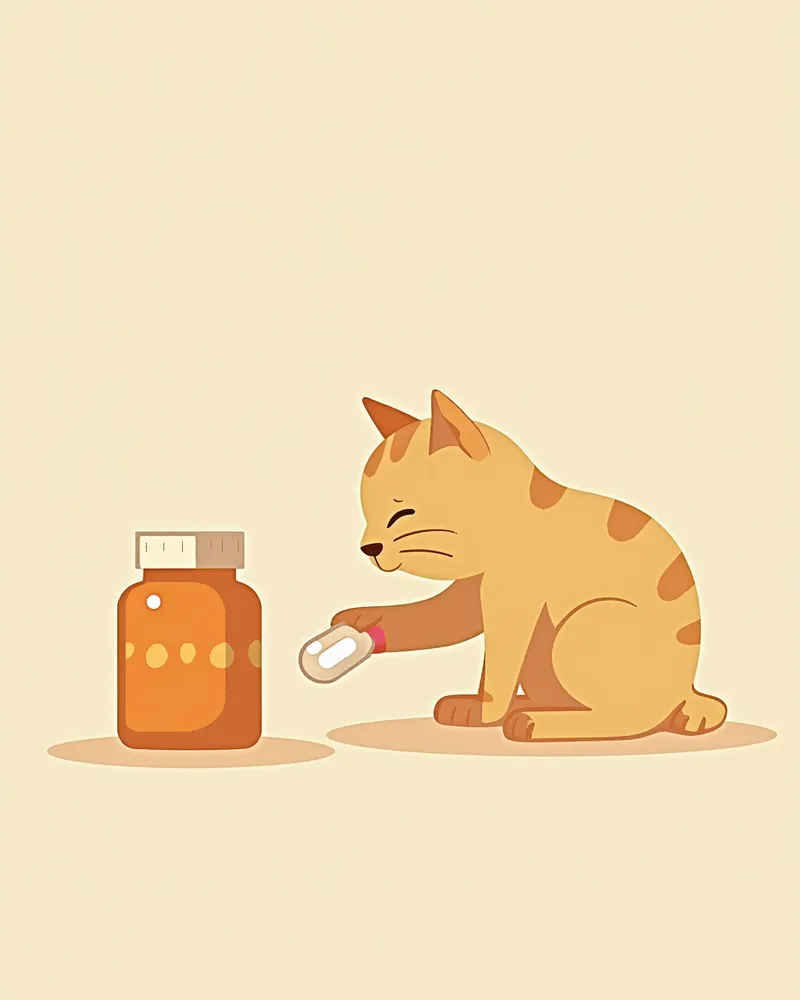
While these parasites do not survive long in the environment, it is essential to regularly wash and thoroughly clean and disinfect bedding, cushions, brushes, and other items your cat uses to prevent reinfection during treatment. Infected cats should have limited contact with other cats, and if you have multiple cats, it is best to treat them all together. For cats that spend a lot of time outdoors or in multi-cat households, consulting with your veterinarian to establish a regular external parasite prevention and management plan can be very helpful. Avoid unverified home remedies or products of unknown origin, as they can be dangerous; always manage your cat’s care under the diagnosis and prescription of a veterinarian.
Guidance on care, precautions, and preventing reinfection

What Pet Owners Should Know About Cat Lice (Felicola subrostratus) Infestations

ItemKey Points
SymptomsSevere itching, hair loss, excessive grooming
CauseInfestation by the parasite Felicola subrostratus
DiagnosisConfirmation by microscopic examination at an animal hospital
TreatmentUse of veterinarian-prescribed external parasite control medication
ManagementBedding disinfection, contact isolation, regular prevention program

This is not a table recommending specific products or clinics, but a reference to consult with your veterinarian. Treatment and testing decisions must always be made together with your veterinarian through an examination.

Caution: High Contagiousness—Separate From Other Cats

Cat lice (a parasitic infestation) is primarily spread through direct physical contact between cats. Although the lice doesn’t survive long in the environment, it can still be transmitted via shared items like bedding and grooming brushes, so caution is advised. Infected cats should be kept separate from other cats, and all shared items should be thoroughly washed and disinfected. Otherwise, the infection may spread to other cats living in the same household.

Usage Tip: Environmental Cleaning Is Essential for Maximum Effectiveness

When managing lice infestations in cats, it’s important to clean not only the cat but also its environment. Lice don’t survive long in the environment, but eggs and lice can remain on surfaces other than the cat’s fur, such as bedding, cushions, and combs, so thorough cleaning is recommended. Wash the cat’s bedding and cushions in hot water. Vacuum all areas of the home thoroughly, and dispose of the vacuum bag or canister contents properly afterward. Disinfect any items and tools that may harbor parasites by washing and sanitizing them carefully. Additional treatments may be needed at regular intervals after initial therapy, so failing to address the environment can significantly increase the risk of reinfestation.
Image of environmental cleaning for managing feline claw (four-legged) infections

Reviewed by a veterinarian

Dr. Tony — Punnawat Phongkittirak

Dr. Tony — Punnawat Phongkittirak

Veterinarian

A veterinarian who majored in veterinary medicine at Khon Kaen University, Thailand, and completed the IVSA program at North Carolina State University in the United States. Drawing on clinical experience at animal hospitals, he works in the pet healthcare field and is dedicated to building a digital care environment that connects pet parents with veterinarians.

Frequently Asked Questions

Can feline ringworm (a fungal infection) be transmitted to humans?
Cat fleas are host-specific parasites that only infest cats, so you don’t need to worry about them spreading to humans or other species. However, they can be transmitted through direct contact with other cats, so please limit contact between infected and healthy cats.
Is this product safe to use on kittens?
Use of this product is generally not recommended for kittens under 8 weeks of age. Please consult your veterinarian to determine whether it is appropriate for your kitten.
What happens if my cat licks itself after I use the spray?
Apply the spray while avoiding the eyes and the area around the mouth. If your pet licks it, they may experience mild gastrointestinal upset, but serious side effects are generally rare. Please consult your veterinarian if symptoms persist.
How can I prevent reinfection?
Regularly clean your cat’s fur and living environment, and if you have multiple cats, treat them all together. During treatment, additional applications may be needed at regular intervals. Minimize direct contact with other cats.
Is this product effective against other parasites as well?
Depending on the product’s ingredients, it may also be effective against other parasites such as fleas and ticks, but the specific efficacy varies according to each product’s individual formulation. Always follow your veterinarian’s prescription and guidance.

Share

Related Guides

References

[1] Feline Emergency and Critical Care Medicine, 2nd Ed. (2023)

[2] The Cat, Clinical Medicine and Management, 2nd Edition. (2022)

[3] BSAVA Manual of Canine and Feline Dermatology, 4th Ed. (2021)

This information is based on veterinary literature and does not replace diagnosis or treatment. Please consult a veterinarian for specific health concerns.

Metapet Co., Ltd. | CEO: Park Sung-yong | Business Reg. No. 417-88-02562 | Seoul, South Korea | Customer Center

Best Cat Lice (Felicola) Products and How to Choose | Meongsiljang