Like
Share
멍실장
강아지 단두종 기도 증후군(BOAS) 관리 추천 BEST와 고르는 기준 총정리

The Best BOAS Management Products for Brachycephalic Dogs and How to Choose Them

RespiratoryTop PicksMeongsiljang Veterinary Advisory Board

Brachycephalic Obstructive Airway Syndrome (BOAS) is a common respiratory condition in brachycephalic dog breeds. Choosing the right care products and methods can significantly improve their quality of life.

What is Brachycephalic Obstructive Airway Syndrome (BOAS)?

A close-up shot highlighting the nose and jaw structure of a brachycephalic puppy
Brachycephalic Obstructive Airway Syndrome (BOAS) is a breathing disorder commonly seen in brachycephalic breeds—dogs with short muzzles and flat faces. This condition is a congenital and genetic issue caused by severe shortening of the snout, which leads to structural abnormalities in the nose and airways, making it difficult for air to flow freely and causing breathing difficulties. It primarily affects brachycephalic breeds such as Bulldogs (English and French), Pugs, Pekingese, Shih Tzus, and Boston Terriers. Since it is a congenital condition, symptoms can appear early in life. Signs include snoring, snorting, retching, and exercise intolerance, with breathing difficulties often becoming more pronounced as the dog ages or after physical activity. Hot weather, stress, or excitement can further increase respiratory strain. Therefore, early diagnosis and a proper management plan are essential, requiring a professional evaluation by a veterinarian.

Key Criteria for Choosing BOAS Management Products

Choosing the right product is crucial for managing Brachycephalic Obstructive Airway Syndrome (BOAS) in dogs. An effective product should reduce respiratory burden and alleviate stress. There are four key criteria to consider. Please evaluate each item carefully.
Functionality: The product must have clear features that assist breathing, such as a design that widens the nostrils or improves airflow.
Safety: The material must be non-toxic, and the product should have no small parts or sections that could be easily swallowed.
Ease of Wear: It should be lightweight and secure so your dog remains comfortable and the product stays in place.
Durability: Since it will be used frequently, the product needs to be durable enough for long-term use.
A puppy wearing a nasal breathing support device

BEST 1: Nasal Dilator

This product may help improve airflow by gently expanding the tip of your dog’s nose. However, it does not address the underlying structural issues of Brachycephalic Obstructive Airway Syndrome (BOAS). Currently, the medically accepted treatments for BOAS primarily involve surgical corrections, such as widening narrowed nostrils (stenotic nares), trimming an elongated soft palate, and removing inverted laryngeal saccules. Always consult your veterinarian before using this product and carefully monitor your dog’s response. This product is intended only as a supportive aid, not as a primary treatment. Therefore, it should be part of a comprehensive management plan that includes surgical intervention.
A puppy wearing a nasal expansion support device

BEST 2: Breathing Support Harness

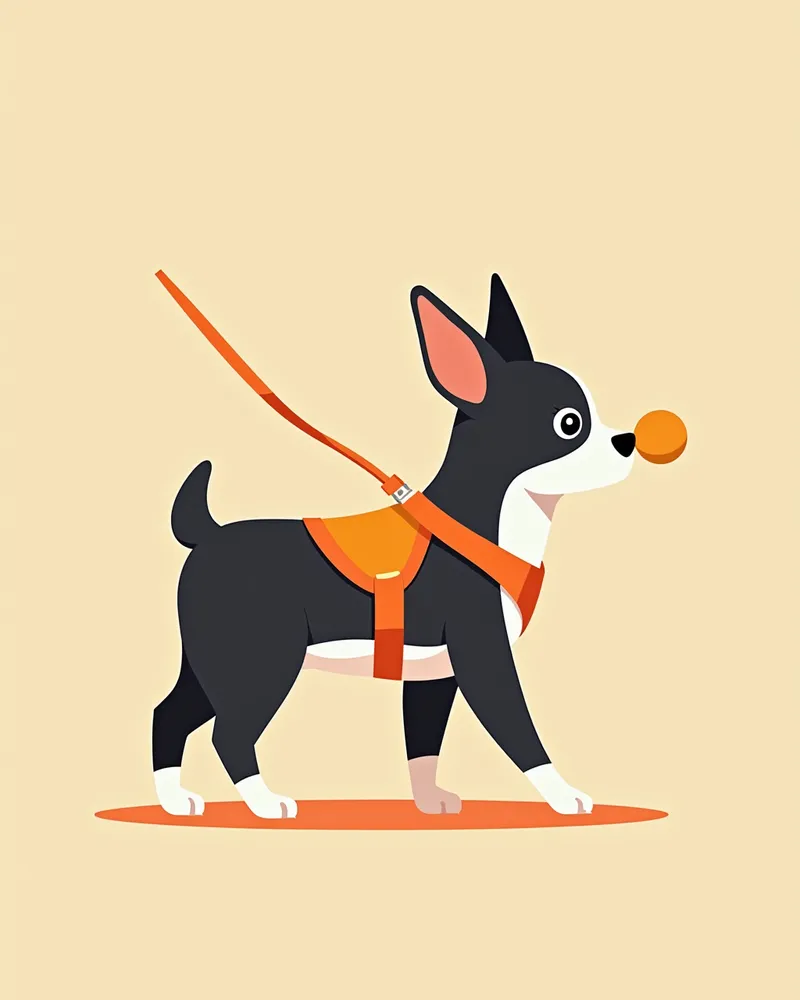
This collar is designed to reduce pressure on the neck when used instead of a standard leash, helping to minimize excessive strain on the neck and airway when your dog pulls or runs. However, since Brachycephalic Obstructive Airway Syndrome (BOAS) involves structural abnormalities of the airway itself, using this collar alone cannot fully resolve breathing difficulties, and it should be used under veterinary guidance. While the collar may offer supportive benefits during exercise when breathing is particularly labored, it is not a primary treatment method. Even if the collar feels comfortable, it is recommended to limit use to short periods rather than wearing it for extended times, and always follow your veterinarian’s instructions.
A Boston Terrier wearing a breathing support harness while taking a walk

BEST 3: Air-Purifying Nose Headband

This product features a filter designed to partially block fine dust and allergens around the nose, which may help reduce respiratory irritation when used indoors or in urban environments. However, since the primary cause of Brachycephalic Obstructive Airway Syndrome (BOAS) is structural airway obstruction, air purification plays only a supportive role; definitive treatment requires surgical correction of the airway. Always consult your veterinarian before using this product, and continuously monitor your dog’s response and comfort. If you notice coughing or signs of oxygen deprivation, discontinue use immediately. Filters should be cleaned thoroughly and replaced regularly.
A Shih Tzu puppy wearing a nose headband with air-purifying functionality.

Comparison Table of Products BEST 1–3

ItemNasal Dilator AidBreathing Support CollarAir-Purifying Headband
FunctionalityCan partially ease airflow. Needs to be combined with surgical treatment.Reduces neck strain. Aids breathing during exercise. Not a fundamental treatment.Blocks external contaminants. Plays a supportive role. Focus is on surgical treatment.
SafetyUses non-toxic materials. Swallowing risk requires monitoring.Soft material, minimizes skin irritation. Prolonged wear is limited.Filter is replaceable. Maintains hygiene. Watch for skin reactions.
Ease of WearLightweight and stays in place. Short-term use recommended.Adjustable, usable across various breeds. Prolonged wear should be avoided.Comfortable to wear. However, prolonged use may increase breathing burden.
Price RangeAbout $20About $30About $40

Prices are average retail prices as of 2024. Product function and safety should be judged according to veterinary consultation standards, and treatment efficacy is not guaranteed without medical evidence.

Precautions: Improper Product Use Can Be Dangerous

Always consult your veterinarian before using any products to manage Brachycephalic Obstructive Airway Syndrome (BOAS) in dogs. Items that are too tight can worsen breathing difficulties. Additionally, if your dog shows signs of discomfort or refuses to wear the product, stop using it immediately and consider alternative options.

Usage Tips: Practical Ways to Maximize Effectiveness

To get the most out of BOAS management products, follow these tips. First, always consult your veterinarian before using the product. Second, start with short sessions of 5 to 10 minutes when first using it, gradually increasing the duration. However, stop immediately if your dog shows signs of discomfort or if breathing difficulties worsen. Third, adjust walk times to avoid the heat of the day, opting for morning or evening instead. Fourth, regularly clean the product and check its condition. While surgical treatment may be considered to address structural airway issues, remember that the product is only an aid. For long-term respiratory health, it’s important to work with your veterinarian to develop a comprehensive care plan.
A dog owner gently wiping a nasal dilator.

Reviewed by a veterinarian

Dr. Tony — Punnawat Phongkittirak

Dr. Tony — Punnawat Phongkittirak

Veterinarian

A veterinarian who majored in veterinary medicine at Khon Kaen University, Thailand, and completed the IVSA program at North Carolina State University in the United States. Drawing on clinical experience at animal hospitals, he works in the pet healthcare field and is dedicated to building a digital care environment that connects pet parents with veterinarians.

Frequently Asked Questions

When should I start using the BOAS product?
Your veterinarian should determine whether it’s appropriate based on your puppy’s growth status and any symptoms they may be showing. Just because three months have passed doesn’t mean it’s automatically safe to use. A vet’s assessment is essential, and please remember that the product is only a supplementary aid.
Is it suitable for all brachycephalic breeds?
While suitable for most brachycephalic breeds, the product must be matched to each breed’s specific facial structure and size, so it’s important to consult your veterinarian to select the most appropriate option.
Will my dog become dependent on the product if I keep using it?
No. The product is simply a tool to assist with breathing and does not replace its natural function, so dependency is not an issue. However, it is important to understand that even with long-term use, any underlying structural issues in the airway will remain.
Will using this product completely improve my pet’s breathing?
No. While the product can help alleviate symptoms, it does not fully correct the underlying structural airway obstruction that causes BOAS. Surgical treatment and lifestyle management are essential, with the product serving only as a supportive aid.
What should I keep in mind when cleaning the product?
Avoid using detergents or hot water; instead, gently wipe the item with a soft cloth and lukewarm water. Rinse thoroughly to ensure no detergent residue remains, then dry it completely and store it in a well-ventilated area where dust won’t accumulate. Always inspect the product for any damage before use.

Share

Related Guides

References

[1] Rancan et al. (2013) Canine and Feline Respiratory Medicine, 3rd Edition. Elsevier.

[2] Bannasch et al. (2010) Brachycephalic Obstructive Airway Syndrome: A Congenital and Heritable Disorder in Dogs. Veterinary Journal.

[3] Notes on Canine Internal Medicine, 4th Edition. Wiley-Blackwell, 2022.

This information is based on veterinary literature and does not replace diagnosis or treatment. Please consult a veterinarian for specific health concerns.

Metapet Co., Ltd. | CEO: Park Sung-yong | Business Reg. No. 417-88-02562 | Seoul, South Korea | Customer Center

Top 3 BOAS Care Products for Brachycephalic Dogs | Meongsiljang