Like
Share
멍실장
강아지 성견 추가 접종 스케줄 관리 추천 BEST와 고르는 기준 총정리

The Ultimate Guide to Choosing the Best Adult Dog Booster Vaccination Schedule Management Tools and Selection Criteria

Lifestyle & Age CareTop PicksMeongsiljang Veterinary Advisory Board

A booster vaccination schedule is essential for disease prevention and maintaining your adult dog's health. It's important to work with your veterinarian to create a customized plan.

Managing the Adult Dog Booster Vaccination Schedule is an Essential Preventive Measure for Pet Owners and Veterinarians
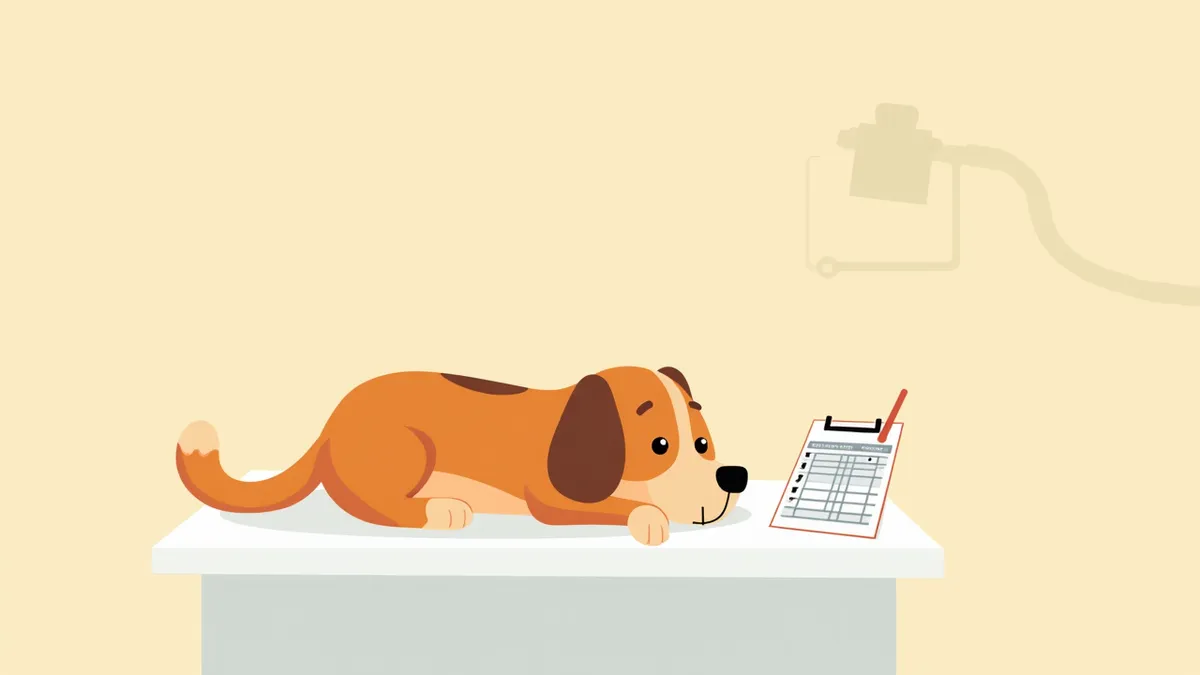
A scene showing an adult dog discussing its vaccination schedule with a veterinarian.
Keeping up with booster vaccinations is crucial for preventing disease and maintaining immunity in adult dogs. Even after the first year of life, regular vaccinations are recommended to sustain immune protection and guard against infectious diseases. - Living environment: If your dog goes outdoors frequently or has regular contact with other dogs, the risk of infectious diseases increases, making booster shots especially important. - Health status: For dogs with underlying health conditions or weakened immune systems, work with your veterinarian to adjust the vaccination schedule accordingly. - Vaccination intervals: Boosters for parvovirus, adenovirus, and distemper are generally recommended every three years, though this may be adjusted based on individual risk factors. - Veterinary consultation: Review the vaccination plan during annual check-ups to create a customized schedule tailored to your dog’s specific needs. - Vaccine types: Recommended vaccines vary depending on genetic predispositions, regional disease prevalence, and lifestyle, so always follow your veterinarian’s professional advice.

5 Criteria for Choosing an Adult Dog Booster Vaccination Schedule

When planning booster vaccinations for adult dogs, several factors need to be considered. The veterinarian’s professional judgment and the dog’s living environment are key.
Dog’s Living Environment: Take into account how often the dog goes outside and whether it comes into contact with other dogs.
Dog’s Health Status: Depending on the presence of chronic conditions, adjustments may be needed in the type and timing of vaccinations.
Vaccination Record Management: Accurate records are essential to confirm the timing of future vaccinations.
Veterinarian Recommendations: Booster vaccines for adult dogs are generally recommended every three years, but this can be adjusted based on risk factors.
Differences Between Vaccine Types: Understand the differences between live and inactivated vaccines, and consult with your veterinarian to make an informed choice.
A scene where the pet owner and the veterinarian review the adult dog's vaccination schedule together.

BEST 1: Premium Vaccination Management Platform (Online Records + Reminder System)

This platform automatically manages the booster vaccination schedule for adult dogs. It sends reminders based on data synchronized with your veterinarian and stores vaccination records in the cloud. The intuitive user interface makes it easy for pet owners to understand. It is especially suitable for households with dogs that go outdoors frequently. Since information recorded directly by the veterinarian is shared in real time, errors are minimal. A three-month free trial is provided upon registration.
The user interface of an app for managing adult dog vaccination schedules

BEST 2: Veterinarian Customized Vaccination Package (1-Year Basis)

This package offers a customized vaccination service provided by our veterinary clinic. After evaluating your adult dog’s health status and living environment, we recommend only the vaccines they truly need. Booking a full year’s vaccinations in advance qualifies you for a discount. Our veterinarians maintain detailed vaccination records and send text reminders for upcoming appointments. We also ensure safe vaccine selection, taking into account any chronic conditions your dog may have. Additionally, we provide a follow-up phone consultation within 24 hours after vaccination to check on your pet’s well-being.
A veterinarian preparing a customized vaccination package for an adult dog

BEST 3: Home Vaccination Management Kit (Logbook + Reminder Stickers)

This kit is a vaccination management tool designed for easy use at home. It includes a paper logbook and auto-reminder stickers. After each vaccination, simply apply a sticker, and the kit automatically calculates the date for the next dose. Based on the vaccination schedule provided by your veterinarian, it allows you to keep track of appointments without needing a complicated app. It is especially suitable for pet owners who find smartphones difficult to use. The kit can be reconfigured every three months and is available for free at veterinary clinics.
Contents of the Home Adult Dog Vaccination Management Kit

Comparison Table of BEST 1–3: Features, Price, Suitability

ItemBEST 1 (Platform)BEST 2 (Package)BEST 3 (Kit)
Vaccination Record ManagementReal-time cloud synchronizationDirect management by veterinarianPaper record book + stickers
Notification SystemApp notification + text messageText message notificationAutomatic calculation with stickers
Price (per year)$10$20$10
Suitable Owner TypeThose proficient with smartphonesHouseholds able to visit regularlyThose who find devices difficult to use

Prices are as of 2025 and may vary by veterinary clinic.

Caution: Visit the Clinic Immediately if Adverse Reactions Occur After Vaccination

If your pet develops a fever, vomiting, difficulty breathing, or swelling within 24 hours after vaccination, contact your veterinary clinic immediately, as these could be signs of a severe allergic reaction. Be sure to save the emergency contact information provided by your veterinarian.

5 Tips for Managing the Adult Dog Booster Vaccination Schedule

To effectively manage your adult dog’s vaccination schedule, follow these tips:
Record vaccinations immediately: Logging details right after each shot helps minimize errors.
Use multiple reminders: Combine app notifications with text alerts to ensure you never miss a date.
Consult your veterinarian regularly: Vaccination plans may need adjustment based on changes in your dog’s health. Regular check-ups every 6–12 months allow your vet to monitor not only vaccination status but also age-related changes.
Avoid large meals right before vaccination: There are no strict dietary restrictions before vaccinations, but it’s best to avoid feeding a large meal immediately prior. Otherwise, maintain your dog’s usual routine.
Observe your dog for 1–2 hours after vaccination: Rest is preferred over vigorous exercise. It’s common and temporary for dogs to feel sleepy, less active, or slightly less hungry for a day or two after vaccination. Most dogs recover quickly.
An adult dog resting after vaccination

Reviewed by a veterinarian

Dr. Tony — Punnawat Phongkittirak

Dr. Tony — Punnawat Phongkittirak

Veterinarian

A veterinarian who majored in veterinary medicine at Khon Kaen University, Thailand, and completed the IVSA program at North Carolina State University in the United States. Drawing on clinical experience at animal hospitals, he works in the pet healthcare field and is dedicated to building a digital care environment that connects pet parents with veterinarians.

Frequently Asked Questions

How often should adult dogs receive vaccinations?
Adult dogs are generally recommended to receive booster vaccinations for parvovirus, adenovirus, and distemper (DAP) every three years. Your veterinarian may adjust this schedule based on your dog’s health status and living environment.
What should I do if my pet shows any adverse reactions within 24 hours after vaccination?
Contact your veterinarian immediately. Fever, vomiting, difficulty breathing, and swelling may indicate a severe allergic reaction.
What should I do if I’ve lost my pet’s vaccination records?
You can contact the veterinary clinic to have your pet’s medical records reissued. Most clinics use electronic record-keeping systems.
Can an adult dog with a chronic condition still receive vaccinations?
The veterinarian will assess your dog’s health before deciding whether to proceed with vaccination. In some cases, vaccination may need to be temporarily postponed.
Is it normal for my dog to feel sleepy or less active after vaccination?
It’s common for pets to feel a bit sleepy or less active after vaccination. Most recover within one to two days, though mild discomfort or a low-grade fever may occur. If symptoms are severe or persist, please consult your veterinarian.

Share

Related Guides

References

[1] Hartmann K, Day MJ, Thiry E, et al. (2015). Feline injection-site sarcoma: ABCD guidelines on prevention and management. J Feline Med Surg, 17(7), 606-613.

[2] Davis-Wurzler GM. (2014). 2013 Update on current vaccination strategies in puppies and kittens. Vet Clin North Am Small Anim Pract, 44(2), 235-263.

[3] Mohamed AS, Moore GE, Glickman LT. (2009). Prevalence of intestinal nematode parasitism among pet dogs in the United States (2003-2006). J Am Vet Med Assoc, 234(5), 631-637.

This information is based on veterinary literature and does not replace diagnosis or treatment. Please consult a veterinarian for specific health concerns.

Metapet Co., Ltd. | CEO: Park Sung-yong | Business Reg. No. 417-88-02562 | Seoul, South Korea | Customer Center

Best Adult Dog Booster Vaccination Schedule Tools & How to Choose | Meongsiljang