
Like
Share
멍실장
강아지 심장 질환 운동 제한 관리 추천 BEST와 고르는 기준 총정리

How Much Exercise Is Safe for Dogs with Weak Hearts? — 7 Guidelines for Safe Restrictions

HeartTop PicksMeongsiljang Veterinary Advisory Board

Managing exercise restrictions for dogs with heart disease is key to maintaining their health and improving their quality of life. I’ll share some tips on how to appropriately regulate and manage their exercise.

Exercise Restrictions for Dogs with Heart Disease Are Key to Maintaining Health

A dog with heart disease resting quietly by the window
Restricting exercise in dogs with heart disease is essential to reduce cardiac strain and prevent complications. Dogs with heart failure may tire easily, breathe rapidly, or cough during physical activity, so their activity levels should be carefully adjusted according to veterinary guidance. The amount of exercise must be flexibly tailored to the stage of the disease and any changes in symptoms, making regular observation and record-keeping by the owner crucial. If your dog shows signs of labored breathing or frequent coughing, stop the activity immediately and consult your veterinarian. - Stage of heart function: Higher stages require stricter exercise restrictions. - Breathing status: Shortness of breath or coughing are immediate signals to stop exercising. - Weight and muscle condition: Dogs with heart failure may experience unintended loss of weight and muscle mass (cardiac cachexia), which is associated with a poorer prognosis. Therefore, it is important to monitor weight and muscle condition at every veterinary visit. - Medication use: If your dog is taking heart medication, it is especially important to regularly communicate with your veterinarian to adjust exercise levels appropriately.

Key Criteria for Managing Exercise Restrictions
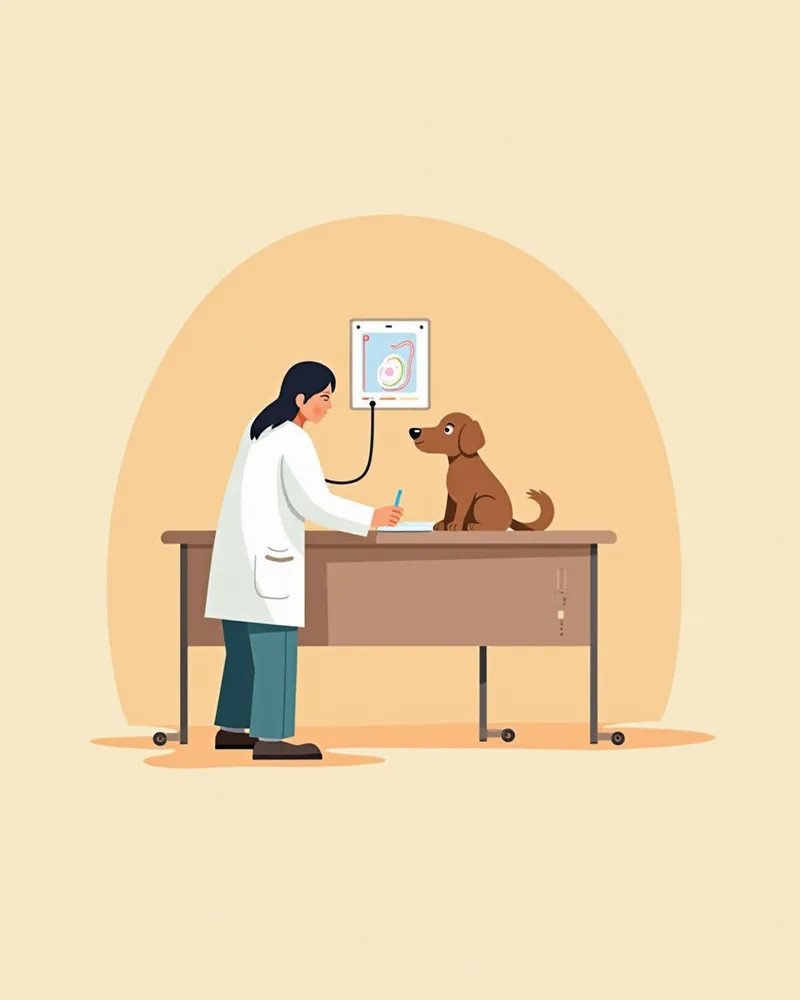
To effectively manage exercise restrictions for dogs with heart disease, be sure to review the following guidelines. Each point assumes consultation with your veterinarian, as a customized plan is essential based on symptom severity, cardiac test results, age, weight, and activity level. Test results such as echocardiograms and electrocardiograms serve as critical benchmarks, and it is safest to strictly follow the exercise amounts recommended by your veterinarian. - Cardiac Functional Stage: As heart function declines, exercise restrictions become more stringent. - Respiratory Status: If your dog exhibits shortness of breath or frequent coughing, exercise must be stopped immediately. - Weight and Muscle Condition: Dogs with heart failure often experience weight and muscle loss, which is associated with a poorer prognosis; therefore, it is important to consistently monitor body weight and muscle condition (Body Condition Score). - Medication Use: If your dog is taking heart medication, adjusting exercise levels becomes even more critical.
A veterinarian examines a puppy while reviewing an echocardiogram.

BEST 1: Customized Exercise Plan Program

This program is based on a customized exercise plan developed together with your veterinarian. Rather than applying a one-size-fits-all routine, your vet will set a safe range for short, slow walks tailored to your dog’s cardiac functional stage, while monitoring breathing and fatigue during activity. Walks should be conducted slowly on flat ground, and you must stop immediately if coughing or shortness of breath occurs. The program includes regular check-ups and record-keeping at 1–3 days after starting treatment, then every 1–2 weeks, and subsequently every 3–6 months, allowing for prompt responses to any changes. Owners are provided with an exercise log, a symptom checklist, and instructions on how to record respiratory rate during sleep.
Adjusting Walk Duration: Reduce walk time when heart condition worsens compared to when it is stable, adjusting within the range set by your veterinarian.
Choosing Walk Locations: Avoid busy roads and uphill paths; quiet parks are ideal.
Post-Activity Monitoring: Immediate veterinary attention is required if symptoms such as shortness of breath or collapse occur.
A puppy taking a leisurely stroll through a quiet park alongside its owner.

BEST 2: Smart Exercise Monitoring Device
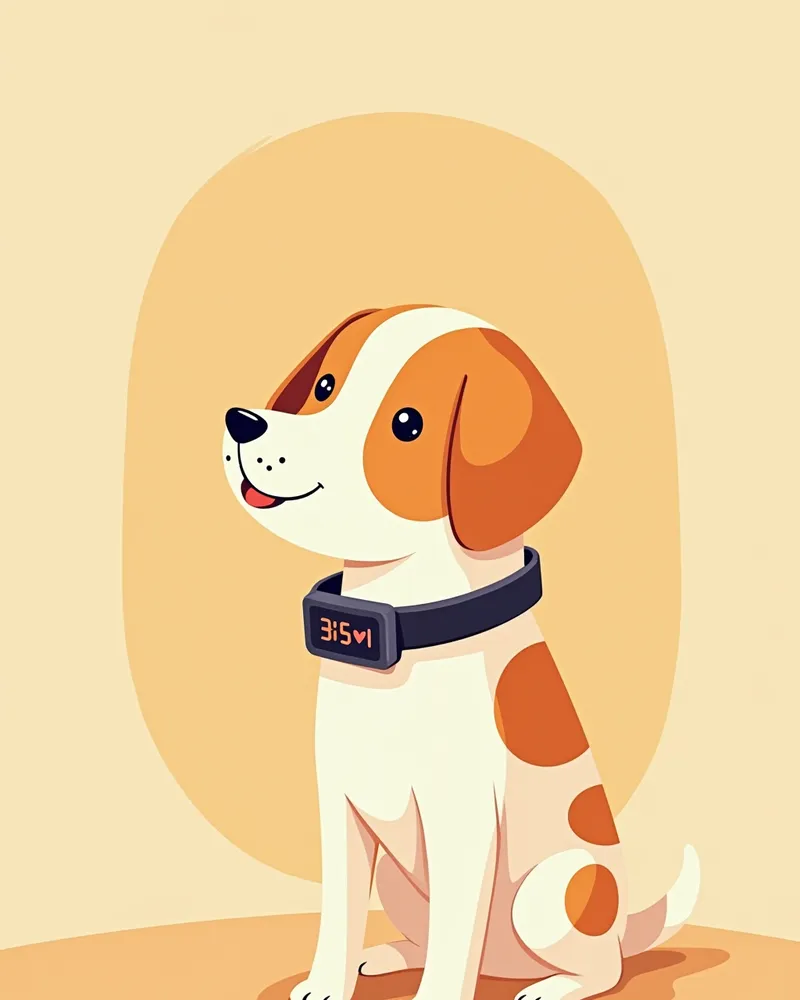
This smart pendant device measures your dog’s heart rate, respiratory rate, and activity levels in real time. It automatically analyzes cardiac workload and transmits the data directly to your veterinarian. If your dog’s heart rate goes outside the normal range during exercise, you’ll receive an alert so you can take immediate action. This is especially helpful for dogs in the early stages of unstable heart function or those at risk of worsening conditions. The device is waterproof, so it can be used during baths or outdoor activities.
Real-time monitoring: Continuously tracks heart rate and respiratory rate around the clock.
Automatic alerts: Sends notifications to your phone when abnormal symptoms are detected.
Data sharing: Enables real-time data sharing with your veterinarian.
A view of the heart rate monitor device worn around the dog's neck.

BEST 3: Heart Health Specialized Diet

This specialized diet contains ingredients that support heart function and help reduce inflammation. It includes omega-3 fatty acids, L-carnitine, and coenzyme Q10, which aid in the energy metabolism of heart muscle and alleviate oxidative stress. Suitable for dogs in the early to moderate stages of heart disease, it should only be fed under veterinary recommendation. The food is meat-based, offering a palatable flavor that dogs enjoy. Long-term consumption can help maintain heart function and may potentially allow for a reduction in medication dosage.
Omega-3 fatty acids: Reduce heart inflammation and improve blood flow.
L-carnitine: Promotes energy production in heart muscle.
Coenzyme Q10: Reduces oxidative stress to protect heart cells.
A puppy looking at heart-health-specific dog food.

Comparison Table of BEST 1–3: Guide to Choosing Exercise Restriction Management Methods

ItemCustomized exercise planSmart monitoring deviceHeart-specific food
Time of applicationFrom the early stage of heart diseaseWhen cardiac function is unstableDuring the cardiac function maintenance phase
Main effectsExercise regulation, safe activityReal-time monitoring, early warningCardiac function protection, inflammation relief
Ease of useMediumHighHigh
CostMediumHighMedium
Need for veterinary collaborationEssentialRecommendedRecommended

All methods should be used under a veterinarian's guidance. Using them in combination yields greater effect.

Caution: Seek Veterinary Care Immediately If Abnormal Symptoms Occur During Exercise

If your dog shows signs of shortness of breath, coughing, collapsing, or bluish gums during a walk, stop the exercise immediately and seek veterinary care. These symptoms may indicate worsening heart failure, and prompt action can be life-saving. It is important to establish an emergency response plan with your veterinarian in advance.

Usage Tips: Practical Tips for Successful Exercise Restriction Management

Managing exercise restrictions isn’t about simply limiting activity; it’s a strategy to enhance your dog’s quality of life. Take your dog on short walks once or twice a day, and ensure they have time to rest afterward. Avoid situations that may cause excitement or stress, and engage in play in a calm environment. Maintaining consistent meal and exercise times can help reduce stress. Regular consultations with your veterinarian and keeping track of any changes in symptoms are essential.
Consistent Walk Schedule: Walk for 10 minutes at the same time every day.
Environment Adjustment: Avoid noisy places and opt for quiet areas for activities.
Record Keeping: Summarize symptoms, exercise levels, and food intake once a week.
What a dog’s exercise and symptom log looks like

Reviewed by a veterinarian

Dr. Tony — Punnawat Phongkittirak

Dr. Tony — Punnawat Phongkittirak

Veterinarian

A veterinarian who majored in veterinary medicine at Khon Kaen University, Thailand, and completed the IVSA program at North Carolina State University in the United States. Drawing on clinical experience at animal hospitals, he works in the pet healthcare field and is dedicated to building a digital care environment that connects pet parents with veterinarians.

Frequently Asked Questions

Can dogs with heart disease still go for walks?
It depends on the stage of heart function. Short, slow walks within the range recommended by your veterinarian are safe.
Shouldn't exercise restrictions be too strict?
Excessive restriction can lead to muscle weakness and emotional anxiety. It's important to work with your veterinarian to create a balanced activity plan.
When should I start feeding my pet heart-specific food?
It is safest to start feeding it only after a veterinarian recommends it based on the results of a heart function test.
What should I do if my pet gets short of breath during exercise?
Stop the walk immediately and let your pet rest in a quiet place. If symptoms persist, a veterinary visit is necessary.
In what situations are smart devices most useful?
If your pet’s heart function is unstable or at risk of worsening, real-time monitoring is essential.

Share

Related Guides

References

[1] Freid KJ, Freeman LM, Rush JE et al. (2020) Retrospective study of dilated cardiomyopathy in dogs. Journal of Veterinary Internal Medicine, 35(1):58–67.

[2] Adin D, DeFrancesco TC, Keene B et al. (2019) Echocardiographic phenotype of canine dilated cardiomyopathy differs based on diet type. Journal of Veterinary Cardiology, 21:1–9.

[3] Smith CE, Freeman LM, Rush JE et al. (2007) Omega-3 fatty acids in Boxer dogs with arrhythmogenic right ventricular cardiomyopathy. Journal of Veterinary Internal Medicine, 21:265.

This information is based on veterinary literature and does not replace diagnosis or treatment. Please consult a veterinarian for specific health concerns.

Metapet Co., Ltd. | CEO: Park Sung-yong | Business Reg. No. 417-88-02562 | Seoul, South Korea | Customer Center

How Much Exercise Is Safe for Dogs with Weak Hearts? 7 Guides | Meongsiljang