Like
Share
멍실장
고양이 체중·비만 예방 관리 추천 BEST와 고르는 기준 총정리

Top Recommendations and Selection Criteria for Cat Weight and Obesity Prevention Management

Lifestyle & Age CareTop PicksMeongsiljang Veterinary Advisory Board

Feline obesity can lead to diabetes, heart disease, and joint problems. Proper dietary management and exercise are essential.

Cat Weight and Obesity Prevention Management is Key to Health
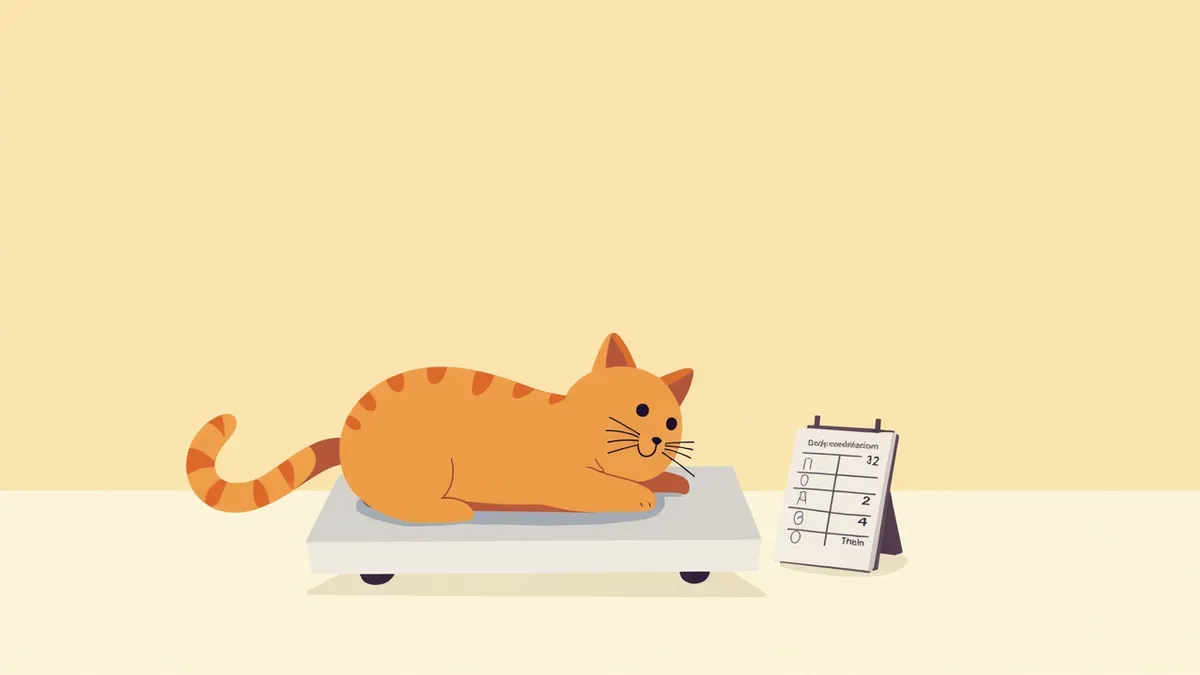
A cat being weighed, with a body condition score chart visible.
Managing your cat’s weight plays a crucial role in reducing the risk of chronic conditions such as diabetes, orthopedic issues (including joint problems), and cardiovascular disease. Obesity can increase insulin resistance and negatively impact the health of multiple organs, making weight control essential in many cases. Veterinarians use body condition scoring (BCS) as part of a nutritional assessment to determine whether calorie intake is appropriate, while muscle condition scoring helps evaluate whether protein intake is sufficient. These assessments serve as benchmarks for determining if a cat falls outside the normal body condition range. Regular weight monitoring and a balanced diet are key to effective weight management. Opt for cat food with appropriate levels of protein and dietary fiber, and tailor the nutritional plan to your cat’s activity level and target weight. Consistent care is vital for supporting your cat’s long-term health.

Selection Criteria: 5 Products for Cat Obesity Prevention Management
When selecting a product to help prevent feline obesity, it’s important to consider factors such as the efficiency of dietary control, nutritional balance, and your cat’s eating preferences. Here are the key criteria recommended by veterinarians:
Low-calorie formulation: Choose products designed to provide appropriate calorie restriction based on your cat’s average weight and activity level.
High-protein content: Ensure the product contains enough protein to help maintain muscle mass. The recommended protein range is generally between 30% and 55%.
Inclusion of dietary fiber: Fiber can support digestive health and promote a feeling of fullness, but excessive amounts may cause digestive discomfort, so moderation is key.
Minimal additives: Opt for products that do not contain artificial flavors, colors, or preservatives.
Clinically supported products: Products recommended by veterinarians or developed based on clinical research tend to be more reliable.
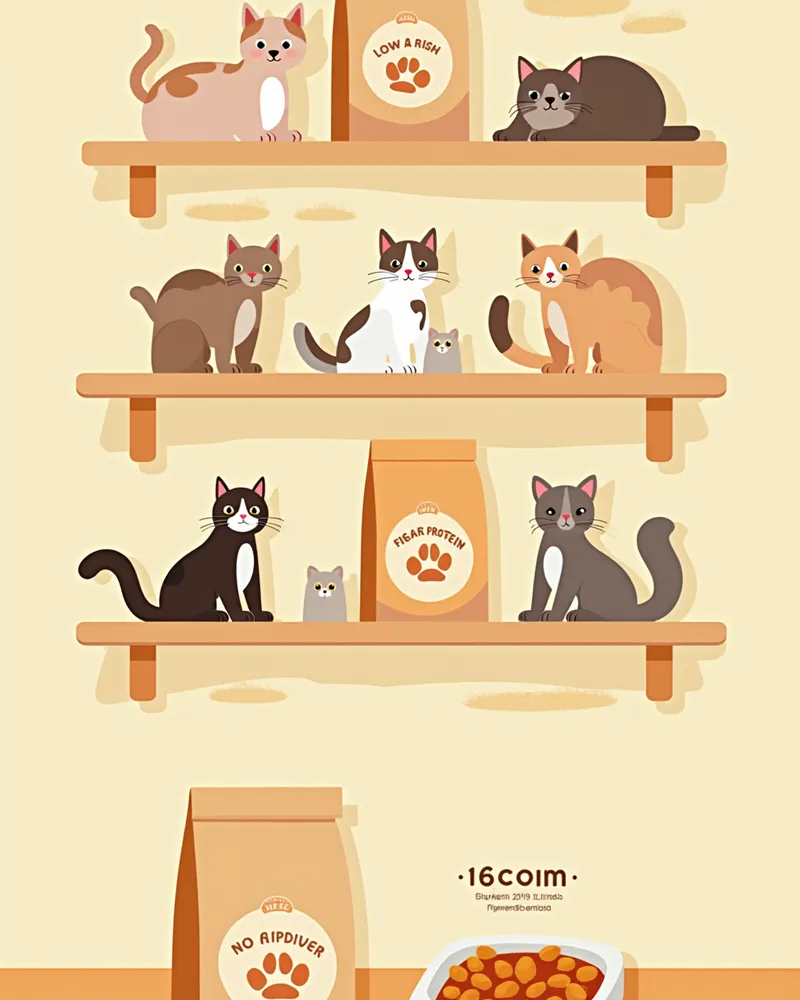
Five types of cat food for obesity prevention are neatly arranged.

BEST 1: Pet Plus Low-Calorie Cat Food

Pet Plus Low-Calorie Cat Food is specially formulated for weight management. - Calorie-optimized formula: Designed to match your cat’s activity level and caloric needs, it helps curb overeating and supports healthy weight control. - Adequate protein content: Includes a protein ratio that helps maintain muscle mass, typically within the recommended range of 30–55%. - Dietary fiber and probiotics: Promotes digestive health and helps stabilize bowel movements. - Cat-friendly texture: Features flavors and textures that cats love, reducing food refusal and enhancing meal satisfaction. - Clinically supported product: Developed based on veterinary research demonstrating its effectiveness in weight management, ensuring high reliability.
A cat eating PetPlus low-calorie food

BEST 2: Lake Cat Diet Control Food
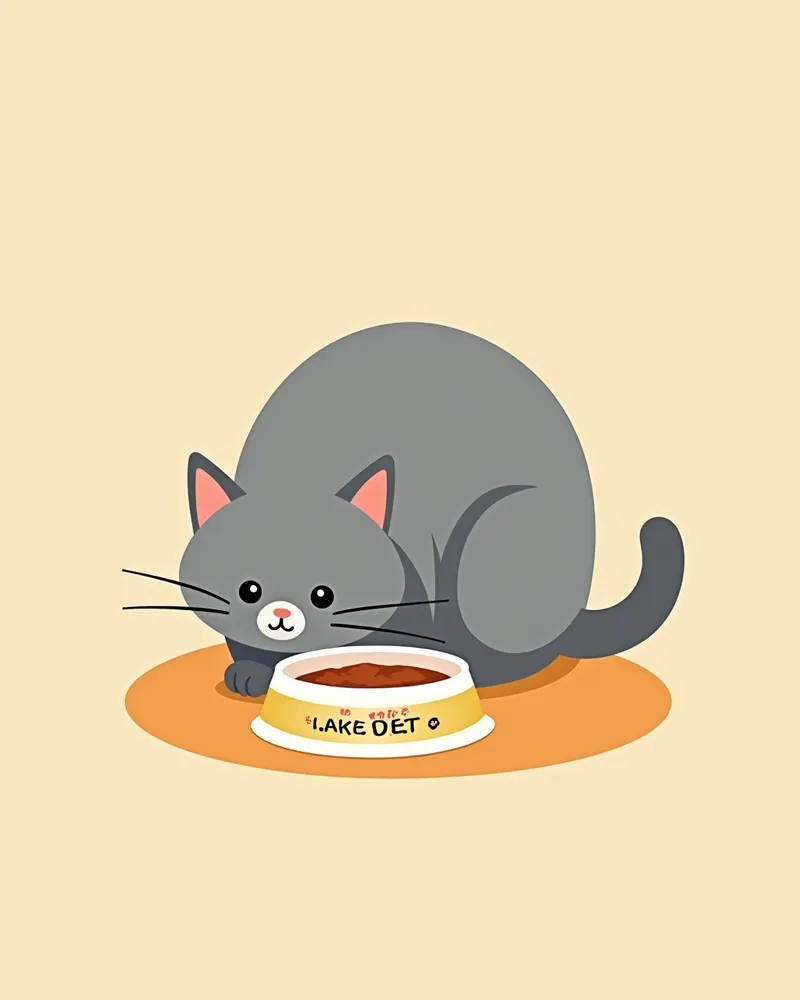
Lake Cat Diet Control Food is a premium formula designed to support digestive health and weight management. - Calorie-optimized formula: Carefully formulated with reduced calories to match your cat’s daily energy needs, making it effective for healthy weight loss. - High-protein composition: Contains high-quality protein to help preserve lean muscle mass during weight loss, while maintaining protein levels within recommended ranges. - Dietary fiber and beneficial bacteria: Supports gut health and promotes better digestion. - Palatable texture and aroma: The appealing taste and texture encourage consistent eating, reduce meal refusal, and help keep mealtime enjoyable for your cat. - Clinically backed formulation: A safe, science-based choice developed to simultaneously address weight management and digestive wellness.
A cat eating Lake diet-controlled food

BEST 3: Premium Cat Pet Cat Weight Management Food
Premium Cat Pet cat weight management food is formulated with organic ingredients and probiotics. - Calorie-controlled design: Designed with lower calories to support weight management, allowing you to tailor portions to your individual cat’s needs. - High-protein formula: Contains an ample protein ratio to help maintain muscle mass, typically within the recommended range of 30–55%. - Digestive health support: Includes dietary fiber and beneficial bacteria to help improve digestive function. - Cat-friendly texture: The aroma and texture are tailored to cats’ preferences, reducing meal refusal and promoting a positive dining experience. - Clinically evaluated product: Developed to address both weight management and gut health, meeting veterinary standards.
A cat with healthy fur enjoying premium food

Comparison Table of BEST 1–3 Cat Weight Management Foods

ItemPet Plus Low-CalorieLake Diet ControlPremium Cat Pet
Calories (kcal/100g)320315310
Protein ratio42%45%43%
Fat ratio18%17%16%
Dietary fiber content4.5%5.0%5.2%
Additional ingredientsProbioticsProbioticsOrganic ingredients

These products meet the weight-management standards recommended by veterinarians. However, specific figures may vary by product, and adjustments appropriate to each cat's individual condition are needed.

Caution: Excessive Weight Loss is Dangerous

For cats, safe weight loss should be gradual, aiming for about 0.5% to 1% of body weight per week. A moderate rate of approximately 0.75% per week is generally recommended. Rapid weight loss can create a negative energy balance, potentially leading to obesity-related liver disease (hepatic lipidosis, or fatty liver). Therefore, it is crucial to follow a veterinarian’s plan to ensure the process is safe. Regular weight monitoring and Body Condition Score (BCS) assessments help detect any instability early in the weight-loss journey.

Usage Tips: Practical Tips for Successful Cat Weight Management

Here are essential tips for successfully managing your cat’s weight.
Measure food portions accurately: Feed the exact daily calorie amount calculated by your veterinarian based on your cat’s current and target ideal weight. Since recommended intake varies depending on individual health status and activity level, avoid arbitrarily increasing portions and strictly adhere to the amount prescribed by your vet.
Minimize treats: Limit treats and supplemental foods to no more than 5% of your cat’s total daily caloric intake, or consult your veterinarian before using them.
Encourage exercise: Engage your cat in play sessions tailored to their personality and activity level for 10–15 minutes daily. You can use various tools such as wand toys or laser pointers.
Track weight: Weigh your cat at the same time each week and record the results. This allows you to monitor trends through a weight chart.
Regular veterinary check-ups: Have your cat’s weight and overall health assessed every 1–2 months so the management plan can be adjusted as needed.
A cat playing with a wand toy

Reviewed by a veterinarian

Dr. Tony — Punnawat Phongkittirak

Dr. Tony — Punnawat Phongkittirak

Veterinarian

A veterinarian who majored in veterinary medicine at Khon Kaen University, Thailand, and completed the IVSA program at North Carolina State University in the United States. Drawing on clinical experience at animal hospitals, he works in the pet healthcare field and is dedicated to building a digital care environment that connects pet parents with veterinarians.

Frequently Asked Questions

How much should I feed my cat per day if it’s overweight?
Your veterinarian will calculate the daily recommended intake based on your cat’s ideal weight, taking into account factors such as current weight, activity level, and body condition score (BCS). Since caloric needs vary depending on your cat’s health status and target weight, it’s safest to feed according to the amount prescribed by your vet.
Why can't I give treats?
Treats count toward your pet’s total daily calorie intake, so keep them to no more than 5% of their daily calories. Too many treats can lead to weight gain. Consult your veterinarian to determine the appropriate amount.
Will my cat refuse to eat if I switch to a diet-controlled food?
Transition gradually by mixing the new food with the old. Start with a ratio of 70% current food and 30% new food, then adjust the proportions over 7–10 days while monitoring your cat’s response. Sudden changes can cause decreased appetite or digestive issues in some cats.
My pet’s weight loss is progressing slowly. What should I do?
Monitor your cat’s food intake, exercise level, and daily activity patterns. If weight loss is progressing slowly, it’s a good idea to revisit and adjust the weight-loss plan with your veterinarian.
What kind of exercise is good for preventing obesity?
Playing with your cat for 10 to 15 minutes each day using a wand toy, laser pointer, or other moving toy that suits their personality is highly effective. Encouraging activity helps with weight management and supports mental well-being.

Share

Related Guides

References

[1] Burkholder WJ. Use of body condition scores in clinical assessment of the provision of optimal nutrition. J Am Vet Med Assoc 2000;217(5):650-4.

[2] The Dog Care Handbook, Things I Wish My Vet Had Told Me. 2022. Page 123-125.

[3] Applied Veterinary Clinical Nutrition, 2nd Ed. Nestlé Purina PetCare Company, 2021. Chapter 9: Body Condition Scoring.

This information is based on veterinary literature and does not replace diagnosis or treatment. Please consult a veterinarian for specific health concerns.

Metapet Co., Ltd. | CEO: Park Sung-yong | Business Reg. No. 417-88-02562 | Seoul, South Korea | Customer Center

3 Best Tips for Preventing Cat Obesity and Managing Weight | Meongsiljang