
7 Key Points for Managing Entropion in Dogs Recommended by Veterinarians
Entropion in dogs is a condition where the eyelid rolls inward, irritating the eye. Early management is essential to prevent eye damage. Here are some effective products and care methods.
Entropion in Dogs Is a Condition Where the Eyelid Rolls Inward, Irritating the Eye
Good to Know: Managing Entropion (Eyelid Rolling)
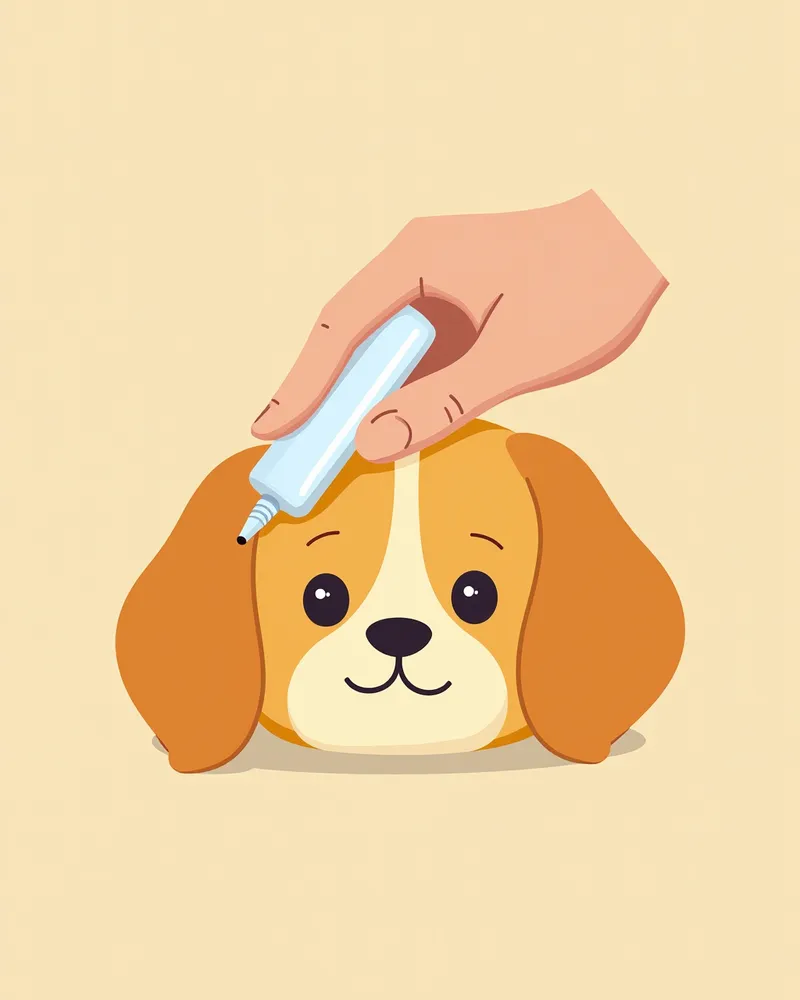
Good to Know 1: What Is Entropion?
Good to Know 2: Diagnosis and Treatment Options
Good to Know 3: Management and Post-Treatment Precautions
Things to Know About Entropion
| Item | Key Points |
|---|---|
| Condition | The eyelid rolls inward, causing eyelashes/hair to irritate the cornea, with risk of ulceration |
| Symptoms | Tearing, redness, eye rubbing, squinting; pain if the cornea is injured |
| Diagnosis & Treatment | Direct examination of the eyelid and cornea; in young animals, temporary tacking; surgical correction if it remains pronounced after maturity |
| Cautions | Do not use human eye drops or manually unfold the eyelid; protect the cornea |
| Follow-up | Recheck to confirm eyelid position, corneal recovery, and any recurrence |
This is not a table recommending specific products or clinics, but a reference for consulting your veterinarian. Treatment and testing decisions must always be made together with your veterinarian through an examination.
Caution: If Eye Irritation Occurs, Immediate Veterinary Visit Is Necessary
If your dog frequently rubs its eyes, produces excessive tears, or keeps its eyes closed, it may be suffering from corneal damage due to entropion. This condition can worsen rapidly, so if symptoms persist, seek veterinary care immediately. While using safe products is important, treatment must always be guided by a professional’s judgment.
Usage Tips: Start Slowly So Your Dog Can Adapt Comfortably
Reviewed by a veterinarian

Dr. Tony — Punnawat Phongkittirak
VeterinarianA veterinarian who majored in veterinary medicine at Khon Kaen University, Thailand, and completed the IVSA program at North Carolina State University in the United States. Drawing on clinical experience at animal hospitals, he works in the pet healthcare field and is dedicated to building a digital care environment that connects pet parents with veterinarians.
Reviewed 2026-06-03
Frequently Asked Questions
Is entropion common in dogs?
Can entropion be managed without surgery?
How many times a day should I use the product?
What should I do if my pet’s eyes start tearing up while using the product?
What should I do if my dog tries to remove the product?
Share
Related Guides
Top 5 Dog Tear Supplements Recommended for 2026
What is Lutein? Effects on Dog Eye Health
The Best Canine Uveitis Management Products and Selection Criteria: A Comprehensive Guide
7 Key Points for Managing Cat Chemotherapy Side Effects Recommended by Veterinarians — Essentials to Monitor at Home
7 Key Criteria for Choosing Dog Liver Supplements (SAMe/Silybin)
Top 5 Recommended Tips for Managing Canine Liver Cysts from Veterinarians
7 Warning Signs and Management Tips for Canine Gallbladder Mucocele Recommended by Veterinarians
7 Best Supplements for Managing Feline Portosystemic Shunt (PSS) Recommended by Veterinarians
5 Veterinarian-Recommended Cat Liver Protectants — How to Choose SAMe and Silybin
7 Causes of Elevated Liver Enzymes in Cats and Comprehensive Management Guide Selected by Veterinarians
References
[1] Hendrix DVH. Canine conjunctiva and nictitating membrane. In: Gelatt KS, editor. Veterinary ophthalmology. Oxford: Blackwell Publishing; 2007.
[2] Plummer CE, Källberg ME, Gelatt KN, Gelatt JP, Barrie KP, Brooks DE. Intranictitans tacking for replacement of prolapsed gland of the third eyelid in dogs. Vet Ophthalmol. 2008;11(4):228–233.
[3] Côté E. Clinical veterinary advisor. Dogs and cats. 3rd ed. St. Louis, MO: Elsevier Mosby; 2015.