
Like
Share
멍실장
강아지 개 당뇨성 백내장 관리 추천 BEST와 고르는 기준 총정리

7 Key Points for Managing Diabetic Cataracts in Dogs, According to Veterinarians

Eye HealthTop PicksMeongsiljang Veterinary Advisory Board

Diabetic cataracts are a complication of diabetes in dogs and can lead to vision loss. It’s important to choose the right management products and treatments.

Diabetic Cataracts in Dogs Are a Complication of Diabetes That Can Lead to Vision Loss

Photo of a dog’s eye in the early stage of diabetic cataracts
Diabetic cataracts in dogs are a complication that arises when diabetes remains poorly controlled over time. High levels of glucose in the blood enter the lens and convert into substances like sorbitol, which accumulate and cause the lens fibers to swell. This reduces the lens’s transparency, leading to blurred vision or even blindness. Dogs with diabetes have a very high incidence of cataracts; many develop them within 12 to 16 months after diagnosis, and the condition can progress rapidly over days to weeks. Therefore, regular ophthalmic examinations are especially important for diabetic dogs. While maintaining stable blood sugar levels supports overall diabetes management, cataracts can still develop even with good glycemic control. As a result, it is more practical to focus on early detection and management through veterinary consultation rather than prevention.

5 Key Criteria for Choosing Diabetic Cataract Management Products
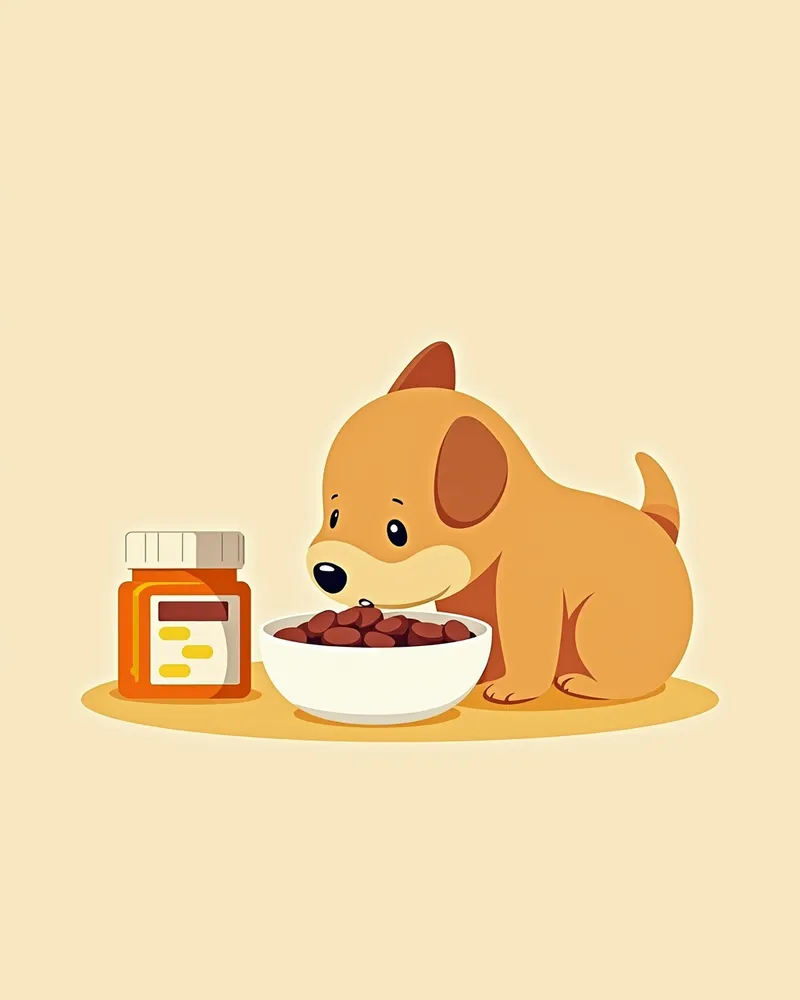
The cornerstone of managing diabetic cataracts in dogs is controlling blood sugar levels to manage the diabetes itself. When selecting supplementary products, consider these five criteria:
Dietary composition that supports blood sugar stabilization: Choose options that avoid sugars and focus on complex carbohydrates and dietary fiber, which are digested and absorbed slowly.
Antioxidants: Ingredients like lutein and vitamin E are used to support eye health, but there is insufficient evidence that they prevent cataracts, so view them only as supplementary aids.
Omega-3 fatty acids: These are nutrients utilized for overall health maintenance.
Dietary management support: Ensure the product features a low-sugar, high-fiber formulation aligned with diabetes management.
Veterinary consultation: Always consult your veterinarian before starting any new product to confirm it is suitable for your pet and to check for potential interactions with other medications.
A dog taking veterinarian-recommended supplements

BEST 1: Probiotics + Omega-3 Complex (AnsimCare Diabet)
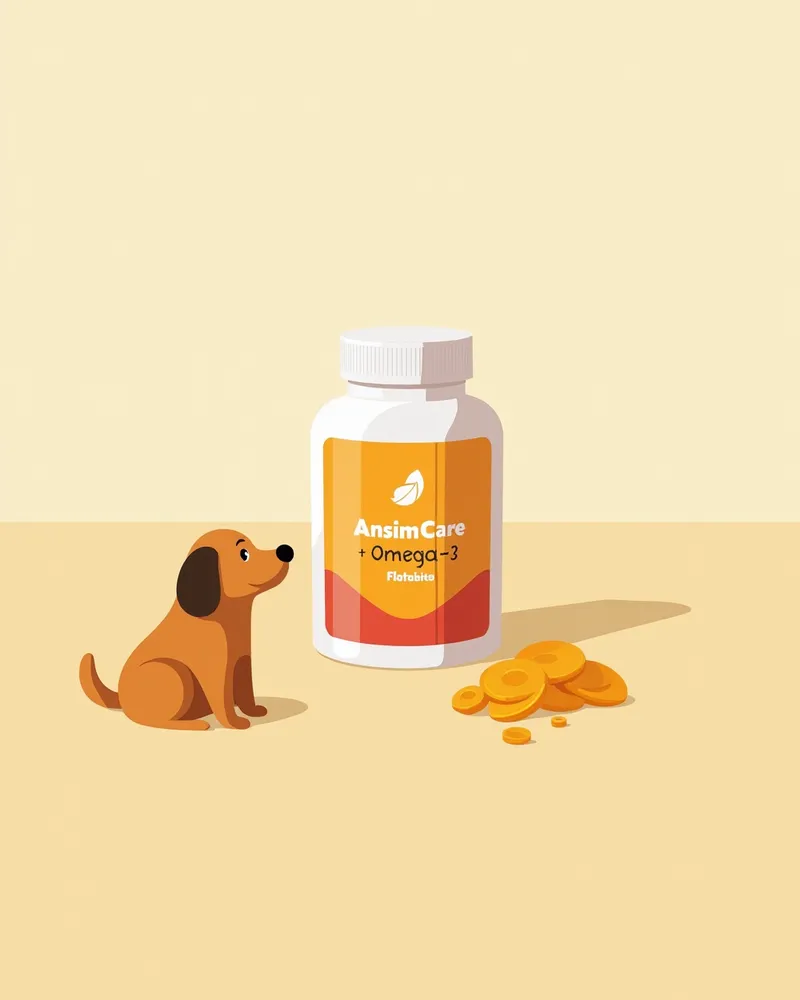
AnsimCare Diabet is a comprehensive supplement designed to support both gut health and overall well-being. - Probiotics: These ingredients help maintain a balanced gut microbiome, supporting digestive health. However, there is no clear evidence that probiotics directly lower blood sugar levels. - Omega-3 Fatty Acids: These nutrients are used for general health maintenance. However, there is insufficient evidence to suggest that omega-3s slow the progression of diabetic cataracts, so they should be viewed only as a supportive measure. Supplements do not replace diabetes treatment (blood sugar management) or cataract therapy, and cataracts may persist even with well-controlled blood sugar. Adjust the daily recommended dosage in consultation with your veterinarian based on your dog’s weight and age, and check for potential interactions when administering alongside other medications.
Ansimcare Diabet supplement bottle and dog

BEST 2: Antioxidant Complex (Eye Protect)
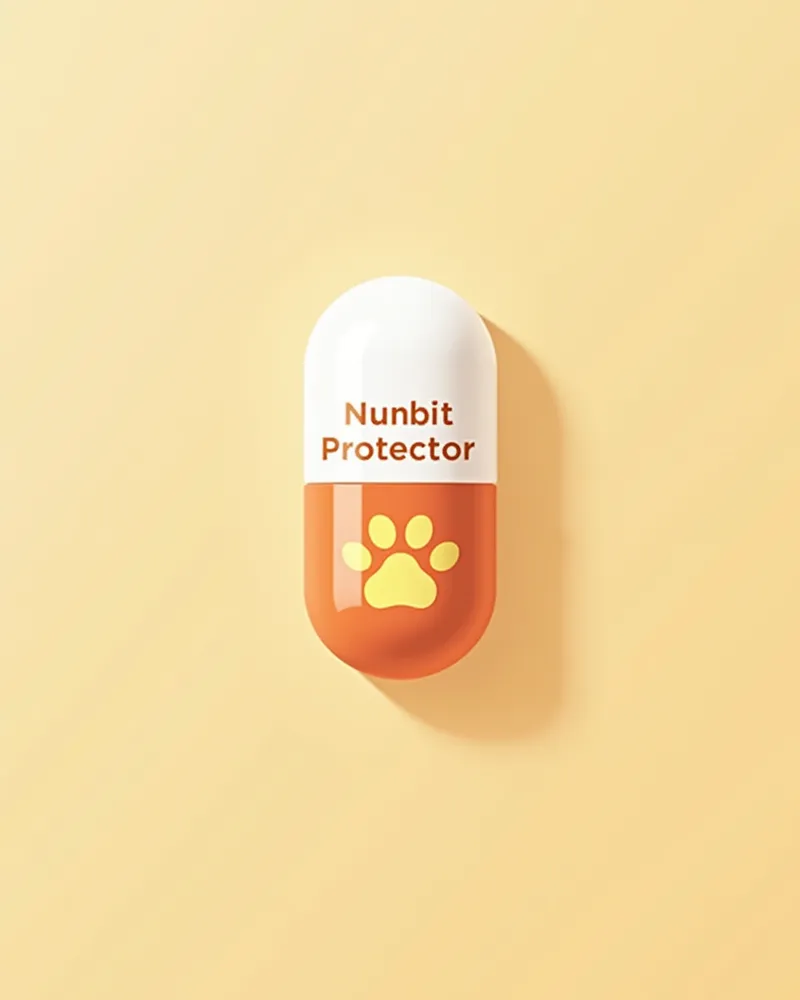
Eye Protect is a supplement formulated with antioxidant ingredients such as lutein, zeaxanthin, and vitamin E. - Lutein and Zeaxanthin: These are antioxidant ingredients commonly used to support eye health. - Vitamin E: This antioxidant helps reduce oxidative stress in cells. However, diabetic cataracts primarily develop due to high blood sugar converting into sorbitol within the lens, leading to fiber swelling through osmotic changes. Therefore, there is insufficient evidence to suggest that antioxidant supplements can prevent cataracts or restore lens transparency. Use them only as a supportive measure, and consult your veterinarian to determine the appropriate dosage, as excessive intake may cause side effects like indigestion. If you notice any changes in your pet's vision, it is important to have an ophthalmic examination before relying on supplements.
Eye Bright Protector Supplement Capsules

BEST 3: Low-Sugar Specialized Diet (Diabetes Care Food)

Diabetes Care food is a low-sugar, low-glycemic-index diet specifically formulated for diabetes management. - Complex carbohydrates and dietary fiber: These are digested and absorbed slowly, helping to prevent sharp spikes in blood sugar after meals. - A formula with reduced sugar and a higher proportion of protein and fat: This composition helps maintain relatively stable blood sugar levels. While this diet supports blood sugar control in diabetic dogs, there is insufficient evidence to suggest that food alone can inhibit the progression of cataracts. It is best to adjust portion sizes according to your dog’s age, weight, and activity level, and to begin any dietary transition safely under the guidance of your veterinarian.
A diabetic puppy eating diabetes care food

Comparison Table of BEST 1–3 Products: Ingredients, Effects, and Usage

ItemKey IngredientsEffectsDirections for Use
BEST 1: Ansim Care DiabetProbiotics, Omega-3Supports gut health (insufficient evidence of direct effect on blood sugar or cataracts)1 sachet a day, taken with meals
BEST 2: Nunbit ProtectorLutein, Zeaxanthin, Vitamin EAntioxidant ingredients for eye health support (insufficient evidence for cataract prevention)1 capsule a day, taken separately
BEST 3: Diabet Care FoodLow-sugar complex carbohydrates, high proteinSupports blood sugar management by easing post-meal blood sugar spikesTwice a day, provided in set portions

Supplemental nutritional products and foods cannot replace medical treatment for diabetes or cataracts. Consult a veterinarian before starting, and be careful of overconsumption when using multiple products together.

Caution: Side Effects May Occur with Overdose

Excessive intake of antioxidants or omega-3 fatty acids can lead to digestive upset or diarrhea. It is especially important to consult your veterinarian to adjust dosages when administering multiple products simultaneously.

5 Tips for Managing Diabetic Cataracts in Dogs

Consistent care is essential for managing diabetic cataracts. Try implementing the following tips:
Regular ophthalmic exams: Have your pet’s eyes checked every three months.
Blood glucose monitoring: Consider using a device to measure blood sugar at home.
Dietary management: Avoid high-sugar foods and switch to low-sugar options.
Exercise management: Regular walks help regulate blood sugar and maintain a healthy weight.
Stress reduction: Since pets may become sensitive to environmental changes or noise, provide a quiet space.
A dog taking a walk in a quiet park

Reviewed by a veterinarian

Dr. Tony — Punnawat Phongkittirak

Dr. Tony — Punnawat Phongkittirak

Veterinarian

A veterinarian who majored in veterinary medicine at Khon Kaen University, Thailand, and completed the IVSA program at North Carolina State University in the United States. Drawing on clinical experience at animal hospitals, he works in the pet healthcare field and is dedicated to building a digital care environment that connects pet parents with veterinarians.

Frequently Asked Questions

Can diabetic cataracts be cured?
Diabetic cataracts themselves are difficult to reverse with medication or supplements, and even with good blood sugar management, the cataracts in the lens may persist. However, in some cases, vision can be restored through surgery to remove the affected lens and implant an artificial one, such as phacoemulsification. Please consult with your veterinarian.
When should I start giving my pet nutritional supplements?
The most important step is to begin blood sugar management with your veterinarian as soon as diabetes is diagnosed. Supplements are only an adjunctive aid, so it’s safest to consult your vet before deciding whether and when to use them.
Will switching to a different food improve cataracts?
Low-sugar diets can help manage blood sugar levels, but they alone won’t improve cataracts. Effective management requires both blood sugar control and regular ophthalmic exams, and advanced cataracts may require surgical intervention.
Can cataracts lead to blindness as they progress?
As cataracts worsen, vision can decline significantly and may even lead to blindness. Additionally, if the lens continues to swell, there is a risk of rupture, making early detection and consultation with a veterinarian crucial.
Can I give my pet nutritional supplements without consulting a veterinarian?
Taking this medication without consulting your veterinarian can be dangerous. In particular, it may interact with other medications, so be sure to check with your vet before use.

Share

Related Guides

References

[1] Plumb's Veterinary Drug Handbook, 9th Edition, 2022

[2] Clinical Medicine of the Dog and Cat, 4th Edition, 2020

[3] BSAVA Manual of Canine and Feline Dermatology, 4th Edition, 2019

This information is based on veterinary literature and does not replace diagnosis or treatment. Please consult a veterinarian for specific health concerns.

Metapet Co., Ltd. | CEO: Park Sung-yong | Business Reg. No. 417-88-02562 | Seoul, South Korea | Customer Center

7 Vet Tips for Managing Diabetic Cataracts in Dogs | Meongsiljang