Like
Share
멍실장
고양이 저칼륨혈증과 신장(고양이) 관리 추천 BEST와 고르는 기준 총정리

7 Best Cat Hypokalemia and Kidney Care Products Recommended by Veterinarians and Selection Criteria

KidneyTop PicksMeongsiljang Veterinary Advisory Board

Hypokalemia and kidney disease in cats are closely linked to chronic kidney disease. Choosing the right diet and management approach can help improve symptoms and enhance your cat’s quality of life.

Choosing the Right Diet is Key to Managing Feline Hypokalemia and Kidney Disease

Specialized cat food for kidney health
Hypokalemia in cats is closely linked to chronic kidney disease. With chronic kidney disease, excessive potassium is lost through the kidneys, and reduced appetite leads to decreased intake, making hypokalemia common. Low potassium levels can cause muscle weakness, loss of appetite, and, in rare cases, abnormal heart rhythms. - Potassium-balanced diets: For cats with hypokalemia, choose products that appropriately supplement and maintain potassium levels to prevent deficiency. - Low-phosphorus diets: These reduce the burden on the kidneys by lowering phosphorus content, helping to slow disease progression. - Protein- and phosphorus-controlled diets: These diets appropriately limit protein and phosphorus while providing sufficient calories to prevent muscle loss and protect kidney function. - Products containing omega-3 and antioxidants: Commonly included in renal prescription diets, these should be selected based on the cat’s individual condition. Be sure to check these four criteria and choose a product suited to your cat’s condition. Manage their health with regular check-ups.

Check These 4 Key Criteria When Selecting a Diet
When selecting a diet for cats with hypokalemia and kidney disease, keep these four criteria in mind. Following them will help you easily find products that closely resemble the renal prescription diets recommended by veterinarians.
Low-phosphorus formula: A reduced phosphorus content helps lessen the burden on the kidneys and assists in managing blood phosphorus levels.
Adequate potassium content: For cats with hypokalemia, choosing a product with sufficient potassium helps prevent potassium deficiency.
Controlled protein and fat levels: Renal prescription diets are formulated to appropriately restrict protein while providing enough calories to prevent muscle loss.
High-moisture formats: Canned or wet foods increase water intake, helping to prevent dehydration and reduce the workload on the kidneys.
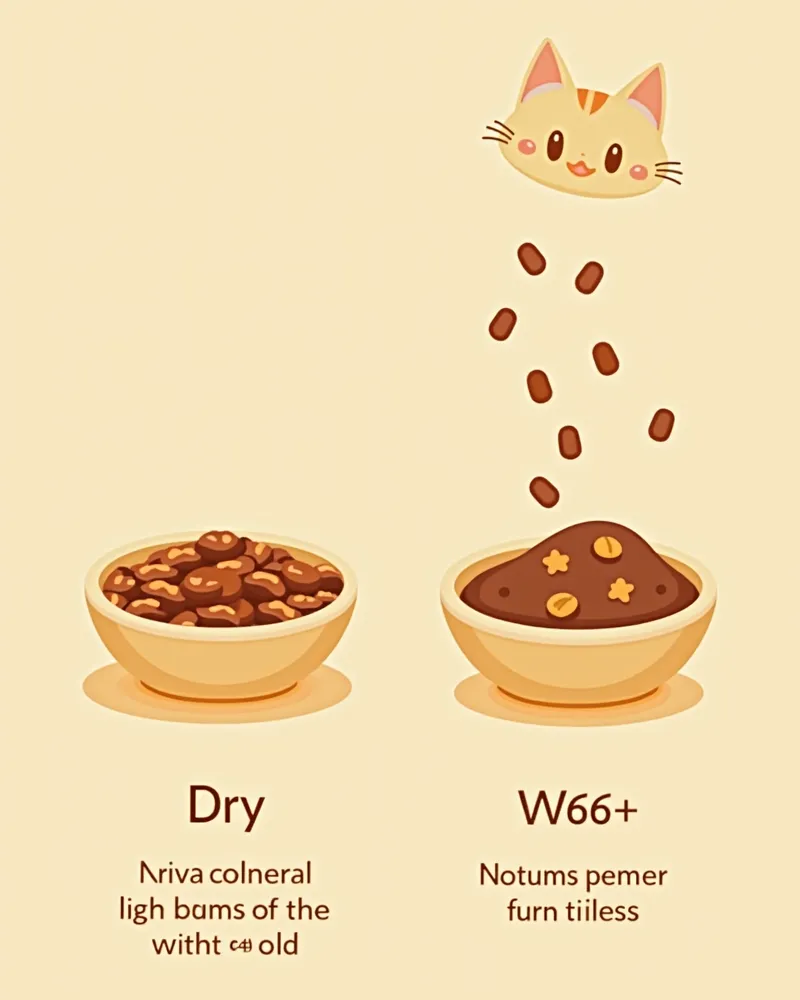
Comparison of low-phosphorus diets and high-moisture diets

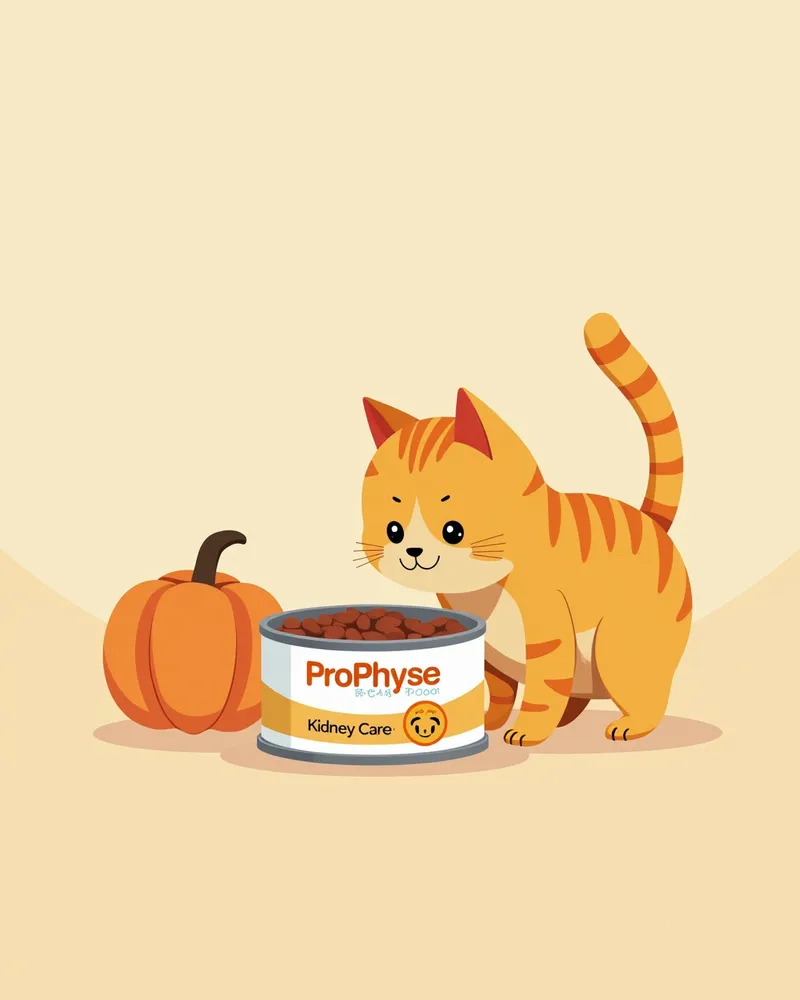
BEST 1: Propolis Kidney Can

Propolis Kidney Can is a specialized wet food formulated to support feline kidney health. It features very low phosphorus levels and carefully balanced potassium and magnesium content. Its highly palatable flavor encourages eating, making it a good option even for cats with reduced appetites. Recommended by veterinarians, this food is suitable for cats in the early stages of chronic kidney disease. Serving it as a wet food can help increase water intake. The recommended daily amount is one to two cans, adjusted according to your cat’s weight and condition.
Propolis Kidney Can food and cats

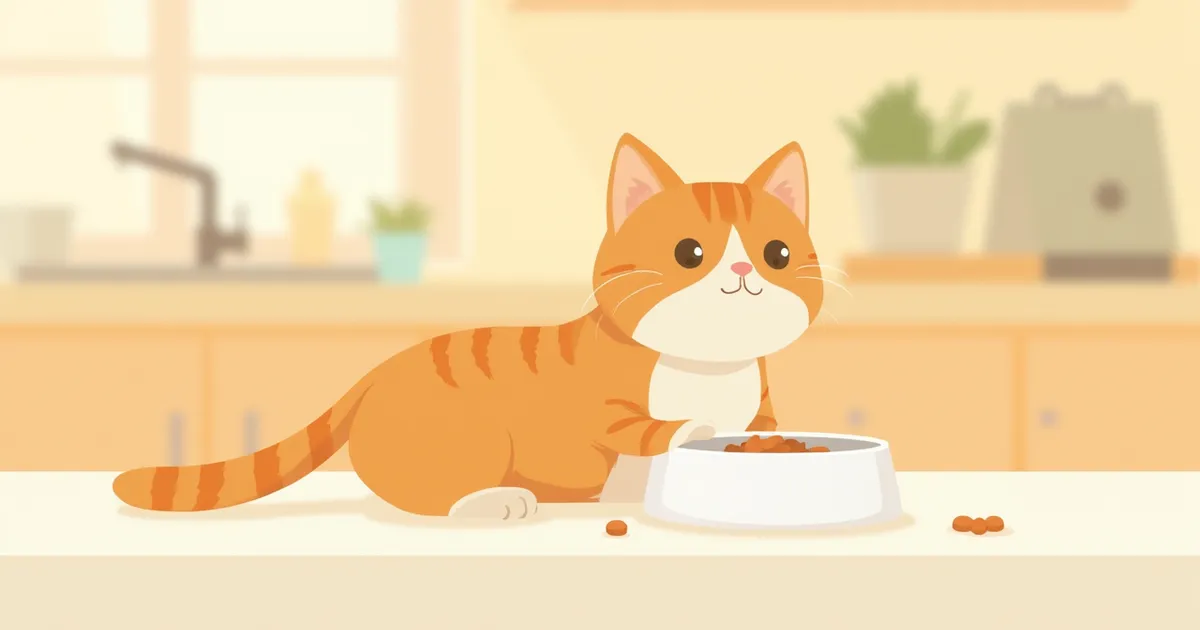
BEST 2: Lady’s Kidney Can

Lady’s Kidney Can is a canned food specially formulated to help address hypokalemia. It contains more potassium than regular canned foods, supporting stable potassium levels. It also includes antioxidants and omega-3 fatty acids to help reduce kidney inflammation. Cats with poor appetite or weight loss tend to enjoy it well. Its mild flavor and less intense aroma make it palatable even for sensitive cats. Feed one can per day, following your veterinarian’s instructions.
A cat eating Ladies Kidney Can food

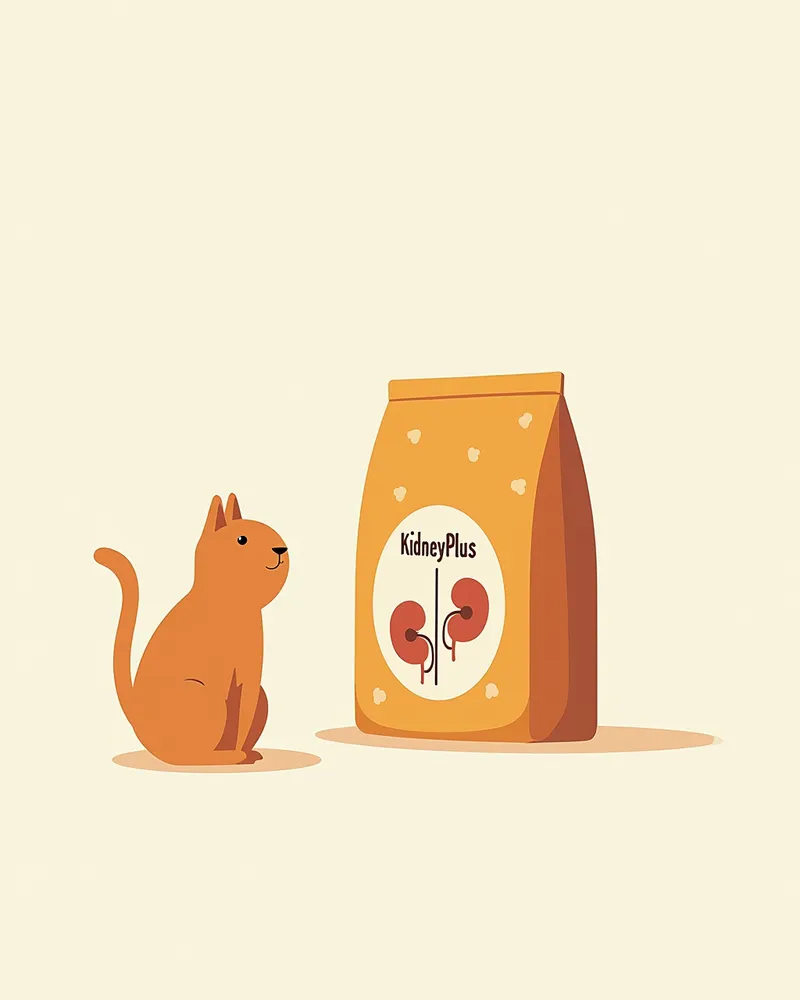
BEST 3: Kidney Plus Dry

Kidney Plus Dry is a premium dry food formulated for cats with hypokalemia and for kidney support. It features very low phosphorus levels and a carefully balanced ratio of potassium and magnesium. The protein sources—mackerel and chicken—are highly bioavailable to help prevent muscle loss. This food is ideal for cats that prefer dry kibble. To encourage hydration in cats that don’t drink enough water, the kibble is enhanced with moisture-retention technology. The recommended daily serving is about 1–2 cups, adjusted according to your cat’s weight and condition.
Kidney Plus Dry Food and Cats

Comparison Chart of Foods BEST 1–3: Ingredients, Price, and Suitability Analysis

ItemPropolis Kidney CanLadies Kidney CanKidney Plus Dry
Phosphorus Content (mg/100g)120130150
Potassium Content (mg/100g)450520480
Protein Content (g/100g)121114
Water Content (%)808010
Price (per 1kg)$10$10$10
Suitability (kidney disease stage)Early stageMiddle stageEarly to middle stage

Prices are based on average market rates as of 2024. Selection is recommended after consulting a veterinarian.

Caution: Excessive Potassium Intake Can Cause Heart Problems

When selecting food for cats with hypokalemia and kidney issues, it's important to avoid products with excessively high potassium levels. Too much potassium can cause heart rhythm abnormalities, so extra caution is especially necessary for cats with heart disease.

Usage Tips: Closely Monitor Your Cat’s Response

It’s safest to consult your veterinarian before switching your cat’s food. After introducing the new diet, carefully monitor and record any changes in your cat’s appetite, bowel movements, and activity level.
Appetite changes: If your cat suddenly stops eating or shows a decreased appetite, contact your vet immediately.
Constipation or diarrhea: If digestive issues arise, gradually transition to the new food or switch to a different product.
Water intake: Keep track of how much water your cat drinks daily, and make sure to refresh the water bowl regularly.
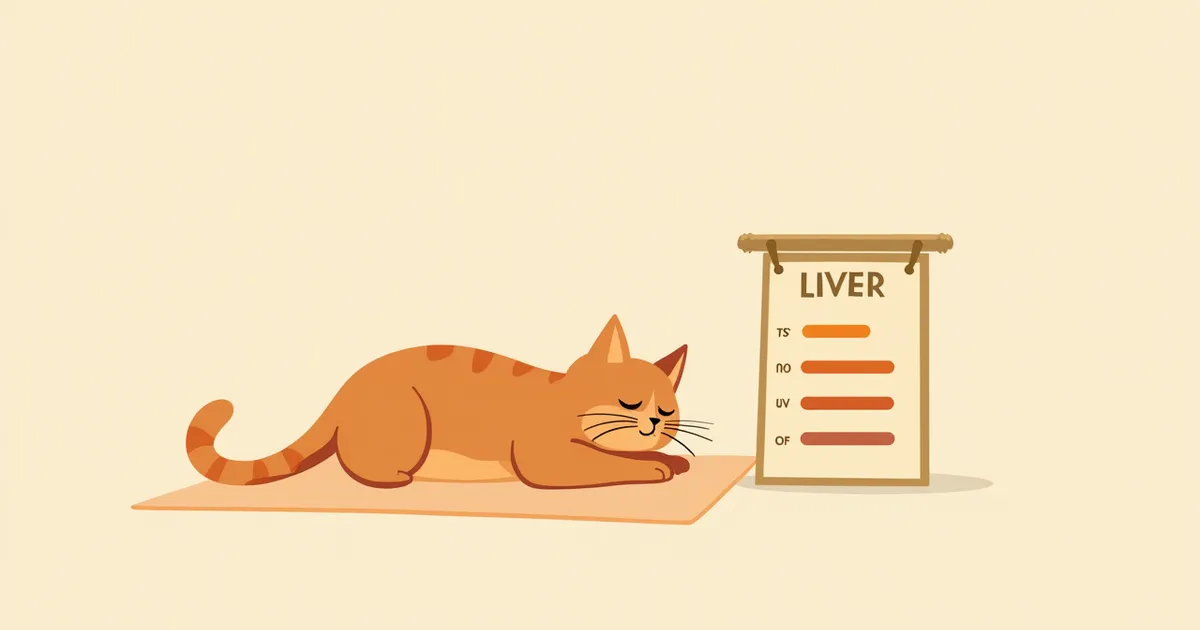
Weight changes: Weigh your cat once a week to monitor for any weight fluctuations.
Record of Cat's Response After Using Cat Food

Reviewed by a veterinarian

Dr. Tony — Punnawat Phongkittirak

Dr. Tony — Punnawat Phongkittirak

Veterinarian

A veterinarian who majored in veterinary medicine at Khon Kaen University, Thailand, and completed the IVSA program at North Carolina State University in the United States. Drawing on clinical experience at animal hospitals, he works in the pet healthcare field and is dedicated to building a digital care environment that connects pet parents with veterinarians.

Frequently Asked Questions

Why is hypokalemia in cats associated with kidney disease?
If your pet has chronic kidney disease, excessive potassium loss through the kidneys combined with reduced intake due to a decreased appetite can lead to hypokalememia. Conversely, prolonged potassium deficiency can cause hypokalemic nephropathy, further worsening kidney function.
Is it okay to feed only canned food?
Wet food (canned food) helps increase water intake and reduce the burden on the kidneys. However, rather than sticking to just one type of food, it’s most important that your cat consumes enough calories. We recommend consulting with your veterinarian to determine the best food format that your cat enjoys and eats well.
How long does it take to transition to a new food?
When switching to a new food, it’s best to make the transition gradually over 7–10 days. For the first three days, start with a mix of 70% of the current food and 30% of the new food.
Is it okay to feed my pet food that hasn’t been recommended by a veterinarian?
Feeds not recommended by veterinarians may have imbalances in key nutrients such as potassium, phosphorus, and protein. Always consult your veterinarian before choosing a feed.
If hypokalemia is severe, should medication be administered?
Severe hypokalemia requires potassium supplementation (e.g., potassium citrate). Administer the veterinarian-prescribed medication exactly as directed and monitor potassium levels through regular blood tests.

Share

Related Guides

References

[1] The Cat, Clinical Medicine and Management, 2nd Edition. Elsevier, 2023.

[2] Small Animal Critical Care Medicine, 3rd Ed. Elsevier, 2022.

[3] Plumb's Veterinary Drug Handbook, 9th Ed. Wiley-Blackwell, 2021.

This information is based on veterinary literature and does not replace diagnosis or treatment. Please consult a veterinarian for specific health concerns.

Metapet Co., Ltd. | CEO: Park Sung-yong | Business Reg. No. 417-88-02562 | Seoul, South Korea | Customer Center

7 Best Kidney Care Products for Cats with Hypokalemia: A Vet’s Guide | Meongsiljang