Like
Share
멍실장
2026 고양이 면역 영양제 추천 TOP 5 — 베타글루칸·라이신

Top 5 Recommended Feline Immune Supplements for 2026 — Beta-Glucan & Lysine

ImmunityTop PicksMeongsiljang Veterinary Advisory Board

Feline immune supplements are supportive products that help maintain a cat’s natural immunity by containing specific amounts of immune-supporting ingredients such as beta-glucan, lysine, and omega-3 fatty acids. What truly matters is the ingredient content and certification.

What Are Feline Immune Supplements?
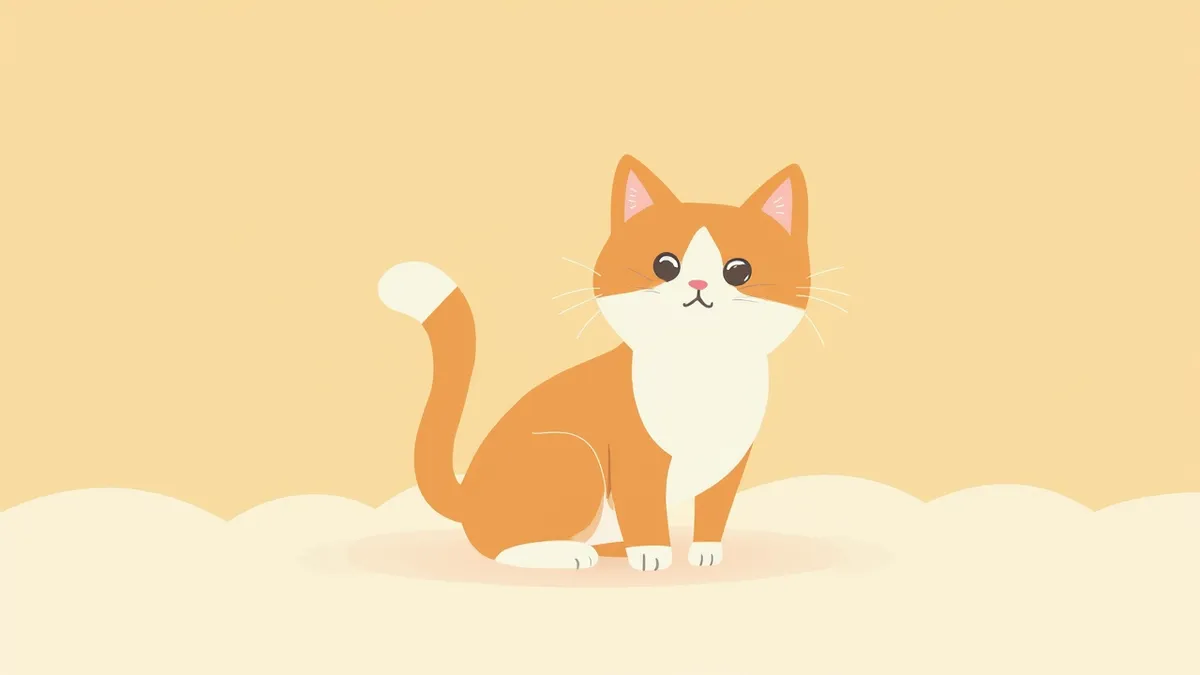
A short-haired cat with healthy, bright eyes is sitting on a beige blanket.
Feline immune-support supplements are dietary aids known to help maintain immune health, typically containing ingredients such as beta-glucan, lysine, and omega-3 fatty acids. However, the level of scientific evidence varies by ingredient. For instance, studies indicate that oral L-lysine for cats has not been shown to provide additional clinical benefits according to standard veterinary textbooks. Therefore, rather than looking for definitive claims linking specific milligram amounts to increased immunity, it is more important to choose products that clearly explain why each ingredient is included and that feature veterinary consultation or reliable scientific backing. Above all, please remember that supplements are supportive aids for basic care, not treatments designed to prevent or cure diseases.

Why Does Your Cat Need Immune Supplements?

Cats have a high carrier rate for feline herpesvirus (FHV-1), so they often experience recurrent conjunctivitis, upper respiratory symptoms, or stomatitis when stressed. Indoor living typically involves less physical activity and fewer environmental stimuli, making overall condition management essential. While balanced nutritional care is fundamental in challenging situations such as chronic rhinitis or gingivitis, it’s important to recognize that clinical evidence from controlled studies supporting the efficacy of many supplements remains limited. Therefore, remember that supplements are supportive aids, not treatments, and use them safely alongside standard medical therapy and regular veterinary check-ups.

Key Ingredients in Feline Immune Supplements

Safe

라이신(L-Lysine)

헤르페스 바이러스 증식 억제, 재발성 결막염 관리

Dosage: 250~500mg/일

수의안과학 임상 보고

Safe

베타글루칸(Beta-Glucan)

대식세포·자연살해세포 활성화

Dosage: 10~50mg/일

면역영양학 연구

Safe

오메가3(EPA·DHA)

만성 염증 완화, 피부 면역 강화

Dosage: 30mg/kg/일

수의피부과학 권장

Safe

락토페린(Lactoferrin)

구강·장 점막 면역 보조

Dosage: 20~40mg/일

프로바이오틱 연구

Caution

비타민E

항산화·세포막 보호

Dosage: 5~10IU/일

과량 시 응고 방해 가능

Key Point 1: Immune Supplements Are Supportive Aids

Immune supplements are dietary aids that provide ingredients known to support immune health. However, supplements do not prevent or treat diseases, and foundational care—such as a balanced diet, stress management, and regular veterinary check-ups—is far more important. They are not necessarily required for every healthy cat. While they may be considered as a supplementary measure in specific situations, such as for senior cats or those in recovery, it is best to consult your veterinarian to determine whether your cat truly needs them and which product is appropriate.

Essentials to Consider for Feline Immune Supplements

ItemKey Points
NatureA supplement, not a disease prevention or treatment drug
Priority BasicsBalanced diet, stress management, and regular checkups are more important
Ingredient CheckBeta-glucan, lysine, etc. have varying levels of evidence; beware of exaggerated advertising
CautionMay interact with medications or underlying conditions; avoid human products or unclear products
ConsultationConsult a veterinarian before starting; do not replace treatment or checkups

This is not a table recommending specific products or devices, but key points to reference for at-home care. Always consult a veterinarian for interpretation of measurements and treatment decisions.

Key Point 2: Check Ingredients and Scientific Evidence
Immune-support supplements often contain ingredients such as beta-glucan, lysine, omega-3 fatty acids, and antioxidants. However, the strength of scientific evidence varies by ingredient, and some—like lysine for cats—remain controversial in terms of efficacy. Therefore, be wary of exaggerated claims suggesting these products “boost immunity to prevent disease.” When choosing a supplement, look for clear explanations of why each ingredient is included and whether it is appropriate for cats. Avoid human-use products or those with unclear indications. Always consult your veterinarian to confirm the suitability of the ingredients for your pet.
Check the ingredients and supporting evidence. Related guide image

Key Point 3: Consult Your Veterinarian for Safe Use
Supplements can interact with other medications or treatments, and certain ingredients may be unsuitable for pets with underlying health conditions. Therefore, it is safest to consult your veterinarian before starting any new supplement, especially if your pet is already undergoing treatment, and to avoid adding supplements without professional guidance. Supplements should never replace regular veterinary care or diagnostic tests; they should only be used as a complementary aid. After introducing a supplement, monitor your pet for any changes in appetite, digestion, or overall condition, and discontinue use and seek veterinary advice if any adverse effects occur.
For safe use, please consult with your veterinarian. Related guidance image

Precautions to Check Before Feeding

Immune supplements are not a one-size-fits-all solution. If your cat is undergoing immunosuppressive therapy for an autoimmune disease (such as pemphigus or immune-mediated hemolytic anemia), extra caution is needed, as ingredients that stimulate the immune system may conflict with the treatment plan or affect symptoms. In practice, immune-mediated diseases are often managed with immunosuppressants like prednisolone, and immune-stimulating therapies can interfere with immunosuppressive treatments. Additionally, if kidney or liver values are abnormal, the protein and mineral load must be carefully considered. Before starting any new supplement, be sure to consult your veterinarian and check for potential interactions with other medications or supplements.

How to Choose the Right Product for Your Cat

- Age and Condition: The care your cat needs varies depending on factors like age (kitten, senior) or recovery status. Keep in mind that while some ingredients are marketed to directly cure conjunctivitis or stomatitis, there is no definitive textbook evidence supporting their efficacy (e.g., oral L-lysine for cats). - Evidence Verification: Check why specific ingredients are included, whether they are appropriate for cats, and ensure there are no exaggerated claims such as "boosts immunity to prevent disease." - Formulation: Cats that reject pills may prefer powders, chews, or syrups, while picky eaters might do better with flavorless powders. Products focused on one or two key ingredients are easier to monitor for effectiveness and response than those with multiple additives. Always consult your veterinarian before making a final choice.

Reviewed by a veterinarian

Dr. Tony — Punnawat Phongkittirak

Dr. Tony — Punnawat Phongkittirak

Veterinarian

A veterinarian who majored in veterinary medicine at Khon Kaen University, Thailand, and completed the IVSA program at North Carolina State University in the United States. Drawing on clinical experience at animal hospitals, he works in the pet healthcare field and is dedicated to building a digital care environment that connects pet parents with veterinarians.

Frequently Asked Questions

Is it safe to give my cat an immune-support supplement every day?
General supplement ingredients like lysine, beta-glucan, and omega-3 are generally safe for daily feeding within the recommended dosage. However, fat-soluble vitamins such as vitamin A can cause adverse effects in cats, including cervical spondylosis (bone deformation), when consumed in excess over long periods, as documented in veterinary textbooks. Therefore, strictly adhere to the labeled dosage and do not increase it arbitrarily.
Do healthy cats also need immune-supporting supplements?
It’s not strictly necessary. A healthy adult cat that eats a balanced diet can get by just fine without any extra supplements. However, if your cat is in a situation that puts extra stress on their immune system—such as being a herpes carrier, living in a multi-cat household, or being a senior cat—you might consider using supplements as a supportive measure.
When will the effects start to show?
Supplements rarely produce dramatic changes in a short period. Depending on the ingredients, it often takes several weeks of consistent administration before you notice any improvement in your pet’s condition. Some ingredients, like lysine, also lack clear evidence of additional benefits according to established veterinary guidelines. Rather than expecting noticeable results within a week, it’s best to combine supplements with basic care, monitor your pet consistently, and consult with your veterinarian.
Can I give my pet human-grade lysine or beta-glucan?
We do not recommend it. Products intended for humans may contain xylitol, fragrances, or high levels of vitamins, which can be dangerous for cats. In particular, high-dose fat-soluble vitamins carry a risk of adverse effects, so please always choose products specifically designed for pets.
Can this be given alongside other medications?
Some nutritional ingredients can interact with medications your pet is currently taking. In particular, if your pet is undergoing treatments such as immunosuppressive therapy, ingredients that may stimulate the immune system could interfere with the treatment, so caution is necessary. If your pet is taking medication for a chronic condition, please be sure to show the supplement’s ingredient list to your veterinarian and get their approval before starting.

Share

Related Guides

References

[1] Little, S.E., The Cat: Clinical Medicine and Management, 2nd Edition, Elsevier, 2020

[2] Fascetti, A.J. & Delaney, S.J., Applied Veterinary Clinical Nutrition, 2nd Ed, Wiley-Blackwell, 2023

[3] National Research Council, Nutrient Requirements of Dogs and Cats, National Academies Press, 2006

[4] Stiles, J. et al., Effect of oral administration of L-lysine on conjunctivitis caused by feline herpesvirus, Am J Vet Res, 2002

[5] Vetvicka, V. & Oliveira, C., β(1-3)(1-6)-D-glucans modulate immune status in dogs and cats, J Vet Med Anim Health, 2014

This information is based on veterinary literature and does not replace diagnosis or treatment. Please consult a veterinarian for specific health concerns.

Metapet Co., Ltd. | CEO: Park Sung-yong | Business Reg. No. 417-88-02562 | Seoul, South Korea | Customer Center

Top 5 Cat Immune Supplements 2026 — Beta-Glucan & Lysine | Meongsiljang