
Top 5 Puppy Training Treats for 2026 — Low-Calorie & Small
We’ve compared five low-calorie, small training treats that you can give your pet frequently without adding weight burden, based on nutritional criteria. We’ve neatly summarized their calorie content, allergy risks, and storage convenience for easy reference.
What Are Puppy Training Treats?
4 Key Criteria for Choosing Training Treats
Ingredients to Absolutely Avoid
Never give your dog treats containing xylitol, macadamia nuts, grapes or raisins, or onion and garlic powder. Xylitol can cause hypoglycemia and liver damage in dogs. It’s often hidden in human diet candies and some peanut butters, so always check the label carefully.
At-a-Glance Comparison of Top 5 Training Treats
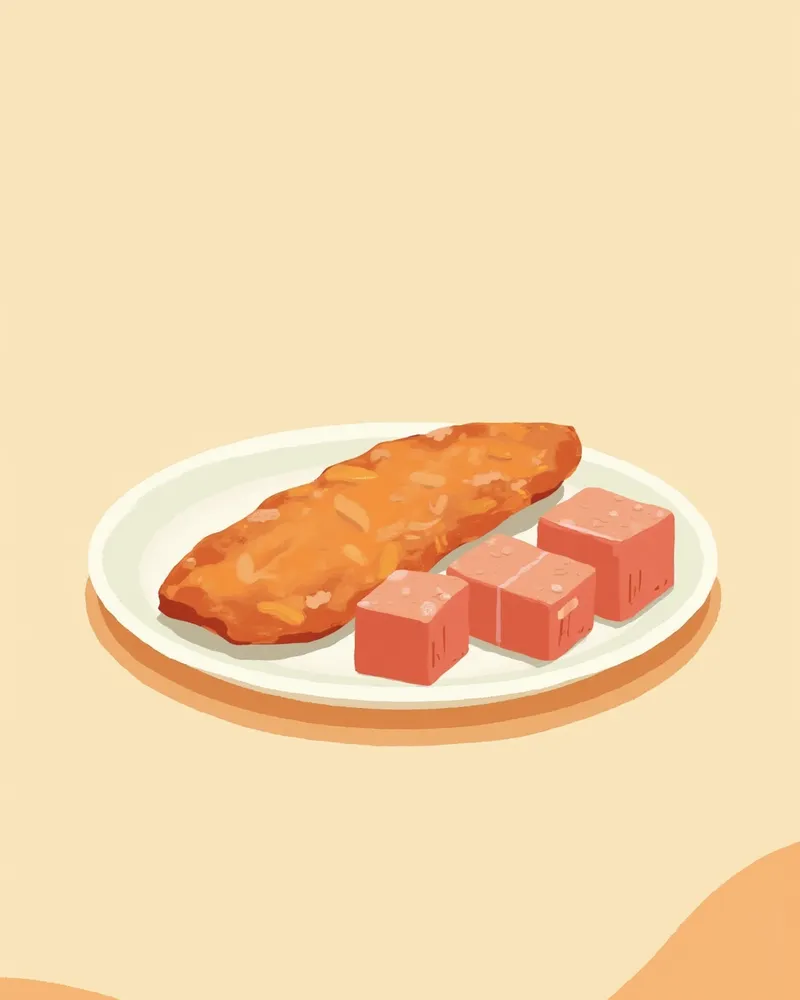
| Item | A. Freeze-dried chicken breast | B. Salmon cubes | C. Pumpkin soft | D. Cheese mini balls | E. Vegetable biscuits |
|---|---|---|---|---|---|
| Calories per piece | 1.2 kcal | 1.8 kcal | 2.0 kcal | 3.5 kcal | 2.5 kcal |
| Single protein | True | True | False | False | False |
| Suitable for small dogs | True | True | True | False | True |
| Allergy risk | Low | Low | Low | Medium | Medium |
| Storage convenience | Room temp OK | Refrigeration recommended | Room temp OK | Refrigeration required | Room temp OK |
Average values based on products distributed on the market as of April 2026.
Top 1 & 2 — Protein-Based Recommendations
Top 3, 4 & 5 — Recommendations by Situation
Key Ingredient Guide for Training Treats
닭가슴살(Chicken Breast)
고단백·저지방, 근육 유지
Dosage: 체중 5kg 기준 일 5~8알
AAFCO 단일 단백질 권장
연어(Salmon) + 오메가3
피부·관절 보조, 항염증
Dosage: 체중 5kg 기준 일 3~5알
수의영양학 교과서 권장
호박(Pumpkin)
식이섬유 공급, 배변 개선
Dosage: 체중 5kg 기준 일 4~6알
치즈(Cheese)
고기호성 보상
Dosage: 비만견·유당불내증견 제한
WSAVA 영양위원회 주의 권고
How to Calculate Daily Treat Allowance
A dog’s daily calorie needs start with the Resting Energy Requirement (RER), which is calculated by multiplying 70–84 by the dog’s body weight in kilograms raised to the 0.75 power. For a 5 kg dog, this comes to approximately 235–280 kcal. Treats should make up no more than 10% of this total, meaning the safe limit is about 24–28 kcal. If each treat contains 1.5 kcal, the daily limit is 16–18 treats; if each contains 3.5 kcal, it’s 7–8 treats. Since calorie needs vary based on activity level and spay/neuter status, please slightly reduce the amount of regular food on days with more training to maintain balance.
Tips for Dogs Under Weight Management
Reviewed by a veterinarian

Dr. Tony — Punnawat Phongkittirak
VeterinarianA veterinarian who majored in veterinary medicine at Khon Kaen University, Thailand, and completed the IVSA program at North Carolina State University in the United States. Drawing on clinical experience at animal hospitals, he works in the pet healthcare field and is dedicated to building a digital care environment that connects pet parents with veterinarians.
Reviewed 2026-04-30
Frequently Asked Questions
How many times a day can I give my dog training treats?
Can I give the same treat to puppies (young dogs)?
Can I give my pet finely chopped human-grade chicken breast?
My pet’s stool has become loose after frequently giving cheese treats. Why is that happening?
What’s the difference between training treats and regular treats?
Share
Related Guides
Chitosan Effects and Obesity/Fat Absorption
Top 5 Weight-Management Dog Food Recommendations for 2026
7 Best Cat Weight-Loss Diets Recommended by Veterinarians and How to Choose
7 Key Management Tips for Canine CKD Anemia and EPO Deficiency Recommended by Veterinarians

7 Management Tips for Canine Pyelonephritis (Bacterial Kidney Infection) Recommended by Veterinarians
7 Best AKI Management Products for Dogs Recommended by Veterinarians — Criteria for Meeting the Golden Hour
7 Top ACE Inhibitor and ARB Recommendations for Canine Kidney Protection Selected by Veterinarians
Best Recommendations and Selection Criteria for Managing Kidney Function Assessment in Cats Using Urine Specific Gravity
7 Key Tips from Veterinarians for Managing Feline Urethral Calculi and Obstruction
7 Key Points for Cat Kidney Ultrasound Exams from a Veterinarian
References
[1] Delaney, S.J. et al., Applied Veterinary Clinical Nutrition (2nd Ed), Wiley-Blackwell, 2024
[2] AAFCO Official Publication, Treat and Snack Guidelines, 2023
[3] WSAVA Global Nutrition Committee, Treat Recommendations for Dogs, 2022