Like
Share
멍실장
고양이 소변 pH 관리 관리 추천 BEST와 고르는 기준 총정리

Best Cat Urine pH Management Products and Selection Criteria: A Complete Guide

UrinaryTop PicksMeongsiljang Veterinary Advisory Board

A cat’s urine pH directly affects urinary tract health and can increase the risk of stones and infections. Proper management and product selection are essential.

Cat Urine pH Management is Key to Urinary Tract Health
Litmus test strips for measuring your cat's urine pH
A cat’s urine pH directly affects urinary tract health, and deviations from the normal range can increase the risk of stone formation and infection. - Normal pH range: Ideally, a healthy cat’s urine pH should stay between 6.0 and 7.5. In particular, a pH of 6.2 to 6.4 is known to minimize stone formation. - How to adjust pH: You can help regulate urine acidity through specialized diets or supplements, but it’s important to consider the product’s composition along with your cat’s daily eating habits and any underlying health conditions. Your cat’s appetite and gastrointestinal health should also be taken into account. - Precautions: Excessive pH adjustment without veterinary guidance can actually harm urinary tract health. Regular urine tests are essential to monitor your cat’s condition and make adjustments as needed.

Selection Criteria: 4 Key Factors

When choosing a product to manage your cat’s urine pH, be sure to check these four key criteria. First, verify that the food or supplement contains ingredients specifically formulated to regulate pH. Second, ensure the product is in a form that’s easy for your cat to eat and appeals to their taste. Third, look for brands recommended by veterinarians. Fourth, it’s also important to confirm that the product delivers stable, long-term results and has a high rate of repeat purchases.
A comparison of three cat foods formulated for urinary tract health

Best 1: Propolis Urinary Health Formula Cat Food

Propolis urinary health formula cat food can help maintain a more balanced urine pH, thanks to its natural ingredients. - pH-regulating ingredients: Citric acid and magnesium may help moderate urine acidity. - Appetite stimulation: Designed with a chicken-based, high-protein blend to encourage cats to eat well. - Long-term feeding safety: While side effects should be monitored based on each cat’s condition and feeding progress, cases have been reported where cats maintained stable health after continuous use for over three months. - Veterinarian-recommended product: Some veterinarians have mentioned this brand as an option to consider for urinary health management.
A photo of the actual Propolis Urinary Tract Health Formula pet food

Best 2: Luna Kit Urinary Tract Health Supplement
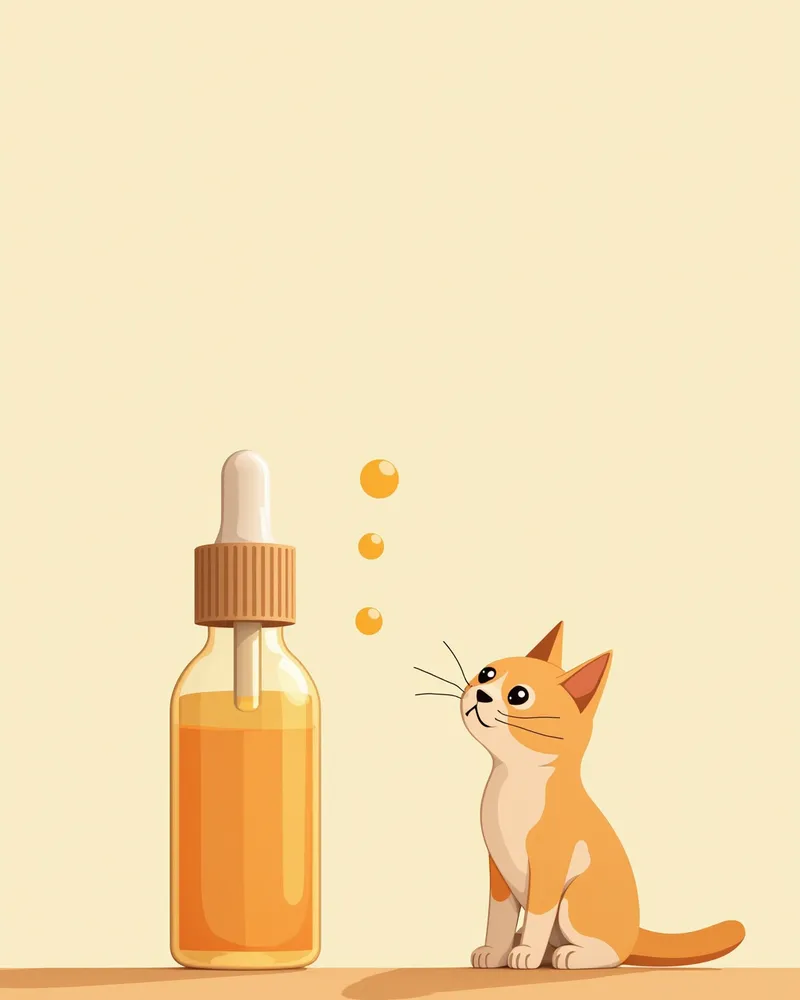
Luna Kit urinary tract health supplement comes in a liquid form that is easy for cats to consume. Its key ingredients, citric acid and magnesium, can help regulate urine acidity and contribute to inhibiting stone formation. Follow the manufacturer’s instructions for the daily dosage, and note that the degree of improvement may vary from cat to cat. After administration, cats often maintain their appetite and activity levels; while side effects are rare, monitoring is still important. The supplement can be given during food transitions, but it is essential to observe your cat’s condition as changes occur.
Luna Kit urinary tract health supplement, liquid formulation

Best 3: PetPlus pH-Balancing Prescription Diet
PetPlus pH-Balancing Prescription Diet is formulated to help reduce urine concentration and regulate urinary acidity. - Low-Protein, High-Fiber Formula: Helps lower urine concentration to reduce stress on the urinary tract, supporting overall urinary health. - Improved Palatability: Features a soft texture that cats enjoy, helping maintain appetite even with long-term feeding. - Prevention of Recurrent Infections: For cats prone to frequent urinary tract infections, proper nutritional support can help reduce the risk of recurrence. - Veterinarian Recommended: Some veterinarians recommend this brand as part of urinary health management, with documented cases showing stable conditions based on regular check-up results.
Cats eating PetPlus pH-adjustment-specific food

Comparison Table of Best 1–3 Products

ItemPropolis FoodLuna Kit SupplementPetPlus Food
Key IngredientsPropolis, citric acid, magnesiumCitric acid, magnesium, vitamin B groupLow protein, high fiber, natural extracts
FormDry foodLiquid supplementDry food
Daily Dosage100g based on body weight1ml (once)100g based on body weight
Effect DurationVaries by individualVaries by individualVaries by individual
Additional BenefitsHigh protein, appetite stimulationEasy administration, reusableLowers urine concentration, prevents infection

Compared based on veterinarian-recommended products. The choice may vary depending on your cat's condition.

Caution: Excessive pH Regulation Can Be Dangerous

Shifting your pet’s urine pH too far in either direction can actually promote stone formation. Specifically, if the pH drops too low and the urine becomes overly acidic, calcium oxalate stones are more likely to form. Conversely, if the pH rises too high and the urine becomes alkaline, struvite (phosphate) stones are more prone to develop. Therefore, maintaining a balanced pH is essential. Do not administer excessive supplements without your veterinarian’s guidance. Regular urine pH testing is necessary to monitor your pet’s condition. Because the appropriate pH level depends on the specific disease state and dietary habits, professional veterinary advice is required.

Usage Tips: How to Maximize Effectiveness
To successfully manage your cat’s urine pH, the first step is to accurately determine their current pH level. - Urine Testing: Work with your veterinarian to conduct regular urine tests. - Food Transition Method: When switching to a new diet, gradually mix in one-third of the new food each day over a period of seven days. - Water Supply: Always provide an ample supply of clean water. Without adequate hydration, it becomes difficult to regulate urine pH. - Observation Points: Closely monitor changes in litter box habits and appetite. Consistent monitoring is key to success.
A cat drinking water

Reviewed by a veterinarian

Dr. Tony — Punnawat Phongkittirak

Dr. Tony — Punnawat Phongkittirak

Veterinarian

A veterinarian who majored in veterinary medicine at Khon Kaen University, Thailand, and completed the IVSA program at North Carolina State University in the United States. Drawing on clinical experience at animal hospitals, he works in the pet healthcare field and is dedicated to building a digital care environment that connects pet parents with veterinarians.

Frequently Asked Questions

What should I do if my pet’s urine pH is too low?
If your pet's urine becomes too acidic (low pH), the risk of calcium oxalate stones may increase. Consult your veterinarian to discuss ways to properly regulate urine pH.
Can I give the supplement twice a day?
Once a day is usually sufficient. To avoid side effects from overconsumption, follow the manufacturer’s instructions and your veterinarian’s recommendations when administering.
My pet’s appetite decreased after switching to the new food. Is this normal?
A temporary decrease in appetite may occur during the transition period. If this persists for more than three days, please consult your veterinarian.
How often should urine pH be tested?
When starting out, we recommend testing every two to three months, and once things stabilize, about every six months. This schedule can be adjusted based on your veterinarian's assessment.
Do all cats need to use pH management products?
This product is recommended only for cats with urinary tract diseases or those prone to recurrent infections. Healthy cats can maintain a normal urine pH without any special care.

Share

Related Guides

References

[1] The Cat, Clinical Medicine and Management, 2nd Edition, 2023

[2] Plumb's Veterinary Drug Handbook, 10th Ed, 2022

[3] Feline Emergency and Critical Care Medicine, 2nd Ed, 2021

This information is based on veterinary literature and does not replace diagnosis or treatment. Please consult a veterinarian for specific health concerns.

Metapet Co., Ltd. | CEO: Park Sung-yong | Business Reg. No. 417-88-02562 | Seoul, South Korea | Customer Center

Cat Urine pH Management: Best Products & How to Choose | Meongsiljang