
Top Recommended Struvite Urolith Management Diets for Dogs and Selection Criteria
Struvite urinary stones in dogs pose a significant threat to urinary tract health. Recurrence can be prevented with appropriate diet and care.
Struvite Uroliths in Dogs: A Serious Threat to Urinary Tract Health
Key Criteria for Selecting Struvite Urolith Management Diets
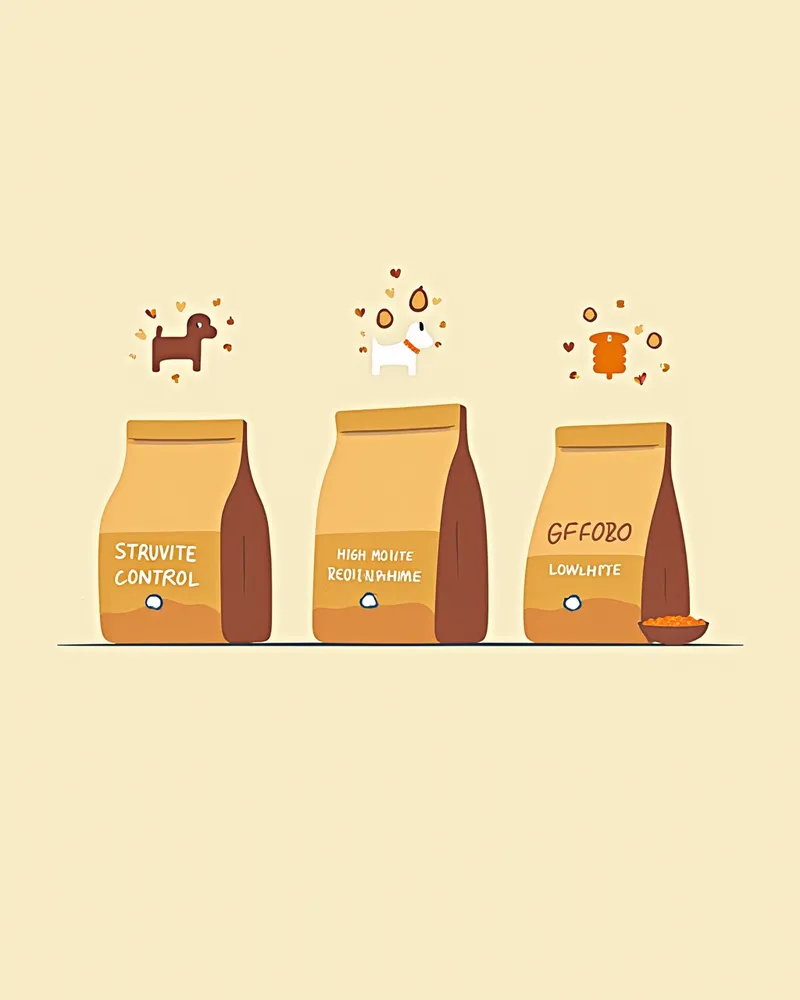
BEST 1: Struvite-Specific Diet with Probiotics
BEST 2: Low-Phosphorus, High-Protein Liquid Diet
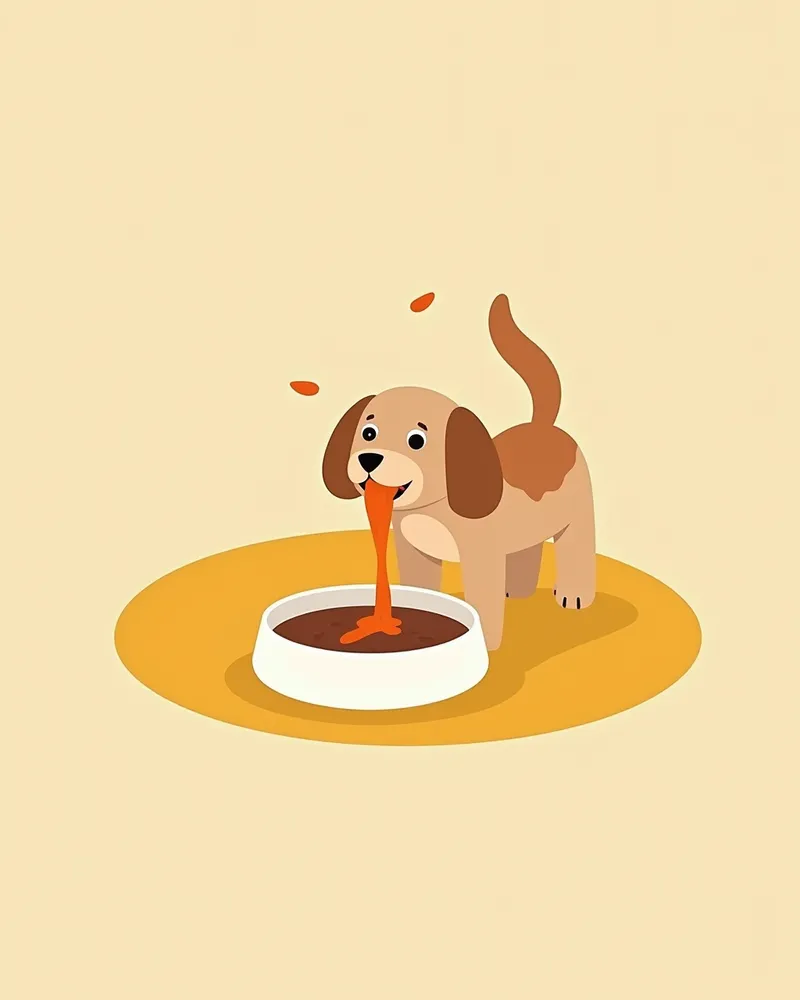
BEST 3: Natural Ingredient-Based Struvite Management Diet
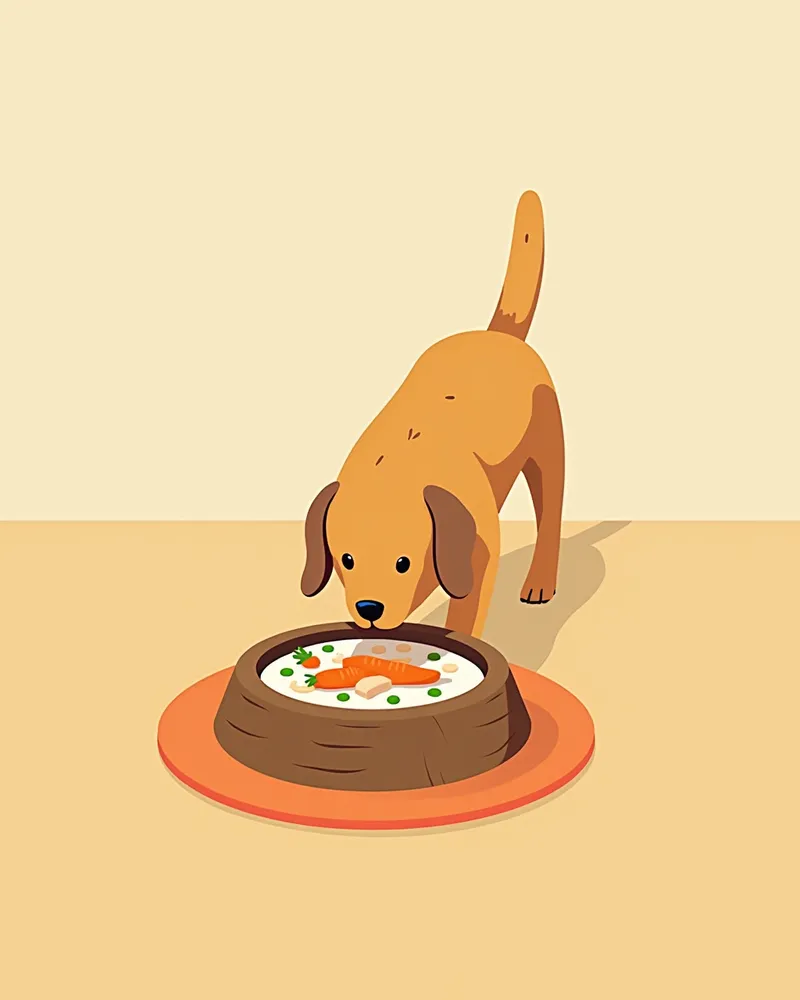
Comparison Table of BEST 1–3 Diets
| Item | BEST 1 (with probiotics) | BEST 2 (liquid) | BEST 3 (natural food) |
|---|---|---|---|
| Phosphorus Content | Low | Very low | Low |
| Moisture Content | High | Very high | Medium |
| Protein Ratio | High protein | High protein | Medium to high protein |
| Ingredient Type | Synthetic + natural | Liquid type | Natural food |
| Recommended For | Dogs at high risk of recurrence | Picky-eating dogs | Dogs that prefer natural food |
It is best to decide after consulting a veterinarian. For long-term use, regular check-ups and urine tests should be carried out alongside.
Caution: Sudden Diet Changes Can Cause Urinary Tract Stress
When transitioning to a struvite management diet, it’s best to do so gradually over several days. Switching all at once can cause digestive upset, so mix the new food with the old in increasing amounts. It’s also recommended to consult your veterinarian before and after the change, and to monitor your pet’s urination habits and any changes in urine.
Usage Tip: Success in Struvite Urolith Management Starts with Daily Habits
Reviewed by a veterinarian

Dr. Tony — Punnawat Phongkittirak
VeterinarianA veterinarian who majored in veterinary medicine at Khon Kaen University, Thailand, and completed the IVSA program at North Carolina State University in the United States. Drawing on clinical experience at animal hospitals, he works in the pet healthcare field and is dedicated to building a digital care environment that connects pet parents with veterinarians.
Reviewed 2026-06-29
Frequently Asked Questions
Can struvite bladder stones be completely cured?
Will switching to a different diet make urinary stones disappear?
Can you prevent urinary stones at home?
Is it okay to feed liquid food to my pet long-term?
What kind of treats should I give my pet?
Share
Related Guides
Top 5 Prescription Diets for Feline FLUTD — Comparison by Struvite and Calcium Oxalate Stones
Top 7 Prescription Diets for Feline Bladder and Urinary Tract Health Recommended by Veterinarians — Including Selection Criteria

Top 5 Cranberry Urinary Supplements for Dogs — Preventing Cystitis
7 Key Products for Managing Feline Pituitary Tumors Recommended by Veterinarians and Selection Criteria
Veterinarian-Recommended Top 7 Management Tips for Feline Pheochromocytoma and Selection Criteria
Veterinarian-Recommended Top 7 Management Tips for Feline Neoplasm-Induced Hypoglycemia — Key to Blood Sugar Management
Veterinarian’s Top 7 Picks for Managing Feline Obesity and Insulin Resistance — Key to Weight Loss
7 Best Management Products for Feline Hypoparathyroidism Recommended by Veterinarians — Key to Calcium Supplementation
7 Key Strategies for Managing Feline Hypoglycemia Recommended by Veterinarians — How to Spot Warning Signs
7 Essential Blood Sugar Management Products for Cats with Hyperglycemia Recommended by Veterinarians and Selection Criteria
References
[1] Plumb's Veterinary Drug Handbook, 9th Edition, 2022. Wiley-Blackwell.
[2] Feldman, B. F., & Nelson, R. W. (2013). Canine and Feline Nephrology and Urology. 2nd ed., Elsevier Saunders.
[3] AAFCO (2023). Official Publication of the Association of American Feed Control Officials. Nutrient Profiles for Canine Diets.