
Like
Share
멍실장
강아지 심장사상충 항원 검사 관리 추천 BEST와 고르는 기준 총정리

Best Practices and Selection Criteria for Dog Heartworm Antigen Testing

Infection/ParasitesTop PicksMeongsiljang Veterinary Advisory Board

The heartworm antigen test is a key tool for early detection of infection. Regular testing and choosing the right preventive product are essential for effective prevention.

What is the Dog Heartworm Antigen Test?

A veterinarian drawing blood from a puppy's paw
The heartworm antigen test for dogs is a diagnostic method that detects antigens secreted by adult female worms in the blood. However, in early stages of infection, when the worm burden is low, or if only male worms are present, the antigen may not be detected in sufficient quantities, resulting in a negative outcome. This reflects the sensitivity limitations of the antigen test. Therefore, while testing is an important step in preventive care, it is essential to combine additional tests and clinical findings to accurately determine infection status.
Regular Testing: Heartworm infections are typically identified during annual check-ups, and it is recommended that adult dogs over six months of age undergo testing once a year. In areas where heartworm is common, annual testing becomes even more critical.
Blood Collection: A small amount of blood is drawn for the test.
Result Confirmation: Depending on the test kit used, results can usually be obtained within a relatively short period.

Selection Criteria: Tips for Choosing a Clinic for Heartworm Testing

To obtain accurate test results, consider the following criteria. The reliability and practicality of a test are the starting points for preventive care.
High-accuracy products: Choose products with high sensitivity that can detect antigens even in the early stages of infection.
Rapid results: Results should be available within 15 minutes to facilitate prompt response in urgent situations.
Ease of use: The product should be suitable for use in veterinary clinics or for convenient home use.
Cost-effectiveness: Select products priced appropriately for regular testing.
Easy storage: Opt for products that remain stable at room temperature without requiring refrigeration.
Comparison of Three Heartworm Antigen Test Kits

Check 1: Is the Antigen Test Performed Accurately?

The heartworm antigen test detects antigens produced by adult female worms to confirm whether your pet is infected. It can be performed quickly in-clinic using a simple kit, so it’s recommended as the first step before starting preventive medication or if doses were missed. Make sure the clinic properly administers the test and accurately interprets the results. Since using certain preventives on an already infected pet can be dangerous, choose a clinic that follows the proper protocol of testing before prescribing.
Guidance images to ensure accurate antigen testing

Check 2: Are Regular Testing and Prevention Linked?

Prevention is key when it comes to heartworm disease, so testing should always be viewed as part of a comprehensive prevention plan. We recommend choosing a veterinary clinic that guides you through annual routine heartworm antigen testing while maintaining consistent year-round preventive medication. Because early infections may have a window period during which they won’t immediately show up on antigen tests, it’s important to coordinate the timing of your pet’s tests with their prevention schedule. Select a clinic that helps you create a tailored prevention plan based on local mosquito activity and your pet’s specific lifestyle and environment.
An informational image explaining how regular check-ups are linked with preventive care.

Check 3: Are Results Interpreted and Linked to Additional Tests?

If the antigen test is positive, your veterinarian will perform additional tests, such as microscopic examination or imaging, to confirm the infection and assess the severity before developing a treatment plan. Even if the result is negative, retesting may be recommended after a certain period to account for factors like the incubation period or infections limited to male worms. It’s best to choose a clinic where the veterinarian clearly explains what the results mean and outlines the next steps. Select a practice that provides consistent guidance on testing, prevention, and treatment when necessary.
An image explaining how to interpret the results and proceed with additional tests

Checklist for Choosing a Heartworm Testing Clinic

ItemRecommended Criteria
Testing PerformanceA place that performs antigen tests accurately and reads the results properly
Following ProcedureA safe procedure of prescribing preventive medication after infection testing
Regular Care & CoordinationA place that manages annual checkups together with the prevention schedule
Result InterpretationA place that guides additional testing/treatment if positive, and the retest timing if negative
Cost GuidanceA place that informs you in advance of estimated costs and the possibility of additional tests before testing

This is not a table recommending specific products or clinics, but a reference to consult with your veterinarian. Treatment and testing decisions must always be made together with your veterinarian through an examination.

Precautions and Contraindications

The heartworm antigen test is safe, but in some cases, the results need to be interpreted with caution.

Testing Tips
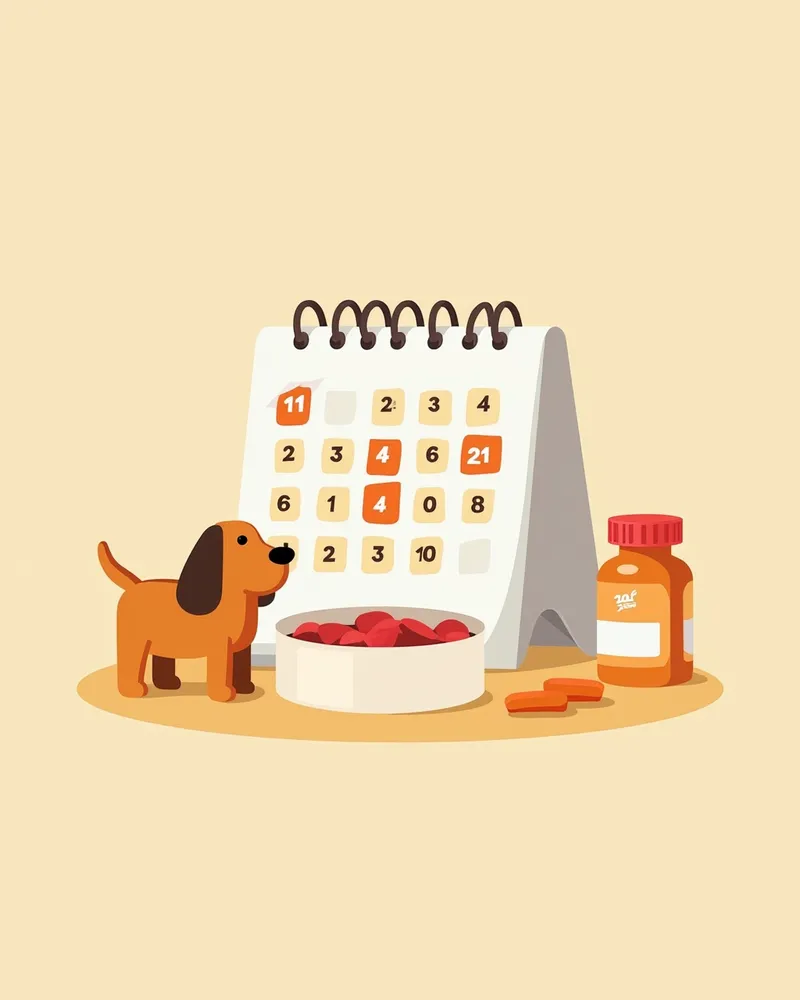
Detect heartworm infection early and prevent it through regular testing. Use the following tips for effective management.
When to test: For dogs over six months of age, annual testing is recommended, especially in heartworm-endemic areas or around the mosquito season. Testing one to two months before the start of mosquito activity is ideal, but maintaining a consistent annual testing schedule is more important.
Testing frequency: Annual testing is recommended for adult dogs starting at six months of age. For puppies, begin testing at six months of age, followed by annual tests thereafter.
Interpreting results: If the test is positive, consult your veterinarian immediately. Additional diagnostics or a treatment plan may be necessary.
Combining with preventatives: Administer heartworm preventatives consistently alongside testing. However, if infection is suspected, always confirm the test results before administering any preventative medication.
Record keeping: Regularly document and track test results. Managing both test results and prevention schedules together enhances the effectiveness of prevention.
Heartworm Test Schedule Management Calendar

Reviewed by a veterinarian

Dr. Tony — Punnawat Phongkittirak

Dr. Tony — Punnawat Phongkittirak

Veterinarian

A veterinarian who majored in veterinary medicine at Khon Kaen University, Thailand, and completed the IVSA program at North Carolina State University in the United States. Drawing on clinical experience at animal hospitals, he works in the pet healthcare field and is dedicated to building a digital care environment that connects pet parents with veterinarians.

Frequently Asked Questions

When should a heartworm antigen test be performed?
For adult dogs, annual testing is recommended starting at six months of age, with particular emphasis on testing in heartworm-endemic areas or around the peak mosquito season. For puppies, the first test should be performed at six months of age, followed by annual testing thereafter.
What should I do if the test result is positive?
Please consult your veterinarian immediately. A positive result suggests infection, but further tests (such as X-rays, echocardiography, or blood smears) are needed to assess the severity and develop a treatment plan. Your veterinarian will determine the appropriate treatment, and preventive medications may be withheld until treatment begins.
Can I perform the test at home?
While home test kits are available, you must consult your veterinarian to interpret the results and determine the appropriate treatment. Misinterpreting the results can lead to delayed care or unsafe prescriptions, so professional evaluation is essential.
Can I give preventive medication after the test?
If the test result is negative, it is safe to continue administering preventive medication regularly. If the result is positive, your veterinarian will determine whether preventive medication should be given, and it may be prohibited before treatment begins.
How much does the test cost?
Costs vary widely depending on the clinic, the specific tests performed, and your pet’s condition. For an accurate estimate, please contact the clinic where you plan to receive care. Since the cost structure may change when tests are conducted alongside preventive treatments, it’s a good idea to discuss this with your veterinarian in advance.

Share

Related Guides

References

[1] American Heartworm Society. (2023). Canine Guidelines for the Prevention, Diagnosis, and Management of Heartworm (Dirofilaria immitis) Infection in Dogs. https://www.heartwormsociety.org

[2] Plumb's Veterinary Drug Handbook, 9th Edition. (2022). Wiley-Blackwell.

[3] Handbook of Veterinary Pharmacology. (2021). Chapter 7: Drugs for Heartworm Prevention and Therapy.

This information is based on veterinary literature and does not replace diagnosis or treatment. Please consult a veterinarian for specific health concerns.

Metapet Co., Ltd. | CEO: Park Sung-yong | Business Reg. No. 417-88-02562 | Seoul, South Korea | Customer Center

Best Practices for Dog Heartworm Antigen Testing & Selection | Meongsiljang