
Like
Share
멍실장
강아지 단백뇨 관리 추천 BEST와 고르는 기준 총정리

Top Recommended Products for Managing Proteinuria in Dogs and Selection Criteria

UrinaryTop PicksMeongsiljang Veterinary Advisory Board

Protein in your dog’s urine can be a sign of kidney dysfunction. Choosing the right therapeutic diet and supplements can help alleviate the symptoms.

Proteinuria in Dogs Is an Early Warning Sign of Kidney Health

Image of a urine sample for a dog's proteinuria test
Proteinuria in dogs occurs when an abnormally high amount of protein appears in the urine and can be an early sign of kidney dysfunction. Because this condition often progresses slowly and without obvious symptoms, early detection is crucial. Your veterinarian can identify it through routine check-ups or urinalysis, and timely management plays a significant role in long-term health. Since the causes of proteinuria vary, an accurate diagnosis is essential to develop a tailored care plan. Maintaining kidney health requires consistent daily care and attentive monitoring.

Criteria for Selecting Diets to Manage Proteinuria in Dogs

When selecting a diet to manage proteinuria in dogs, it is essential to carefully evaluate the quality and quantity of protein, as well as the phosphorus and sodium content. - Appropriate protein restriction: This helps reduce the burden on the kidneys. However, rather than simply minimizing protein, it is crucial to maintain it at an optimal level; renal diets are specifically formulated to provide "moderate" protein restriction. Some studies have shown that protein-restricted diets can significantly reduce proteinuria. - High-quality (high biological value) protein: Choosing proteins with an ideal amino acid profile reduces the amount of waste products the kidneys must process, thereby alleviating renal stress. - Phosphorus restriction: Limiting phosphorus is a key component of renal diets and helps slow the progression of kidney function decline. - Omega-3 fatty acids: These help mitigate inflammatory responses and may assist in reducing renal protein loss (glomerular proteinuria) in some dogs. - Low-sodium formulation: Reducing sodium intake aids in blood pressure management. Controlling hypertension is a priority for protecting kidney health. - Antioxidant inclusion: While antioxidants are sometimes added to renal diets, there is currently insufficient evidence to confirm their specific efficacy in protecting the kidneys by reducing oxidative stress. Diets recommended by veterinarians balance these factors appropriately.
Image of dog food for managing proteinuria

BEST 1: Protenless Cure Kidney-Specific Diet
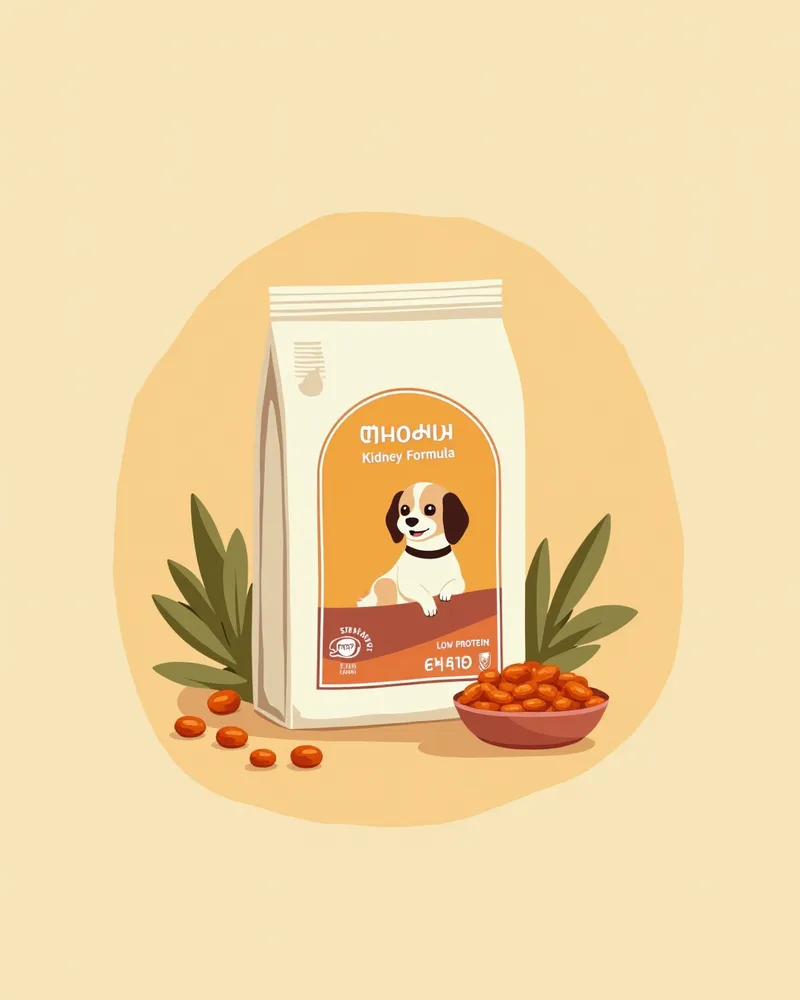
This food is formulated with a carefully balanced protein level to support dogs with reduced kidney function. - Optimal Protein Restriction with High-Quality Protein: We use high-biological-value proteins with excellent amino acid profiles to minimize the waste products the kidneys must process, thereby reducing their workload. Rather than drastically cutting protein, maintaining it at an appropriate level is key. - Omega-3 Fatty Acids and Vitamin E: These nutrients can help reduce inflammation. Some studies have also reported that omega-3 fatty acids may help decrease glomerular proteinuria. - Controlled Phosphorus and Sodium Levels: Limiting phosphorus is a critical factor in slowing the progression of kidney disease, while sodium restriction supports blood pressure management and overall kidney health. - Stabilization of Urinary Protein Levels: Research indicates that protein-restricted diets can significantly reduce proteinuria on average. Your veterinarian will monitor this through regular urine protein-to-creatinine ratio (UPC) tests. - Maintaining Nutritional Balance: It is essential that the diet remains nutritionally complete for long-term use. Excessive protein restriction can lead to muscle loss and other nutrient deficiencies, so please consult your veterinarian to choose the most suitable food for your pet.
Image of Proteinless Cure kidney-specific pet food

BEST 2: Lakeview Kidney Health Supplement

This supplement features a balanced blend of omega-3 fatty acids and antioxidants. Omega-3s may help alleviate kidney inflammation, and some studies have reported a reduction in glomerular proteinuria (protein loss in urine) in certain dogs. While antioxidants may contribute to reducing oxidative stress, more research is needed to determine their specific effects. It’s easy to administer once daily, and most dogs enjoy the taste. Please note that this supplement alone cannot fully resolve proteinuria; it should be used as a supportive measure alongside your veterinarian’s diagnosis, dietary management, and prescribed medications. Recommended by veterinarians, this supplement plays a supportive role in maintaining kidney health.
Lakeview Kidney Health Supplement Image

BEST 3: KidCare Protein Reduce Diet

This food is formulated to moderately reduce protein levels while maintaining high quality, thereby easing the burden on the kidneys. - Moderate restriction + high-nutrient design: Rather than excessively lowering protein, it restricts intake to an appropriate level while using high biological value proteins with excellent amino acid profiles, reducing the waste products the kidneys must process. - Phosphorus and sodium-restricted composition: Limiting phosphorus is key to slowing the progression of kidney disease, while sodium restriction helps regulate blood pressure and alleviate kidney strain. - Highly digestible and absorbable formula: Enhanced digestive efficiency supports better nutrient absorption. - Suitable for long-term use: Recommended by veterinarians, this food can be used long-term for managing kidney disease. However, excessive protein restriction can risk muscle loss, so a veterinarian should adjust the diet based on the pet’s condition. - Stabilizes urinary protein levels: Some studies have reported that protein-restricted diets significantly reduce proteinuria, which can be monitored through regular veterinary checks (UPC). This provides practical support for kidney health management.
KidCare Protein Reduce food image

Comparison Table of Products BEST 1–3

ItemProtein RescueLakeview SupplementKid Care Food
Protein ContentLowSupplementLow
Omega-3 ContentHighHighMedium
Sodium ContentLowLowLow
Directions for UseFoodSupplementFood
Recommended TimingEarly to middle stageEarly stageMiddle to late stage

Compared based on veterinarian-recommended products. The choice varies depending on your dog's condition.

Caution: Excessive Protein Restriction Can Burden the Kidneys

When managing proteinuria, reducing protein intake too much can lead to muscle loss or nutritional deficiencies. A veterinarian should determine the appropriate protein level based on your pet’s weight and condition. Rather than arbitrarily changing supplements or food, it’s important to monitor changes through regular check-ups.

Usage Tips and Management Points

Managing proteinuria in dogs requires more than just switching to a different diet; it demands long-term, consistent care. It is important to monitor protein levels through regular urine tests (UPC) and work with your veterinarian to develop a tailored management plan. Increasing water intake can also help support kidney function. Additionally, reducing stress and maintaining a consistent daily routine are effective strategies.
Regular Check-ups: Confirm changes in protein levels through periodic urine tests (UPC).
Hydration: Place water bowls in multiple locations to ensure fresh water is always available.
Stress Management: Encourage a calm lifestyle in a quiet environment.
Exercise Moderation: Maintain an appropriate level of activity, as excessive exercise can place undue strain on the body.
Since persistent proteinuria carries the risk of progressive kidney damage, early diagnosis and consistent management are essential.
Image of water intake and regular check-ups for managing proteinuria in dogs

Reviewed by a veterinarian

Dr. Tony — Punnawat Phongkittirak

Dr. Tony — Punnawat Phongkittirak

Veterinarian

A veterinarian who majored in veterinary medicine at Khon Kaen University, Thailand, and completed the IVSA program at North Carolina State University in the United States. Drawing on clinical experience at animal hospitals, he works in the pet healthcare field and is dedicated to building a digital care environment that connects pet parents with veterinarians.

Frequently Asked Questions

Can proteinuria be treated?
It depends on the underlying cause. In the early stages of kidney disease, proteinuria can be reduced and disease progression slowed through medication and dietary management. Some studies have shown that protein-restricted diets significantly decrease proteinuria. However, since existing damage cannot be reversed, it is important to work with your veterinarian to develop a personalized management plan.
When should I start giving my pet supplements?
If a veterinarian diagnoses proteinuria, supplements can be used alongside dietary and medication management. Omega-3 fatty acids have shown positive effects in reducing glomerular proteinuria in some studies, and they may be beneficial when used in conjunction with dietary and pharmacological treatments.
My dog refuses to eat when I change his food.
It’s best to transition gradually by mixing the new food with the old. Start by adding just 10% of the new food and slowly increase the amount over time. Since kidney-specific diets can sometimes be less palatable, take your time to help your pet get used to the new flavor. We recommend following your veterinarian’s guidance for a step-by-step transition.
What should I do if proteinuria returns?
Consult your veterinarian immediately. Recurrence may signal worsening kidney function, so the underlying cause should be reevaluated and the management plan adjusted accordingly.
Can I perform a urine test at home?
There are home urine test strips available. However, it’s difficult to make an accurate assessment based solely on the dipstrip results, and a definitive diagnosis should be made by a veterinarian using methods such as the urine protein-to-creatinine ratio (UPC). Please use the test results only as a reference and always consult with your veterinarian.

Share

Related Guides

References

[1] Plumb's Veterinary Drug Handbook, 9th ed. (2022). Wiley-Blackwell.

[2] Applied Veterinary Clinical Nutrition, 2nd ed. (2019). Elsevier.

[3] Urinalysis in the Dog and Cat (2021). Wiley-Blackwell.

This information is based on veterinary literature and does not replace diagnosis or treatment. Please consult a veterinarian for specific health concerns.

Metapet Co., Ltd. | CEO: Park Sung-yong | Business Reg. No. 417-88-02562 | Seoul, South Korea | Customer Center

Best Dog Proteinuria Care: Diets, Supplements & Criteria | Meongsiljang