Like
Share
멍실장
강아지 요산 요석 관리 추천 BEST와 고르는 기준 총정리

Top Recommended Uric Acid Urolith Management Options for Dogs and Selection Criteria

UrinaryTop PicksMeongsiljang Veterinary Advisory Board

Uric acid uroliths in dogs are urinary stones that can develop due to genetic predisposition and dietary factors. Recurrence can be prevented with appropriate diet and management.

What Are Uric Acid Uroliths in Dogs?

Ultrasound image showing uric acid uroliths in a dog's urinary tract
Uric acid uroliths in dogs are stones that form in the urinary tract due to excessive accumulation of uric acid. Uric acid is a byproduct of purine metabolism, and stones can develop when concentrations of uric acid and ammonium in the urine become elevated. These stones are more commonly seen in breeds with a genetic predisposition, such as Dalmatians and Bulldogs, as well as in dogs with liver dysfunction, including portosystemic shunts. Therefore, dietary management and adequate hydration are paramount. Early detection, combined with appropriate prescription diet and sufficient water intake, can significantly reduce the risk of recurrence. Consistent daily care is essential to maintain urinary tract health.

5 Key Criteria to Consider for Managing Uric Acid Uroliths in Dogs
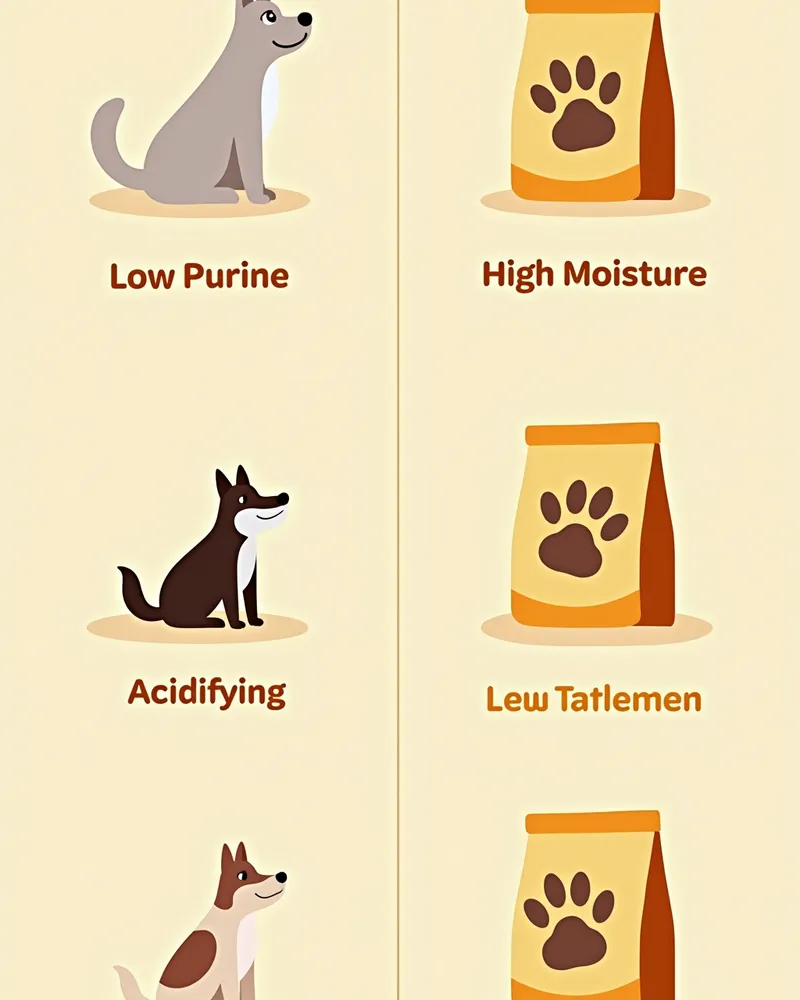
When selecting a diet to manage uric acid stones, consider ingredients that reduce uric acid and purine levels, moisture content, protein levels, and the presence of components that alkalinize urine. Uric acid stones form readily in acidic urine, so maintaining an alkaline urine pH (7.0 or higher) helps dissolve and prevent them. Adequate water intake dilutes the urine, supporting urinary tract health, while a low-protein, low-purine diet can effectively regulate uric acid production. Since nutritional balance is crucial for long-term feeding, choose a sustainable option without making abrupt diet changes.
An infographic explaining how to choose food for managing uric acid stones

BEST 1: Premium Uric Acid Management Diet (High-End)
This is a premium uric acid management diet recommended by veterinarians. - Low-uric acid formula: Contains ingredients that help reduce uric acid and purine levels to inhibit uric acid production. - High-moisture design: Encourages water intake to dilute urine and support urinary tract health. - Alkalizing ingredients: Helps maintain an alkaline urine environment (pH 7.0 or higher) where uric acid dissolves more easily. - Joint-supporting nutrients: Includes glucosamine and omega-3 fatty acids to care for both joints and the urinary tract. - Balanced nutrition: Provides well-balanced nutrition even with long-term feeding. - Consistent quality: Made with pure ingredients and no additives, so you can feed it with confidence.
Package image of a premium uric acid management pet food

BEST 2: Budget-Friendly Uric Acid Management Diet (Daily Use)
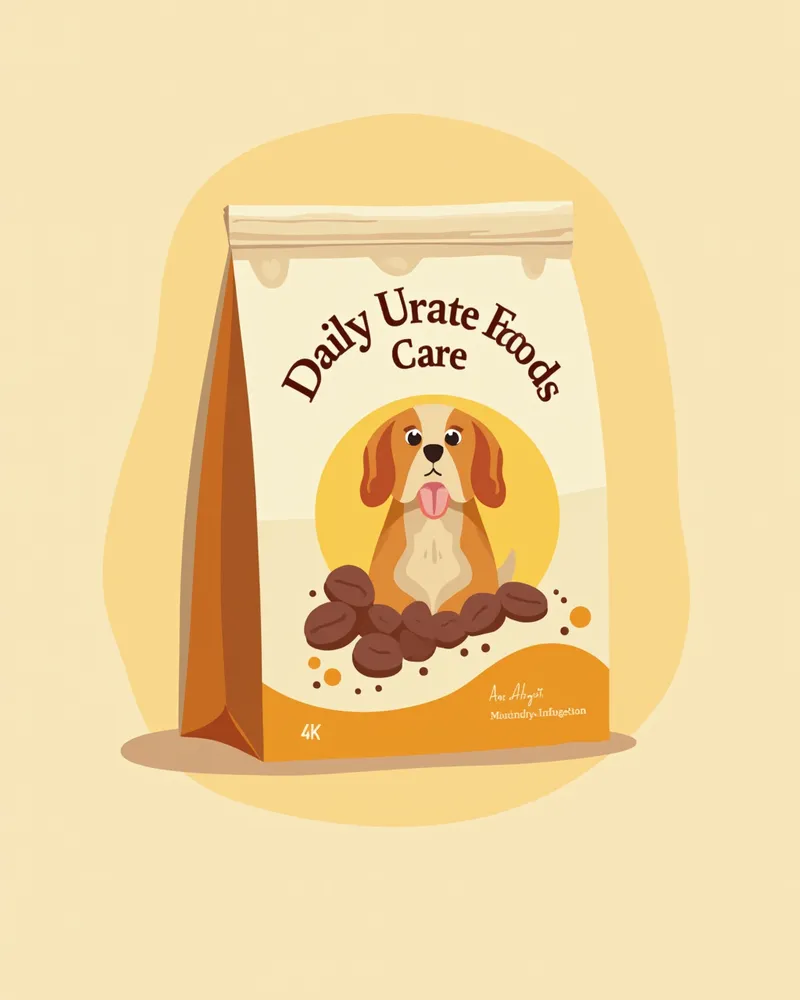
Liquid supplements can be used alongside your pet’s regular diet to help manage uric acid levels. They’re especially useful when diet alone isn’t enough, offering a complementary boost with high absorption for efficient nutrient delivery. These supplements contain ingredients that help alkalize urine and provide antioxidants, supporting a urinary tract environment where uric acid dissolves more easily. The convenient liquid form makes it easy for dogs to take, and for long-term use, it’s best to consult with your veterinarian to ensure safe and effective management.
Package image of an economical uric acid management pet food

BEST 3: Liquid Uric Acid Management Supplement (Complementary)
Liquid supplements can be used alongside your dog’s regular diet to help manage uric acid levels. The liquid form offers excellent digestive absorption and provides immediate nutrient delivery. It contains ingredients that alkalinize the urine, helping maintain an alkaline urinary environment (pH 7.0 or higher) to reduce uric acid crystallization. Antioxidants included in the formula help mitigate oxidative stress, effectively supplementing nutrients that may be lacking in food alone. The convenient drop format ensures easy administration and high compliance in dogs. While safe for long-term use, it is recommended to consult your veterinarian before starting this supplement.
Image of a liquid supplement for managing uric acid in dogs

Comparison Table of BEST 1–3 Diets and Supplements

ItemBEST 1 (premium)BEST 2 (economy)BEST 3 (liquid supplement)
Uric Acid-Reducing IngredientsContains low-uric-acid ingredientsBasic low-uric-acid ingredientsAlkalizing and antioxidant ingredients
Moisture ContentHigh-moisture designMedium moistureCan provide hydration in liquid form
Protein LevelLow-protein controlledLow-protein controlledAs a supplement, protein content is irrelevant
Price RangeHighMediumMedium
Directions for UseFeed as foodFeed as foodTake as liquid

Food is the primary management method, and supplements are recommended as a complement. Choose after consulting a veterinarian.

Caution: Excessive Protein Intake Can Worsen Uric Acid Uroliths

Feeding dogs excessive amounts of meat or raw diets can increase purine intake, leading to elevated uric acid production. This is especially concerning for breeds with genetic predispositions, such as Dalmatians and Bulldogs, or dogs with liver dysfunction like portosystemic shunts, as their risk of developing uric acid stones is higher. When selecting dog food, check the protein and purine content, as well as ingredients that alkalinize urine, and consult your veterinarian to determine an appropriate dietary plan.

Usage Tips: 4 Practical Steps for Successful Uric Acid Urolith Management
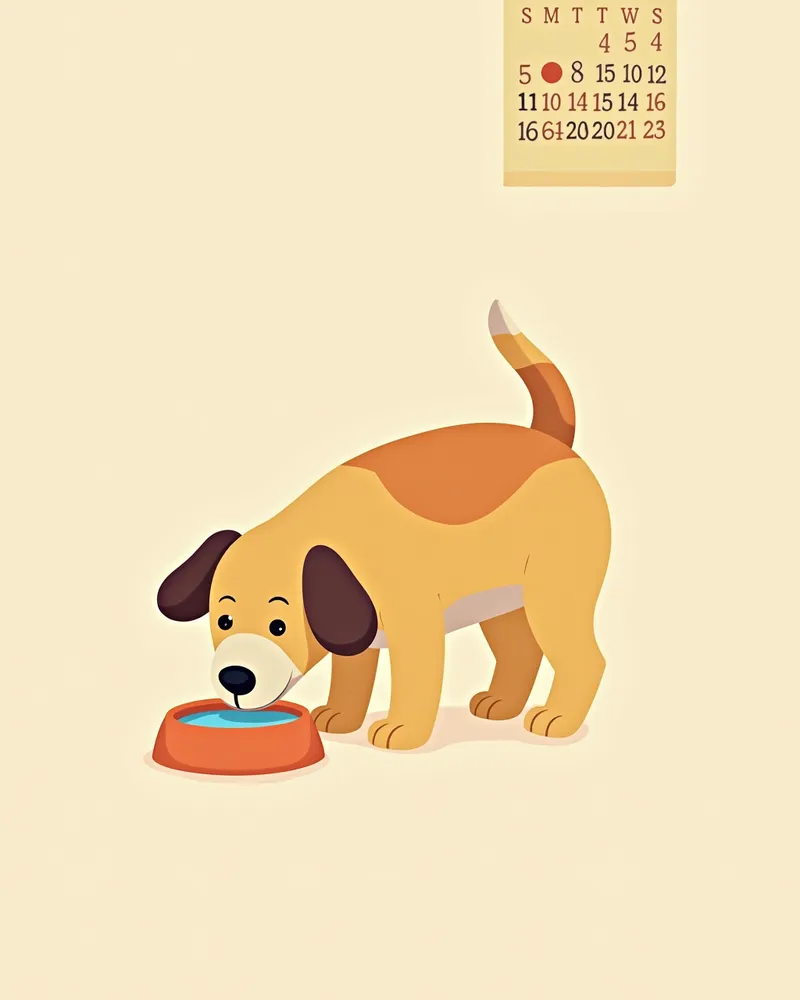
To successfully manage uric acid uroliths, be sure to follow these tips. Encourage frequent water intake: Offer water several times a day and place multiple water bowls around your home. Increasing hydration is key. Establish consistent meal times: Maintaining a regular feeding schedule helps stabilize digestion and metabolism. Schedule regular check-ups: It is advisable to have urinalysis and ultrasound examinations every three to six months. Reduce stress: Tension and stress can negatively impact urinary tract health. Provide a stable environment and tailor management to your pet’s individual behavioral patterns.
An illustration explaining tips for managing uric acid stones

Reviewed by a veterinarian

Dr. Tony — Punnawat Phongkittirak

Dr. Tony — Punnawat Phongkittirak

Veterinarian

A veterinarian who majored in veterinary medicine at Khon Kaen University, Thailand, and completed the IVSA program at North Carolina State University in the United States. Drawing on clinical experience at animal hospitals, he works in the pet healthcare field and is dedicated to building a digital care environment that connects pet parents with veterinarians.

Frequently Asked Questions

Can uric acid stones be completely cured?
Ongoing management is essential to prevent recurrence. While symptoms can be stabilized through proper diet and fluid intake, the focus should be on long-term care rather than expecting a complete cure.
Is food alone enough?
While diet forms the foundation of care, your pet may also need supplements or prescription medications depending on their individual circumstances. It’s important to consult with your veterinarian to create a care plan tailored specifically to your pet’s needs.
Will switching to a new pet food produce immediate results?
Effects typically begin to appear gradually after 2 to 4 weeks, so it’s best not to expect rapid changes. Consistent daily administration is necessary, and regular check-ups are recommended to assess progress.
Is it okay to raise my dog with other dogs?
Dogs with uric acid stones may experience competition or stress when interacting with other dogs, so it’s advisable to provide them with a stable environment and consider separate care. You might need to divide spaces within the home or closely monitor their behavior.
Can my pet have fruits or treats?
Fruits are high in sugar, which can sometimes cause digestive upset or weight gain, so it’s best to offer them in moderation. For treats, it’s safest to choose low-purine options or products recommended by your veterinarian.

Share

Related Guides

References

[1] Plumb's Veterinary Drug Handbook, 9th Edition. Wiley-Blackwell, 2021.

[2] Feldman, B. F., & Nelson, R. W. (2013). Canine and Feline Nephrology and Urology. Elsevier Health Sciences.

[3] AAFCO Nutrient Profiles for Canine Diets. American Association of Feed Control Officials, 2023.

This information is based on veterinary literature and does not replace diagnosis or treatment. Please consult a veterinarian for specific health concerns.

Metapet Co., Ltd. | CEO: Park Sung-yong | Business Reg. No. 417-88-02562 | Seoul, South Korea | Customer Center

Best Uric Acid Urolith Care for Dogs & How to Choose | Meongsiljang