Like
Share
멍실장
고양이 음수량 증가 방법 관리 추천 BEST와 고르는 기준 총정리

Complete Guide to Increasing Your Cat’s Water Intake: Top Recommendations and Selection Criteria

UrinaryTop PicksMeongsiljang Veterinary Advisory Board

Increasing your cat’s water intake is key to maintaining urinary tract health. We’ll provide a comprehensive guide on how to encourage more frequent drinking and recommend helpful products.

Increasing Your Cat’s Water Intake Is Key to Urinary Tract Health
A cat sitting beside a flowing fountain
Encouraging your cat to drink more water is a key part of maintaining urinary tract health. Insufficient water intake can complicate the management of lower urinary tract diseases (FLUTD) and feline idiopathic cystitis (FIC), which affect the bladder and urethra. As cats age, they become more susceptible to kidney issues, making adequate hydration even more critical. Veterinary science supports the view that maintaining proper hydration helps protect bladder health, so it is important to create an environment that encourages drinking. Therefore, owners should consistently monitor and improve their cat’s water-drinking habits.

5 Criteria for Choosing Methods to Increase Your Cat’s Water Intake
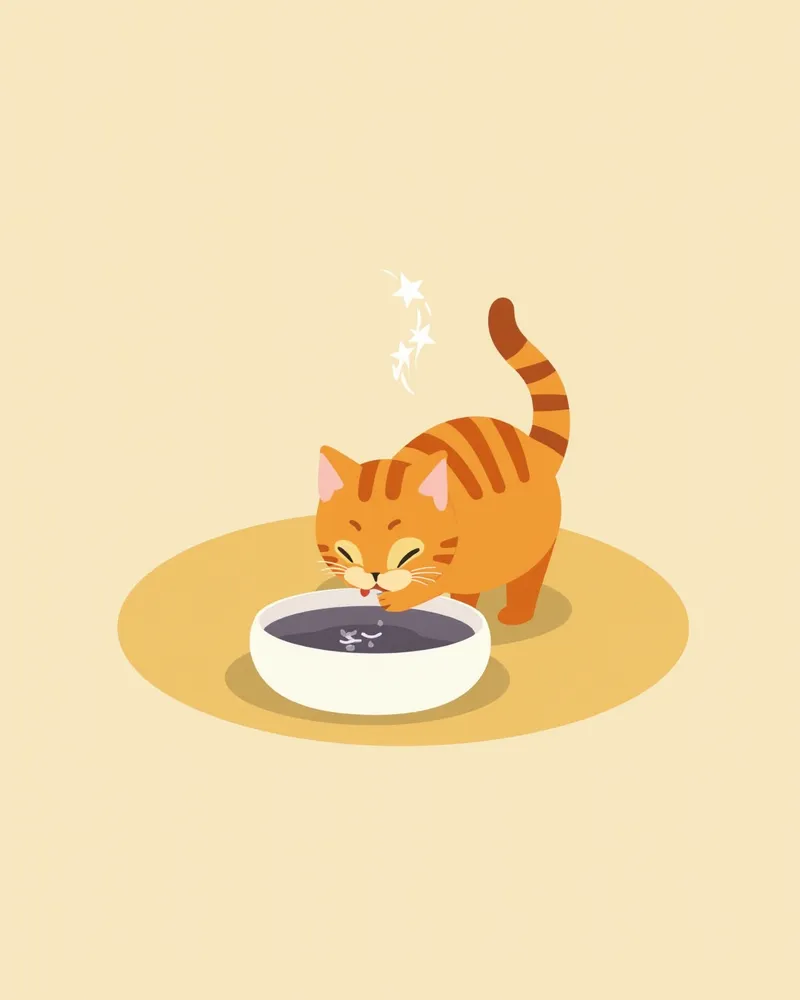
To encourage your cat to drink more water, it’s important to consider their preferences and environment. - Flowing water: Many cats prefer running water. A fountain-style water dispenser can stimulate them to drink more frequently. - Water placement: Place the water bowl in areas where your cat frequently passes through, so they can drink throughout the day. It's best to keep the water bowl separate from their food bowl. - Type of water: Cats may reject water with a chemical smell, so try using filtered or boiled and cooled water. - Water temperature: Cats often prefer water that is close to room temperature rather than cold water. - Water container: Cats tend to feel more comfortable with wide, large bowls where their whiskers don’t touch the sides. Avoid plastic bowls, as they can alter the taste of the water, and make sure to refresh the water regularly.
A cat drinking water from a ceramic bowl

BEST 1: Flowing Water Fountain-Style Water Bowl
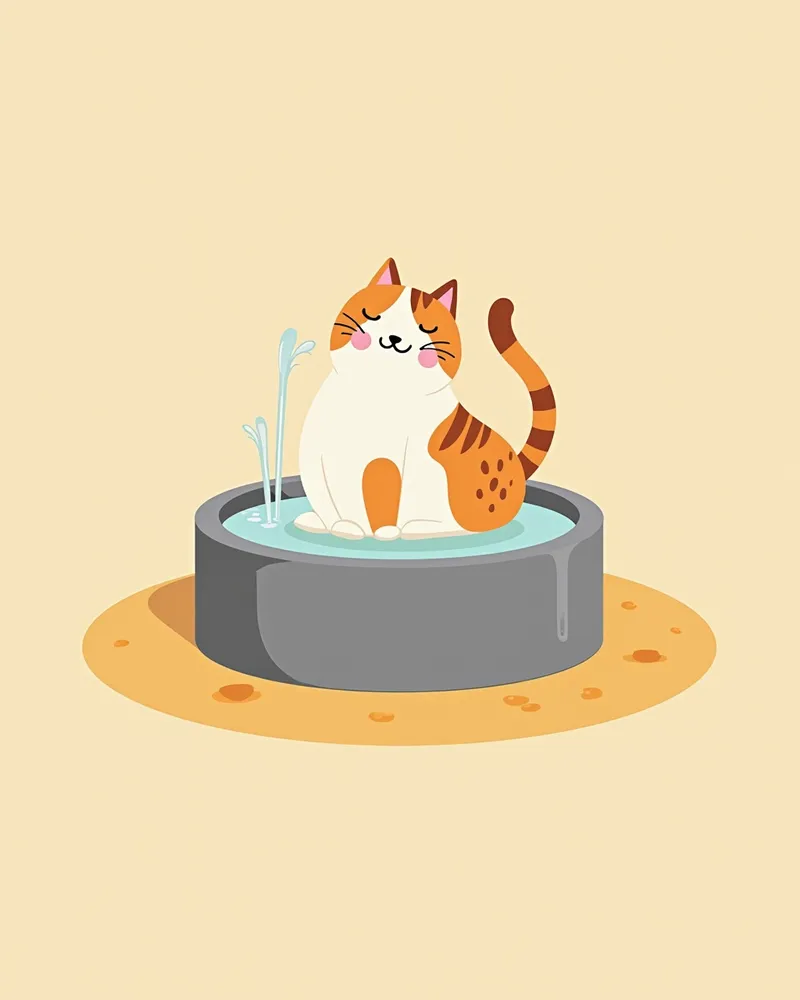
Flowing water fountains are the most effective way to encourage cats to drink more frequently. Designed to tap into cats’ natural preference for moving water, these fountains keep water fresh through continuous circulation. For cats that are reluctant to drink, the sound and motion of flowing water serve as a stimulating cue, significantly increasing their drinking frequency. The fountain’s interior is designed for easy cleaning, making hygiene maintenance straightforward. With a built-in dedicated filter, water quality is also ensured. We highly recommend this product for pet owners looking to improve their cat’s drinking habits.
A stainless steel, flowing-water fountain-style cat water bowl

BEST 2: Cat-Specific Water Bottle (Flowing Water Style)
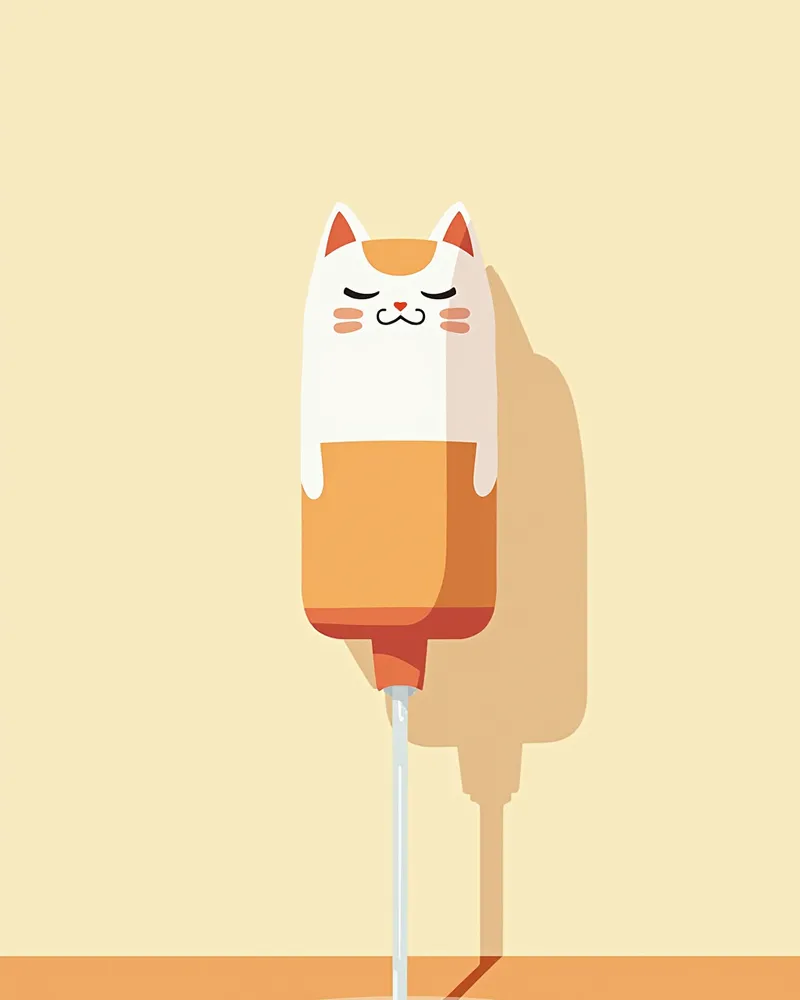
Cat-specific water bottles are designed to mimic flowing water while taking up minimal space. They can be wall-mounted or placed on a table, blending seamlessly with your home’s interior. The continuous flow of water naturally encourages cats to drink. This is especially beneficial for cats that have a habit of knocking over water bowls, as the bottle offers greater stability. The interior is easy to disassemble for regular cleaning, and the long filter replacement interval makes maintenance convenient. This makes it an ideal choice even for cats with limited living space.
Wall-mountable cat water bottle with a flowing water design

BEST 3: Stainless Steel Water Bowl (Large Capacity)
Stainless steel water bowls are a great choice for their hygiene and durability. If your cat drinks frequently, the large capacity means you won’t need to refill it as often. Stainless steel resists oxidation and discoloration, staying clean for longer, and unlike plastic, it doesn’t alter the taste of the water. The wide opening design prevents your cat’s whiskers from touching the sides, making drinking more comfortable. However, since metal bowls can reflect light and may deter some cats, it’s a good idea to observe whether your cat is drinking comfortably. It’s a reliable option for encouraging good hydration habits.
A large-capacity stainless steel cat water bowl placed on a wooden table

Comparison Table of Products BEST 1–3

ItemFlowing Water Fountain TypeDedicated Water BottleLarge-Capacity Stainless Steel
Water FlowYesYesNo
Ease of CleaningAverageGoodGood
Space OccupiedLargeSmallMedium
Filter Replacement Cycle3 months6 months1 year
Price RangeMid-highMidMid-low

Choose according to your cat's living environment and preferences. A fountain type is recommended if your cat likes flowing water, a water bottle if space is limited, and a stainless steel product if you are particular about hygiene management.

Caution: Risk of Bacterial Growth If the Water Bowl Is Not Cleaned Frequently

It’s best to clean your pet’s water bowl at least once a day. Stagnant water can allow bacteria and microorganisms to multiply. If your cat seems reluctant to drink, the water may be contaminated. Clean the inside of the bowl thoroughly with a soft brush. Replace filters regularly, and when the bowl is empty, dry it completely to prevent moisture buildup.

Usage Tip: Adjust According to Your Cat’s Preferences
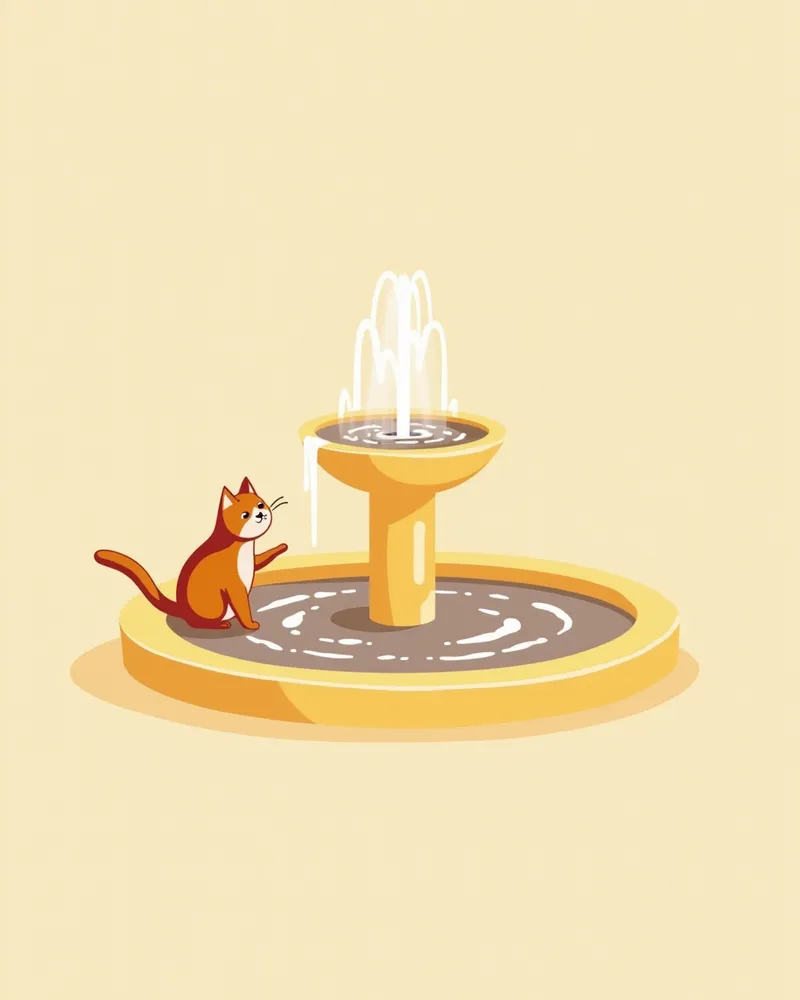
There’s no one-size-fits-all approach to increasing a cat’s water intake; it should be tailored to each cat’s individual preferences and environment. Keep the water bowl in a consistent location, ideally along your cat’s regular pathways. While many cats prefer water close to room temperature over cold water, preferences can vary from cat to cat. If your cat dislikes having its head submerged, choose a bowl with a wide opening. Tracking when your cat drinks can help identify its preferred times, allowing you to adjust when fresh water is available accordingly.
A cat showing curiosity while watching a water fountain

Reviewed by a veterinarian

Dr. Tony — Punnawat Phongkittirak

Dr. Tony — Punnawat Phongkittirak

Veterinarian

A veterinarian who majored in veterinary medicine at Khon Kaen University, Thailand, and completed the IVSA program at North Carolina State University in the United States. Drawing on clinical experience at animal hospitals, he works in the pet healthcare field and is dedicated to building a digital care environment that connects pet parents with veterinarians.

Frequently Asked Questions

My cat isn’t drinking water. What should I do?
Start by thoroughly cleaning the water bowl and replacing the water with fresh water. You might also try a flowing water fountain or a cat-specific water bottle. Cats often prefer water that is closer to room temperature rather than cold, so adjusting the water temperature can be effective. Offering wet food with higher moisture content alongside dry food can also help increase their water intake.
Should I wash the water bowl every day?
Yes, it’s best to clean the water bowl at least once a day. Stagnant water can promote bacterial growth. If your cat seems reluctant to drink, the water may be contaminated.
Why do you need to replace the filter in a water bottle?
Filters play a crucial role in maintaining water quality. Over time, they can become clogged, slowing water flow and allowing bacteria to multiply. It’s generally recommended to replace them every 3 to 6 months.
My cat seems distracted when drinking water. What should I do?
Place water bowls in areas your cat frequents, and keep the water at a temperature close to room temperature. A flowing water fountain can stimulate your cat to drink more often. Try different approaches based on your cat’s preferences.
Is it okay to mount the water bowl on the wall?
Yes, wall-mountable water bottles save space while making it convenient for cats to drink. If your cat needs a calm, focused environment to drink, this product provides a reassuring sense of stability.

Share

Related Guides

References

[1] The Cat, Clinical Medicine and Management, 2nd Edition, 2023

[2] A Professional’s Guide to Feline Behaviour, 2022

[3] International Society of Feline Medicine Consensus Statement on Feline Lower Urinary Tract Disease, 2021

This information is based on veterinary literature and does not replace diagnosis or treatment. Please consult a veterinarian for specific health concerns.

Metapet Co., Ltd. | CEO: Park Sung-yong | Business Reg. No. 417-88-02562 | Seoul, South Korea | Customer Center

How to Get Your Cat to Drink More Water: Tips & Top Picks | Meongsiljang