Like
Share
멍실장
강아지 내분비계 종합 검진 관리 추천 BEST와 고르는 기준 총정리

7 Checkpoints for a Comprehensive Canine Endocrine Checkup Recommended by Veterinarians — Including Selection Criteria

EndocrineTop PicksMeongsiljang Veterinary Advisory Board

A comprehensive endocrine system checkup for dogs is a key test for early detection of diabetes, Cushing’s disease, and thyroid disorders. Keep your pet healthy with regular checkups.

What Is a Comprehensive Canine Endocrine Checkup?
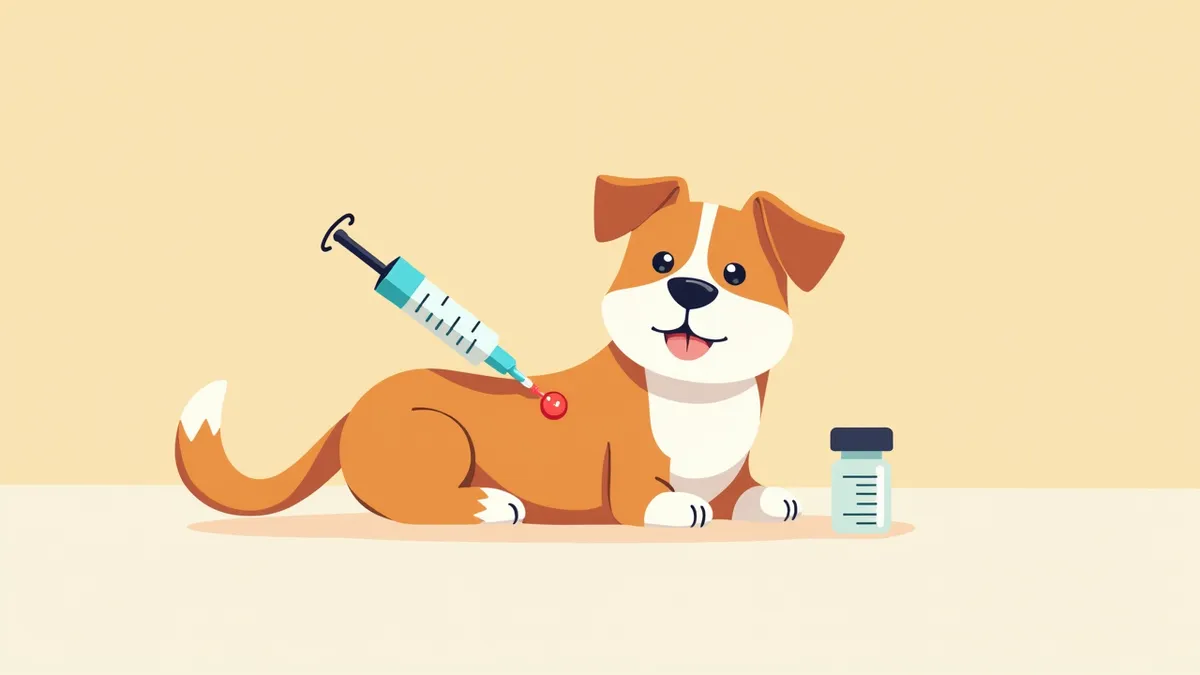
A veterinarian drawing blood from a puppy's vein.
A comprehensive endocrine screening for dogs is a thorough blood test designed to detect hormonal imbalances early on. - Diabetes assessment: Evaluates diabetes through fasting blood glucose and fructosamine levels. Fasting before blood collection is recommended to ensure accurate results. - Thyroid function evaluation: Analyzes T4 and TSH levels to diagnose thyroid dysfunction. - Adrenal cortex function diagnosis: Confirms the presence of hyperadrenocorticism (Cushing’s disease) using baseline cortisol and ACTH stimulation tests, among other methods. This is especially beneficial for breeds with known genetic predispositions, such as Labrador Retrievers and German Shepherds, or older dogs at higher risk. Regular screenings allow for early detection of issues before symptoms appear. A veterinarian will professionally interpret the results in conjunction with the dog’s medical history and physical examination.

Criteria to Check When Choosing an Endocrine Checkup
- Comprehensiveness of the test panel: Ensure the test covers diabetes, thyroid function, and adrenal cortex function. It is crucial to verify whether key hormones and markers—such as blood glucose, fructosamine, T4, TSH, ACTH, and cortisol—are included in the measurements. - Accuracy and reliability: Confirm that the test meets standards recommended by veterinarians and that the equipment and procedures used are standardized. - Support for result interpretation: Check whether the clinic provides professional interpretation of the results and offers opportunities for follow-up consultations. - Storage and transport conditions: Verify that samples are stored and transported safely to maintain integrity. - Cost-effectiveness: Consider whether the test offers accurate results at a reasonable price, ensuring it is a sensible choice for long-term health management.
Endocrine System Screening Checklist

Check 1: Whether a Comprehensive Hormone Panel Is Available
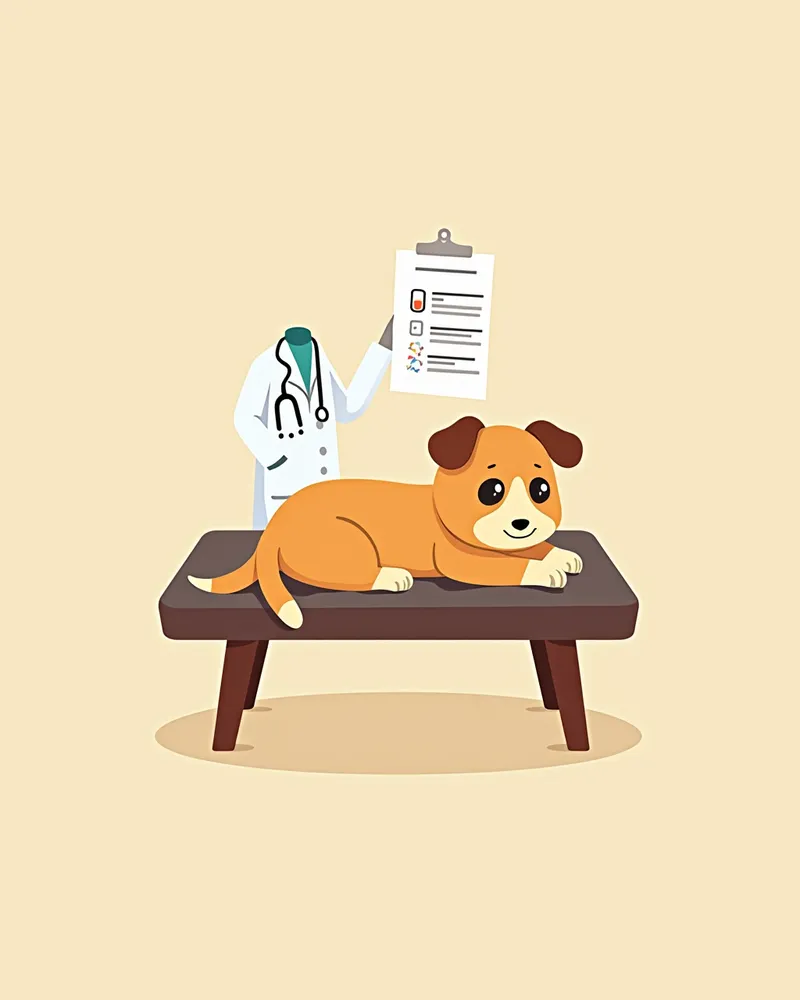
A comprehensive endocrine panel evaluates multiple markers—such as blood glucose, fructosamine, T4, TSH, ACTH, and cortisol—rather than focusing on just one or two hormones. This broad approach is essential for accurately diagnosing conditions like diabetes mellitus, hypothyroidism, and adrenal disorders (including Cushing’s disease and Addison’s disease), as similar clinical signs can stem from different hormonal imbalances. When choosing a veterinary clinic, verify that they can perform all the necessary tests based on your pet’s symptoms and whether they offer follow-up diagnostic procedures, such as stimulation or suppression tests, to further investigate the results.
An informational image explaining whether a comprehensive hormone panel is available.

Check 2: Whether Liver and Kidney Function Are Also Evaluated

Endocrine disorders can interact with other organs, so evaluating not just hormone levels but also liver and kidney function along with a complete blood count (CBC) provides a more accurate picture of overall health. In practice, it is recommended to review a basic database consisting of a CBC, blood chemistry panel, and urinalysis when assessing endocrine conditions. Choosing a clinic that includes these routine blood and urine tests in their screening package and comprehensively evaluates the results to assess potential complications allows you to gain more valuable insights from a single check-up.
An image providing guidance on whether liver and kidney function are also being evaluated.

Check 3: Whether Result Interpretation and Retesting Plans Are Provided

Endocrine test results often fall within borderline ranges, making it difficult to confirm a diagnosis based on a single test. Therefore, it is crucial to have a veterinarian interpret the results, determine if further testing is needed, and provide guidance on when to schedule follow-up tests. Since many endocrine conditions require lifelong medication and dietary management once diagnosed, it is advisable to choose a clinic that regularly monitors hormone levels and adjusts dosages after treatment begins. Clinics that offer thorough result explanations and comprehensive follow-up plans tend to provide more stable long-term care.
An image providing guidance on how to interpret the results and outlining a plan for follow-up testing.

Checklist for Choosing a Clinic for a Comprehensive Endocrine Checkup

ItemRecommended Criteria
Test scopeA place that covers blood glucose, fructosamine, T4, TSH, ACTH, and cortisol
Accompanying evaluationA place that also checks liver and kidney function
Follow-up managementA place that guides result interpretation and a retesting plan
Result interpretationA place where the veterinarian personally explains the test results and guides the management plan
Cost guidanceA place that informs you in advance of estimated costs and the possibility of additional testing before the exam

This is not a table recommending a specific clinic, but criteria worth checking when choosing a clinic to entrust with testing. Prices and detailed programs vary by clinic, so inquire directly before visiting.

Note: Fasting Is Required Before the Checkup

Endocrine system examinations should be performed on an empty stomach to obtain accurate results. Do not feed your pet for 12 hours before the exam, but water is allowed. Failure to fast may distort blood glucose levels and lead to diagnostic errors. Be sure to follow your veterinarian’s instructions.

Post-Checkup Care Tips

Please follow your veterinarian’s recommendations based on the check-up results. If any abnormalities are detected, additional tests or medication may be necessary. Regular check-ups allow for early detection of disease signs and timely intervention. Daily care, including dietary management, exercise, and weight control, should also be maintained. Consistent care is essential for maintaining a healthy life. Keeping records of the results will make long-term health tracking much easier.
A glimpse into the daily routine of caring for a healthy puppy

Reviewed by a veterinarian

Dr. Tony — Punnawat Phongkittirak

Dr. Tony — Punnawat Phongkittirak

Veterinarian

A veterinarian who majored in veterinary medicine at Khon Kaen University, Thailand, and completed the IVSA program at North Carolina State University in the United States. Drawing on clinical experience at animal hospitals, he works in the pet healthcare field and is dedicated to building a digital care environment that connects pet parents with veterinarians.

Frequently Asked Questions

Should I have my newly adopted puppy undergo an endocrine system checkup?
It’s a good idea to have your newly adopted puppy undergo a basic health checkup with a veterinarian to rule out any underlying conditions. Whether a comprehensive endocrine system evaluation is necessary depends on the dog’s age, overall health, and breed-specific genetic predispositions, so work with your vet to determine the right timing for this assessment.
How often should endocrine system screenings be performed?
There’s no one-size-fits-all schedule for routine check-ups. Older dogs, breeds with genetic predispositions, or those showing suspicious symptoms should be checked more frequently. Please consult your veterinarian to determine the most appropriate screening interval for your dog’s individual needs.
I have a puppy that’s showing a poor response after the blood test.
Temporary anxiety or fatigue are common reactions. Allow your pet to rest for 1–2 hours after the examination and ensure they have access to water. If severe symptoms persist, please contact your veterinarian.
Is it sufficient to measure blood sugar levels using a home care kit?
Home care kits can be a helpful supplement for regular monitoring, but a comprehensive checkup at a quality-controlled veterinary clinic or laboratory is essential for accurate diagnosis and interpretation. It’s best to use both approaches while relying on your veterinarian’s test results as the definitive basis for diagnosis.
Health check-ups can be expensive. How can I save on the cost?
The cost of testing can vary significantly depending on the clinic, the specific tests performed, and your pet’s condition. For an exact estimate, please contact the clinic directly before the examination.

Share

Related Guides

References

[1] Notes on Canine Internal Medicine, 4th Ed. 2023. Elsevier.

[2] Plumb's Veterinary Drug Handbook, 9th Ed. 2022. Wiley.

[3] American Veterinary Medical Association. (2021). Guidelines for Canine Endocrine Screening. AVMA Press.

This information is based on veterinary literature and does not replace diagnosis or treatment. Please consult a veterinarian for specific health concerns.

Metapet Co., Ltd. | CEO: Park Sung-yong | Business Reg. No. 417-88-02562 | Seoul, South Korea | Customer Center

7 Vet Checkpoints for a Canine Endocrine Checkup + Criteria | Meongsiljang