
Complete Guide to Choosing and Managing Urethral Catheterization in Dogs: Top Recommendations and Selection Criteria
Proper management of urinary catheterization in dogs is essential for preventing infections and ensuring stable urination. Choosing the right products and care methods is crucial.
Proper Management of Urethral Catheterization in Dogs Is Key to Preventing Infection

Criteria for Selecting the Best Urethral Catheterization Management Products for Dogs
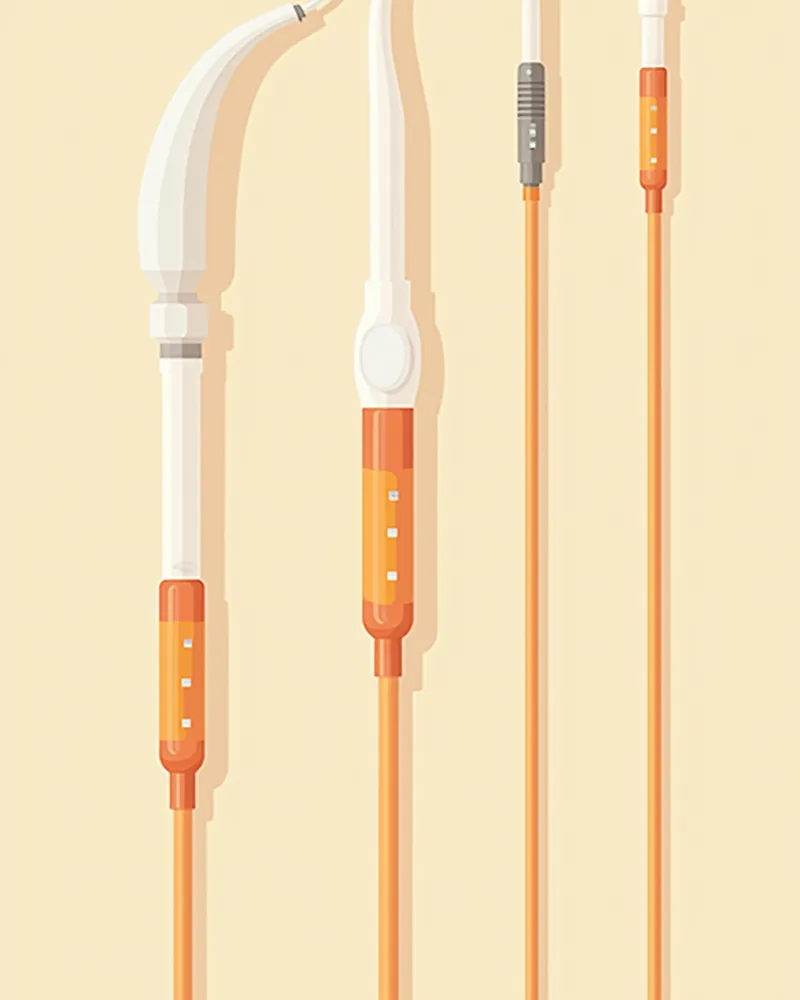
BEST 1: Sterile Polyurethane Catheter System
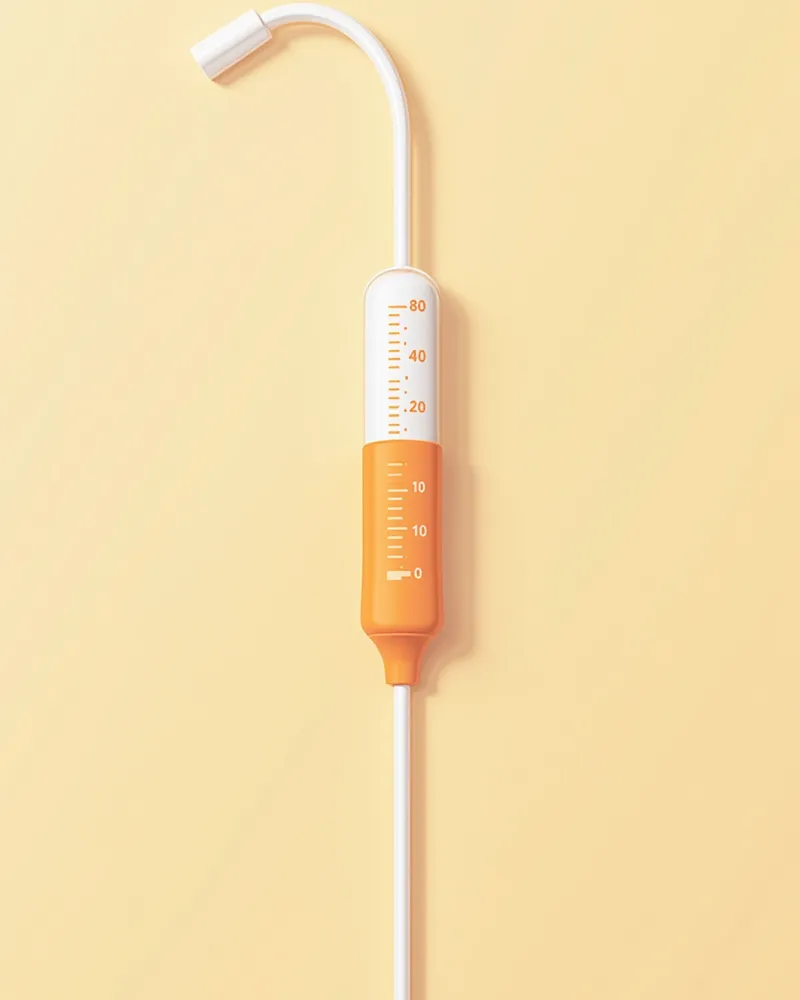
BEST 2: Low-Irritation Polysiloxane Catheter
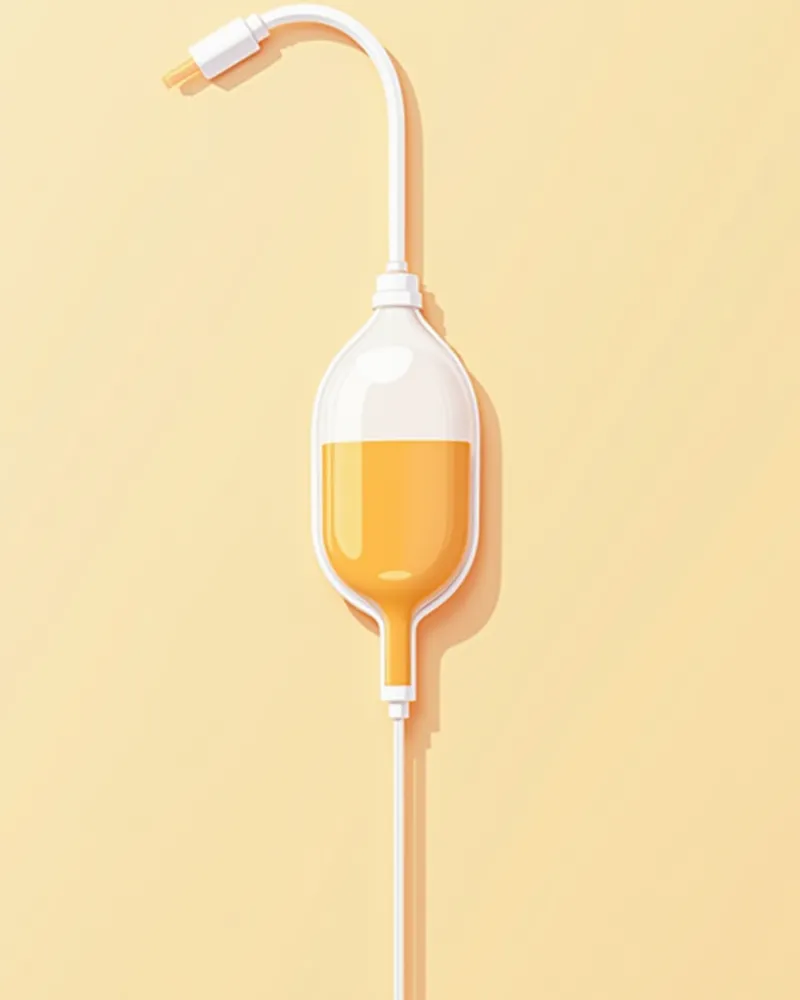
BEST 3: Cost-Effective Disposable Catheter Set
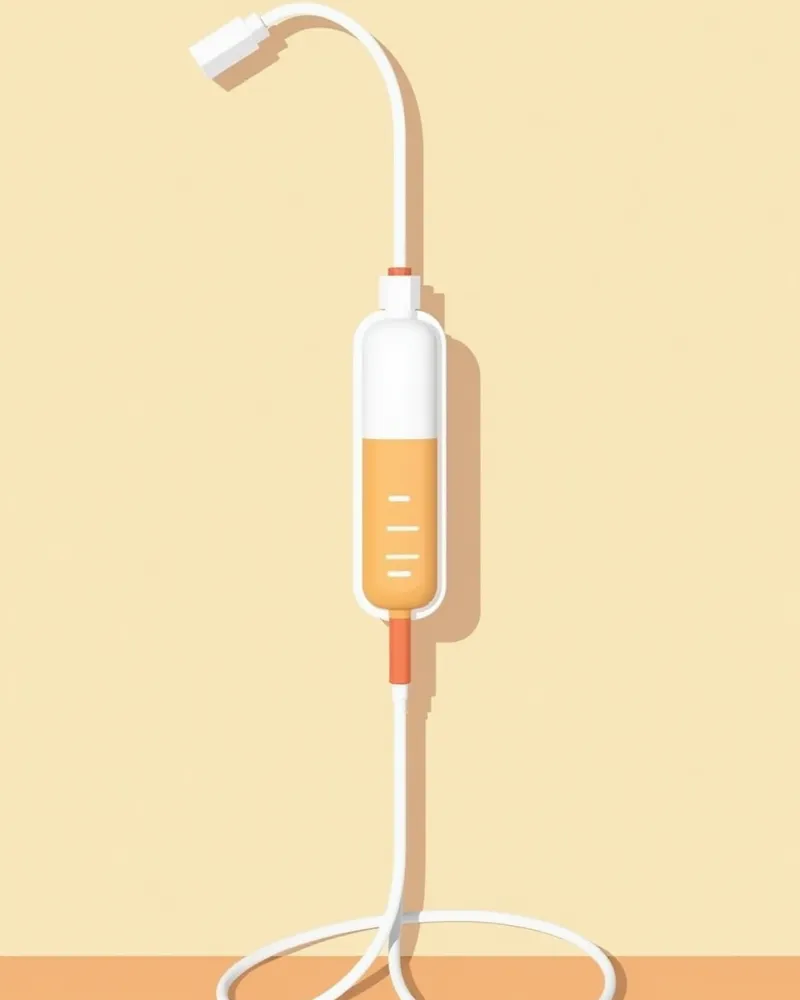
Comparison of BEST 1–3 Urethral Catheterization Management Products
| Item | BEST 1 (polyurethane) | BEST 2 (polysiloxane) | BEST 3 (economy) |
|---|---|---|---|
| Material | Polyurethane | Polysiloxane | Polyurethane |
| Suitability for Long-term Use | Suitable | Suitable | Unsuitable |
| Urethral Irritation (cellular changes) | Low | Medium | Low |
| Cost | High | Medium | Low |
| Recommended Timing | Short- and medium-term use | Long-term management | Short-term use |
Infection prevention hinges on aseptic technique and maintaining a closed system; it is essential to inspect the catheter and collection system at least every 8 hours and to check skin condition.
Caution: Visit the Vet Immediately If Signs of Infection Appear
If your dog develops a fever, frequent urination, blood in the urine, or shows signs of pain while urinating after urethral catheterization, there may be an infection. This can become an emergency, so you should consult your veterinarian immediately. If the infection progresses, it can lead to cystitis or pyelonephritis. According to veterinary textbooks, failure to address early symptoms can prolong treatment and increase the risk of complications. Also, watch for signs of infection such as redness around the skin, discharge, or changes in urine clarity.
Tips for Managing Urethral Catheterization in Dogs

Reviewed by a veterinarian

Dr. Tony — Punnawat Phongkittirak
VeterinarianA veterinarian who majored in veterinary medicine at Khon Kaen University, Thailand, and completed the IVSA program at North Carolina State University in the United States. Drawing on clinical experience at animal hospitals, he works in the pet healthcare field and is dedicated to building a digital care environment that connects pet parents with veterinarians.
Reviewed 2026-06-29
Frequently Asked Questions
What should be checked within 24 hours after inserting a urethral catheter?
Do catheters need to be changed frequently?
What should I do if my pet gets an infection?
Is it possible to manage a catheter at home?
My dog seems anxious after the catheter was inserted. What should I do?
Share
Related Guides

Top 5 Prescription Diets for Feline FLUTD — Comparison by Struvite and Calcium Oxalate Stones

Top 7 Prescription Diets for Feline Bladder and Urinary Tract Health Recommended by Veterinarians — Including Selection Criteria

Top 5 Cranberry Urinary Supplements for Dogs — Preventing Cystitis

Top Recommended Indoor Flea Removal Management for Cats and Selection Criteria

Top Recommended Products for Feline Echinococcosis Management and Selection Criteria

Top 3 Recommended Products for Feline Ear Mite Management and Selection Criteria

Top 3 Recommended Strategies and Selection Criteria for Differentiating and Managing Feline Ringworm and Parasitic Infections

Top 3 Recommended Products for Feline Cryptosporidiosis Management and Selection Criteria

Cat Combination Dewormer Selection Guide: Recommended BEST Products and Key Selection Criteria

Top Recommended Feline Coccidiosis Management Products and Selection Criteria
References
[1] Advanced Monitoring for Small Animal Emergency and Critical Care, 2nd Ed, 2023
[2] Small Animal Critical Care Medicine, 3rd Ed, 2022
[3] Plumb's Veterinary Drug Handbook, 9th Ed, 2021