Like
Share
멍실장
고양이 놀이 공격성 고양이 관리 추천 BEST와 고르는 기준 총정리

7 Best Products Recommended by Veterinarians to Alleviate Play Aggression in Cats

Brain & CognitionTop PicksMeongsiljang Veterinary Advisory Board

Play aggression in cats is a behavior where their hunting instinct becomes overly expressed during play. It can be effectively managed through proper toy selection and a five-step training method.

What Is Play Aggression in Cats?
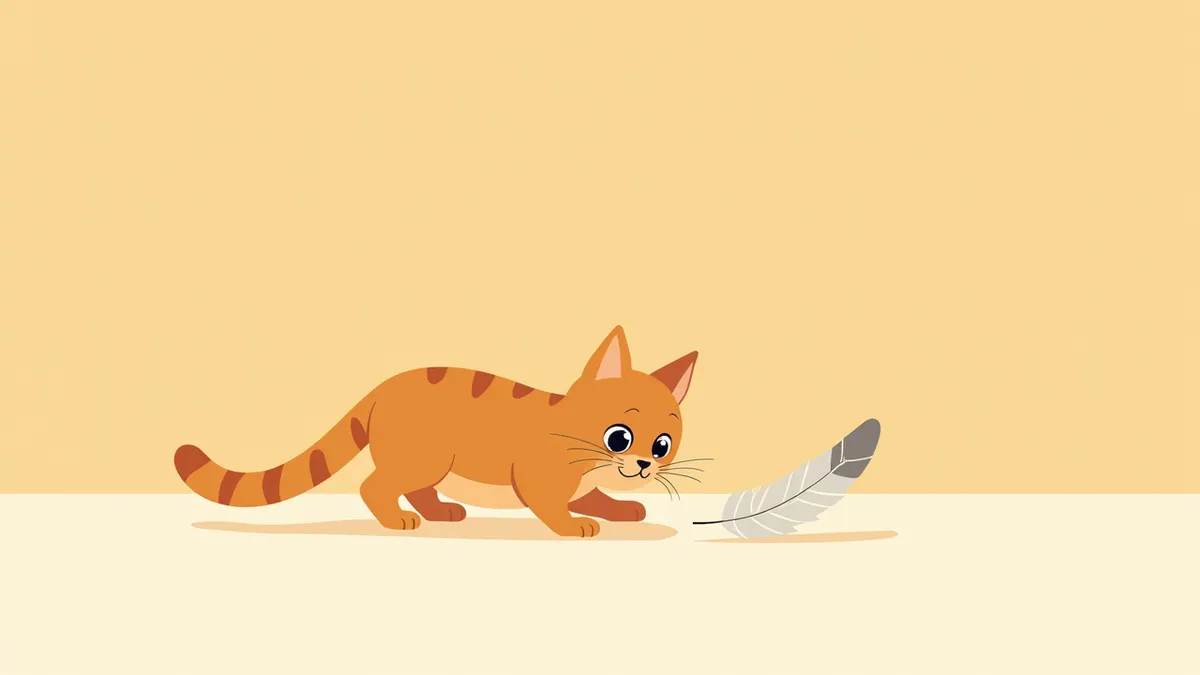
A cat displaying a playful aggressive posture while staring at a toy
Play aggression in cats occurs when their natural hunting instincts become overexpressed during play, leading them to bite or scratch their owners or other cats. This behavior isn’t driven by malice like true aggression; rather, it resembles “overexcited play behavior,” which is common in kittens and young adult cats. The key is to establish a routine of regular play sessions using appropriate toys instead of hands or feet from an early age. Consistently providing interactive toys and engaging in play that doesn’t involve direct contact with your hands can help reduce and manage this behavior.

Play Aggression vs. True Aggression — How to Tell the Difference
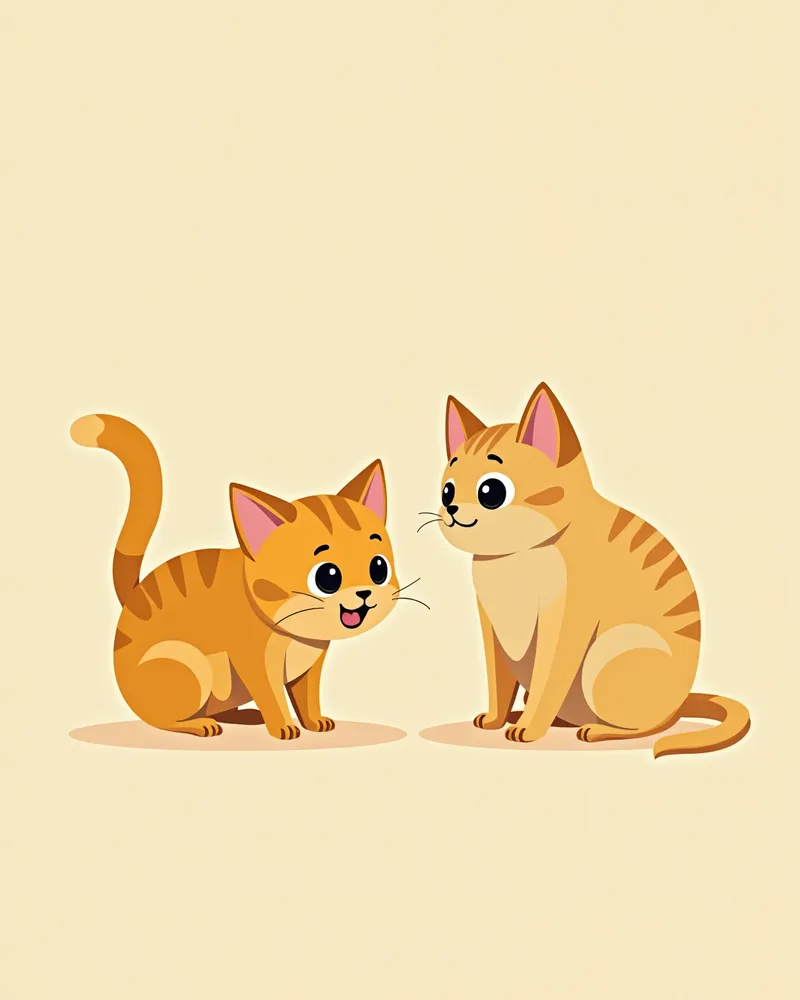
Distinguishing between these two is key to choosing the right management approach. Signs of Play Aggression: - The cat bites or scratches, then immediately runs away or dives back in. - It crouches low and stalks toward a moving target before pouncing. - Attacks are quiet, without growling, snapping, or obvious threatening postures. Signs of True Aggression: - Ears are pinned flat back and the hackles are raised. - Growling and snapping are present. - After the attack, the cat remains in place, maintaining a threatening posture.
Comparing Playful Aggression Postures with Defensive Aggression Postures

When to Consult a Veterinary Behavior Specialist First

Even if the behavior appears to be play aggression, professional consultation should come first. If the bite wounds are deep or the frequency of aggressive incidents has suddenly increased, it is safer to consult a veterinary behavior specialist before attempting to manage the situation at home, especially if there are young children or elderly individuals in the household.

5 Criteria for Choosing Management Products

Here are the key criteria to consider when selecting products for play aggression.
Hunting satisfaction: Prioritize items that move irregularly, mimicking prey.
Independent play: The toy should be usable alone, without owner involvement.
Durability: Choose materials that won’t break into pieces when chewed or torn.
Appropriate size: Items that are too small pose a choking hazard, while those that are too large may fail to hold interest.
Feeder compatibility: Products that allow for post-hunt reward experiences are more effective.

BEST 1 — Wand-Style Toys (Directly Satisfy Hunting Instincts)
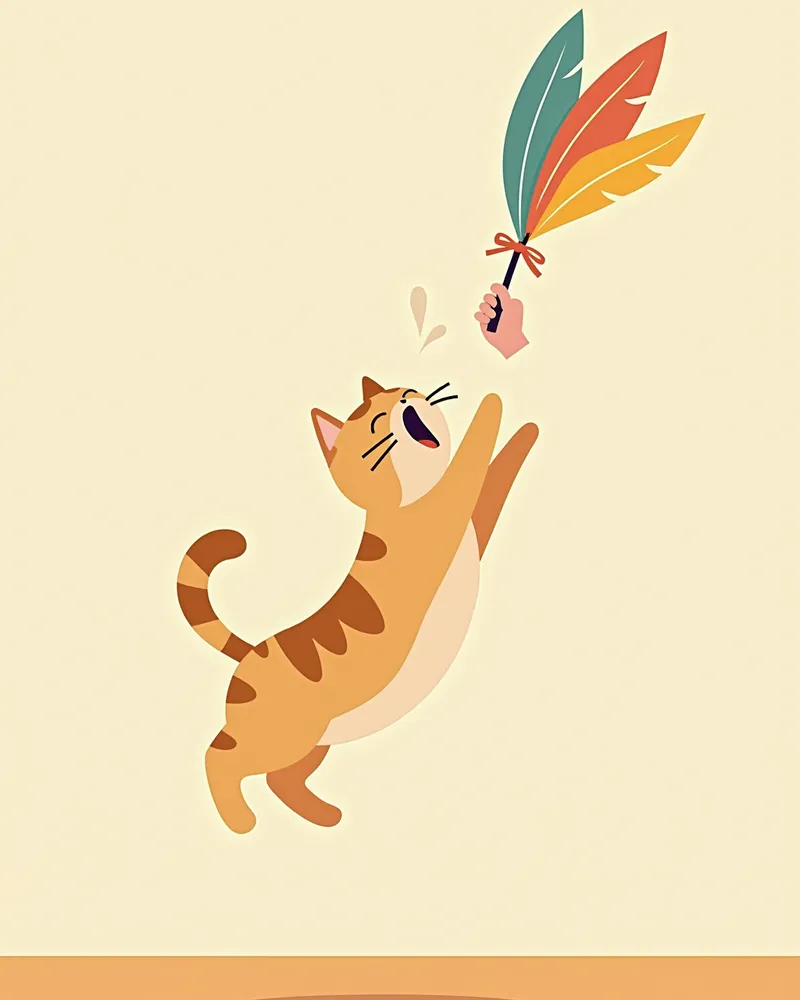
Wand-style toys are the most effective way to satisfy your cat’s hunting instincts, as you can actively control the movement. Look for models with interchangeable heads shaped like feathers, mice, or insects.
Recommended usage: Play twice a day for 10–15 minutes per session. End each playtime by allowing your cat to “catch” the toy, followed by a treat.
Caution: The string or loose feather pieces can be dangerous if swallowed, so always store the toy in its case after use.
A cat jumping toward a fishing rod toy

BEST 2 — Electric/Automatic Toys (For Independent Play)

These toys are great for when you’re away from home. The more unpredictable the movement, the more effectively they stimulate your cat’s hunting instincts. What to look for: - Choose products with an automatic shut-off feature for safety. - Excessively loud noises may frighten your cat. - USB-rechargeable models are more convenient than those using disposable batteries. Providing ample independent playtime without direct human interaction helps reduce and manage your cat’s tendency to treat people as prey.

BEST 3 — Tunnels, Cat Trees, and Hiding Beds (Relieve Ambush Instincts)

A significant portion of feline play aggression stems from their instinct to ambush prey. Providing hiding spots such as tunnels, cat trees, or enclosed beds redirects this behavior toward the environment rather than their owners.
Placement Tips: Positioning a cat tree near a window satisfies their desire to observe their surroundings. Placing a tunnel along high-traffic areas where owners frequently pass encourages natural use.

5-Step Behavior Modification Method for Play Aggression
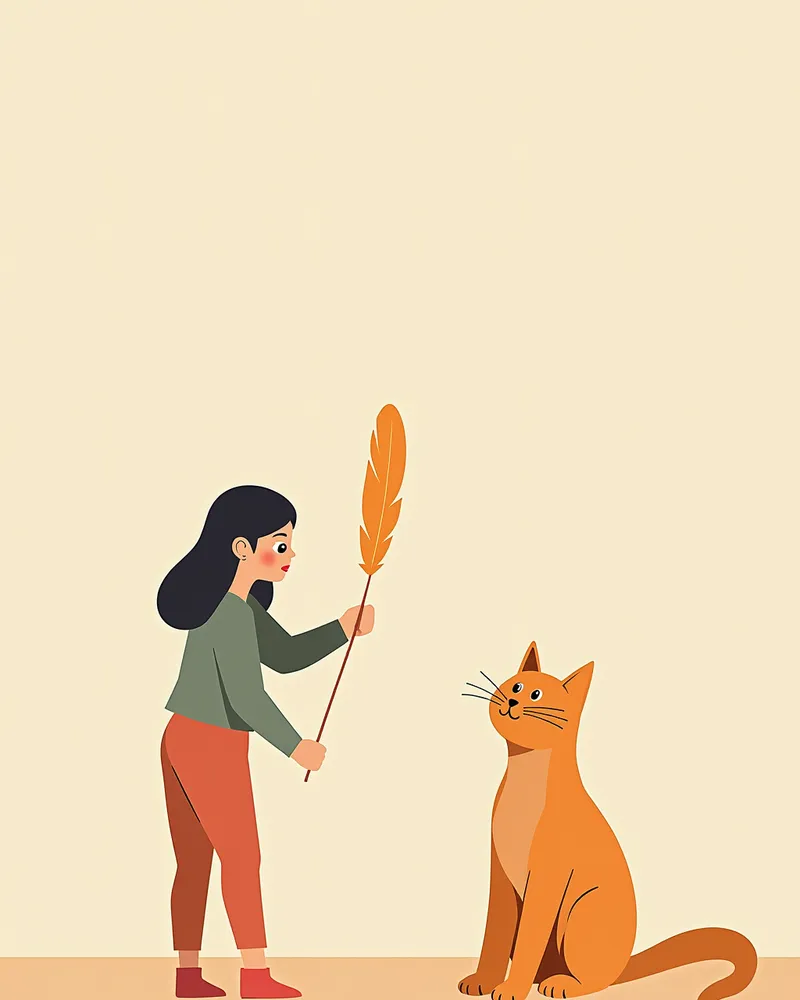
Step 1: No hand or foot play—playing with body parts teaches your cat to view you as prey. Step 2: Read pre-attack signals—when you see tail wagging, hip swaying, or a fixed stare, bring out a toy. Step 3: Daily play sessions—engage in regular, 20–30 minute hunting-style play every day. Step 4: Complete the hunting cycle—finish play by giving a treat to complete the hunt, catch, and consume cycle. Step 5: Stay calm if bitten—yelling or pushing increases excitement. Quietly remove yourself from the situation.
A guardian playing properly with a cat using a fishing rod toy

When Aggression Requires Veterinary Treatment

Even if the behavior initially appeared to be play aggression, it may be difficult to manage with simple interventions in the following situations: if the aggression occurs very frequently and is escalating in intensity, if it is accompanied by threat signals such as growling or snapping, or if there is no improvement despite consistent management. In such cases, the behavior may not be simple play aggression. Since underlying pain or medical conditions could be the cause, it is safest to consult a veterinary behavior specialist to accurately identify the root cause.

Reviewed by a veterinarian

Dr. Tony — Punnawat Phongkittirak

Dr. Tony — Punnawat Phongkittirak

Veterinarian

A veterinarian who majored in veterinary medicine at Khon Kaen University, Thailand, and completed the IVSA program at North Carolina State University in the United States. Drawing on clinical experience at animal hospitals, he works in the pet healthcare field and is dedicated to building a digital care environment that connects pet parents with veterinarians.

Frequently Asked Questions

Is your cat biting your hand out of playfulness, or is it a genuine attack?
Most cases are playful aggression. If your pet bites or scratches and then immediately runs away or re-engages, it’s driven by a desire to play. However, if growling or snarling accompanies the behavior and your pet guards the area afterward, it’s more likely defensive aggression.
Do kittens who bite a lot when they’re young stop biting as they grow up?
This behavior often naturally decreases as cats reach maturity. However, if they were accustomed to playing with hands and feet during kittenhood, the habit may persist into adulthood. It’s a good idea to start training them to use toys as alternatives now.
How much playtime should my pet get each day?
We recommend engaging in prey-drive play 2 to 3 times a day, for 10 to 15 minutes per session. A total of 20 to 30 minutes is sufficient. Excessive play can lead to over-arousal, which may increase aggressive behavior.
Does neutering reduce aggression?
It may help with hormone-related aggression. However, since play aggression is primarily driven by learning and environmental factors, neutering alone often isn't enough. Behavioral training should be implemented alongside the procedure.
I have multiple pets, and they’re attacking each other. What should I do?
A reintroduction process is necessary, starting with scent exchange after a temporary separation. Keeping food bowls, litter boxes, and sleeping areas separate for each pet can reduce territorial disputes. If there is no improvement, we recommend consulting a veterinary behavior specialist.

Share

Related Guides

References

[1] Rodan I, Heath S (eds.), Feline Behavioral Health and Welfare, Elsevier, 2016

[2] Landsberg G, Hunthausen W, Ackerman L, Behavior Problems of the Dog and Cat, 3rd ed., Saunders Elsevier, 2013

[3] Horwitz DF (ed.), Blackwell's Five-Minute Veterinary Consult Clinical Companion: Canine and Feline Behavior, 2nd ed., Wiley-Blackwell, 2018

[4] Shaw JK, Martin D (eds.), Canine and Feline Behavior for Veterinary Technicians and Nurses, Wiley-Blackwell, 2015

This information is based on veterinary literature and does not replace diagnosis or treatment. Please consult a veterinarian for specific health concerns.

Metapet Co., Ltd. | CEO: Park Sung-yong | Business Reg. No. 417-88-02562 | Seoul, South Korea | Customer Center

Vet-Recommended: 7 Products to Ease Play Aggression in Cats | Meongsiljang