
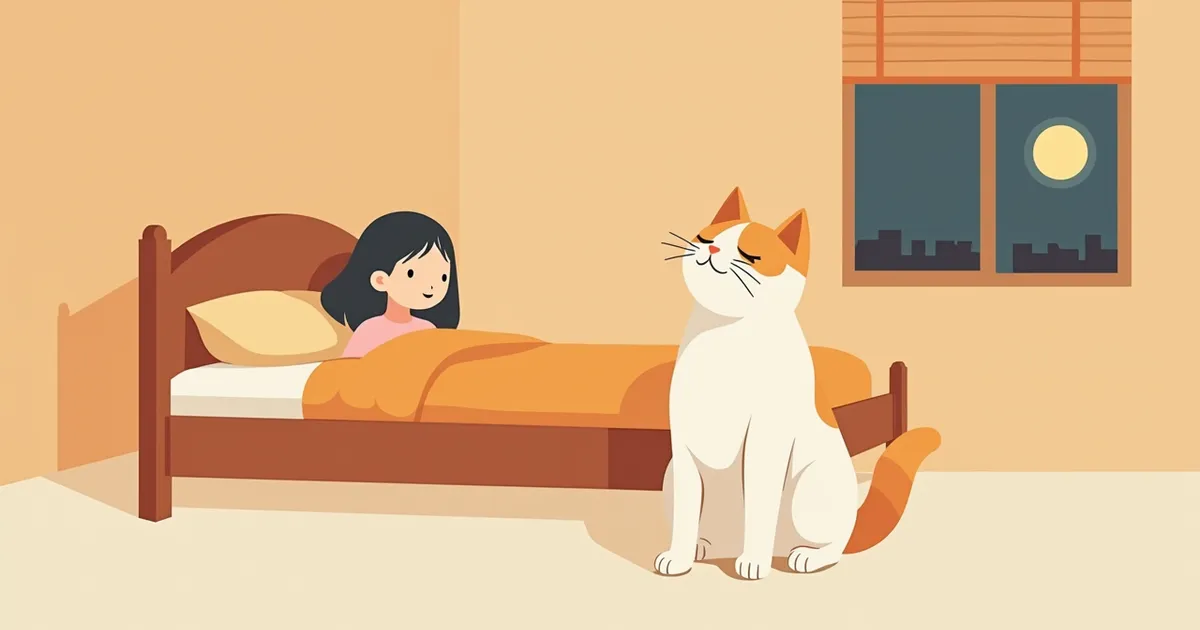
7 Recommended Products to Manage Sleep-Disrupting Behaviors in Cats
We’ve identified the causes of sleep-disrupting behaviors in cats and compiled four veterinary-approved management strategies, from increasing daytime activity to automating feeding.
What Is Sleep-Disrupting Behavior in Cats?
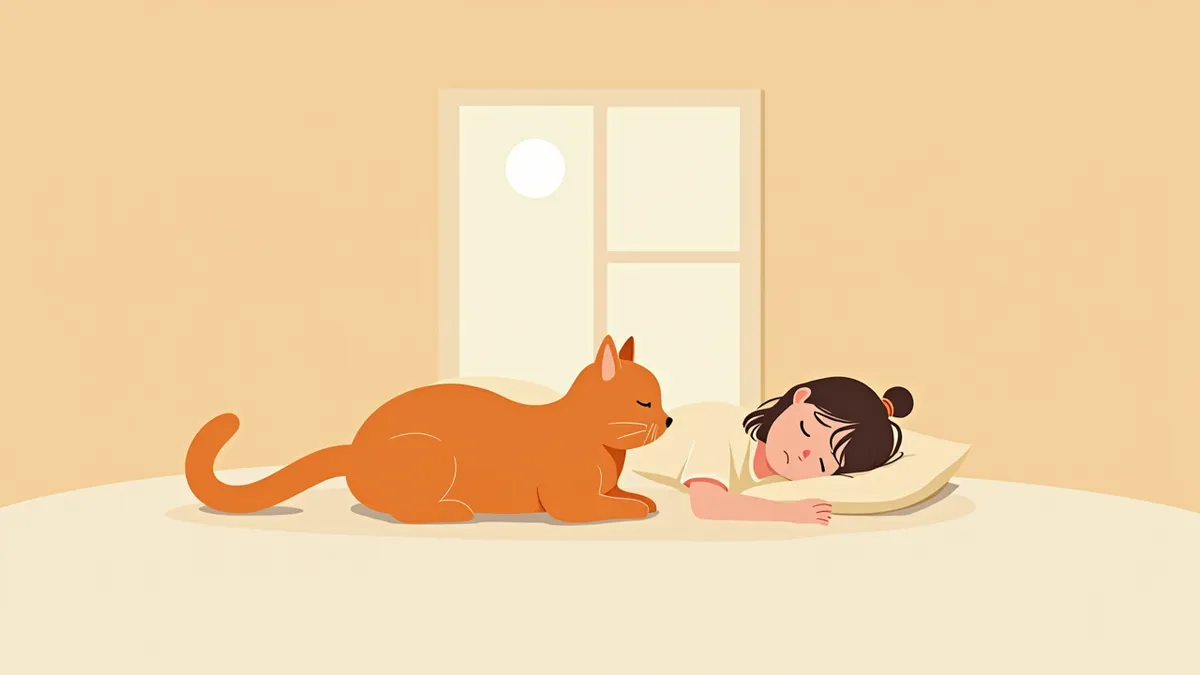
Why Do Cats Exhibit These Behaviors at Night?
Types of Sleep-Disrupting Behaviors — Which Pattern Does Your Cat Follow?
If You See These Signs, Visit the Vet Before Attempting Behavior Modification
If sleep-disrupting behaviors suddenly start, or if they’re accompanied by decreased appetite, weight changes, vomiting, or increased water intake, an underlying medical condition such as pain or hyperthyroidism could be the cause. In senior cats aged seven and older, nighttime vocalization may also indicate cognitive decline. In these cases, a veterinary checkup should come before any behavioral modification.
Management Strategy BEST 1 — Burn Off Energy with Focused Play Before Bedtime

Management Strategy BEST 2 — Establish a Consistent Hunt→Eat→Sleep Routine
Management Strategy BEST 3 — Separate the Sleeping Space

Management Strategy BEST 4 — Automate Feeding Schedules
What to Avoid: Actions That Make It Worse
Giving your pet food, letting them into the room, or yelling in response to their crying all serve as rewards because they reinforce the behavior by providing attention. Even scolding is perceived as a form of engagement, so the key is to withhold any kind of reaction. However, before ignoring the behavior, it’s essential to rule out any underlying pain or medical conditions.
Reviewed by a veterinarian

Dr. Tony — Punnawat Phongkittirak
VeterinarianA veterinarian who majored in veterinary medicine at Khon Kaen University, Thailand, and completed the IVSA program at North Carolina State University in the United States. Drawing on clinical experience at animal hospitals, he works in the pet healthcare field and is dedicated to building a digital care environment that connects pet parents with veterinarians.
Reviewed 2026-06-01
Frequently Asked Questions
How long will it take to see improvement after starting the management plan?
My older cat has suddenly started crying out at night.
Does sleeping in the same bedroom worsen sleep disturbances?
Is there a reason why unspayed or unneutered cats tend to vocalize more at night?
My two cats keep running around the house at night. What should I do?
Share
Related Guides

7 Behavioral Enrichment Strategies for Mental Stimulation Recommended by Veterinarians

Top 5 Calming Supplements for Dogs and Cats in 2026

L-Theanine Effects and Calming Support
Top Recommendations and Selection Criteria for Canine Bladder Ultrasound Care
Comprehensive Guide to Recommended Products and Selection Criteria for Feline Ureteral Bypass (SUB) Care

The Ultimate Guide to Recommended Feline Struvite Stone Management Products and Selection Criteria
Best Recommendations and Selection Criteria for Monitoring Your Dog’s Respiratory Rate (RR) During Sleep for Heart Care

Top Recommended Nebulizer Therapy Management for Dogs and Selection Criteria

Top Recommendations and Selection Criteria for Canine Nasal Tumor Management

Top Recommended Products and Selection Criteria for Managing Canine Influenza in Dogs
References
[1] Amat, M., Camps, T. and Manteca, X. (2015). Stress in owned cats: Behavioural changes and welfare implications. Journal of Feline Medicine and Surgery, 18(8), pp. 577–586.
[2] Bowen, J. and Heath, S. (2005). Behaviour Problems in Small Animals: Practical Advice for the Veterinary Team. Saunders Elsevier.
[3] Rodan, I. and Heath, S. (eds.) (2016). Feline Behavioral Health and Welfare. Elsevier.