Like
Share
멍실장
고양이 치은염 관리 추천 BEST와 고르는 기준 총정리

7 Vet-Recommended Feline Gingivitis Management Products and Selection Criteria

Oral HealthTop PicksMeongsiljang Veterinary Advisory Board

Feline gingivitis is an inflammation of the tissues surrounding the teeth, which can cause pain and a decreased appetite. Here’s a guide on how to choose effective management products, along with our top three recommendations.

Feline Gingivitis Is an Inflammation of the Tissues Surrounding the Teeth

A cat's gums with red inflammation and teeth covered in tartar
Feline gingivitis is an inflammation of the gum tissue, primarily caused by plaque (dental biofilm) and bacteria accumulating on the teeth, along with the gums’ inflammatory response to these irritants. This condition causes pain, leading cats to show reluctance when eating. You may also notice bad breath, dropping food, chewing on only one side, or excessive drooling. Gingivitis is reversible if detected and managed early; however, delaying treatment can allow the condition to progress into periodontal disease, potentially resulting in tooth loss. - Consistent home care: Daily oral hygiene practices at home, such as brushing, are essential for preventing and alleviating gingivitis. - Professional veterinary care: Regular professional treatments, including anesthesia-assisted scaling and polishing, are necessary alongside home care. - Cat acceptance: For consistent management, it’s crucial that the cat accepts the care routine without resistance.

Key Information: Managing Feline Gingivitis
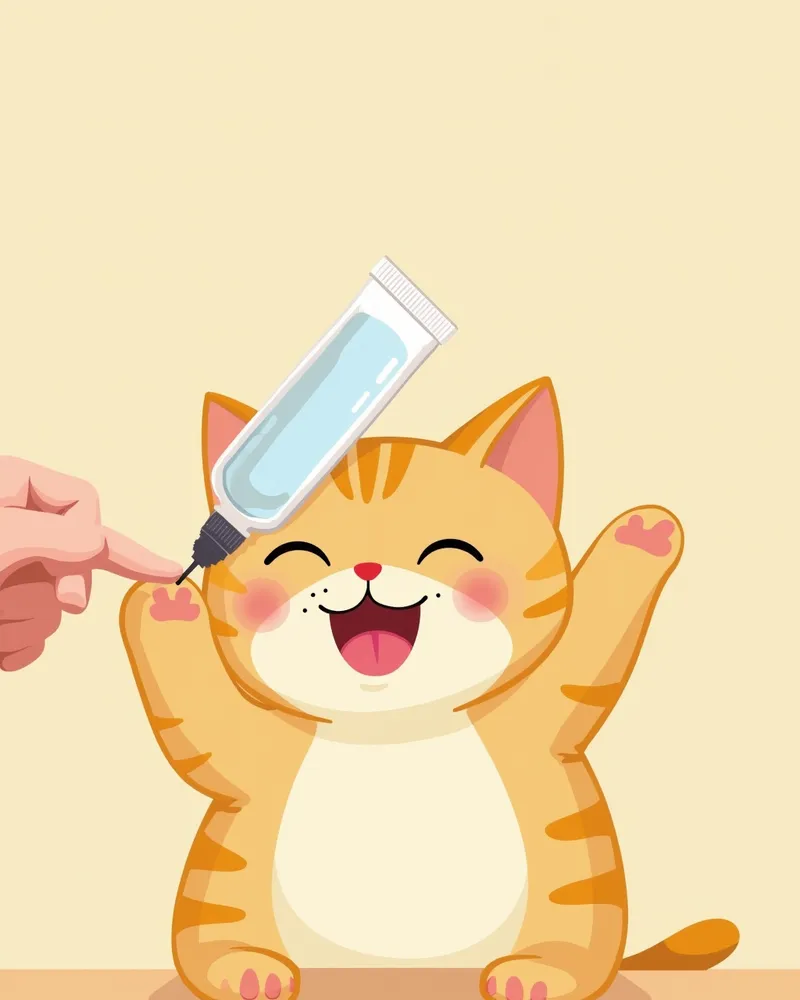
The most evidence-based approach to managing feline gingivitis is daily home care, such as brushing, combined with regular professional dental cleanings. When considering supplementary products, carefully evaluate their efficacy, safety, ease of administration, and your cat’s acceptance.
Verify scientific evidence: Many oral supplements on the market lack sufficient evidence of effectiveness, so it’s important to review them carefully and consult your veterinarian.
Safety: Never use human toothpaste, as it contains detergents, foaming agents, and fluoride. Always ensure the product is specifically formulated for cats and safe if swallowed.
Cat acceptance: The product must be one your cat will tolerate, ensuring consistent use.
Ease of use: Choose formats that are practical for consistent home application, such as sprays, gels, or brushing aids.
A cat licking toothpaste off its paw

Key Information 1: Symptoms and Urgency of Gingivitis
Feline gingivitis is a condition characterized by inflammation of the gums. Typical signs include red, swollen gums that may bleed, along with severe bad breath. You should suspect gingivitis if your cat has difficulty eating, stops chewing mid-meal, drops food, drools frequently, or repeatedly scratches at its face or mouth with its front paws. In severe cases, pain can lead to a sharp decline in appetite and subsequent weight loss. If left untreated, gingivitis can progress to periodontitis, which affects the entire periodontal tissue structure. Bone loss at this stage is generally irreversible. Therefore, it is best to visit a veterinary clinic as soon as you notice any of these symptoms.
An informative image about the symptoms and urgency of gingivitis

Key Information 2: Diagnosis and Treatment Options
Veterinarians assess the extent of inflammation and the condition of the teeth through oral visual examinations and dental radiographs. The treatment approach varies depending on the underlying cause, with dental scaling and periodontal therapy forming the foundation of care. If a bacterial infection is present, veterinarians may prescribe antibiotics or anti-inflammatory medications. Extraction may be necessary in cases of tooth resorption lesions or severe periodontal destruction. For immune-mediated conditions such as feline chronic gingivostomatitis (FCGS), multiple extractions or immunomodulatory therapy may be considered. All treatment plans are determined following a veterinary diagnosis.
Guide image on diagnosis and treatment options

Key Information 3: Management and Precautions

Regular dental checkups and professional cleanings remain important even after treatment. At home, you can try brushing your cat’s teeth using the method recommended by your veterinarian, but be sure to use a toothbrush and toothpaste specifically designed for cats. Never use human toothpaste, as it can be harmful. While there are many oral care supplements available on the market, their effectiveness and safety vary by product. Rather than purchasing supplements on your own, it’s safer to consult with your veterinarian to choose the most appropriate approach. Dietary adjustments may also be necessary, so ask your vet whether a prescription diet is recommended for your cat.
Guidance image related to care and precautions

What Owners Should Know About Feline Gingivitis

ItemKey points
SymptomsGum redness/bleeding, severe bad breath, decreased appetite
CauseTartar buildup, bacterial infection, immune-mediated reaction, etc.
DiagnosisAssessed by oral visual examination plus dental radiography
TreatmentCause-specific measures such as scaling, extraction, and veterinarian-prescribed medication
CautionRefrain from using unauthorized supplements; regular oral checkups are essential

This is not a table recommending specific products or clinics, but criteria to reference when consulting your veterinarian. Always make treatment and testing decisions together with your veterinarian through an examination.

Precautions: Avoid Overuse

Gingivitis management products vary in their evidence for efficacy and safety, so use them strictly according to the labeled instructions and your veterinarian’s guidance. Do not arbitrarily increase the dosage or frequency of application. If your cat refuses to open its mouth, drools excessively, or stops eating, discontinue use immediately and consult your veterinarian.

Usage Tips and Management Methods

Managing feline gingivitis requires more than just using products; daily care is equally important. Try to brush your cat’s teeth every day and make it a habit to frequently check the condition of their gums.
Regular Checks: Once a week, visually inspect the gums for changes in color, swelling, or bleeding.
Home Brushing: Consistently brush using a toothbrush and toothpaste specifically designed for cats.
Careful Selection of Supplements: Many products lack clear evidence of efficacy, so consult your veterinarian before choosing one.
Veterinary Visits: Regular oral examinations and professional dental cleanings are recommended.
A cat drinking water

Reviewed by a veterinarian

Dr. Tony — Punnawat Phongkittirak

Dr. Tony — Punnawat Phongkittirak

Veterinarian

A veterinarian who majored in veterinary medicine at Khon Kaen University, Thailand, and completed the IVSA program at North Carolina State University in the United States. Drawing on clinical experience at animal hospitals, he works in the pet healthcare field and is dedicated to building a digital care environment that connects pet parents with veterinarians.

Frequently Asked Questions

Can feline gingivitis be treated?
Yes, gingivitis is reversible, so daily home care like brushing and regular professional cleanings can help alleviate or even reverse the condition. However, if the inflammation has progressed to severe periodontitis, veterinary diagnosis and treatment will be necessary.
Can I manage it with treats alone?
Treats and supplements alone aren’t enough. The most evidence-based approach is daily toothbrushing combined with regular professional dental cleanings. Use supplementary products only as adjuncts, not as replacements for these core practices.
Is it safe for my pet to take this product?
Because ingredients and safety profiles vary from product to product, you can’t assume that all products are safe. Human toothpaste contains detergents, foaming agents, and fluoride, which are unsafe if swallowed, so always use a product specifically formulated for cats and follow the labeled instructions. If you notice any unusual symptoms, consult your veterinarian.
Which product is the most effective?
It’s difficult to definitively say which product is the most effective. Many supplements on the market lack sufficient evidence of efficacy, so it’s best to consult with a veterinarian to choose a method that suits your cat’s condition and preferences.
When should I take my pet to the vet if they develop gingivitis?
If your pet has severe bad breath or shows reluctance to eat, consult your veterinarian immediately, as they may be experiencing significant pain.

Share

Related Guides

References

[1] The Cat, Clinical Medicine and Management, 2nd Edition, 2023

[2] Clinical Medicine of the Dog and Cat, 4th Ed, 2021

[3] Journal of Feline Medicine and Surgery, 2022, Vol. 24, Issue 5

This information is based on veterinary literature and does not replace diagnosis or treatment. Please consult a veterinarian for specific health concerns.

Metapet Co., Ltd. | CEO: Park Sung-yong | Business Reg. No. 417-88-02562 | Seoul, South Korea | Customer Center

7 Vet-Recommended Feline Gingivitis Care Products | Meongsiljang