
Cat Keeps Grooming and Spinning in Circles — 7 Key Strategies to Stop Repetitive Behaviors
Feline compulsive disorder is a condition characterized by repetitive, purposeless behaviors that the cat cannot stop. Common examples include excessive grooming, pica (eating non-food items), and tail-chasing.
What Is Feline Compulsive Disorder?
Which Behaviors Qualify as Compulsive Disorder?
When to Seek Immediate Veterinary Care
Immediate veterinary care is necessary if your pet develops skin wounds or hair loss, ingests a foreign object leading to vomiting or decreased appetite, or exhibits uncontrollable behavior that escalates to self-harm. Even when symptoms appear to be behavioral issues, they may stem from underlying medical conditions such as hyperthyroidism or neurological disorders, so it is essential to rule out physical health problems first.
3 Criteria to Check When Choosing a Management Approach
BEST 1 — Environmental Enrichment: The First and Most Important Step

BEST 2 — Behavior Modification: Change Your Response to Your Cat’s Behavior
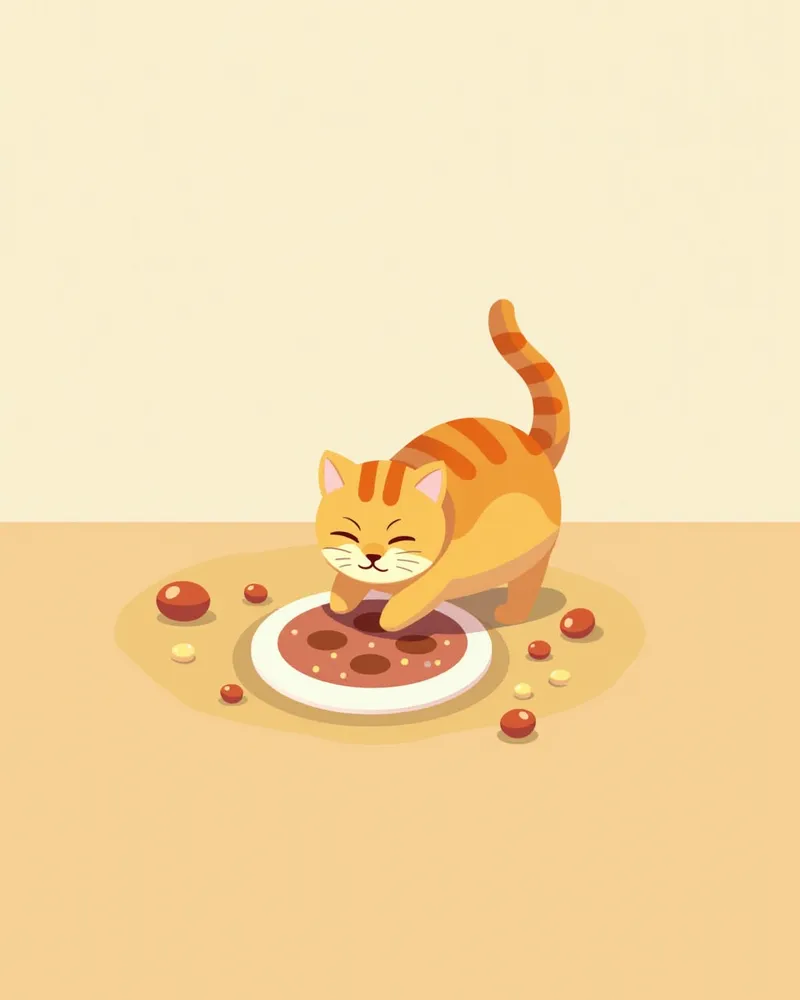
BEST 3 — Pheromones and Supplements: Lower Anxiety Levels
Medication Requires a Veterinarian’s Prescription
If environmental enrichment and behavior modification do not lead to improvement within 4 to 8 weeks, or if the behavior has escalated to self-harm, your veterinarian may consider prescribing fluoxetine or clomipramine. The dosage of these medications varies depending on your pet’s weight and overall condition, and using human medications without veterinary guidance can be fatal. Therefore, it is essential to have your pet diagnosed by a veterinarian and receive a proper prescription.
Reviewed by a veterinarian

Dr. Tony — Punnawat Phongkittirak
VeterinarianA veterinarian who majored in veterinary medicine at Khon Kaen University, Thailand, and completed the IVSA program at North Carolina State University in the United States. Drawing on clinical experience at animal hospitals, he works in the pet healthcare field and is dedicated to building a digital care environment that connects pet parents with veterinarians.
Reviewed 2026-06-01
Frequently Asked Questions
Can repetitive behavior disorders resolve on their own?
How do you tell the difference between overgrooming and regular grooming for cleanliness?
Are kittens weaned early in life more prone to developing repetitive behavior disorders?
What should I do if there’s no improvement at all after more than four weeks of environmental enrichment?
Will introducing a new feline companion help a cat with compulsive disorder?
Share
Related Guides

7 Behavioral Enrichment Strategies for Mental Stimulation Recommended by Veterinarians

Top 5 Calming Supplements for Dogs and Cats in 2026

L-Theanine Effects and Calming Support

Top 5 High-Fiber Dog Foods for Anal Gland Care — Selection Criteria and Feeding Tips Pet Parents Must Know
Top 5 Prescription Recovery Diets for Dogs After Vomiting — A Comparison Guide for Easily Digestible Options
7 Emergency Checklist Items for Cat Poisoning — Signs to Check Immediately After Exposure
Top 5 Senior Cat Supplements Recommended by Veterinarians — Comprehensive Immune and Joint Care

Top 5 Recommended Feline Immune Supplements for 2026 — Beta-Glucan & Lysine
Top 5 Joint Health Supplements for Senior Cats in 2026

Top 5 Freeze-Dried Treats for 2026 — Nutrient Retention & Quality
References
[1] Mills, D.S., Demontigny-Bédard, I., Gruen, M.E. et al. Introduction to Animal Behavior and Veterinary Behavioral Medicine. Wiley-Blackwell, 2022. Chapter 5, Chapter 17.
[2] Hart, B.L., Cliff, K.D., Tynes, V.V., and Bergman, L. Control of urine marking by use of long-term treatment with fluoxetine or clomipramine in cats. J. Am. Vet. Med. Assoc. 226(3):378-382, 2005.
[3] Birchard, S.J. & Sherding, R.G. (Eds.). The Cat: Clinical Medicine and Management, 2nd Edition. Chapter 15-17: Behavioral History Taking, Behavior Problems, Behavioral Therapeutics. Elsevier.
[4] Atkinson, T. A Professional's Guide to Feline Behaviour: Understanding, Improving and Resolving Problems. CABI, 2024.
[5] Ahola, M.K., Vapalahti, K., and Lohi, H. Early weaning increases aggression and stereotypic behaviour in cats. Scientific Reports 7: 10412, 2017.