Like
Share
멍실장
강아지 ACE억제제·ARB 신장 보호 관리 추천 BEST와 고르는 기준 총정리

7 Top ACE Inhibitor and ARB Recommendations for Canine Kidney Protection Selected by Veterinarians

KidneyTop PicksMeongsiljang Veterinary Advisory Board

We’ve compiled the best recommendations and selection criteria for ACE inhibitors and ARBs in managing canine kidney disease. Please use these medications safely under veterinary prescription.

What Are ACE Inhibitors and ARBs for Canine Kidney Protection?

An image showing the anatomical structure of a dog's kidneys.
ACE inhibitors and ARBs are medications that can help slow the progression of declining kidney function in dogs. ACE inhibitors work by blocking the conversion of angiotensin I to angiotensin II, which dilates blood vessels and lowers blood pressure. They specifically act on the efferent arterioles of the renal glomeruli to reduce intraglomerular pressure, thereby helping to decrease protein loss (proteinuria). ARBs (Angiotensin Receptor Blockers) work by blocking angiotensin II from binding to angiotensin receptors (AT-1), regardless of how the angiotensin II was produced. Some studies have reported that certain ARBs, such as telmisartan, may be more effective than ACE inhibitors at reducing proteinuria. Both medications require a prescription following a thorough veterinary examination, with dosages determined based on comprehensive considerations of kidney function test results, body weight, and overall health status. During treatment, regular check-ups are essential to monitor the medication’s efficacy and any potential side effects, and it is crucial to follow your veterinarian’s instructions precisely.

Criteria for Selecting Kidney-Protective Medication for Dogs

When selecting kidney-protective medication for your dog, consider its efficacy, safety, ease of administration, and cost. Your veterinarian will prescribe the appropriate medication based on your dog’s weight and kidney function. Be sure to review potential side effects and drug interactions.
Highly effective medications: These are effective at reducing proteinuria and regulating blood pressure.
Highly safe medications: These have minimal side effects and are suitable for long-term use.
Ease of administration: Look for medications with convenient tablet size, palatability, and dosing frequency.
Cost-effectiveness: Choose medications priced appropriately for long-term treatment.
A veterinarian prescribing kidney medication for a puppy

BEST 1: Lycardia (Lycardia-Vita) Kidney Protection Capsules
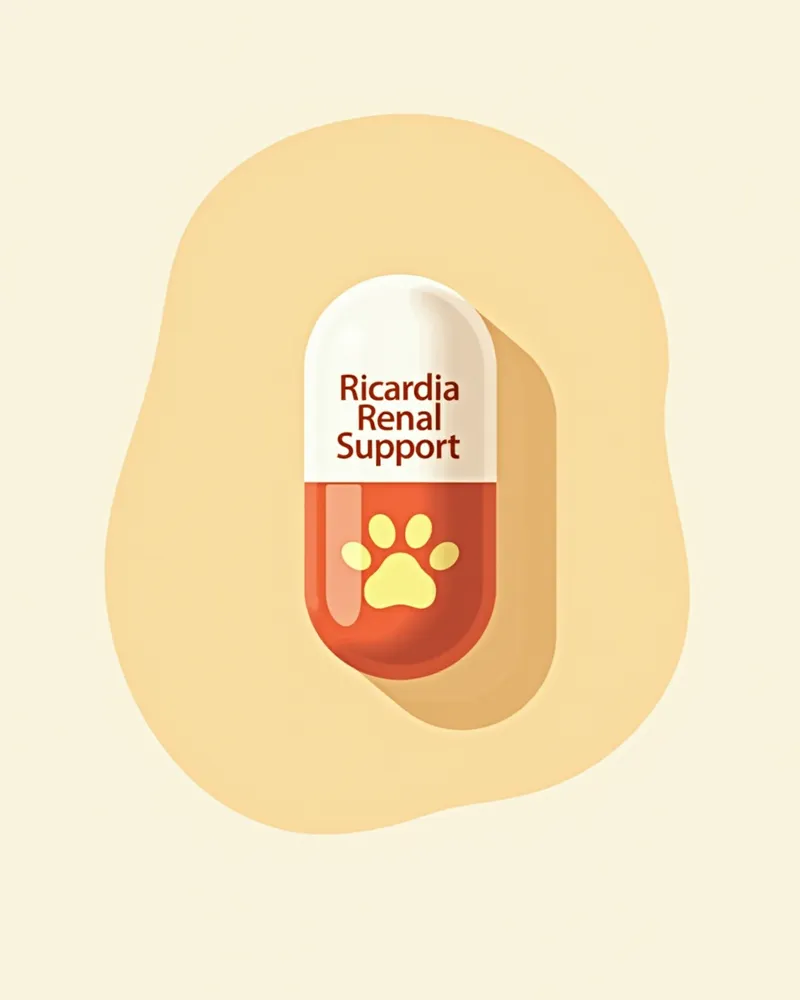
Lycardia is a medication containing an ACE inhibitor, which helps regulate blood pressure and reduce proteinuria. - ACE Inhibitor Mechanism: It inhibits the production of angiotensin II, acting on the efferent arterioles of the glomerulus to lower intraglomerular pressure, thereby helping to reduce protein loss (proteinuria). - Suitability for Long-Term Use: Available in capsule form, the dosage can be adjusted according to your dog’s weight and kidney function, allowing for consistent use under regular monitoring. - Ease of Administration: ACE inhibitors are not significantly affected by food absorption, so they can be given with meals, which is especially helpful for dogs with sensitive stomachs. - Managing Side Effects: Some dogs may experience vomiting, decreased appetite, or low blood pressure. If kidney values worsen, dose reduction or discontinuation may be necessary. Please consult your veterinarian and monitor your dog’s response to the medication through regular check-ups.
Image of Ricardia Kidney Protection Capsules

BEST 2: Arbarto Kidney Protection Tablets

Arbarto contains an ARB (angiotensin II receptor blocker) ingredient, which has excellent vasodilatory effects, helping to reduce the burden on the kidneys. - ARB ingredient: Helps maintain stable blood flow in the kidneys, effectively reducing proteinuria. - Suitable for long-term use: It has few side effects and is convenient with once-daily dosing. - Kidney-protective effect: Especially effective in dogs with severe proteinuria. - Veterinarian-recommended medication: A stable formulation suitable for consistent use from early to moderate stages of kidney function decline. - Precautions during use: If decreased appetite, vomiting, or fatigue occurs during treatment, consult your veterinarian immediately.
Arbalt kidney protection tablets image

BEST 3: Kaidream Kidney Protection Powder
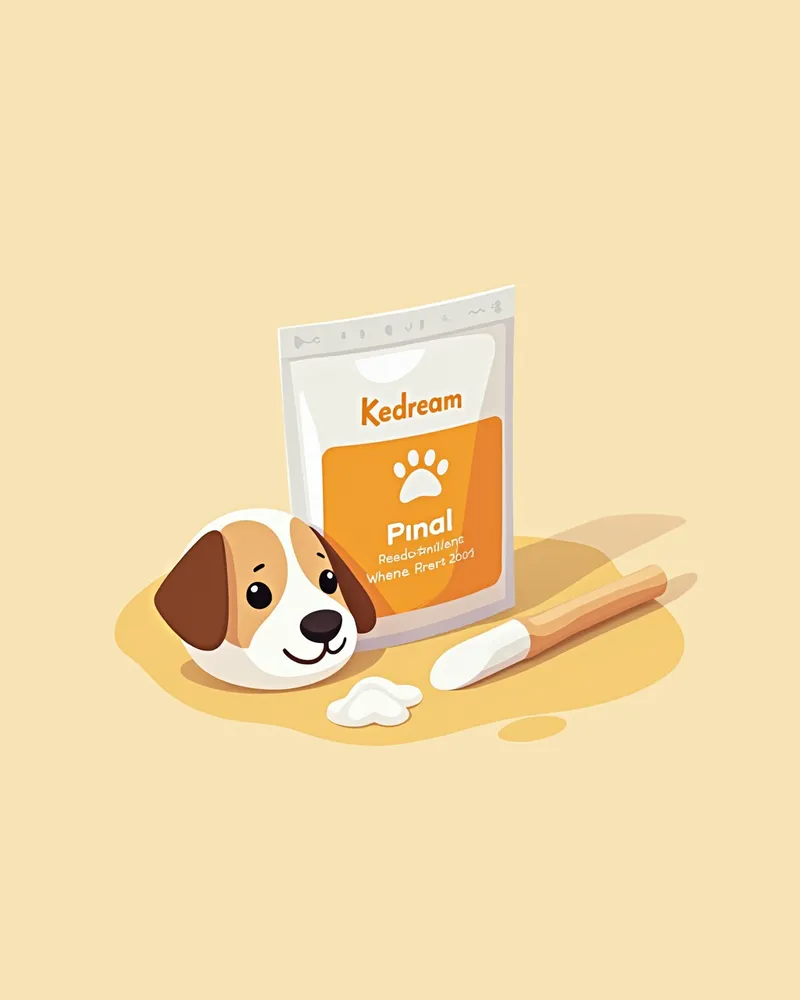
Kaidream comes in a powder form, making it easy to administer even to dogs who dislike taking medication. - Advantages of the powder formulation: It can be mixed with water or food, resulting in high compliance. - Low-irritation ingredients: It causes minimal skin irritation or digestive discomfort, making it suitable for long-term use. - Palatability optimization: The flavor has been optimized to prevent rejection by dogs. - Supportive therapeutic effect: Recommended by veterinarians as a supportive renal protectant, it interacts well with other medications. If any adverse symptoms occur during administration, consult your veterinarian immediately.
Kaydream Kidney Support Powder image

Comparison Table of Kidney-Protective Medications BEST 1–3

ItemRicardia CapsuleArbart TabletK-Dream Powder
IngredientACE inhibitorARB (angiotensin receptor blocker)Supplementary ingredient
Dosing FrequencyOnce dailyOnce dailyOnce daily
FormulationCapsuleTabletPowder
AdvantagesHelps reduce proteinuria and control blood pressureExcellent proteinuria-reducing effect (telmisartan, etc.)Easy to administer, low refusal response
PrecautionsCaution with excessive blood pressure drop or dehydrationContraindicated in dehydration or hypotension; reduce or discontinue if kidney values worsenRisk of dehydration with overdose

All medications should be taken only after a veterinarian's prescription; do not use in a dehydrated or hypotensive state, and if any abnormal symptoms appear during use, visit the clinic immediately.

Important Precautions Before Administration

ACE inhibitors and ARBs can be dangerous if your dog has severely impaired kidney function or is dehydrated. A veterinarian must review test results and prescribe these medications before starting treatment. If your dog shows signs of fatigue, vomiting, or loss of appetite while taking the medication, visit the clinic immediately.

Tips for Using Kidney-Protective Medication in Dogs

Please administer the medication at the prescribed times. ACE inhibitors are not significantly affected by food absorption, so if you are concerned about gastrointestinal irritation, you can give them with meals. If your pet refuses to take the medication, mixing it with food is an option. Since ACE inhibitors and ARBs can place additional stress on the kidneys in dehydrated states, ensure your pet has access to plenty of water at all times. If you miss a dose, do not double up on the next dose; instead, consult your veterinarian. Regular check-ups are essential to monitor kidney function and the body’s response to the medication. - Maintain a consistent schedule: Regular administration is key to maximizing the drug’s effectiveness. - Administer with meals: While food does not significantly impact absorption, it may help reduce gastrointestinal irritation. - Ensure adequate water intake: Preventing dehydration supports kidney function and medication safety. - Communicate with your veterinarian: Report any adverse symptoms or issues with administration immediately. - Regular check-ups are essential: These are necessary to confirm the safety and efficacy of the medication.
A puppy taking medicine and drinking water

Reviewed by a veterinarian

Dr. Tony — Punnawat Phongkittirak

Dr. Tony — Punnawat Phongkittirak

Veterinarian

A veterinarian who majored in veterinary medicine at Khon Kaen University, Thailand, and completed the IVSA program at North Carolina State University in the United States. Drawing on clinical experience at animal hospitals, he works in the pet healthcare field and is dedicated to building a digital care environment that connects pet parents with veterinarians.

Frequently Asked Questions

Can dogs with kidney disease take ACE inhibitors?
When prescribed by a veterinarian based on kidney function test results, it can be taken safely. However, it may pose risks in cases of dehydration or low blood pressure, so it should only be prescribed when the patient is in a stable condition. Never self-prescribe this medication.
What is the difference between ACE inhibitors and ARBs?
ACE inhibitors work by blocking the enzyme that converts angiotensin I into angiotensin II, which helps dilate blood vessels and lower blood pressure. ARBs, on the other hand, block angiotensin II from binding to its receptors (AT-1), regardless of how it is produced. Both types of medications offer kidney-protective benefits, such as reducing proteinuria, but they may differ in terms of effectiveness and side effects.
What should I do if I miss a dose?
Please administer the prescribed dose at the next scheduled time. Do not double the dose; consult your veterinarian instead.
What should I do if my pet vomits while taking medication?
If your pet vomits within one hour of taking the medication, do not give another dose and consult your veterinarian. Persistent vomiting requires an immediate visit to the clinic.
Is it safe to take this long-term?
Long-term use is possible under a veterinarian's continuous monitoring. Regular blood tests are necessary to check kidney function (serum creatinine, BUN, etc.).

Share

Related Guides

References

[1] Plumb's Veterinary Drug Handbook, 9th Edition, 2022

[2] The Cat, Clinical Medicine and Management, 2nd Edition, 2021

[3] Small Animal Critical Care Medicine, 3rd Edition, 2020

This information is based on veterinary literature and does not replace diagnosis or treatment. Please consult a veterinarian for specific health concerns.

Metapet Co., Ltd. | CEO: Park Sung-yong | Business Reg. No. 417-88-02562 | Seoul, South Korea | Customer Center

7 Vet-Recommended ACE Inhibitors and ARBs for Dog Kidney Protection | Meongsiljang