Like
Share
멍실장
고양이 CKD 진행 속도 모니터링 관리 추천 BEST와 고르는 기준 총정리

7 Best Ways to Monitor CKD Progression in Cats Without Missing Worsening Signs

KidneyTop PicksMeongsiljang Veterinary Advisory Board

Regularly monitoring the progression of chronic kidney disease (CKD) in cats is key to improving treatment outcomes and maintaining quality of life. Here’s a quick overview of effective management strategies and recommended products.

Why Is Monitoring the Rate of CKD Progression Important in Cats?
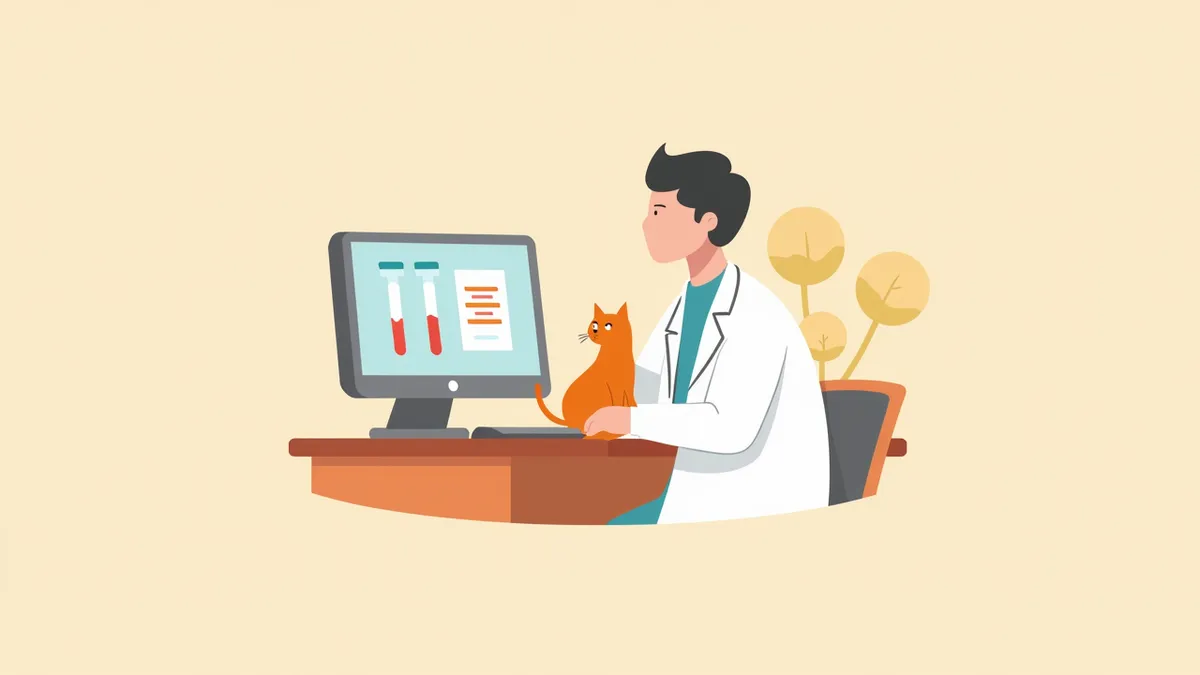
An image of a veterinarian analyzing a cat's blood test results
Regularly monitoring the progression of chronic kidney disease (CKD) in cats is essential for early detection of worsening conditions and maximizing treatment efficacy. Because the rate of renal function decline varies among individual cats, accumulating data at consistent intervals is necessary to identify true changes. Early intervention can extend survival time and reduce pain or discomfort. Collaborating with a veterinarian enables the development of a tailored management plan. Regular follow-up is not merely about routine testing; it is a strategic approach to preserving your cat’s quality of life.

Key Takeaways: Points for Tracking CKD Progression
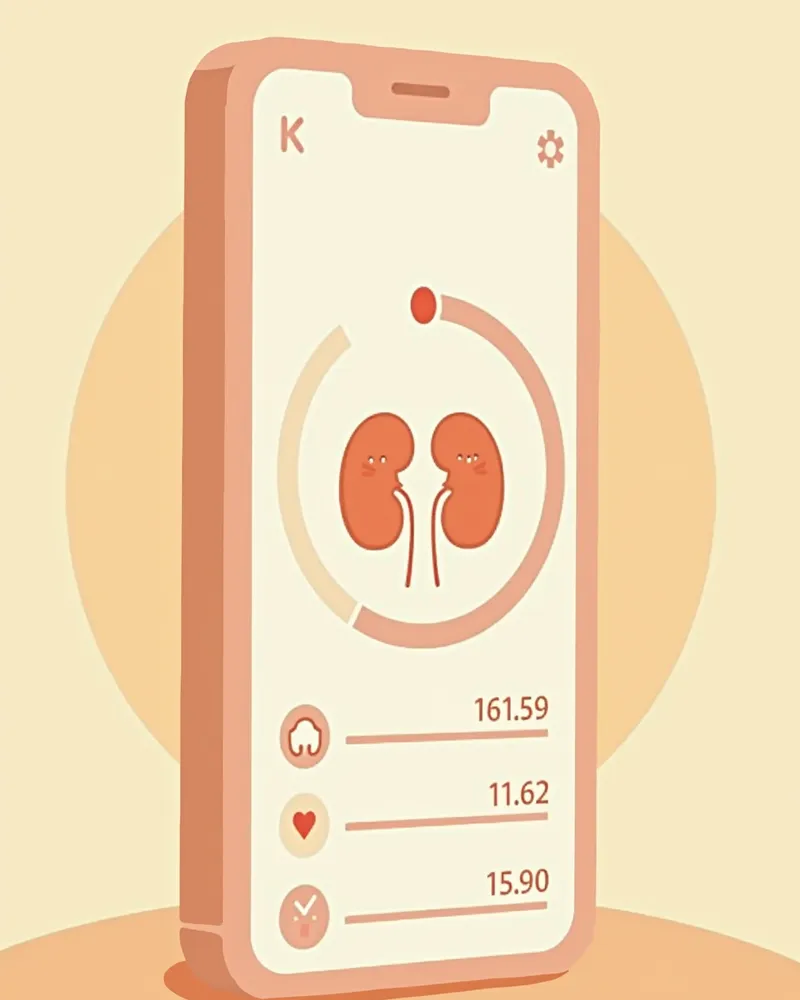
When choosing a product or system to monitor the progression of chronic kidney disease (CKD) in cats, be sure to verify the following criteria. The solution must enable regular testing and data logging. You should comprehensively evaluate whether it accurately tracks kidney function indicators, is user-friendly, and offers good value for money.
Feasibility of Regular Testing: Rather than adhering to a fixed schedule, the system should allow for consistent blood, urine, and blood pressure tests at intervals determined by your veterinarian based on the cat’s IRIS stage and overall condition.
Data Logging and Analysis: Past data should be visualized to make it easy to understand the rate of disease progression.
Ease of Use: It should be simple to record and share changes in weight, appetite, and water intake at home.
Professional Feedback: The service must include veterinary interpretation of the results.
Cost-Effectiveness: Considering long-term use, the product should offer excellent performance relative to its cost.
An image of a smartphone app showing trends in a cat's kidney function.

Key Point 1: Regularly Track Blood, Urine, and Blood Pressure

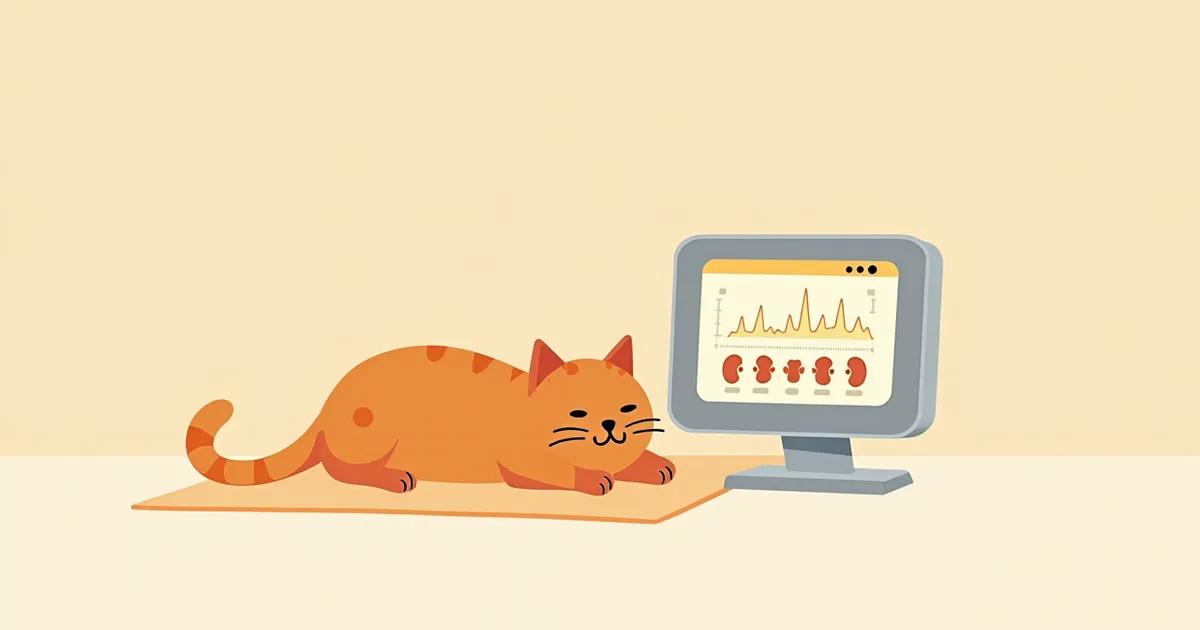
With chronic kidney disease (CKD), the focus is on slowing progression and maintaining quality of life rather than seeking a cure, so regular check-ups to monitor changes are essential. We periodically check blood creatinine and SDMA levels, urine specific gravity and protein-to-creatinine ratio (UPC), and blood pressure. Tracking trends by retesting the same parameters at consistent intervals is more meaningful than relying on a single reading. It’s best to follow the testing schedule your veterinarian has set based on your pet’s condition.
Guide image for tracking regular blood, urine, and blood pressure tests

Key Point 2: Record Weight, Appetite, and Water Intake at Home
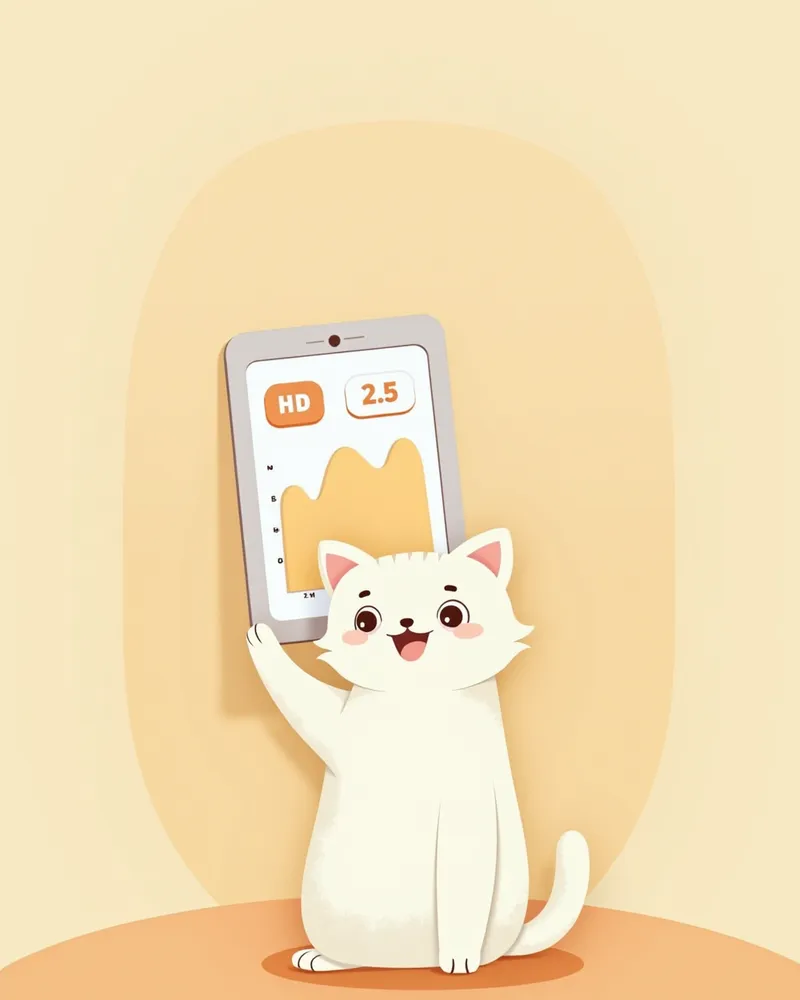
There are many signs you can monitor at home between veterinary visits. Keeping a record of changes in weight, appetite, water intake, urine output, energy levels, and any vomiting can help you track the progression of the condition. In particular, gradual weight loss or decreased appetite are subtle changes that are easy to miss, so it’s helpful to weigh your pet regularly on the same scale and note the results. Reviewing these home records alongside test results can help you better understand changes in the IRIS stage.
Guide image on how to record your pet's weight, appetite, and water intake at home

Key Point 3: Discuss Management Direction and Worsening Signs with Your Veterinarian

CKD management varies by stage, involving approaches such as renal prescription diets, fluid supplementation, and blood pressure and phosphorus level control. Based on diagnostic tests and home monitoring records, work with your veterinarian to establish a tailored plan for diet, fluids, and medication. If you notice signs of worsening condition—such as loss of appetite, vomiting, or lethargy—seek veterinary care immediately, even if your next scheduled check-up is still far away. Monitoring is a vital tool that helps you detect progression early and avoid missing critical intervention windows, but all treatment decisions should be made in consultation with your veterinarian for safety.
Management guidelines and signs of worsening, along with related instructional images, should be reviewed with your veterinarian.

Core Principles of CKD Progression Monitoring

ItemKey points
Regular testingPeriodically track creatinine, SDMA, urine specific gravity, proteinuria (UPC), and blood pressure
Record at homeRecord weight, appetite, water intake, urine output, and vomiting in a consistent way
Look at trendsInterpret by IRIS stage changes and trends rather than a single value
Worsening signsIf there is loss of appetite, vomiting, or lethargy, visit the clinic even before a scheduled test
CautionMake management decisions such as diet, fluids, and medication together with your veterinarian

This is not a table recommending specific products or devices, but the essentials to consider for home management. Always consult your veterinarian for interpretation of measurements and treatment decisions.

Caution: Consult Your Veterinarian Regarding Monitoring Intervals and Result Interpretation

Monitoring the progression of chronic kidney disease (CKD) in cats should be done under the guidance of a veterinarian. Making your own decisions about testing intervals or interpreting results can lead to misunderstandings. In particular, if there is a sudden worsening of kidney function, immediate veterinary care is necessary.

Usage Tips: 4 Practical Tips for Effective Monitoring

To successfully monitor the progression of chronic kidney disease (CKD) in cats, follow these tips. Consistent record-keeping is essential. Daily logs of food intake, water consumption, litter box frequency, and activity levels help you spot warning signs early. Additionally, make it a habit to review test results with your veterinarian so you can take immediate action if any changes occur.
Keep daily records: Track food intake, water consumption, and litter box frequency as if keeping a diary.
Share results: Review test results with your veterinarian and discuss the appropriate course of action together.
Maintain a stable environment: Minimize stress to reduce strain on the kidneys.
Cooperate with dietary management: Consistently follow the dietary plan recommended by your veterinarian.
A cat health diary and an image of a cat drinking water

Reviewed by a veterinarian

Dr. Tony — Punnawat Phongkittirak

Dr. Tony — Punnawat Phongkittirak

Veterinarian

A veterinarian who majored in veterinary medicine at Khon Kaen University, Thailand, and completed the IVSA program at North Carolina State University in the United States. Drawing on clinical experience at animal hospitals, he works in the pet healthcare field and is dedicated to building a digital care environment that connects pet parents with veterinarians.

Frequently Asked Questions

How often should I monitor the progression of my cat’s chronic kidney disease?
There is no fixed schedule for follow-up visits. The interval between check-ups depends on the IRIS stage and your cat’s overall condition. Your veterinarian will determine the appropriate timing by monitoring progression markers such as azotemia, proteinuria (UPC), phosphorus levels, and blood pressure. Since the recommended interval may vary depending on whether your cat’s condition is stable or progressing rapidly, it is best to adhere to the re-evaluation schedule set by your veterinarian.
Can blood tests be done at home?
Performing blood tests at home is challenging. Blood and urine tests, as well as blood pressure measurements, are typically conducted at veterinary clinics. Instead, it’s practical to monitor changes in weight, appetite, water intake, urine output, and vomiting at home, keeping a consistent record to review alongside clinic test results.
What should I do if the monitoring results are poor?
Consult your veterinarian right away. They can adjust the diet, fluid therapy, and medication plan based on the disease stage and contributing factors.
Will it be expensive?
Costs vary widely depending on the clinic, the specific tests performed, and your pet’s condition. For an exact price, please contact the clinic where you plan to receive treatment directly.
Will monitoring cause stress in cats?
Regular sample collection can be stressful for cats, but following a veterinarian’s guidance can help minimize that stress.

Share

Related Guides

References

[1] The Cat, Clinical Medicine and Management, 2nd Edition. Elsevier, 2023.

[2] Small Animal Critical Care Medicine, 3rd Ed. Elsevier, 2022.

[3] Urinalysis in the Dog and Cat. Wiley-Blackwell, 2021.

This information is based on veterinary literature and does not replace diagnosis or treatment. Please consult a veterinarian for specific health concerns.

Metapet Co., Ltd. | CEO: Park Sung-yong | Business Reg. No. 417-88-02562 | Seoul, South Korea | Customer Center

7 Best Ways to Monitor CKD Progression in Cats | Meongsiljang