Like
Share
멍실장
고양이 황달 관리 추천 BEST와 고르는 기준 총정리

7 Key Tips for Managing Feline Jaundice Recommended by Veterinarians — From Causes to Management

Liver HealthTop PicksMeongsiljang Veterinary Advisory Board

Feline jaundice is a condition in which elevated bilirubin levels, caused by impaired liver function, lead to yellowing of the skin and eyes. Proper management and treatment are essential.

Feline Jaundice Is an Important Sign of Liver Dysfunction
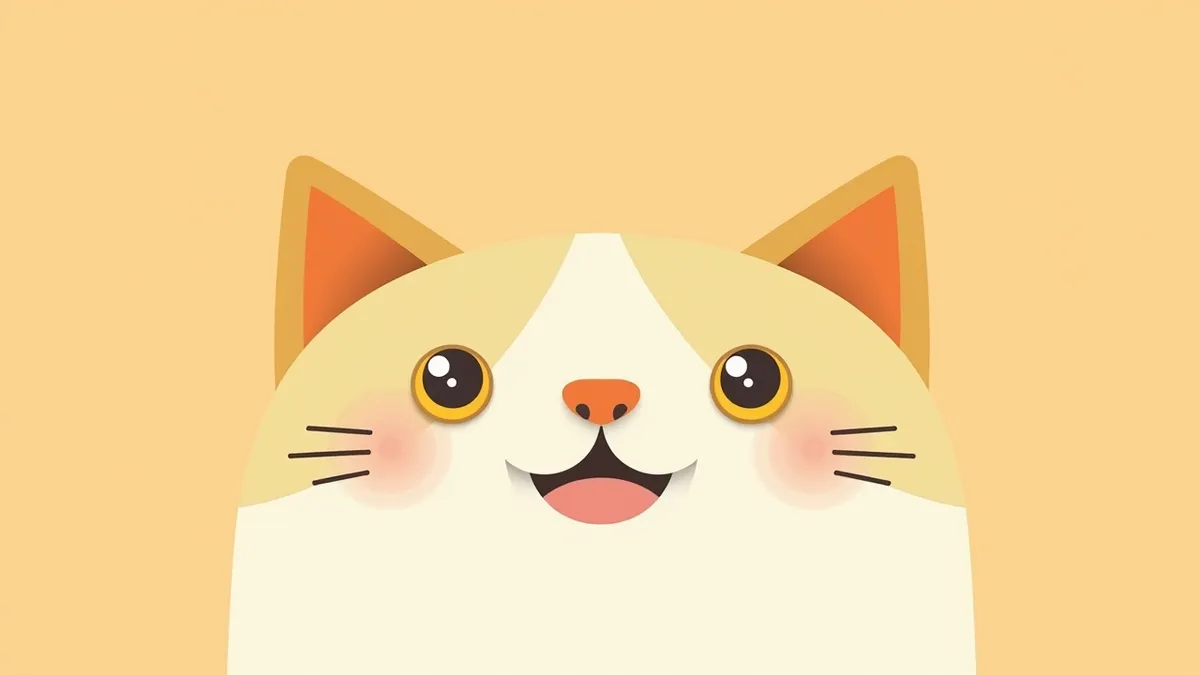
Jaundice in cats, characterized by a yellowish tint to the eyes
Feline jaundice is a condition in which the skin, mucous membranes, and the whites of the eyes turn yellow due to the liver’s inability to properly process bilirubin. Bilirubin is a natural byproduct of red blood cell breakdown and accumulates in the body when liver function declines, bile ducts become obstructed, or excessive red blood cell destruction (hemolysis) occurs (pre-hepatic, hepatic, or post-hepatic). Because jaundice typically becomes visible only when bilirubin levels rise to at least two to three times the normal range, early detection and accurate identification of the underlying cause are crucial. - Liver-supportive supplements: Hepatoprotective agents such as S-adenosylmethionine (SAMe) or N-acetylcysteine are used in inflammatory or cholestatic liver diseases. However, N-acetylcysteine is primarily administered via intravenous injection in cases such as acute liver failure. - Anti-inflammatory support: Ursodeoxycholic acid and vitamin E are used to support liver health in cholestatic and inflammatory liver diseases. - Proper use: It is important to use supplements according to a veterinarian’s diagnosis and prescription rather than focusing solely on the formulation. Crushing enteric-coated tablets can reduce their absorption rate. Consult your veterinarian immediately, as accurately identifying the underlying cause is the first step toward effective treatment.

Selection Criteria: How to Choose a Product for Jaundice Management
When selecting a supplement to help manage feline jaundice, carefully check the types of liver-protective ingredients included and whether the product requires a veterinarian’s prescription. - Liver-protective ingredients: Ensure the supplement contains ingredients used in veterinary medicine for liver disease, such as S-adenosylmethionine (SAMe) and N-acetylcysteine. - Anti-inflammatory and bile-improving agents: Ursodeoxycholic acid and vitamin E are ingredients that support the liver in cases of cholestatic or inflammatory liver disease. - Form and bioavailability: Generally, tablets offer better absorption and bioavailability than liquid or compounded formulations. However, be cautious, as crushing enteric-coated tablets can reduce their absorption. - Safety: Choose products with minimal side effects and clearly stated purity and sourcing of raw materials. - Choosing a form: Selecting a form your cat readily accepts can improve compliance, but the safest approach is to make the final decision in consultation with your veterinarian.
A Collection of Liver Health Supplements for Cats

BEST 1: Liquid Supplement with Enhanced Hepatoprotective Ingredients
This liquid supplement contains N-acetylcysteine as its main ingredient. N-acetylcysteine is a hepatoprotective agent used in conditions such as acute liver failure and acetaminophen poisoning. - Hepatoprotective ingredient: It is used to protect hepatocytes in cases of liver disease. Please note, however, that N-acetylcysteine is primarily administered via intravenous injection. - Cat-friendly flavor: It contains natural flavoring agents to help reduce rejection by cats. - Absorption rate: Generally, tablets have better absorption rates than liquids, so it is important to use the product according to your veterinarian’s prescription rather than focusing solely on the formulation. - Ease of administration: It can be easily administered using a syringe or spoon. - Veterinary consultation required: Since jaundice requires differential diagnosis to identify the underlying cause, you should consult with your veterinarian from the early stages to ensure safe management.
A cat taking liquid liver protectant

BEST 2: Liver Health Capsule with Natural Anti-inflammatory Ingredients
This capsule supplement is used to support the liver in cases of inflammatory liver disease. Veterinary textbooks list S-adenosylmethionine (SAMe), ursodeoxycholic acid, and vitamin E as ingredients utilized for inflammatory and cholestatic liver diseases. - Anti-inflammatory and choleretic support: These ingredients are used to support the liver in inflammatory and cholestatic liver diseases. - Liver function support: However, any claims that specific ingredients improve bilirubin metabolism or slow the progression of jaundice should not be taken from product advertisements but verified through a veterinarian’s diagnosis. - Ease of administration: The capsule form allows cats to swallow it relatively easily. - Safety: It is advisable to confirm safety through regular liver function tests even during long-term use. - Veterinarian recommendation: Cats suspected of having impaired liver function must use this product alongside veterinary care, and if jaundice persists, the underlying cause should be identified through testing.
Cat liver health capsule product

BEST 3: Powdered Hepatoprotective Supplement with High Digestive Absorption Rate
This powdered supplement is designed to be dissolved in water or mixed into food for easy administration. However, please keep in mind that tablets generally offer better absorption and bioavailability compared to powders or liquids. - Verify liver-supporting ingredients: For liver disease, ingredients such as S-adenosylmethionine, N-acetylcysteine, and ursodeoxycholic acid are used based on clinical evidence, rather than glucosamine or collagen. - Appetite stimulation: The inclusion of natural flavoring agents helps even cats with reduced appetites to eat more readily. - Ease of administration: It can be easily administered by dissolving it in water or mixing it into food. - Long-term management: Effective liver function management requires regular veterinary check-ups alongside supplementation. - Ensuring safety: To minimize the risk of side effects, always consult your veterinarian before using any supplement.
Cat liver support supplement powder

Comparison Table of BEST 1–3 Products

ItemProductMain IngredientsFormReason for Recommendation
BEST 1N-acetylcysteineLiquidLiver-protective ingredient, ease of administrationMainly an intravenous ingredient, so veterinary consultation is needed
BEST 2S-adenosylmethionine, ursodeoxycholic acid, vitamin ECapsuleSupports inflammatory and cholestatic liver diseaseLiver-protective ingredients with textbook evidence
BEST 3Glucosamine, collagen (limited evidence for liver)PowderEase of administrationInsufficient evidence for liver-specific effects; tablets tend to have better absorption

Choose products based on your veterinarian's diagnosis and recommendation. Generally, tablets tend to have better absorption than liquids or powders, and since side effects may occur, observation is needed during first use.

Caution: Overdosing May Increase Liver Burden

Liver supplements should only be given under the guidance of a veterinarian. Overdosing can place additional strain on the liver, so extra caution is especially important for cats with pre-existing liver conditions. Never exceed the recommended dosage listed on the product label. If you notice any unusual symptoms while your cat is taking the supplement, stop administering it immediately and consult your veterinarian.

Usage Tips: How to Get Your Cat to Take Supplements and Management Methods

To help your cat take supplements more easily, mix them into their food or offer them in a small pouch. - Taste improvement: Using liquid products after refrigeration can enhance the taste and reduce refusal. - Dosing schedule: Administering the supplement at the same time every day helps maintain consistent care. - Observation is essential: Symptoms such as decreased appetite, reduced activity, and vomiting are commonly associated with liver disease, so consult your veterinarian immediately if you notice any of these signs. - Regular check-ups: It is advisable to periodically monitor liver function through blood tests, with the frequency of testing determined by your veterinarian based on your cat’s condition. - Lifestyle management: Reducing stress, ensuring regular meals, and promoting adequate hydration are important for your cat’s well-being.
A cat eating a supplement

Reviewed by a veterinarian

Dr. Tony — Punnawat Phongkittirak

Dr. Tony — Punnawat Phongkittirak

Veterinarian

A veterinarian who majored in veterinary medicine at Khon Kaen University, Thailand, and completed the IVSA program at North Carolina State University in the United States. Drawing on clinical experience at animal hospitals, he works in the pet healthcare field and is dedicated to building a digital care environment that connects pet parents with veterinarians.

Frequently Asked Questions

Is feline jaundice treatable?
Treatment is possible depending on the underlying cause. If the issue is hepatitis or a bile duct problem, it can be managed with medication and supplements. Early detection is key.
When should I start giving my pet the supplement?
Start the medication at the time recommended by your veterinarian after diagnosis. It is generally best to begin treatment as soon as jaundice symptoms appear.
Is it safe to give supplements to my pet long-term?
It can be taken long-term under your veterinarian’s guidance, but regular check-ups are necessary to monitor liver function.
Can supplements and medications be taken together?
Some ingredients may overlap, so please inform your veterinarian about all medications and supplements your pet is taking to avoid potential interactions.
What should I do if my cat refuses to take a supplement?
Try switching to a different flavor or mixing it into your pet’s food. If they continue to refuse it, consult your veterinarian about alternative options.

Share

Related Guides

References

[1] The Cat, Clinical Medicine and Management, 2nd Edition, 2023

[2] Veterinary Internal Medicine, 8th Edition, 2022

[3] American Association of Feline Practitioners (AAFP) Guidelines on Feline Liver Disease, 2021

This information is based on veterinary literature and does not replace diagnosis or treatment. Please consult a veterinarian for specific health concerns.

Metapet Co., Ltd. | CEO: Park Sung-yong | Business Reg. No. 417-88-02562 | Seoul, South Korea | Customer Center

7 Vet Tips for Managing Feline Jaundice: Causes to Care | Meongsiljang