

7 Best Supplements for Managing Feline Portosystemic Shunt (PSS) Recommended by Veterinarians
Feline portosystemic shunt (PSS) is a condition in which toxic substances enter the bloodstream due to impaired liver function. Proper management and the right choice of nutritional supplements are key to treatment.
What is Feline Portosystemic Shunt (PSS)?
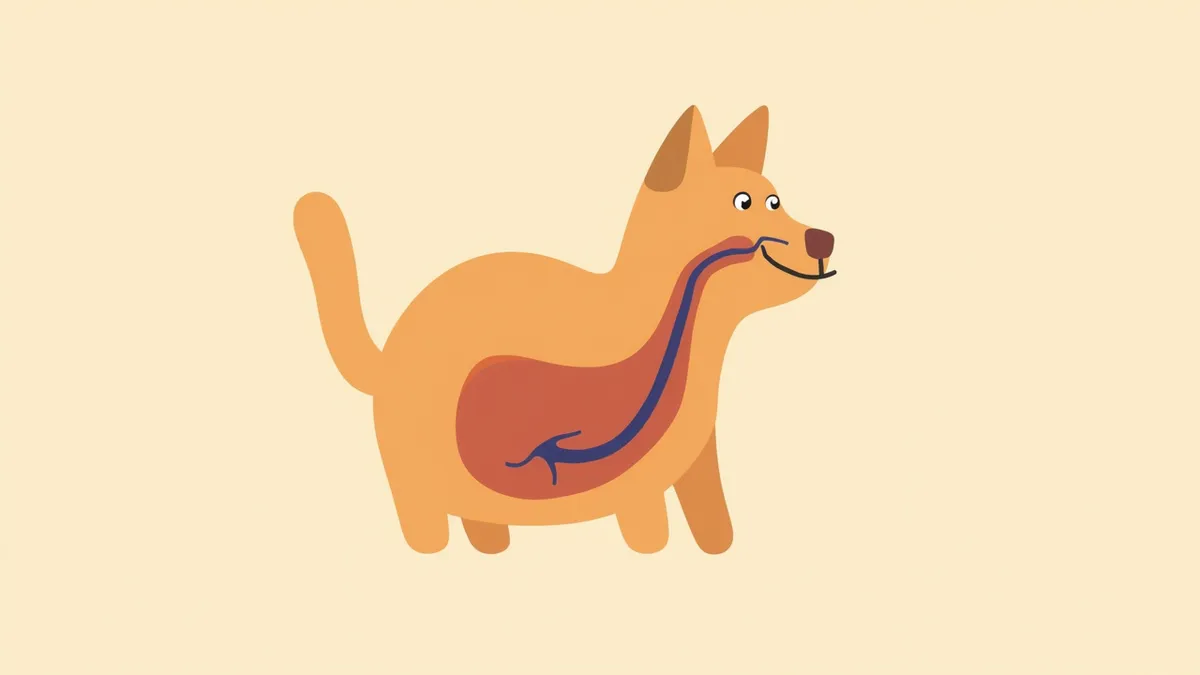
Selection Criteria: 4 Key Factors for PSS Management Supplements
BEST 1: Gan Anjeong Probiotics Capsules
BEST 2: Low-Protein Liver Protection Liquid
BEST 3: Natural Ingredient Liver Recovery Powder

Comparison Table of Products BEST 1–3
| Item | BEST 1: Liver Stabilizing Probiotic Capsule | BEST 2: Low-Protein Liver Protection Liquid | BEST 3: Natural Ingredient Liver Recovery Powder |
|---|---|---|---|
| Main Ingredients | Probiotic-focused | Lactulose, etc. | Plant-based ingredient-focused |
| Form | Capsule | Liquid | Powder |
| Protein Control | Adequate protein (avoid excessive restriction) | Adequate protein (avoid excessive restriction) | Adequate protein (avoid excessive restriction) |
| Feeding Convenience | Moderate | High | Moderate |
| Notes | Supports gut balance; limited data on effects in cats | Recommended alongside diet | Effects of plant ingredients unproven |
Compared based on ingredients and form; supplements are an adjunct that does not replace dietary or drug treatment. The key to managing hepatic encephalopathy is appropriate dietary control and medications such as lactulose, and since the choice may vary depending on the cat's condition, always consult your veterinarian.
Precautions: Do Not Overdose
Products with excessive liver-supporting ingredients can actually burden the liver. A veterinarian should determine the appropriate dosage based on your pet's weight and condition. Self-prescribing is strictly prohibited.
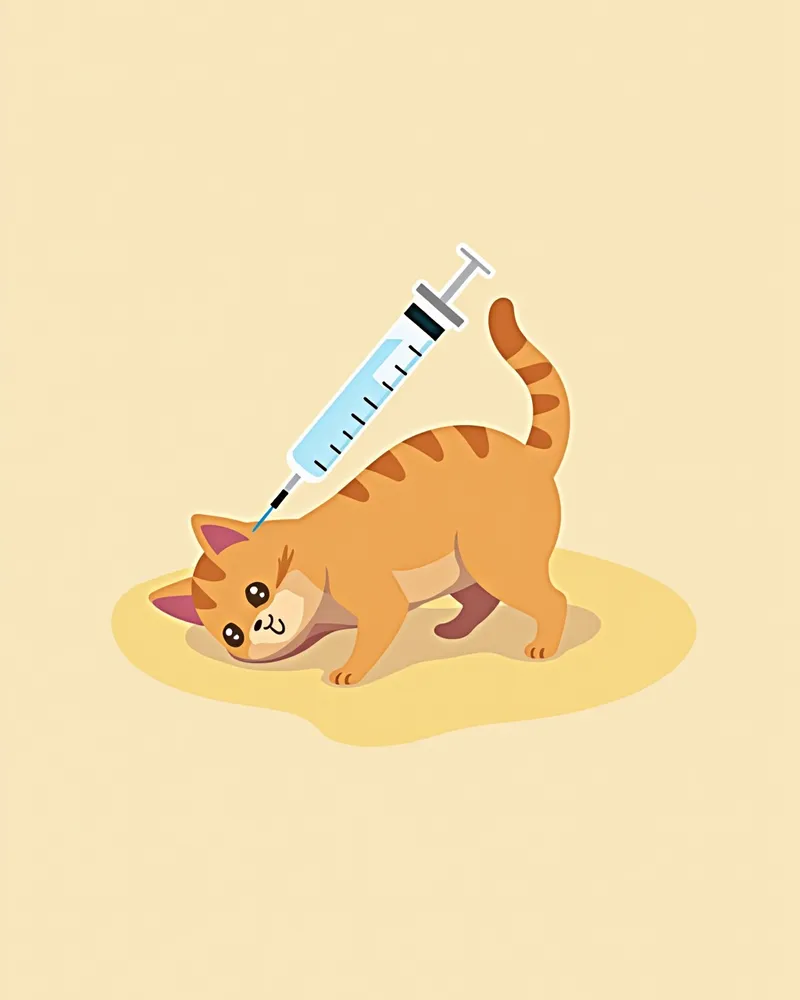
Usage Tips: How to Administer to Cats

Reviewed by a veterinarian

Dr. Tony — Punnawat Phongkittirak
VeterinarianA veterinarian who majored in veterinary medicine at Khon Kaen University, Thailand, and completed the IVSA program at North Carolina State University in the United States. Drawing on clinical experience at animal hospitals, he works in the pet healthcare field and is dedicated to building a digital care environment that connects pet parents with veterinarians.
Reviewed 2026-06-05
Frequently Asked Questions
When should I start managing PSS?
Will giving supplements completely eliminate the symptoms?
Can this be taken with other medications?
Will the symptoms return if I stop the treatment?
Can it be managed through diet?
Share
Related Guides

7 Key Symptoms and Management Essentials for Canine Cholecystitis Recommended by Veterinarians

Top 5 Milk Thistle (Silymarin) Liver Supplements for Dogs — A Comparison Guide Based on Silybin Content and Absorption Rates

Top Prescription Diets for Dogs with Liver Disease and Selection Criteria
7 Best PKD Management Products for Cats Recommended by Veterinarians — From Symptoms to Care

7 Emergency Management Items for Feline Acute Kidney Failure Recommended by Veterinarians — From Causes to Treatment
The Best Recommended Products for Managing Feline Acute Kidney Injury (AKI) and How to Choose Them
7 Key Management Points for Maximizing the Effectiveness of Pimobendan in Dogs

7 Key Management Tips for Canine Patent Ductus Arteriosus (PDA) Recommended by Veterinarians

7 Dog Heart Markers Explained by a Veterinarian — How to Read NT-proBNP and Troponin Levels

Veterinarian-Explained: 4 Stages of Canine Heart Failure (ACVIM) and Management Guidelines
References
[1] Fowler, L.B., C.M. Johannes, A. O’Connor, et al. 2020. Ecological level analysis of primary lung tumors in dogs and cats and environmental radon activity. J Vet Intern Med 34(6):2660–2670.
[2] The Cat, Clinical Medicine and Management, 2nd Edition. 2004. Polizopoulou ZS, Koutinas AF, Souftas VD, et al. Diagnostic correlation of CT-MRI and histopathology in 10 dogs with brain neoplasms.
[3] Small Animal Critical Care Medicine, 3rd Ed. 2005. Nasopharyngeal Stenosis. Diagnosis is usually made based on historical information, oropharyngeal examination with palpation of the soft palate, otoscopy, retroflexed rhinoscopy, radiographs, CT, and/or magnetic resonance imaging.