Like
Share
멍실장
N-아세틸시스테인(NAC) 효과와 간·호흡기 활용 가이드

NAC (N-acetylcysteine) Effects and Guide for Liver and Respiratory Use

Liver HealthIngredientsMeongsiljang Veterinary Advisory Board

We’ve compiled the mechanism of action, recommended dosage, and side effects of NAC (N-acetylcysteine), used for liver detoxification and respiratory mucus clearance in dogs and cats, based on veterinary textbooks.

What is NAC (N-acetylcysteine)?
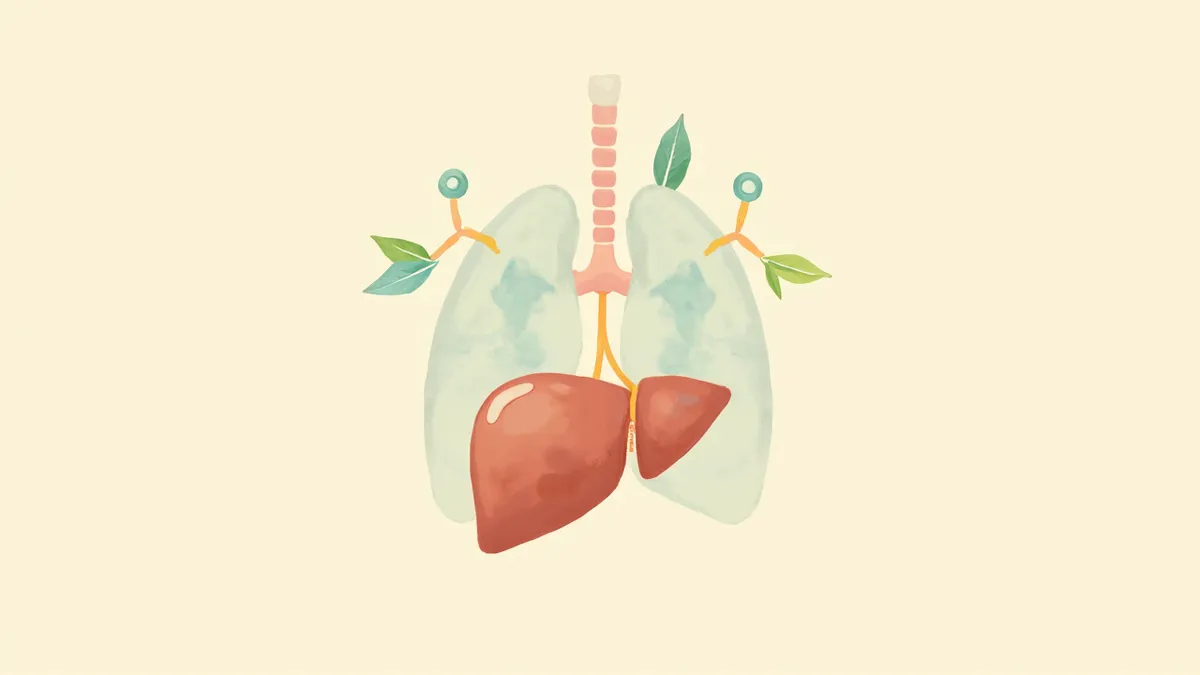
Medical illustration showing the effects of NAC on the liver and respiratory system
N-acetylcysteine (NAC) is a precursor to glutathione, the body’s key antioxidant, and is a veterinary ingredient that supports both liver detoxification and the clearance of respiratory mucus. What’s truly important to understand is that it has two distinct clinical uses: it serves as an antidote for acetaminophen (Tylenol) toxicity, and as a mucolytic agent that thins thick bronchial mucus. Veterinary internal medicine textbooks describe it as a versatile component widely used in the management of toxicities, liver diseases, and chronic respiratory conditions.

4 Key Effects of NAC

NAC is used in veterinary medicine because a single ingredient offers multiple overlapping benefits.
Supports liver detoxification: It helps regenerate glutathione, reducing damage to liver cells.
Detoxifies acetaminophen: It directly binds to and neutralizes the toxic metabolite (NAPQI) produced when pets ingest human medications like Tylenol.
Thins mucus: It breaks disulfide bonds in bronchial mucus, making phlegm thinner and easier to clear.
Antioxidant effect: It neutralizes free radicals, lowering oxidative stress in the liver, lungs, and kidneys.

How Does It Work in the Liver?

NAC serves as a building block for glutathione synthesis within liver cells. When dogs or cats are exposed to hepatotoxic substances such as acetaminophen, xylitol, or Amanita mushrooms, intracellular glutathone levels deplete rapidly; supplying NAC at this stage helps the liver restore its detoxification capacity. In cases of acetaminophen poisoning, the sulfation and glucuronidation detoxification pathways become saturated, leading to a sharp increase in the toxic metabolite NAPQI. This NAPQI covalently binds to liver cell proteins, causing cell death and centrilobular hepatic degeneration, which is why prompt administration of NAC is critical when poisoning is suspected. According to veterinary toxicology textbooks, NAC limits the formation of toxic metabolites, provides an alternative substrate for the sulfation pathway, and replenishes glutathione to prevent acute liver injury. Because damage worsens with delayed treatment, it is recommended to initiate NAC administration as soon as possible after exposure.
Illustration of the process by which NAC exerts its detoxifying effect in liver cells

Always Consult a Veterinarian for Recommended Dosage

NAC is often classified as a therapeutic medication rather than a feed supplement. The dosage and administration route (injection or oral) vary depending on body weight, liver enzyme levels, and concurrent diseases, so a veterinarian must determine the dosing schedule and amount based on the patient’s condition. Administering human NAC supplements without veterinary guidance can lead to side effects such as vomiting and decreased appetite due to inappropriate dosing for the pet’s body weight, and there is also a risk of exposure to harmful additives like xylitol, so it is best to avoid giving them without professional advice.

In the Respiratory Tract, It Thins Mucus

NAC is sometimes used in conditions where thick, sticky mucus cannot be expelled, such as chronic bronchitis, rhinitis, and sinusitis. This is because the free sulfhydryl groups in NAC molecules break the disulfide bonds in mucus proteins, reducing viscosity. According to veterinary respiratory medicine textbooks, while inhalation (nebulizer) administration was commonly used in the past, oral administration is now the preferred route. However, veterinary pharmacology textbooks note that there is still insufficient established clinical evidence for NAC’s mucolytic effects in veterinary medicine, so whether and how long to use it should always be determined by a veterinarian. It may be considered as a long-term management option for small dogs and cats with chronic bronchial diseases.

Evidence from Veterinary Research

According to veterinary toxicology textbooks, N-acetylcysteine (NAC) is reported to prevent acute hepatic necrosis in acetaminophen poisoning by directly binding to toxic metabolites, serving as an alternative substrate for the sulfation pathway, and replenishing glutathione. Because it must act before toxic metabolites damage hepatocytes, it is emphasized that administration should begin as soon as possible once poisoning is confirmed or suspected. In cats, acetaminophen can cause methemoglobinemia, a condition that impairs the blood’s oxygen-carrying capacity, making early NAC use especially critical; NAC is also known to treat methemoglobinemia itself. While NAC may be considered as an adjunctive therapy in other hepatotoxic scenarios, such as Amanita mushroom or xylitol poisoning, textbooks note that efficacy data remain insufficient for certain toxins, including those from Amanita mushrooms.
An illustration symbolizing the veterinary research evidence for NAC

NAC at a Glance

Caution

N-아세틸시스테인(NAC)

간 해독 보조 · 글루타티온 전구체 공급

Dosage: 수의사 처방에 따라 결정

아세트아미노펜 중독 해독제로 수의응급 교과서에 수록

Caution

NAC(호흡기 용도)

기관지 점액 용해 · 가래 배출 보조

Dosage: 경구 투여 권장(흡입은 자극성 있음)

수의호흡기학 교과서 — 만성 기관지 질환 관리 옵션

Precautions for These Cases

NAC is a relatively safe ingredient, but when administered intravenously, it must be diluted and given slowly. Failure to adhere to the correct infusion rate and dilution concentration can lead to adverse effects. Even with oral administration, its characteristic sulfur odor may reduce palatability, potentially causing nausea or decreased appetite. Additionally, caution is advised when using inhalation administration in pets with a history of asthma. Always inform your veterinarian if your pet is pregnant, nursing, or taking other medications concurrently.

Reviewed by a veterinarian

Dr. Tony — Punnawat Phongkittirak

Dr. Tony — Punnawat Phongkittirak

Veterinarian

A veterinarian who majored in veterinary medicine at Khon Kaen University, Thailand, and completed the IVSA program at North Carolina State University in the United States. Drawing on clinical experience at animal hospitals, he works in the pet healthcare field and is dedicated to building a digital care environment that connects pet parents with veterinarians.

Frequently Asked Questions

Can I give my dog or cat NAC supplements sold at human pharmacies?
We don’t recommend it. Human supplements are dosed for people, not pets, and may contain sweeteners or additives like xylitol that can be harmful. Always use a product prescribed by your veterinarian.
My cat ingested one Tylenol tablet. Can I administer NAC at home?
No, acetaminophen poisoning is an emergency that requires immediate treatment at a veterinary hospital. The key to detoxification is administering NAC injections and intravenous fluids as quickly as possible to prevent toxic metabolites from damaging liver cells, so you should go to a veterinary clinic without delay.
Is it safe to give NAC long-term to a dog with chronic bronchitis?
Under veterinary supervision, long-term use may be considered. However, it is recommended to regularly reevaluate liver values and symptom changes during the treatment period, with the specific monitoring schedule determined by the veterinarian based on the animal's condition and clinical course. If vomiting or decreased appetite recurs during administration, dosage adjustment may be necessary.
How quickly do the effects of NAC appear?
The goal of acetaminophen detoxification is to initiate liver-protective effects immediately after administration. The onset of action for its use in dissolving respiratory mucus has not been clearly established in veterinary medicine and may vary among individual animals. It is important to regularly monitor with your veterinarian to assess whether the treatment is effective and how long the benefits last.
Are there other liver-supporting ingredients that work well when given alongside NAC?
In clinical practice, liver-supporting ingredients such as SAMe (S-adenosylmethionine), milk thistle (silymarin), and ursodeoxycholic acid are often used in combination. The specific combination and order of administration depend on liver enzyme levels and the underlying condition, so please follow your veterinarian’s prescription.

Share

Related Guides

References

[1] Textbook of Respiratory Disease in Dogs and Cats - N-acetylcysteine aerosol and oral administration chapter

[2] Blackwell's Five-Minute Veterinary Consult Clinical Companion, Small Animal Toxicology, 3rd Edition - Chapter 3 Antidotes and Other Useful Drugs

[3] Small Animal Critical Care Medicine, 3rd Ed - Acetaminophen toxicity and NAC treatment

[4] McConkey SE, Grant DM, Cribb AE. The role of para-aminophenol in acetaminophen-induced methemoglobinemia in dogs and cats. J Vet Pharmacol Ther 2009;32(6):585–590.

This information is based on veterinary literature and does not replace diagnosis or treatment. Please consult a veterinarian for specific health concerns.

Metapet Co., Ltd. | CEO: Park Sung-yong | Business Reg. No. 417-88-02562 | Seoul, South Korea | Customer Center

NAC (N-acetylcysteine): Liver & Respiratory Guide | Meongsiljang