
SAM-e Liver Protection and Cognitive Benefits: A Comprehensive Summary
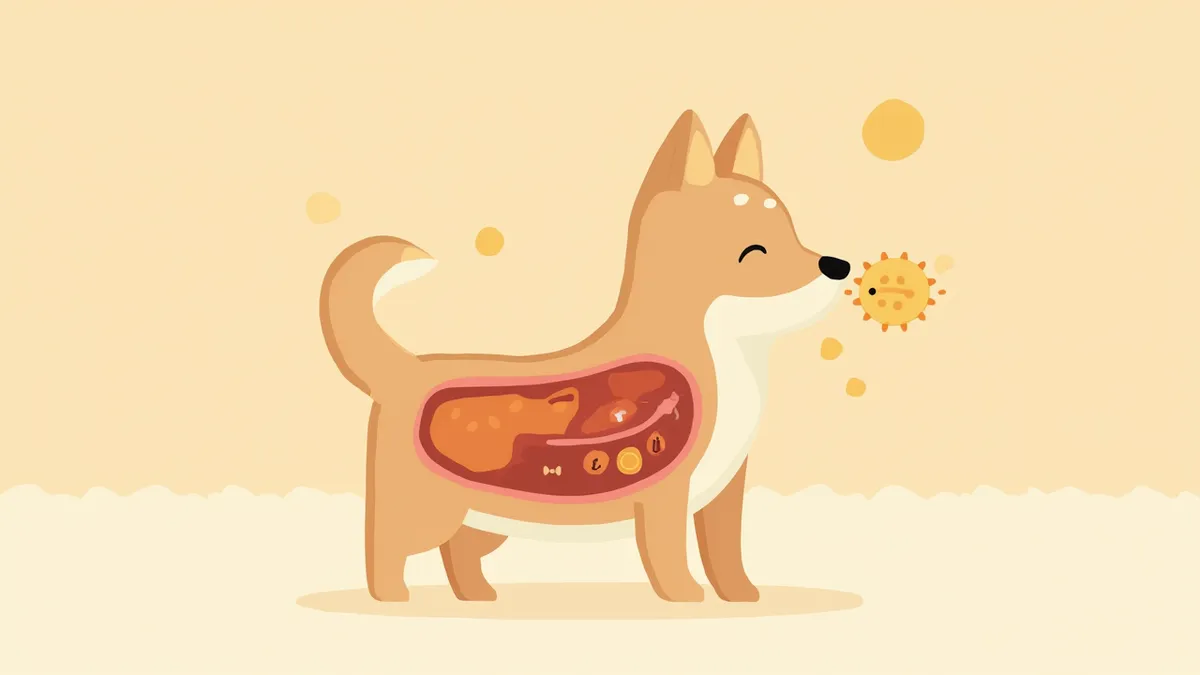
SAM-e is a natural compound that supports liver cell regeneration and enhances brain function. It has a wide range of applications, from improving liver enzyme levels to alleviating cognitive dysfunction in senior dogs.
What is SAM-e?
Key Benefits of SAM-e at a Glance
Liver Protection Effect — Why Prescribe It First?

Cognitive Function and Behavioral Improvement Effects
Recommended SAM-e Feeding Guidelines
General guidelines from veterinary internal medicine textbooks and product manuals recommend a dose of 18 to 20 mg per kilogram of body weight, administered orally once daily on an empty stomach. Since absorption is significantly reduced when taken with food, it is best given before the morning meal. The exact dosage and duration of treatment must be determined by a veterinarian, taking into account your pet’s weight, liver values, and any concurrent conditions. Do not self-adjust the dose based on your own judgment.
Commonly Used Companion Ingredients for Liver and Brain Health
SAM-e
간세포 재생·글루타치온 합성·인지 개선
Dosage: 18~20mg/kg/일 (빈속)
수의약리학 교과서 근거
실리마린(Silymarin)
간세포 보호·항산화
Dosage: 수의사 처방
간염 보조 치료에 병용
N-아세틸시스테인(NAC)
글루타치온 전구체·해독 보조
Dosage: 수의사 처방
급성 중독 시 병용
포스파티딜세린
노령견 인지 개선
Dosage: 제품별 상이
시니어견 임상 보고
Veterinary Research Evidence — How Well Is It Proven?
Side Effects and Precautions for Administration
When to Consult Your Veterinarian
If liver enzyme levels are significantly or persistently elevated, if jaundice is present (yellowing of the whites of the eyes or gums), or if behavioral abnormalities last for more than two weeks, do not attempt to manage the condition with SAM-e alone. Instead, prioritize advanced diagnostics such as blood tests and ultrasound. For senior dogs exhibiting behavioral changes or signs of liver dysfunction, the standard of care is to first evaluate the underlying cause through basic tests, including a complete blood count, serum chemistry panel, and urinalysis. Nutritional supplements are strictly supportive; identifying the root cause must always come first.
Checkpoints for Starting SAM-e Feeding at Home
Reviewed by a veterinarian

Dr. Tony — Punnawat Phongkittirak
VeterinarianA veterinarian who majored in veterinary medicine at Khon Kaen University, Thailand, and completed the IVSA program at North Carolina State University in the United States. Drawing on clinical experience at animal hospitals, he works in the pet healthcare field and is dedicated to building a digital care environment that connects pet parents with veterinarians.
Reviewed 2026-04-23
Frequently Asked Questions
Can I give my dog human SAM-e supplements?
When will the effects start to show?
Can I use the same dosage for cats?
Is it safe to give this alongside other liver supplements?
Can I give it to a healthy pet as a preventive measure?
Share
Related Guides

7 Key Symptoms and Management Essentials for Canine Cholecystitis Recommended by Veterinarians
Top 5 Milk Thistle (Silymarin) Liver Supplements for Dogs — A Comparison Guide Based on Silybin Content and Absorption Rates
Top Prescription Diets for Dogs with Liver Disease and Selection Criteria

Methionine for Liver Protection and Urinary Tract Health
Glutamine's Effect on Intestinal Mucosa Recovery
L-Carnitine for Weight Management and Feeding Guidelines
Biotin Benefits and Feeding Guide
Folic Acid Benefits and Feeding Guide
Vitamin K Benefits and Feeding Guide

5 Key Benefits of Hyaluronic Acid for Joint Health, Explained by a Veterinarian
References
[1] Wallace, K. P., Center, S. A., Hickford, F. H., Warner, K. L., Smith, S. (2002). S-adenosyl-L-methionine (SAMe) for the treatment of acetaminophen toxicity in a dog. J. Amer. Anim. Hosp. Assoc. 38:246-254.
[2] Plumb's Veterinary Drug Handbook, 10th Edition — S-adenosylmethionine monograph
[3] Blackwell's Five-Minute Veterinary Consult Clinical Companion, Small Animal Toxicology, 3rd Edition
[4] Clinical Medicine of the Dog and Cat, 4th Edition — Chapter 20 Clinical Toxicology
[5] Dodd, C. E. et al. (2003). Cognitive improvement in senior dogs with nutritional intervention.