Like
Share
멍실장
리보플라빈(B2) 효과와 에너지·피부

Riboflavin (B2): Effects on Energy and Skin

Skin & CoatIngredientsMeongsiljang Veterinary Advisory Board

Riboflavin (Vitamin B2) is a water-soluble vitamin that supports energy metabolism and skin and eye health in dogs and cats. Here’s a clear overview of deficiency symptoms and appropriate dosage.

What is Riboflavin (B2)?
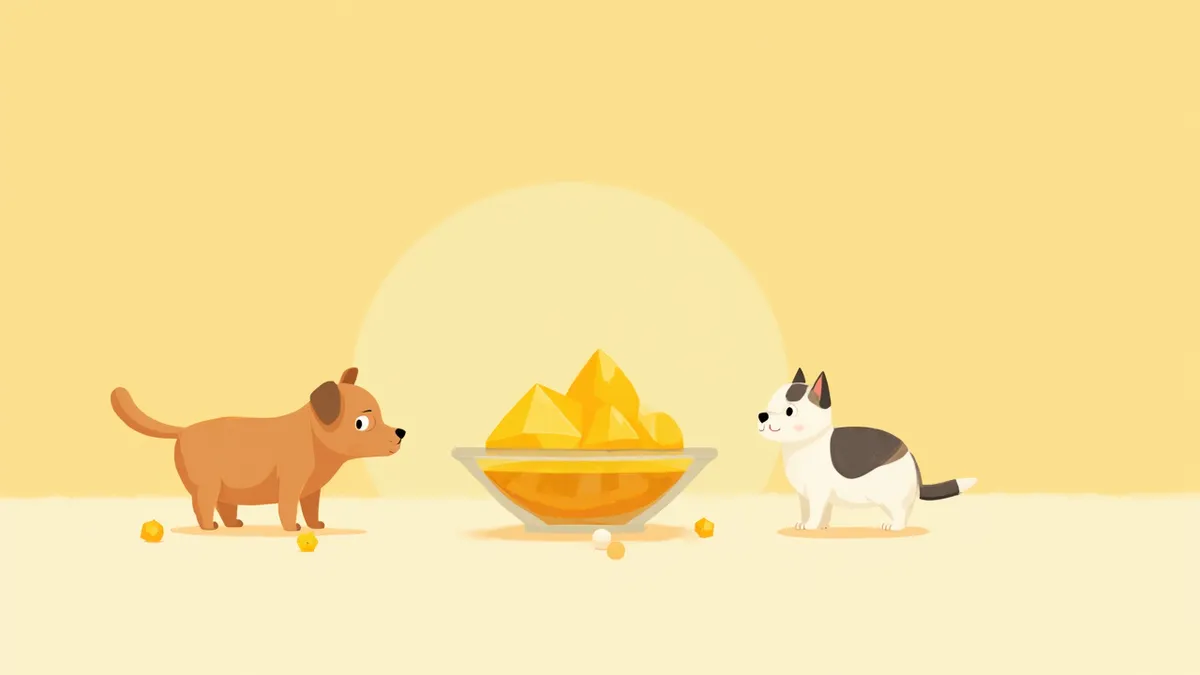
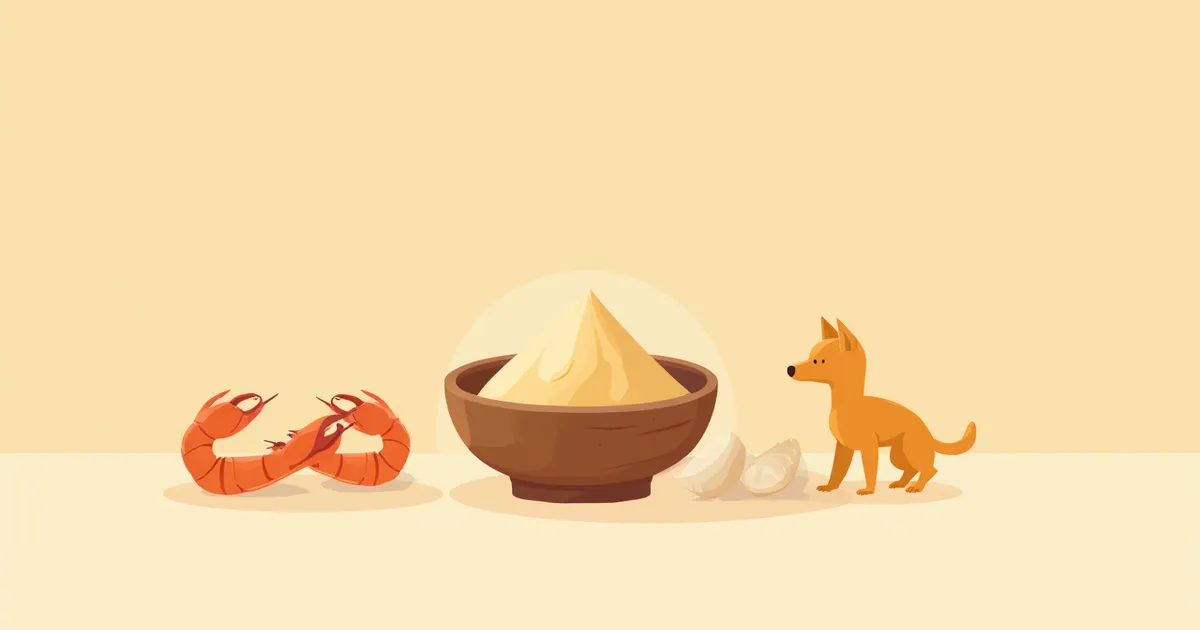
An illustration of riboflavin yellow crystals alongside a dog and a cat
Riboflavin (vitamin B2) is a water-soluble vitamin that plays a key role in the metabolic processes that convert carbohydrates, fats, and proteins into energy in dogs and cats. Most of the riboflavin in food is used in various enzymatic reactions in the form of flavin coenzymes (FMN and FAD). Because it is water-soluble, it is not stored in large amounts in the body, and any excess is excreted in the urine, making consistent dietary intake important. However, deficiency symptoms typically appear before skin changes, and the risk of deficiency is low when pets are fed diets containing meat and dairy products or complete and balanced commercial pet foods. On the other hand, for pets on nutritionally imbalanced homemade diets or with severe picky eating habits, it’s a good idea to check the overall balance of B vitamins.

Key Effects of Riboflavin

Riboflavin isn’t just a simple “supplement”; it serves as a fundamental building block for coenzymes (FMN and FAD) that help enzymes in the body function properly. Here are some key points for pet owners to keep in mind: - Energy Metabolism: It plays a role in enzyme reactions that convert carbohydrates, fats, and proteins into energy. - Skin and Coat Health: Deficiency can lead to dermatitis, redness, hair loss, and dry, scaly skin, so adequate intake helps maintain healthy skin and coat condition. - Eye Health: Prolonged deficiency has been linked to eye issues such as cataracts, making proper intake important for maintaining eye health. - Interconnection with Other B Vitamins and Vitamins: Flavin coenzymes are involved in the metabolism of folate, vitamin B6, niacin, vitamin K, and vitamin D, meaning a riboflavin deficiency can affect the status of these other vitamins. - Growth and Reproduction: Deficiency is associated with growth delays and reproductive problems, so consistent supply is especially important for growing pets.

Evidence from Veterinary Nutrition Research
The National Research Council (NRC) establishes the minimum and recommended riboflavin requirements for dogs and cats as nutritional standards. According to veterinary nutrition resources, riboflavin deficiency can lead to a complex array of issues, including skin changes such as dermatitis, erythema, and alopecia, as well as loss of appetite, weight loss, cataracts, and impaired growth and reproduction. However, these deficiency symptoms often manifest with signs other than skin changes appearing first. Additionally, because riboflavin and its coenzymes are sensitive to acidic and alkaline environments—particularly ultraviolet (UV) light—they can be easily destroyed upon prolonged exposure to light, so careful storage is recommended.
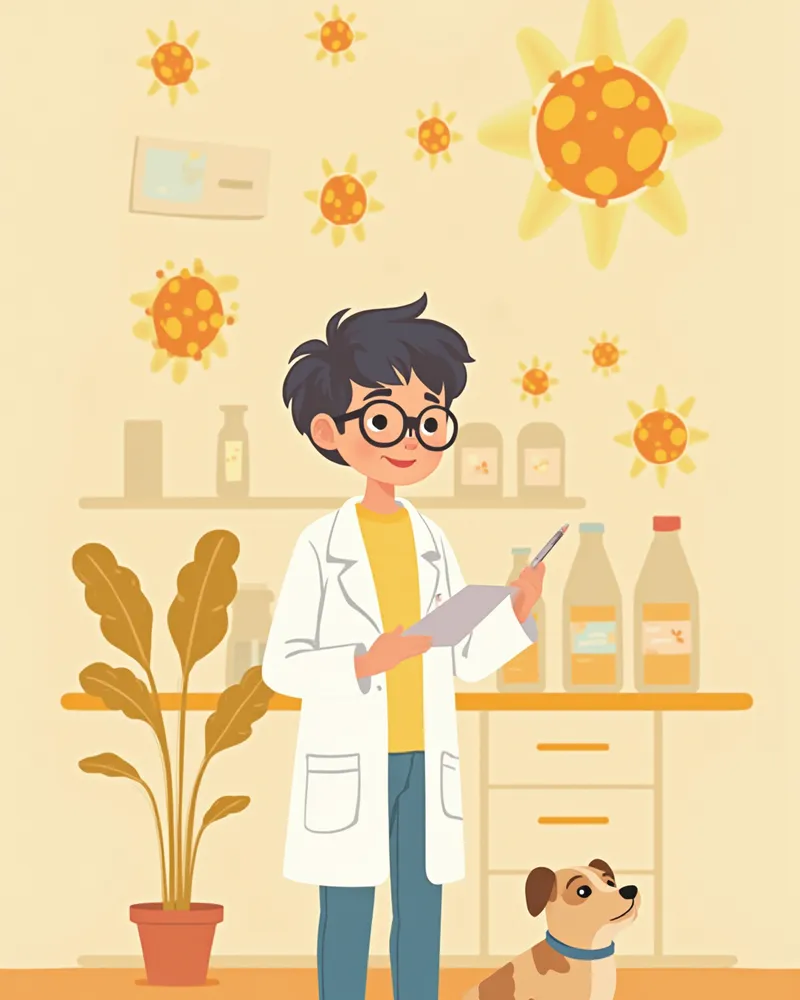
An illustration showing the process of analyzing feed ingredients in a laboratory.

Recommended Feeding Guidelines

According to the National Research Council (NRC) guidelines, cats require a minimum of 3.2 mg and a recommended level of 4.0 mg of riboflavin per kilogram of dry food (approximately 4,000 kcal/kg). Dogs also have established minimum nutrient levels in their dietary standards. If you are feeding a complete and balanced commercial diet, additional supplementation is generally unnecessary. For pets on raw or homemade diets, please have a veterinarian or veterinary nutritionist review your recipe. While B-complex vitamins have a wide safety margin, a balanced diet should always be the priority, and you should consult a professional to determine whether supplementation is necessary.

Symptoms of Deficiency
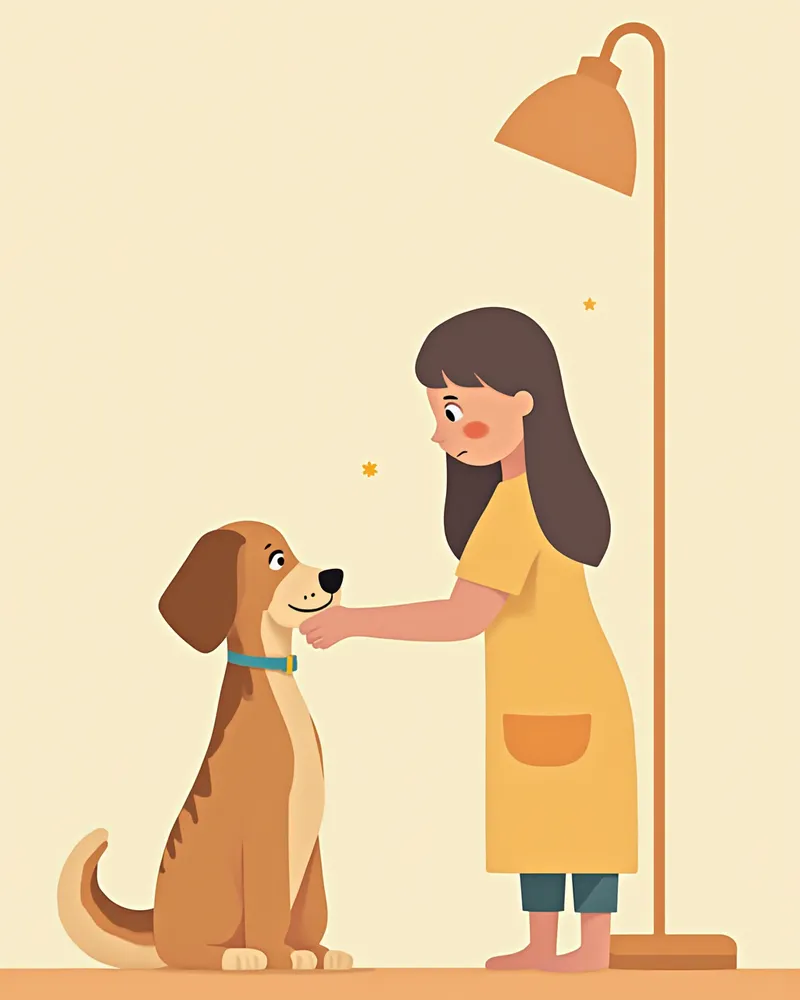
Riboflavin deficiency typically presents with signs other than skin changes first; if the deficiency persists, symptoms may also affect the skin and eyes. Here are key points for pet owners to monitor: - Dermatitis and erythema: Skin redness, crusting, and dry, scaly dermatitis - Hair loss: Thinning or loss of hair accompanying dermatitis - Ocular abnormalities: Prolonged deficiency has been reported to cause eye problems such as cataracts - Anorexia and weight loss: Decreased appetite, weight loss, and lethargy - Growth retardation: Slowed growth and weight gain in puppies and kittens If these symptoms persist for more than two weeks, the issue may not be a simple skin condition. Please consult a veterinarian for a clinical examination and blood tests.
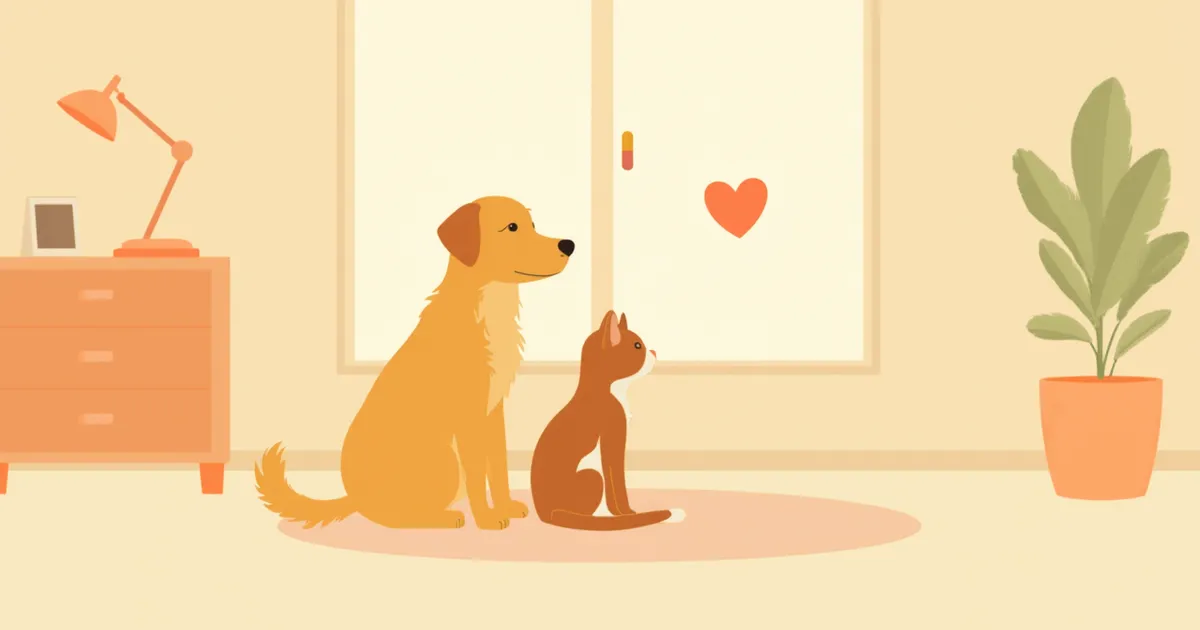
An illustration of a pet owner examining a dog with dermatitis around its mouth.

Riboflavin-Rich Foods

Caution

소 간

리보플라빈·비타민 A 동시 공급

Dosage: 주 1~2회 소량

과다 시 비타민 A 중독 위험

Safe

달걀노른자

B2·비오틴·레시틴 공급

Dosage: 소형견 1/2개, 중형견 1개

익혀서 급여 권장

Safe

요거트(무가당)

B2·유산균 보강

Dosage: 티스푼 1~2개

유당 불내증 시 주의

Safe

브로콜리

B2·엽산 식물성 공급

Dosage: 데친 것 소량

생것은 가스 유발

Side Effects and Precautions
Riboflavin is water-soluble, so any excess is primarily excreted in the urine. Since B-complex vitamins generally have a wide safety margin, adverse effects from riboflavin overdose alone are rare. However, there are a few important points to keep in mind: - Changes in urine color: Riboflavin intake can cause urine to appear bright yellow. This is due to its water-soluble nature and excretion through urine, and it is typically temporary. - Interconnected B vitamins: A deficiency in riboflavin can impact the metabolism of folate, vitamin B6, niacin, vitamin K, and vitamin D. Therefore, maintaining overall balance is more important than supplementing just one vitamin in isolation. - Factors affecting absorption and utilization: Certain factors may influence the bioavailability of riboflavin. If your pet is currently taking other medications, please consult your veterinarian. - Storage precautions: Riboflavin is sensitive to light (particularly UV rays) and acidic or alkaline environments. Prolonged exposure to direct sunlight or high temperatures can reduce its efficacy. Do not administer human B2 supplements without veterinary guidance. Always use products specifically formulated for pets and confirm their use with your veterinarian.
An illustration showing a bottle of pet supplements and a veterinarian’s stethoscope.

Pets That Require Special Attention

Pets with chronic diarrhea or malabsorption issues, those on long-term antibiotics, pets fed exclusively raw or homemade diets, and pregnant or nursing mothers have higher riboflavin needs. In these cases, instead of self-supplementing, always consult your veterinarian for blood tests to check overall B-vitamin levels before deciding on supplementation.

Reviewed by a veterinarian

Dr. Tony — Punnawat Phongkittirak

Dr. Tony — Punnawat Phongkittirak

Veterinarian

A veterinarian who majored in veterinary medicine at Khon Kaen University, Thailand, and completed the IVSA program at North Carolina State University in the United States. Drawing on clinical experience at animal hospitals, he works in the pet healthcare field and is dedicated to building a digital care environment that connects pet parents with veterinarians.

Frequently Asked Questions

Can I give my dog human vitamin B2?
We don’t recommend it. Human products may contain excessive dosages or additives like xylitol and fragrances. Please use pet-specific products after consulting with your veterinarian.
My pet’s urine is fluorescent yellow. Is that okay?
Riboflavin is water-soluble, so any excess is excreted in the urine, which may temporarily turn a bright yellow color after ingestion. However, if the color change persists or is accompanied by other symptoms, we recommend consulting your veterinarian.
Should I give B2 separately even if my pet only eats complete food?
If your pet is eating a complete and balanced diet, additional supplements are usually unnecessary. Deficiencies are rare in diets that include meat and dairy products or in commercially available complete pet foods. If you suspect deficiency symptoms, please have your pet examined at a veterinary clinic rather than making a self-diagnosis.
Do cats need more than dogs?
Riboflavin requirements are established separately for dogs and cats by nutritional standards such as those from the NRC, so it’s difficult to definitively state that “cats always need more.” For both species, consistently feeding a complete and balanced diet formulated for their specific needs will ensure they receive adequate amounts.
How can I supplement vitamin B2 when feeding my pet a home-cooked or raw diet?
You can naturally provide these nutrients through animal-based and dairy sources like beef liver, egg yolks, and unsweetened yogurt. However, since it's easy to get the proportions wrong, we recommend reviewing the formulation chart with a veterinary nutritionist or veterinarian.

Share

Related Guides

References

[1] National Research Council. Nutrient Requirements of Dogs and Cats. The National Academies Press, 2006.

[2] Case LP et al., Canine and Feline Nutrition: A Resource for Companion Animal Professionals, 3rd ed., Mosby, 2011.

[3] AAFCO Official Publication, Dog and Cat Food Nutrient Profiles, 2024.

[4] Plumb DC, Plumb's Veterinary Drug Handbook, 10th ed., Wiley-Blackwell, 2023.

This information is based on veterinary literature and does not replace diagnosis or treatment. Please consult a veterinarian for specific health concerns.

Metapet Co., Ltd. | CEO: Park Sung-yong | Business Reg. No. 417-88-02562 | Seoul, South Korea | Customer Center

Riboflavin (B2): Effects on Energy & Skin in Pets | Meongsiljang