

Selenium Benefits and Feeding
Selenium is an essential mineral that supports your dog’s or cat’s immune system and thyroid function. We’ve put together a guide covering recommended dosages and important precautions to avoid excess.
What Is Selenium?
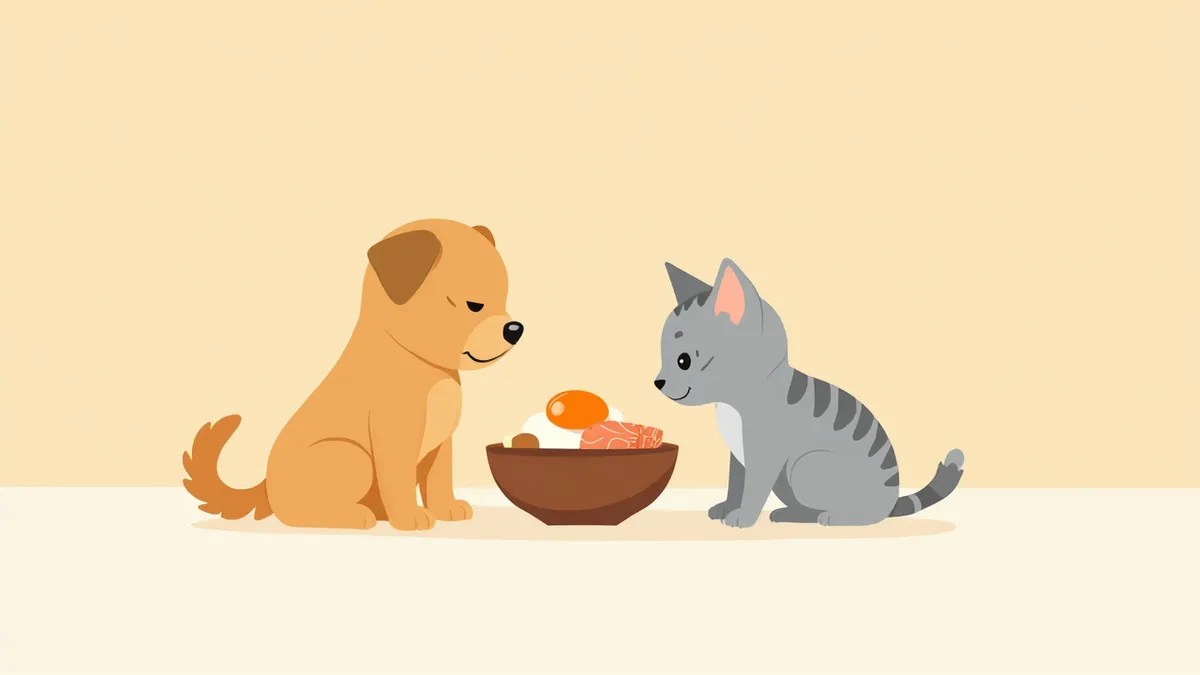
The Role of Selenium
Selenium at a Glance
셀레늄(Selenium)
항산화·면역력·갑상샘 기능 지원
Dosage: 강아지 약 87μg/1000kcal, 고양이 약 75μg/1000kcal
미국국립연구위원회 권장
What Does Veterinary Research Say?

Recommended Dosage (Based on National Research Council Guidelines)
For adult dogs, the recommended intake is approximately 87 μg per 1,000 kcal, while for adult cats, it is about 75 μg per 1,000 kcal. Most pets eating commercially available complete diets already meet these requirements. If you are considering additional supplementation, it is essential to consult with your veterinarian first, as the necessary amount varies depending on your pet's weight, health status, and the composition of their current food.
Foods High in Selenium
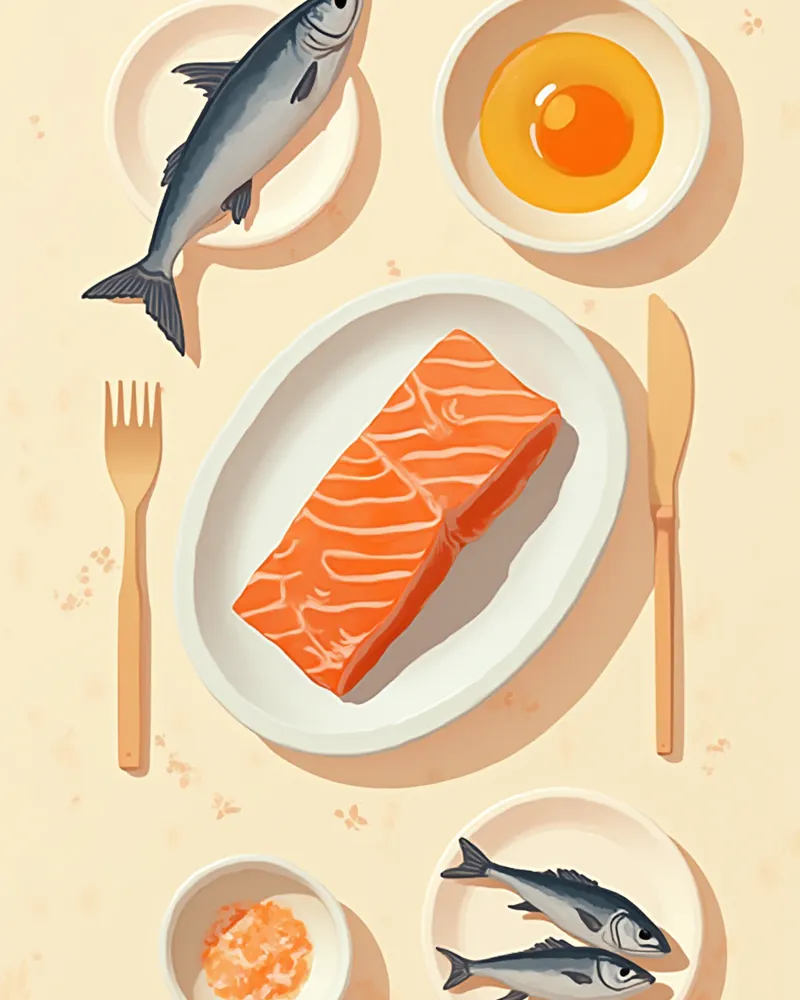
Deficiency and Excess Symptoms
Precautions When Administering Selenium Supplements
Selenium is a mineral that can cause serious toxicity, such as anemia or liver damage, if consumed in excess, just as it poses problems when deficient. According to textbook reports, the selenium concentration in feed that caused toxicity in dogs (approximately 5.0 mg/kg) was significantly higher than recommended levels. However, this does not mean you should feel safe supplementing arbitrarily, as cumulative intake can still lead to danger. If your pet is already consuming a comprehensive supplement or a complete diet, adding a separate selenium product may result in duplicate intake. Furthermore, cats require even greater caution because there is insufficient data to establish a safe upper limit (SUL). For pets with thyroid, kidney, or liver disease, you must consult your veterinarian before deciding whether to administer selenium.
Reviewed by a veterinarian

Dr. Tony — Punnawat Phongkittirak
VeterinarianA veterinarian who majored in veterinary medicine at Khon Kaen University, Thailand, and completed the IVSA program at North Carolina State University in the United States. Drawing on clinical experience at animal hospitals, he works in the pet healthcare field and is dedicated to building a digital care environment that connects pet parents with veterinarians.
Reviewed 2026-04-19
Frequently Asked Questions
Will giving a dog Brazil nuts help supplement its selenium intake?
Can I give my pet a separate selenium supplement to boost their immune system?
What is the relationship between feline hyperthyroidism and selenium?
Do pregnant or nursing pets need more selenium?
How can you tell if there’s a selenium deficiency through testing?
Share
Related Guides

Primary vs. Secondary Veterinary Hospitals: A Comparison

5 Easy-to-Raise Cat Breeds for First-Time Owners — Grooming Difficulty Comparison

Top 7 Short-Legged Dog Breeds

7 Key Benefits of Iodine for Pet Thyroid Health, Explained by Veterinarians

Iron Benefits, Deficiency Symptoms, and Feeding Guide
SAM-e Liver Protection and Cognitive Benefits: A Comprehensive Summary

6 Effects of Resveratrol for Pets Noted by Veterinarians — Antioxidant and Cardiovascular Protection
Benefits of Arginine and Signs of Deficiency

L-Lysine: Immune Support Benefits for Cats

Methionine for Liver Protection and Urinary Tract Health
References
[1] National Research Council, Nutrient Requirements of Dogs and Cats, 2006
[2] Applied Veterinary Clinical Nutrition, 2nd Ed, Chapter on Feline Hyperthyroidism
[3] Wedekind et al., Bioavailability of selenium in dog food, 2003
[4] Zicker et al., Serum T3 and selenium correlation in cats, 2010