Like
Share
멍실장
히스티딘 효과와 결핍 증상

5 Signs of Histidine Deficiency in Dogs and Feeding Guidelines Explained by Veterinarians

ImmunityIngredientsMeongsiljang Veterinary Advisory Board

Histidine is an essential amino acid that both dogs and cats must obtain from their diet. We’ve summarized its key roles in supporting immune function, skin health, and joint health, as well as the symptoms that can arise when it’s deficient.

What Is Histidine?
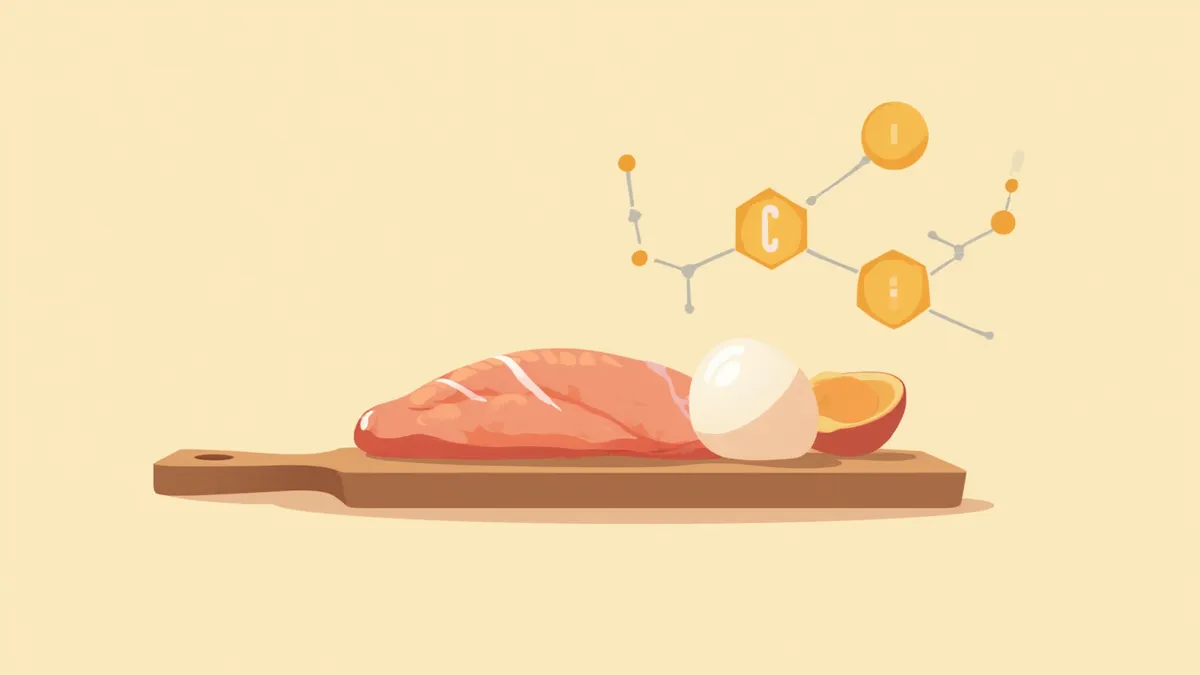
Protein-rich foods high in histidine and an image of the amino acid structure
Histidine is an essential amino acid that dogs and cats cannot synthesize in sufficient quantities on their own, so it must be provided through their diet. What’s truly important is that histidine is not just a building block for proteins; it serves as a precursor to histamine, which plays a role in immune responses, and is a key nutrient involved in the production of red blood cells (hemoglobin) and the synthesis of neuroactive substances like carnosine and anserine. In particular, if growing kittens experience even borderline histidine deficiency, they can develop cataracts even if their weight gain remains normal. In adult dogs, a histidine-deficient diet sustained for several weeks or more can lead to decreased plasma histidine, hemoglobin, and albumin levels, along with symptoms such as weight loss and lethargy.

Key Benefits of Histidine

Histidine plays a variety of roles in the body. Here are the key benefits for pet owners to know: - Regulation of immune response: As a precursor to histamine, it is involved in allergic and infection responses. - Protein structure and energy metabolism: Histidine is a structural component of body proteins and a glucogenic amino acid that can be converted into glucose. - Support for red blood cell production: As an amino acid required for hemoglobin synthesis, the maximum blood hemoglobin concentration serves as a reference when determining its required intake. - Precursor for neuroactive substances: It serves as a building block for neuroactive and regulatory substances such as carnosine and anserine. - Involvement in stomach acid secretion: Histamine derived from histidine is stored in the gastric mucosa and plays a role in stomach acid secretion.

Histidine Key Ingredient Card

Safe

히스티딘(Histidine)

면역 조절·피부 장벽 형성·적혈구 합성

Dosage: 강아지 체중 1kg당 하루 약 48mg, 고양이 체중 1kg당 하루 약 65mg (성견·성묘 기준)

미국국립연구위원회(NRC) 권장

Safe

카르노신(Carnosine)

히스티딘 유래 항산화 물질, 근육·뇌 보호

Dosage: 사료 내 자연 함유

수의영양학 교과서

Caution

히스타민(Histamine)

면역·위산 분비·신경전달

Dosage: 체내 자동 합성

수의약리학 교과서

Veterinary Research Evidence
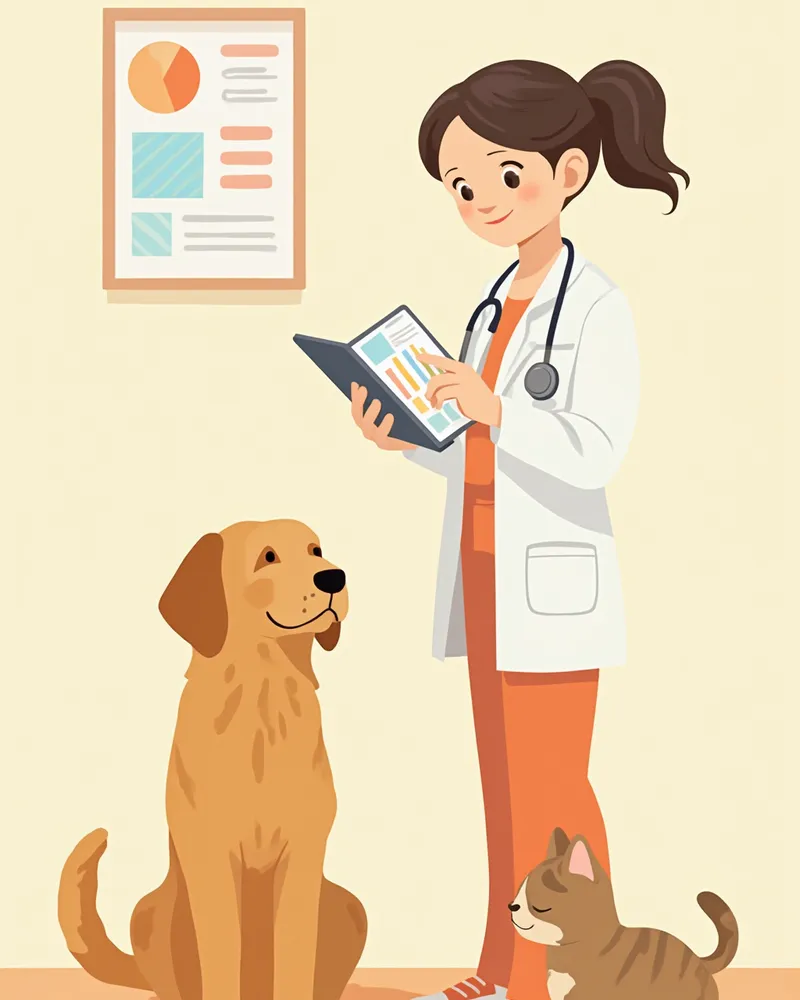
According to veterinary nutrition textbooks and data from the National Research Council (NRC), histidine is classified as an essential amino acid for both dogs and cats. In particular, studies have reported that in growing kittens, even when maximum weight gain and nitrogen retention are maintained, cataracts can develop if histidine levels fall to a critical threshold. In adult dogs, a histidine-deficient diet sustained for several weeks or more can lead to decreased plasma histidine, hemoglobin, and albumin concentrations, as well as weight loss. Veterinary pharmacology textbooks explain that histidine is converted into histamine in the body, playing a role in regulating immune responses and gastric acid secretion.
A veterinarian reviewing nutritional information on a tablet.

Recommended Feeding Levels

The NRC establishes histidine requirements on a dry-matter basis, expressed in grams per kilogram of feed. For growing puppies, the recommended level is approximately 2.0–3.1 g/kg of feed, while for young cats, it is about 3 g/kg of feed. The absolute amount required per kilogram of body weight (in milligrams) varies depending on the feed’s energy density, intake volume, and life stage. Therefore, if you are feeding a commercially available AAFCO-compliant complete and balanced diet according to the recommended amounts, your pet’s needs are likely being met. Please consult your veterinarian before adding any supplements.

Symptoms of Histidine Deficiency
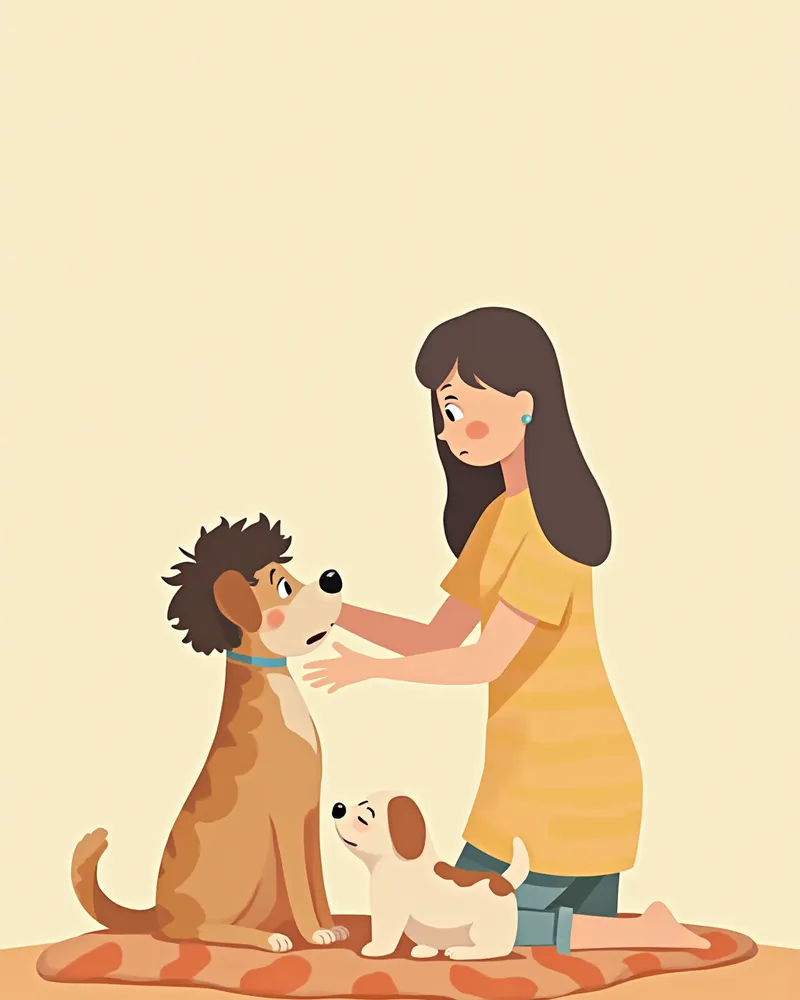
Deficiencies are uncommon, but they can occur with low-quality commercial diets or home-prepared meals that lack nutritional balance. Key signs include: - Decreased appetite: Your pet may avoid food or eat noticeably less. - Weight loss: Muscle mass decreases and overall energy levels drop. - Lethargy and reduced activity: Your pet may seem weak, move less, and appear dull or listless. - Tendency toward anemia: Lower hemoglobin and albumin levels can cause pale gums and increased fatigue. - Cat-specific symptoms: Even mild deficiencies can increase the risk of cataracts in cats.
The owner checks the puppy’s gums and coat condition.

Foods Rich in Histidine

Histidine is abundant in animal-based proteins. If you’re feeding a complete and balanced commercial diet, there’s no need to supplement it separately—but if you’re incorporating homemade meals, it’s helpful to keep this in mind. - Chicken breast and chicken liver: Cooked specifically for pets (no salt or seasonings) - Beef and pork loin: Choose lean cuts with minimal fat - Whitefish and salmon: Thoroughly debone and fully cook before serving - Eggs: Fully cooked, offered in small amounts - Whey protein: Only use products recommended by your veterinarian Never feed human food as-is. Always prepare meals according to your pet’s specific dietary needs.

Side Effects and Precautions

Acute toxicity from high-dose histidine administration in cats has rarely been reported to date. However, because histidine can be converted into histamine, it is advisable to consult your veterinarian before adding supplements to the diet of cats with a history of allergies or hypersensitivity. Cats with liver or kidney disease face increased metabolic burdens from protein and amino acids, so any supplementation should only be decided after veterinary consultation. In particular, do not administer amino acid supplements to cats with chronic kidney disease without veterinary guidance.

Reviewed by a veterinarian

Dr. Tony — Punnawat Phongkittirak

Dr. Tony — Punnawat Phongkittirak

Veterinarian

A veterinarian who majored in veterinary medicine at Khon Kaen University, Thailand, and completed the IVSA program at North Carolina State University in the United States. Drawing on clinical experience at animal hospitals, he works in the pet healthcare field and is dedicated to building a digital care environment that connects pet parents with veterinarians.

Frequently Asked Questions

Do I need to give my pet a separate histidine supplement?
If your pet is eating a complete and balanced diet according to AAFCO standards in the recommended amounts, it’s usually sufficient. Only consider supplements after consulting with a veterinarian for special cases such as picky eating, homemade diets, senior pets, or health conditions.
Are cats more sensitive than dogs?
The actual requirements are quite similar. Puppy food typically contains about 3.1 g/kg, while kitten food has around 3 g/kg, so it’s hard to say that puppies need more. However, studies show that even borderline deficiencies during a kitten’s growth phase can hinder maximum growth or increase the risk of cataracts, making it important to feed cats a complete and balanced diet formulated specifically for them.
Is histidine safe for a pet with allergies?
While the dietary level is fine, histidine can convert to histamine, so if your pet has a history of allergies or hypersensitivity, consult your veterinarian before administering high-dose supplements.
If a deficiency is suspected, how can it be confirmed?
At the veterinary clinic, blood tests can check albumin and protein levels, as well as red blood cell status, to estimate nutritional condition. Testing for individual amino acid levels is not commonly performed.
I’m worried about histidine when feeding my pet homemade meals.
Feeding only homemade meals can easily lead to an imbalanced amino acid profile. For safety, consult a veterinary nutritionist for recipe guidance, or use a complete and balanced commercial diet as the staple while offering homemade food as treats or toppers.

Share

Related Guides

References

[1] National Research Council, Nutrient Requirements of Dogs and Cats, 2006

[2] Riond B. et al., Handbook of Veterinary Pharmacology, Chapter 3: Biogenic Amines

[3] Plumb's Veterinary Drug Handbook, 10th Ed — Antihistamines & Histamine Metabolism

This information is based on veterinary literature and does not replace diagnosis or treatment. Please consult a veterinarian for specific health concerns.

Metapet Co., Ltd. | CEO: Park Sung-yong | Business Reg. No. 417-88-02562 | Seoul, South Korea | Customer Center

5 Signs of Histidine Deficiency in Dogs & Feeding Guide | Meongsiljang