Like
Share
멍실장
아르기닌 효과와 결핍 증상

Benefits of Arginine and Signs of Deficiency

ImmunityIngredientsMeongsiljang Veterinary Advisory Board

Arginine is an essential amino acid that plays a vital role in the immune function, growth, and detoxification of dogs and cats. We’ve put together a comprehensive guide for pet owners covering its benefits, signs of deficiency, recommended dosages, and important precautions.

What is Arginine?
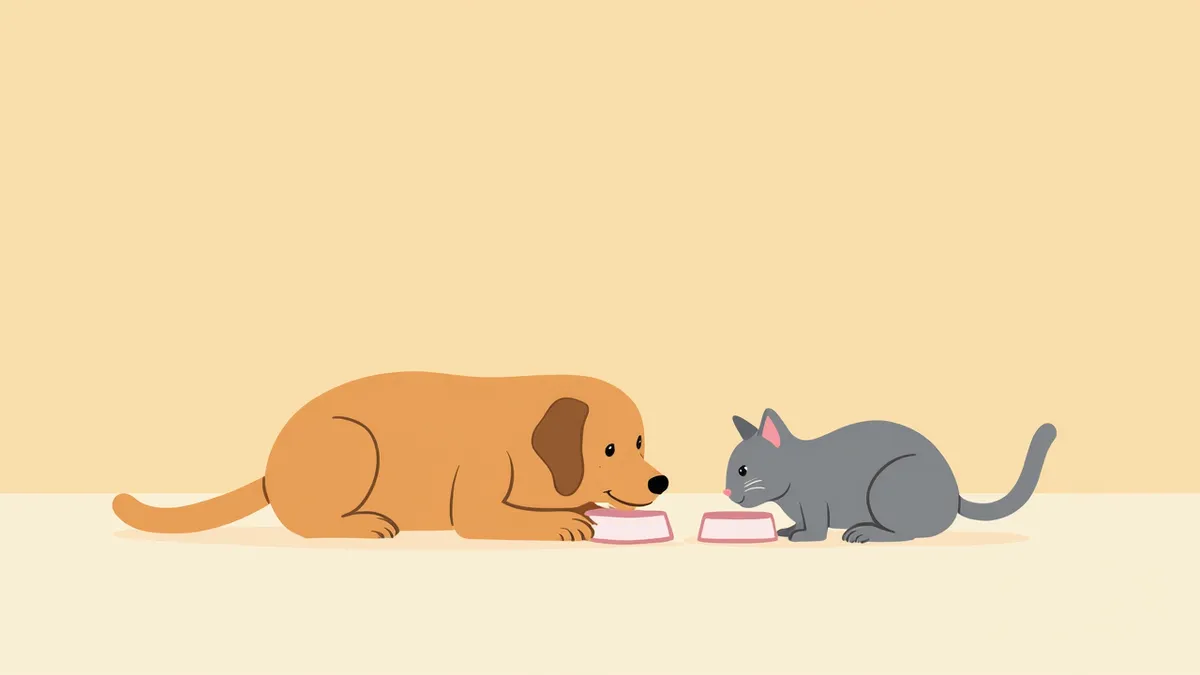
Dogs and cats eating meals that contain arginine
Arginine is an essential amino acid for the urea cycle, which converts ammonia into urea for excretion in dogs and cats. While textbooks classify arginine as a conditionally essential (semi-essential) amino acid, most blood arginine comes from dietary intake and protein breakdown, with endogenous synthesis occurring only under specific conditions. In particular, cats can develop severe toxicity (hyperammonemia) symptoms after just one meal that contains protein but lacks arginine. Dogs also have increased arginine requirements during rapid growth phases, making adequate dietary supply crucial. Therefore, it’s important to ensure that pet food ingredients provide sufficient protein.

Key Benefits of Arginine

Arginine does more than just build muscle; it plays a role in supporting blood vessels, detoxification, and immunity. - Ammonia detoxification: As an amino acid involved in the urea cycle, arginine plays a key role in nitrogen metabolism and the processing of ammonia. - Immune and critical care nutritional support: In human critical care medicine, arginine supplementation has long been recommended to boost immune function. Some feline enteral nutrition products also contain arginine at levels 1.5 to 2 times the minimum growth requirement. - Recovery phase nutritional support: Research is exploring the potential benefits of providing arginine (along with omega-3 fatty acids) for nutrition before and after surgery or for critically ill patients. - Vascular effects: As a precursor to nitric oxide (NO), arginine’s role in shock resuscitation and related processes is under investigation. - Growth support: Growing animals have higher arginine requirements, making adequate dietary intake essential for the normal development of puppies and kittens.

Signs of Arginine Deficiency

Deficiencies typically arise from low-protein diets, chronic diseases, or long-term nutritional imbalances. In particular, cats can develop symptoms very quickly. - Decreased appetite and systemic symptoms: A lack of protein and amino acids can lead to nonspecific systemic signs, such as lethargy. - Vomiting and hyperammonemia: Arginine deficiency causes blood ammonia levels to rise. Cats are especially susceptible; even a meal containing protein but lacking arginine can trigger severe hyperammonemia and toxic symptoms. - Neurological symptoms: As hyperammonemia progresses, neurological signs such as muscle tremors or ataxia (staggering) may appear. - Deterioration of coat and overall condition: Insufficient overall protein synthesis can result in a rough, poor-quality coat and a decline in general physical condition. - Growth retardation: Growing animals have higher arginine requirements; a deficiency can prevent normal weight gain and development.
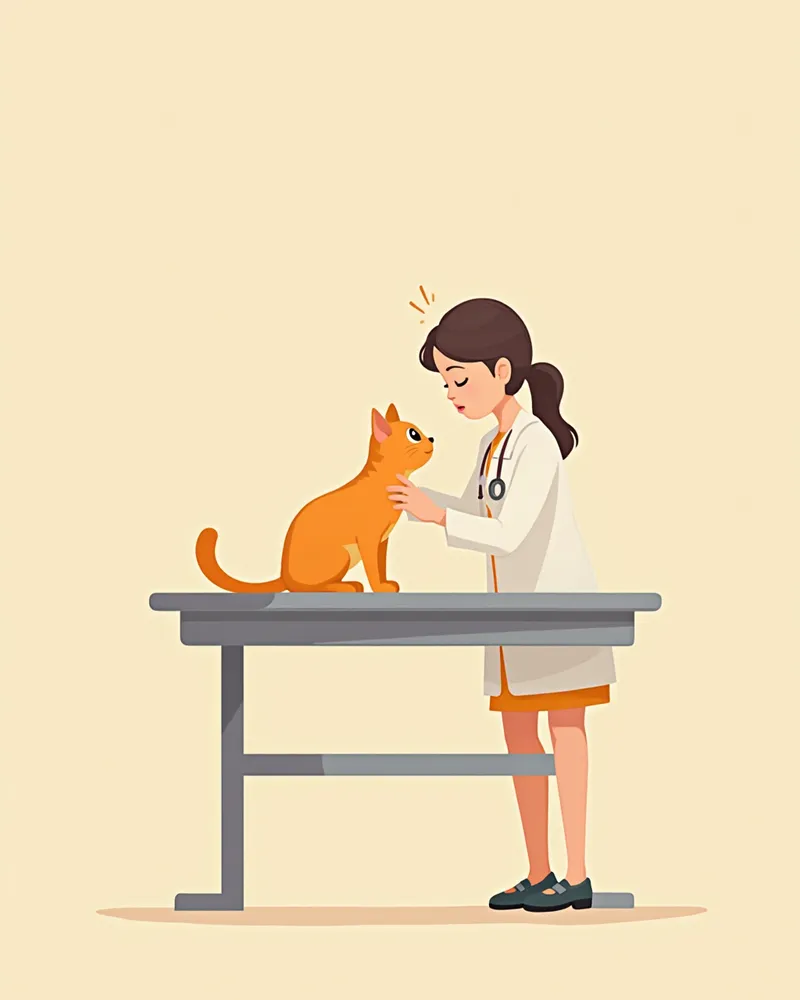
A cat being examined due to suspected arginine deficiency

The Importance of Arginine According to Veterinary Nutrition Textbooks

According to veterinary nutrition textbooks, arginine is an amino acid that is especially important for dogs during growth and pregnancy or lactation, and it is considered an essential nutrient that must be adequately supplied through the diet for cats. The textbooks explain that a meal containing protein but lacking arginine can be fatal to a cat even if consumed just once. In fact, cats can rapidly develop hyperammonemia and severe neurological symptoms after eating such a meal. While dogs can synthesize some arginine on their own, dietary intake is practically essential during periods of increased demand, such as growth.

Recommended Feeding Guidelines (For Pet Owners)

Rather than relying on separate supplements, it’s best to provide arginine through a high-quality, complete, and balanced diet rich in protein. Veterinary nutrition research shows that growing puppies also require a certain baseline level of arginine, while cats, who can barely synthesize it internally, need even more careful management of arginine in their food. The exact daily requirement varies depending on weight, age, and health status, so it’s safest to consult your veterinarian. In particular, pets with liver or kidney disease should never be given arginine supplements without professional guidance, as it can be dangerous.

Food Ingredients Rich in Arginine

Safe

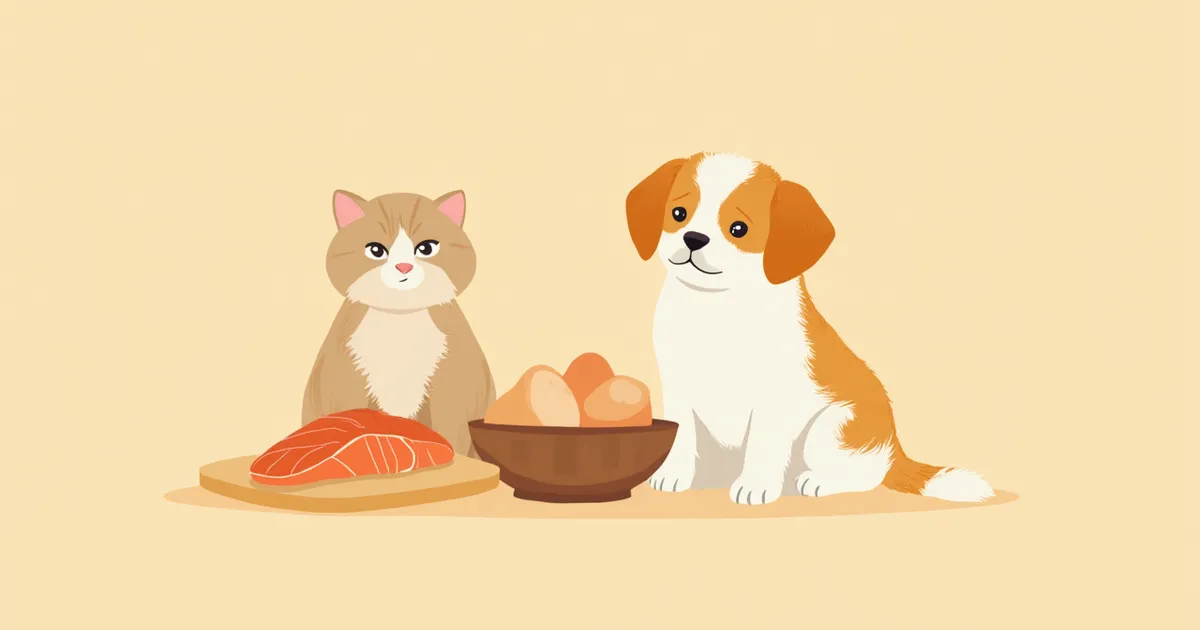
닭가슴살

고품질 동물성 단백질, 아르기닌 함량 우수

Dosage: 사료 주원료로 적합

수의영양학 교과서 권장

Safe

연어

아르기닌 + 오메가3 동시 공급

Dosage: 주 1~2회 간식 수준

Safe

달걀

완전단백질로 아미노산 균형 우수

Dosage: 소형견 1/2개, 대형견 1개/일

Caution

콩 단백

식물성이지만 아르기닌 풍부

Dosage: 알레르기 있는 아이는 주의

Situations Where Arginine Supplementation is Necessary

A healthy pet can thrive on a well-balanced diet alone. However, under veterinary guidance, additional supplementation may be considered in the following situations: - Post-surgical recovery: To support wound healing and immune restoration - Chronic infections or inflammatory conditions: To help activate immune cells - Growth, pregnancy, or lactation stages: When nutritional needs are higher than usual - Adaptation to low-protein prescription diets: Protein levels may become insufficient in kidney disease diets Note: Pets with liver disease may experience increased ammonia metabolism burden, so supplementation should only be decided after proper testing.
A dog recovering after surgery

Precautions for Overconsumption and Supplementation

Arginine is an essential amino acid, but caution is required when supplementing it voluntarily. Since arginine directly regulates ammonia metabolism in the urea cycle, an imbalance with other amino acids can lead to unexpected metabolic changes. Cats, in particular, have a strong dependency on arginine, so it is crucial to consult a veterinarian before any supplementation. Pets with compromised liver function may struggle with ammonia metabolism, posing significant risks. Human arginine supplements differ in dosage and excipients, so they should never be shared with pets.

Reviewed by a veterinarian

Dr. Tony — Punnawat Phongkittirak

Dr. Tony — Punnawat Phongkittirak

Veterinarian

A veterinarian who majored in veterinary medicine at Khon Kaen University, Thailand, and completed the IVSA program at North Carolina State University in the United States. Drawing on clinical experience at animal hospitals, he works in the pet healthcare field and is dedicated to building a digital care environment that connects pet parents with veterinarians.

Frequently Asked Questions

Can I check at home if my pet is deficient in arginine?
It’s difficult to confirm the exact cause at home. If symptoms such as loss of appetite, vomiting, and muscle tremors persist, a blood test is necessary to check ammonia and protein levels.
Why is arginine especially important for cats?
Cats can hardly synthesize arginine from other amino acids, and their urea cycle operates with very little margin for error. As a result, even skipping a single meal can lead to hyperammonemia.
Can I give my pet the arginine supplements that people take?
We don’t recommend it. The dosage units are large, and the presence of sweeteners and excipients can actually be harmful. Always consult your veterinarian before choosing a product specifically formulated for pets.
How do I choose a high-arginine pet food?
Choosing a food that clearly lists animal proteins (such as chicken, salmon, and eggs) as the main ingredients and carries the AAFCO complete and balanced label will meet the basic requirements.
Can I give this supplement to a pet with liver or kidney issues?
Self-supplementing can be dangerous. Liver disease requires consideration of the ammonia metabolism burden, while kidney disease necessitates protein restriction, so these decisions must always be made after a veterinary consultation.

Share

Related Guides

References

[1] National Research Council, Nutrient Requirements of Dogs and Cats, The National Academies Press, 2006

[2] Case L.P. et al., Canine and Feline Nutrition: A Resource for Companion Animal Professionals, 3rd Edition, Mosby, 2011

[3] Rogers Q.R., Morris J.G., Essentiality of Amino Acids for the Growing Kitten, Journal of Nutrition, 1979

This information is based on veterinary literature and does not replace diagnosis or treatment. Please consult a veterinarian for specific health concerns.

Metapet Co., Ltd. | CEO: Park Sung-yong | Business Reg. No. 417-88-02562 | Seoul, South Korea | Customer Center

Arginine Benefits and Deficiency Signs in Dogs & Cats | Meongsiljang