Like
Share
멍실장
메티오닌 간 보호와 요로 건강

Methionine for Liver Protection and Urinary Tract Health

Liver HealthIngredientsMeongsiljang Veterinary Advisory Board

Methionine is an essential amino acid that plays a key role in liver detoxification and urinary tract pH regulation. Here’s a clear overview of its benefits, recommended dosage, and potential side effects.

What Is Methionine?

Illustration of the methionine amino acid structure and its role in supporting liver and urinary tract health in dogs and cats
Methionine is an essential amino acid that dogs and cats cannot synthesize on their own, so it must be obtained through their diet. Its most important roles are supporting liver detoxification and helping regulate urinary pH. For this reason, veterinarians often recommend it for pets with compromised liver function or those prone to alkaline urinary stones. However, excessive intake can cause side effects depending on a pet’s weight and health status, so it’s important to follow the product’s recommended dosage and consult your veterinarian rather than supplementing on your own.

Key Benefits of Methionine

Methionine is far more than just a building block of protein; it plays a direct role in several key health functions, particularly supporting liver and urinary tract health.
Liver detoxification support: In the body, methionine is converted into SAMe (S-adenosylmethionine), which acts as a precursor for glutathione synthesis, helping protect liver cells from oxidative stress and toxic substances.
Urinary tract pH acidification: It helps shift alkaline urine toward a mildly acidic state, reducing the recurrence of struvite stones.
Fat metabolism support: Methionine is used in the treatment of fatty liver disease associated with choline deficiency and aids in supporting fat metabolism within the liver.
Coat and claw health: As an essential sulfur-containing amino acid, it contributes to cysteine synthesis, providing key structural components for hair and nails.
Methylation reactions: Through SAMe, methionine supplies methyl groups essential for DNA and protein methylation.

Veterinary Evidence — Role in the Liver and Urinary Tract
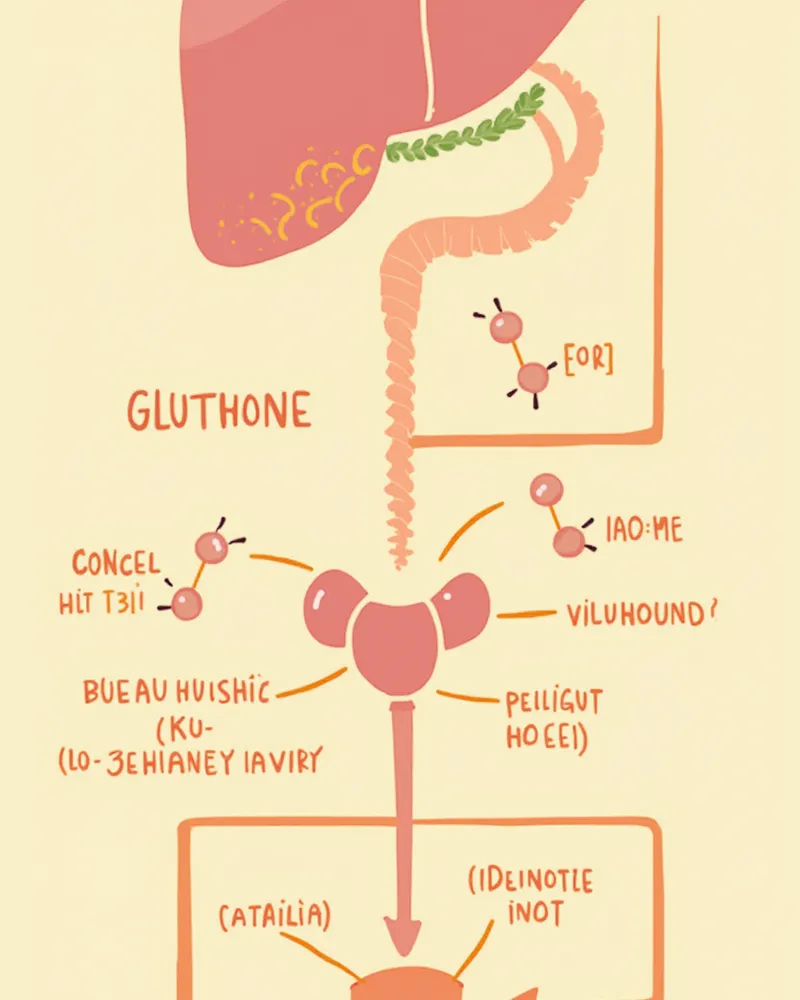
According to veterinary internal medicine textbooks, methionine is converted into SAMe (S-adenosylmethionine) within liver cells. This SAMe serves as a direct precursor for glutathione synthesis, protecting liver cells from reactive oxygen species and drug toxicity. Additionally, as methionine is metabolized into sulfate, it acidifies the urine, which helps counteract the alkaline environment that promotes the formation of struvite stones. Clinical veterinary resources also indicate that methionine is used as a urinary acidifier and as a supportive component in managing choline-deficient fatty liver disease. However, in pets with advanced liver failure or acidosis, toxic metabolites may interact with ammonia, potentially worsening hepatic encephalopathy and causing harm.
Infographic on Methionine's Liver Detoxification and Urinary Acidification Effects

Methionine at a Glance

Caution

메티오닌 (Methionine)

간 해독·요로 산성화·지방 대사

Dosage: 강아지 약 50~100mg/kg/일, 고양이 약 200~300mg/일 (제품·증상별 상이)

Plumb's 수의약리학 핸드북 등재 성분

Recommended Dosage and Consultation Guidelines

Owners should never determine the dosage on their own, as the appropriate amount varies significantly depending on the pet's weight, liver and kidney function, and current diet. In particular, adding a supplement to a pet already consuming a prescription diet that contains sufficient methionine can lead to an excess. For pets with a history of recurrent urinary stones or elevated liver values, it is essential to consult a veterinarian before selecting the product and determining the dosage.

Side Effects and Precautions
Methionine has a safe dosage range, but excessive intake can lead to side effects. It’s especially important to avoid or use caution in the following situations:
Risk of metabolic acidosis: Overconsumption may acidify the blood, leading to symptoms such as vomiting and lethargy.
Contraindicated for pets with liver failure: Increased ammonia metabolism can worsen hepatic encephalopathy.
Caution in pets with kidney disease: Reduced kidney function may alter metabolic burden, so it's safest to consult your veterinarian to determine whether and how much to administer.
Caution in pets with calcium oxalate stones: Methionine’s urine-acidifying effect is designed to help prevent struvite stones, which form in alkaline conditions. Since calcium oxalate stones form under different conditions, acidification may not be beneficial. Always confirm the type of stone and consult your vet before use.
Pregnant or nursing pets: There is insufficient veterinary evidence regarding safety, so it’s best to avoid use unless directed by a veterinarian.
An illustration of a pet owner consulting with a veterinarian about methionine supplements.

Especially Beneficial for These Pets

Methionine is essential for all pets, but supplementation may be especially beneficial for those meeting the following conditions:
History of struvite stones: Dogs and cats requiring correction of alkaline urine
Pets needing liver support: Can be used when a veterinarian determines that liver support is needed, as methionine serves as a precursor to SAMe
Obese cats at risk of fatty liver: Support for obese cats at risk of fatty liver disease associated with choline deficiency
Pets on long-term medication: For animals taking medications when a veterinarian determines that liver support is necessary
Conversely, methionine may actually be harmful to pets with advanced liver failure, end-stage chronic kidney disease, or a history of calcium oxalate stones.

Key Points for Cat Owners

Methionine is known as the amino acid most likely to be deficient (limiting) in cats fed diets made from natural ingredients. As obligate carnivores, cats rely heavily on sulfur-containing amino acids for protein metabolism and synthesize the non-essential amino acid cysteine from methionine, leading to high methionine consumption. However, most commercially available cat foods are already formulated to contain sufficient methionine, so additional supplementation is unnecessary if your cat is eating a urinary care prescription diet. Conversely, if your cat is fed only a low-protein homemade diet, there is a risk of deficiency; in such cases, it is advisable to consult your veterinarian after conducting a blood test.

Reviewed by a veterinarian

Dr. Tony — Punnawat Phongkittirak

Dr. Tony — Punnawat Phongkittirak

Veterinarian

A veterinarian who majored in veterinary medicine at Khon Kaen University, Thailand, and completed the IVSA program at North Carolina State University in the United States. Drawing on clinical experience at animal hospitals, he works in the pet healthcare field and is dedicated to building a digital care environment that connects pet parents with veterinarians.

Frequently Asked Questions

Is it okay to give my pet human methionine supplements?
No, human products are not formulated for pets' weight and metabolism, so there's a high risk of overdose. Always use pet-specific products and follow the dosage recommended by your veterinarian.
Will feeding methionine completely eliminate urinary stones?
It depends on the type of stone. Struvite stones form more readily in alkaline urine, so acidifying the urine can help dissolve them and reduce the risk of recurrence. However, calcium oxalate stones form under different conditions, making urine acidification unsuitable. Therefore, it’s important to first identify the type of stone and consult with your veterinarian.
When will the effects start to show?
The onset of effect varies depending on the individual’s condition, the administered dose, and the type of disease. Changes in urine pH can be observed relatively quickly, whereas changes in liver function indicators require a longer period. For an accurate assessment, it is best to confirm through follow-up tests as directed by your veterinarian.
Can I give this supplement alongside other supplements?
While it can work synergistically with liver-supporting ingredients like SAMe and milk thistle, it may overlap with multivitamin and mineral supplements. Please inform your veterinarian about all the supplements you are currently giving your pet.
Should I give this to a healthy pet that shows no symptoms?
Regular pet food already contains sufficient amounts, so healthy pets don’t need additional supplements. It’s best to administer them only under a veterinarian’s guidance when managing specific symptoms or conditions.

Share

Related Guides

References

[1] Riggs CM et al., Handbook of Veterinary Pharmacology, Chapter: Amino Acids and Hepatoprotective Agents

[2] Hand MS et al., Small Animal Clinical Nutrition, 5th Edition, Chapter: Urolithiasis

[3] Plumb DC, Plumb's Veterinary Drug Handbook, Methionine monograph

This information is based on veterinary literature and does not replace diagnosis or treatment. Please consult a veterinarian for specific health concerns.

Metapet Co., Ltd. | CEO: Park Sung-yong | Business Reg. No. 417-88-02562 | Seoul, South Korea | Customer Center

Methionine for Dog & Cat Liver and Urinary Health | Meongsiljang