Like
Share
멍실장
시스테인 효과와 글루타치온 전구체

Cysteine Effects and Glutathione Precursor

Liver HealthIngredientsMeongsiljang Veterinary Advisory Board

Cysteine is a key amino acid in the production of glutathione, a detoxifying substance in the liver. We have summarized the components used for treating liver dysfunction and poisoning, along with precautions for administration.

What is Cysteine? The Key Amino Acid for Liver Detoxification
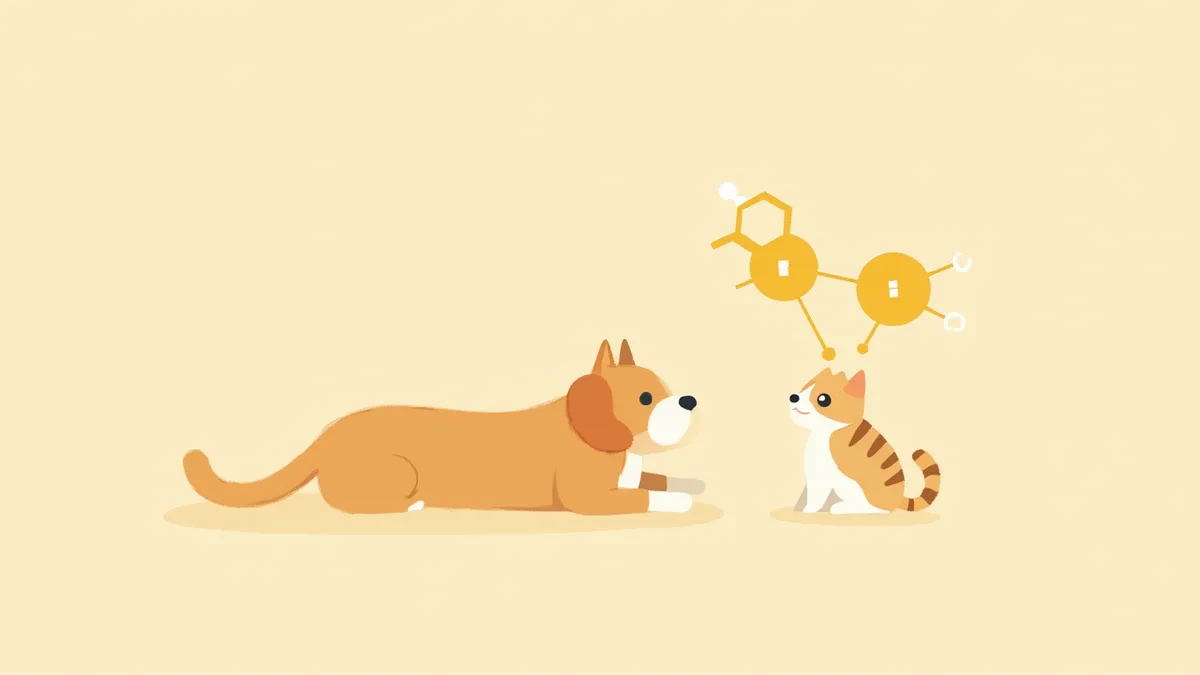
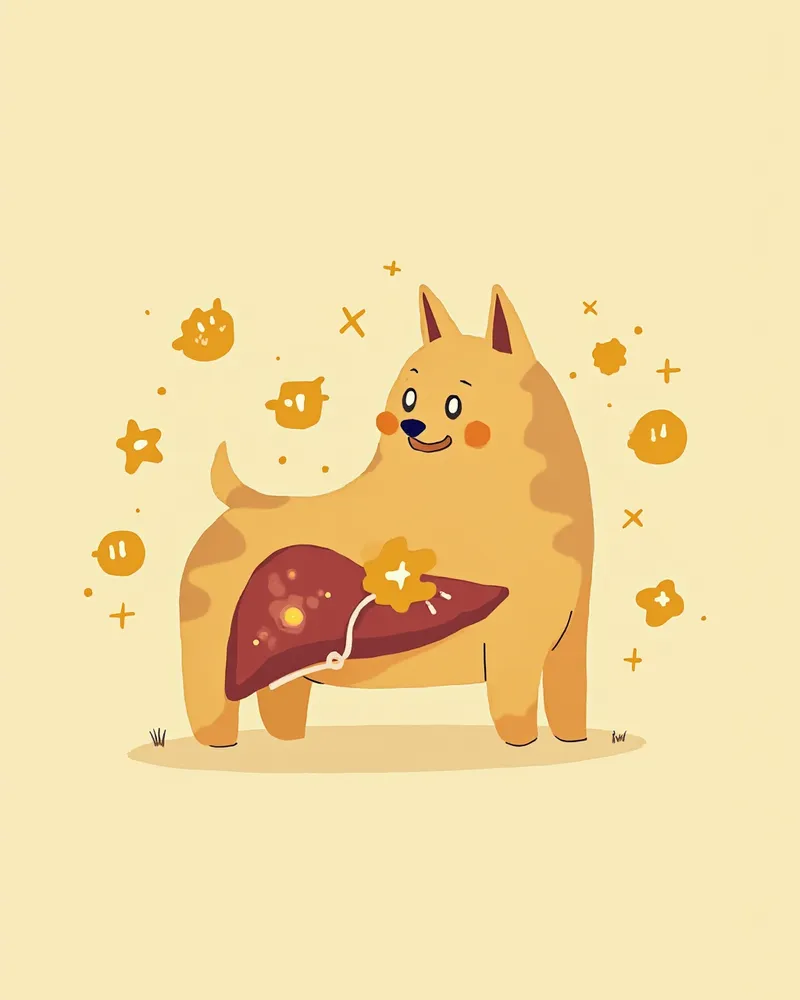
Illustration of the concept of cysteine and glutathione synthesis
Cysteine is a sulfur-containing amino acid used by dogs and cats to produce glutathione, a powerful antioxidant. What’s especially important is that glutathione levels can drop rapidly during liver damage or poisoning. Providing adequate cysteine in these situations helps liver cells regain their ability to detoxify harmful substances. Cats, in particular, have a more limited capacity than humans or dogs to metabolize certain drugs and toxins, making them more reliant on the glutathione antioxidant pathway for detoxification. This is why ensuring sufficient cysteine intake plays a crucial role in maintaining feline liver health.

Key Effects of Cysteine

Cysteine is far more than just a simple protein fragment; it plays a pivotal role in various metabolic pathways. The following benefits are key points for pet owners to keep in mind.
Glutathione Synthesis: Acts as a direct precursor for producing glutathione, the core antioxidant essential for detoxification in liver cells.
Neutralization of Reactive Oxygen Species: Helps eliminate reactive oxygen species generated by inflammation and oxidative stress through glutathione.
Mucus Relief: Sometimes used as an adjunct to thin respiratory mucus when mucus buildup becomes problematic.
Tissue Oxygen Supply: Enhances oxygen delivery efficiency, indirectly supporting an environment conducive to liver tissue recovery.
Toxin Sequestration: Supports detoxification pathways by binding specific toxic substances to glutathione and directly binding to toxic metabolites.

Role as a Glutathione Precursor

According to veterinary internal medicine textbooks, glutathione is the most important antioxidant used by the liver to detoxify drugs and toxins. N-acetylcysteine (NAC) and SAMe (S-adenosylmethionine) are both well-known precursors that support glutathione synthesis. In particular, NAC increases glutathione production in liver cells and helps restore depleted glutathione levels, playing a crucial supportive role in conditions where glutathione is rapidly consumed, such as liver damage or poisoning. If cysteine (NAC) supply is insufficient, glutathione synthesis can be limited, potentially impairing the liver's detoxification capacity.
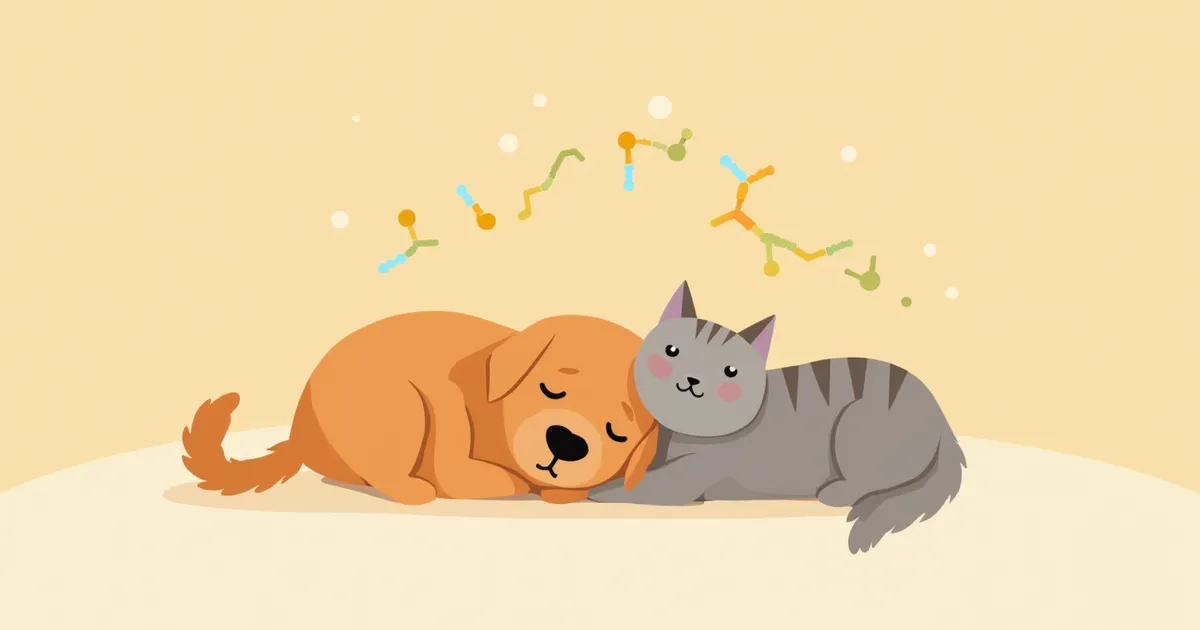
The role of cysteine in the liver detoxification process

Overview of Key Cysteine-Related Components

Safe

L-시스테인

글루타치온 합성 기본 원료

Dosage: 사료·영양제에 자연 배합

수의영양학 교과서 권장

Caution

N-아세틸시스테인(NAC)

해독·점액 분해, 간 손상 치료 보조

Dosage: 수의사가 체중에 맞춰 결정

수의약리학 교과서 기재

Safe

S-아데노실메티오닌(SAMe)

글루타치온·메틸화 경로 지원

Dosage: 간 영양제 표기 용량

간질환 보조 치료로 다수 연구

Safe

타우린

시스테인에서 전환되는 황 아미노산

Dosage: 고양이 필수 영양소

미국사료관리협회 기준 필수

Recommended Feeding Amounts — Veterinarian Judgment is Essential

Cysteine is already included as an essential amino acid in standard pet foods, so healthy pets do not require additional supplementation. However, in cases of liver disease, acetaminophen toxicity, or conditions requiring respiratory mucus clearance, it is administered in the form of N-acetylcysteine (NAC). In these situations, the dosage and administration interval must be determined by a veterinarian based on the pet’s body weight and clinical condition. It is dangerous for pet owners to administer human NAC supplements without veterinary guidance.

When is Cysteine Needed?
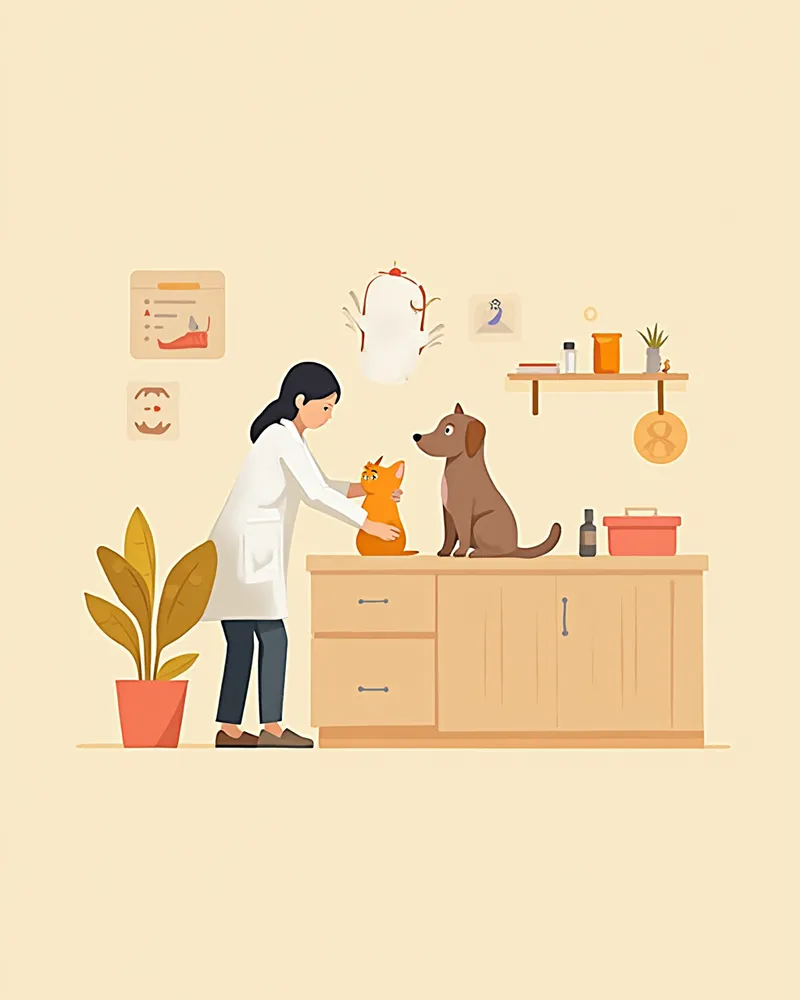
Cysteine supplementation is particularly meaningful in these key scenarios, all of which require a veterinarian’s prescription.
Acetaminophen (Tylenol) toxicity: Even small amounts can be fatal in cats; NAC is the primary antidote.
Chronic hepatitis and fatty liver disease: Helps slow glutathione depletion to protect liver cells.
Biliary stasis and jaundice: Shields liver cells from oxidative damage.
Chronic bronchitis: Thins mucus to facilitate clearance.
Oxidative stress around surgery: Reduces liver burden during recovery.
Situations where cysteine is needed

Why Cats Require Special Attention

According to veterinary textbooks, cats have a limited ability to metabolize certain drugs and toxins compared to humans and dogs, making them relatively more dependent on the glutathione antioxidant pathway for detoxification. When exposed to toxins, hepatic glutathione can be rapidly depleted, at which point cysteine supplementation, such as with NAC, plays a crucial role. In reality, exposure to onions or acetaminophen can cause Heinz body anemia in cats, a condition characterized by oxidative damage to red blood cells. This serves as a sign of severe systemic oxidative stress alongside the depletion of hepatic glutathione. If your cat has been exposed to a toxic substance, you must seek immediate veterinary care.

Self-Administration of Human Supplements is Prohibited

Human NAC and cysteine capsules sold on the market have dosages far exceeding those appropriate for pets, and may contain toxic additives such as sweeteners (e.g., xylitol). Additionally, they can place undue stress on pets with underlying liver or kidney conditions. Always use products specifically formulated for pets after consulting your veterinarian, and immediately discontinue administration and contact your clinic if vomiting, decreased appetite, or jaundice occurs.

Reviewed by a veterinarian

Dr. Tony — Punnawat Phongkittirak

Dr. Tony — Punnawat Phongkittirak

Veterinarian

A veterinarian who majored in veterinary medicine at Khon Kaen University, Thailand, and completed the IVSA program at North Carolina State University in the United States. Drawing on clinical experience at animal hospitals, he works in the pet healthcare field and is dedicated to building a digital care environment that connects pet parents with veterinarians.

Frequently Asked Questions

Can cysteine supplements benefit healthy puppies as well?
Healthy dogs and cats do well on a standard diet. Supplements should only be added under a veterinarian’s guidance if abnormal liver values or specific health conditions are identified.
Are N-acetylcysteine (NAC) and cysteine the same thing?
Both are used as glutathione precursors, but NAC is well known for its ability to boost glutathione synthesis in the liver and restore glutathione levels, making it primarily used in clinical treatments. This is different from the general food-grade cysteine.
Can it be given together with SAMe?
These are commonly paired ingredients in liver supplements. However, using multiple products at once can lead to overlapping doses, so please consult your veterinarian before choosing.
Can I give NAC at home for a cat with Tylenol poisoning?
Absolutely not. This must be treated at a veterinary clinic using intravenous or oral protocols. Administering medication at home on your own will only delay proper treatment.
Are there any side effects?
Gastrointestinal symptoms such as nausea and vomiting may occur. In particular, when NAC is administered orally, veterinarians may prescribe antiemetics beforehand to minimize gastrointestinal side effects, so be sure to follow your veterinarian’s instructions for administration.

Share

Related Guides

References

[1] Plumb's Veterinary Drug Handbook, 9th Edition — N-Acetylcysteine chapter

[2] The Cat, Clinical Medicine and Management, 2nd Edition — Hepatic Glutathione & Oxidative Injury

[3] Small Animal Clinical Nutrition, 5th Edition — Sulfur Amino Acids in Dogs and Cats

This information is based on veterinary literature and does not replace diagnosis or treatment. Please consult a veterinarian for specific health concerns.

Metapet Co., Ltd. | CEO: Park Sung-yong | Business Reg. No. 417-88-02562 | Seoul, South Korea | Customer Center

Cysteine Effects & Its Role as a Glutathione Precursor | Meongsiljang