
Chitosan Effects and Obesity/Fat Absorption
Chitosan is a dietary fiber extracted from the shells of crustaceans. It binds to fat in the intestines, reducing its absorption and helping with weight management as a supportive ingredient. Here’s a summary of its effects and precautions.
What is Chitosan?
Key Effects of Chitosan
Chitosan Key Information Card
키토산 (Chitosan)
지방 흡수 차단, 포만감 증가, 콜레스테롤 감소 보조
Dosage: 체중 1kg당 50~100mg/일 (수의사 상담 후)
수의영양학 교과서 권장 보조 요법
Veterinary Research Evidence
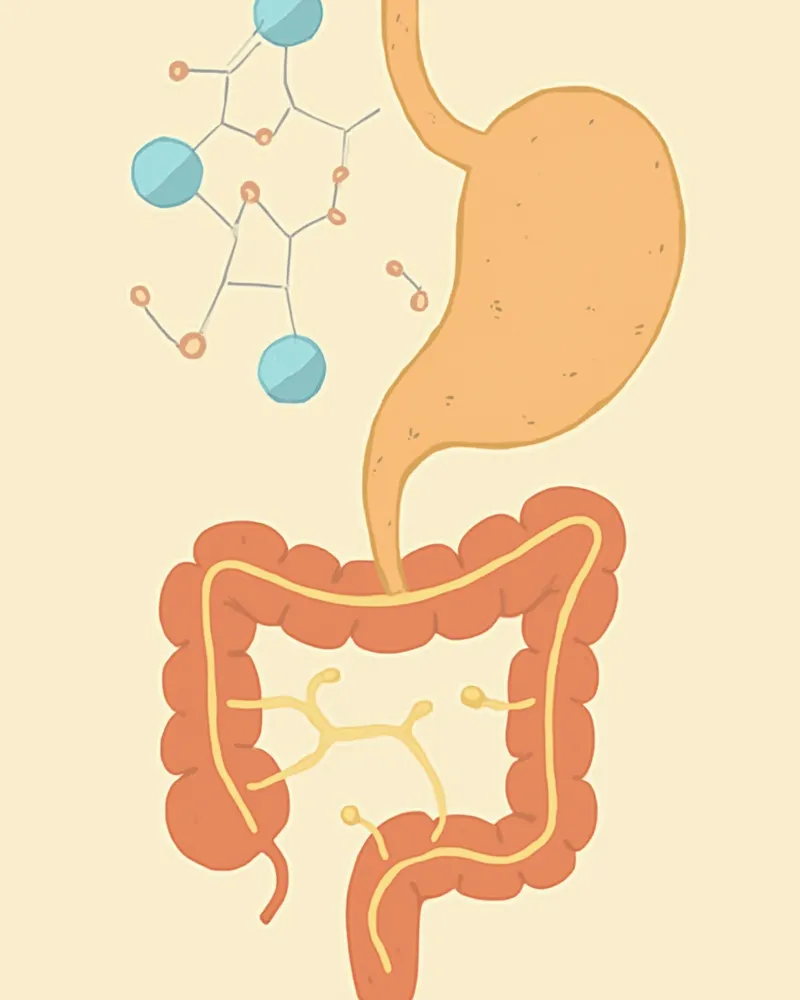
Recommended Chitosan Dosage
Chitosan supplements for pets vary in concentration and purity, so you should always follow the specific product label and your veterinarian’s instructions for dosage. Current veterinary textbooks do not provide sufficient evidence to establish a standard chitosan dosage for pets. Dosage adjustments may be necessary depending on underlying health conditions or other medications being taken. Never give human chitosan products to your pet based on your own judgment. Always consult your veterinarian before administering pet-specific chitosan supplements.
Chitosan vs. Other Weight Management Ingredients
| Item | Chitosan | L-carnitine | Dietary fiber (psyllium husk) |
|---|---|---|---|
| Mechanism of action | Partially blocks fat absorption (proposed mechanism) | Amino acid analog related to fat metabolism | Satiety/intestinal motility |
| Main effect | May excrete fat in feces (limited evidence) | Supports energy metabolism (limited evidence) | Bowel movement/satiety |
| Risk of side effects | Low to moderate (limited data) | Low | Low |
| Concurrent exercise required | Essential | Essential | Recommended |
All ingredients are only effective when combined with dietary control and exercise. Clinical evidence in pets for chitosan and L-carnitine is still limited
Side Effects and Precautions
What to Check Before Chitosan
Before considering chitosan, there’s something important to check. Obesity may not be caused by simple overeating but could stem from endocrine disorders such as hypothyroidism or Cushing’s syndrome. In such cases, treating the underlying condition takes priority over supplements. If your pet has gained weight suddenly or hasn’t lost weight despite diet and exercise adjustments, it’s safest to start with a blood test.
Reviewed by a veterinarian

Dr. Tony — Punnawat Phongkittirak
VeterinarianA veterinarian who majored in veterinary medicine at Khon Kaen University, Thailand, and completed the IVSA program at North Carolina State University in the United States. Drawing on clinical experience at animal hospitals, he works in the pet healthcare field and is dedicated to building a digital care environment that connects pet parents with veterinarians.
Reviewed 2026-04-26
Frequently Asked Questions
Does feeding chitosan lead to immediate weight loss?
Can I give my dog human-grade chitosan?
Is chitosan effective for cats too?
How long should I give chitosan to my pet?
Are there any foods or supplements that shouldn’t be given together with chitosan?
Share
Related Guides
Top 5 Weight-Management Dog Food Recommendations for 2026
7 Best Cat Weight-Loss Diets Recommended by Veterinarians and How to Choose
Top 5 Puppy Training Treats for 2026 — Low-Calorie & Small
Effects of Vitamin B12 (Cobalamin) and Deficiency Symptoms
7 Anti-Inflammatory Effects of Quercetin Noted by Veterinarians — Feeding Guide for Dogs
MCT Oil Benefits and Safe Feeding Dosage — Weight Management for Dogs and Cats
5 Ways Choline Benefits Senior Dogs’ Cognitive Function, Explained by a Veterinarian
Magnesium Benefits and Feeding
Guide to Feeding for Calcium-Phosphorus Balance
Vitamin E Benefits and Feeding Guide
References
[1] Hand MS, Thatcher CD, Remillard RL, et al. Small Animal Clinical Nutrition, 5th Ed — Chapter: Obesity
[2] Fascetti AJ, Delaney SJ. Applied Veterinary Clinical Nutrition, 2nd Ed — Chapter 9: Nutritional Management of Body Weight
[3] Ettinger SJ, Feldman EC. Textbook of Veterinary Internal Medicine, 8th Ed — Obesity Management
[4] Bray GA, Greenway FL. Pharmacological treatment of the overweight patient. Pharmacol Rev 2007;59(2):151-84.